
Reviewed · HIKING & TREKKING
3-Day Chiang Dao Mountain Trek
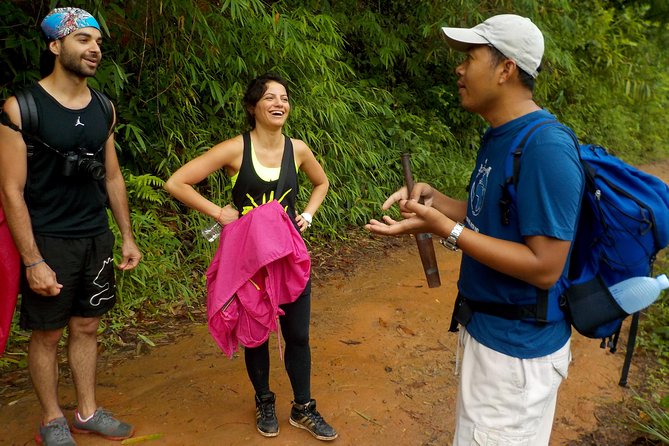
Real jungle, real hills, real village life. This three-day Chiang Dao trek takes you well beyond Chiang Mai’s usual day trips, with ridge walks, bamboo forest paths, hill villages, and two nights in simple homestays. I especially like the home-cooked Thai meals and the chance to learn about plants, farming, and local life from guides such as Tan and Sap. The small-group format is another strong point, though you should know that this is a hard hike, not a gentle country walk.
You will carry your own belongings, hike for five to six hours across steep and uneven ground, and sleep in village homes where dogs, roosters, and other rural sounds may begin their day before you do. At $256, the price is fair for three days of guiding, transport, nine included meals, and homestay accommodation, but the value depends on your fitness and your comfort with basic conditions.
In This Review
- Key things to know before you go
- Leaving Chiang Mai for the Chiang Dao hills
- Day one: bamboo, farms, and the first homestay
- Day two: the demanding heart of the trek
- Day three: down to the Maetang River valley
- What the homestays are really like
- Food, guiding, and the human side of the trip
- Is $256 a good price?
- Who should book this Chiang Dao trek?
- Practical preparation for three days in the mountains
- Should you book it?
- FAQ
- Where does the Chiang Dao Mountain Trek begin?
- What time does the tour start?
- How long is the trek each day?
- How fit do I need to be?
- Is the trek suitable for children?
- What meals are included?
- Can I request vegetarian meals?
- What should I bring?
- What are the homestays like?
- How many people can join the tour?
Key things to know before you go
- Day two is the hardest: Expect steep climbs, descents, and roughly a full day on jungle trails.
- The food is a major highlight: Your guide may also cook, often preparing excellent Thai meals over a simple fire or at the homestay.
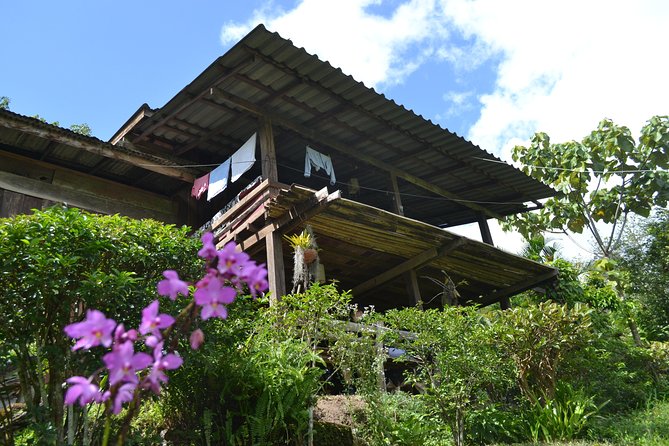
- This is a genuine village stay: The accommodation is basic but clean, with mountain views and, in some places, solar-powered electricity.
- Bring earplugs: Dogs, roosters, singing, and village activity can make the second night noisy.
- Pack very light: Your personal belongings must fit into a 45-liter backpack that you carry yourself.
- Guides make the difference: Tan, Sap, and other local guides are praised for plant knowledge, humor, patience, cooking, and care on difficult sections.
Leaving Chiang Mai for the Chiang Dao hills
The trip begins with pickup in Chiang Mai, generally within the second ring road. The stated pickup time is around 8:30 a.m., while the official meeting point lists a 9 a.m. start at Le Dta’ Wan Food Market in Chang Khlan. Confirm the exact pickup time and location before departure, especially if your hotel lies outside the pickup area.
The drive north is part of the transition. You leave city traffic behind and head toward the Chiang Dao area, where the mountains rise above the surrounding countryside. A stop at a local market gives your guide a chance to show you the ingredients used for the meals ahead. This is a useful beginning because food is not an afterthought on this trip. It is part of the experience.
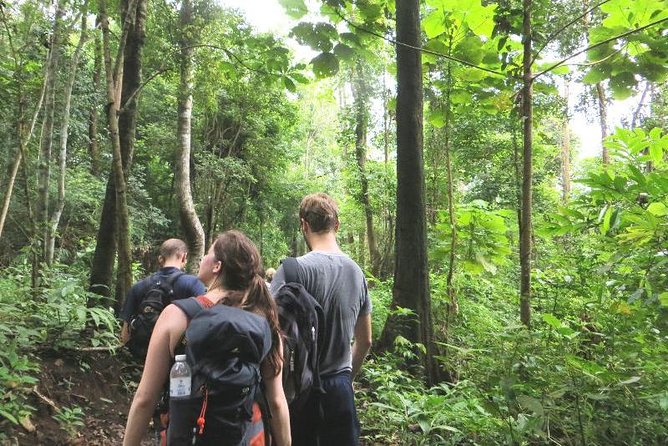
From there, the route moves toward the trailhead and the mountain villages. The first day includes roughly four hours of walking, though timing can vary with the route and group pace. You will pass through bamboo forest, jungle paths, farms, and village areas rather than following a polished tourist route.
That lack of polish is both the charm and the catch. Trails can be overgrown, and guides may need to clear vegetation with a knife. You should expect uneven ground, changing slopes, and sections where the path feels more like a local route than a marked hiking trail.
A few more tours and experiences worth a look
- 3-in-1: Doi Inthanon Tour, Elephant Sanctuary, and Trekking Trail
★ 5.0 · 1,087 reviews - Chiang Mai: Doi Inthanon Trip with Pha Dok Siew Guided Trek
★ 4.6 · 910 reviews - Chiang Mai: Doi Inthanon Park with Kew Mae Pan Hike Day Trip
★ 4.7 · 841 reviews
Day one: bamboo, farms, and the first homestay
The opening hike introduces the rhythm of the trek without using up all your energy. You walk through the Chiang Dao mountains toward the Maetang River valley area, with views opening and closing as the trail passes through forest and cultivated land.
The guide is an important part of this first day. Tan and Sap are both praised for explaining plants, tasting edible leaves or fruits with the group, and describing the lives of people in the villages. That turns a walk through the forest into something more than a test of stamina. You begin to understand how the local environment supports food, farming, and daily life.
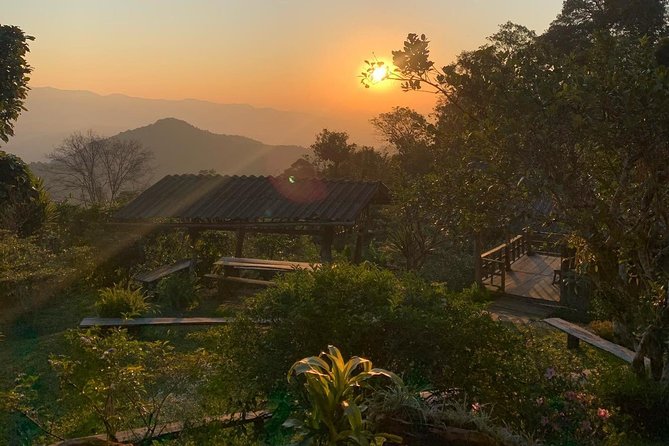
The first homestay is often described as the most peaceful of the two. Mountain views, sunrise and sunset, and a quiet rural setting make it a memorable place to spend the night. A fire may be prepared, and dinner is cooked locally rather than served from a hotel kitchen.
Accommodation is basic, so keep your expectations sensible. You are not booking a private mountain lodge. You are staying in a village home, and the simplicity is part of the point. Some accommodation has electricity from solar power, but you should still pack as though charging options will be limited.
The first dinner is one of the strongest parts of the trip. Guides such as Tan and Sap are praised as excellent cooks, and meals can include fresh local ingredients prepared on site. Vegetarian food is available only if arranged ahead of time, so mention it when booking.
Day two: the demanding heart of the trek
Day two is where you find out if the trip suits you. You wake in the mountains, have breakfast with locally grown tea or coffee, and then set off for a long day on ridges and jungle trails.
The exact route depends on conditions, but the day includes criss-crossing paths, steep climbs, descents, and uneven ground. One account describes close to nine hours of walking. Other descriptions give a shorter estimate, so you should plan for the longer possibility rather than assume a fixed schedule.
This is the most scenic day, but it is also the most tiring. The route follows mountain ridges beneath the forest canopy, with views appearing through breaks in the trees. Dense jungle, bamboo, and changing elevations keep the scenery varied. In places, the trail can be overgrown enough that the guide must cut a way through.
I like that the guides do not treat the forest as a backdrop. Tan is praised for his humor and for pacing a mixed-age group carefully. Sap is praised for his calm manner and his ability to explain plants and animals along the way. The guides may stop to identify useful plants, let you taste certain foods, or explain how the villages use the land.
Still, do not let the friendly tone fool you. Descending can be hard on your knees, and steep uphill sections will test your lungs. You should be comfortable walking for five to six hours on undulating ground, and you need suitable hiking boots or sturdy runners.
The second night takes place in another local homestay. It may feel less peaceful than the first. Dogs bark, roosters crow, and village singing or other nighttime noise can carry through the settlement. Earplugs are not a luxury here. They are one of the smartest things you can pack.
Day three: down to the Maetang River valley
The final morning begins with breakfast in the mountains. The route then descends for about three hours toward the Maetang River valley, where the scenery changes as you lose altitude.
A waterfall stop provides a natural break during the descent. After two demanding days, this pause should feel welcome, especially if your legs are tired. Lunch is served in a calm riverside setting, giving you time to slow down before the return drive.
The final descent is shorter than day two, but do not mistake that for an effortless morning. Downhill walking can be punishing after repeated climbs, particularly on knees and ankles. The guide will help manage the pace, but you remain responsible for carrying your pack and handling the terrain.
After lunch, transport returns you to the original meeting point in Chiang Mai. The trip ends there rather than at a separate downtown attraction or airport transfer point. If you have a flight or another fixed appointment, allow plenty of extra time.
Something different for another day:
- Half-Day Thai Cooking Class at Organic Farm in Chiang Mai
★ 5.0 · 19,087 reviews - Chiang Mai: Elephant Sanctuary, Waterfall & Bamboo Rafting
★ 4.9 · 9,160 reviews - Chiang Mai: Doi Inthanon National Park Eco-Friendly Tour
★ 4.6 · 6,667 reviews - Chiang Mai: Elephant Sanctuary & Waterfall Group Tour
★ 4.9 · 5,780 reviews
What the homestays are really like
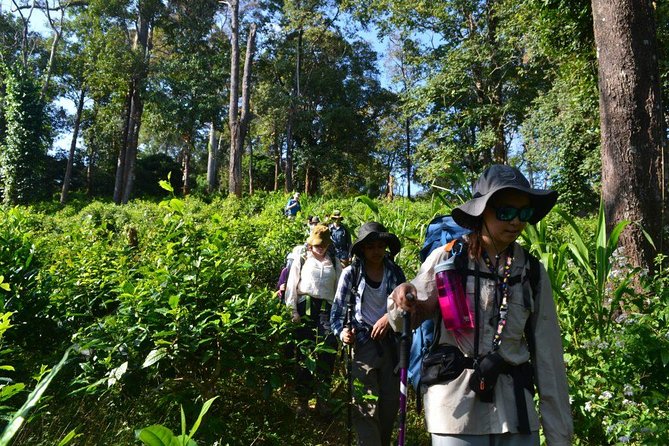
The homestays are valuable because they place you in the villages rather than in a resort built for outsiders. You get a closer look at rural routines, local food, mountain farming, and the sound of village life.
The trade-off is privacy and quiet. Conditions are described as basic but clean. You may have mountain views, simple facilities, and solar-powered electricity, but you should not expect hotel-style amenities or silence after dark.
Pack a small wash kit, quick-drying clothing, and earplugs. Because you carry your own belongings, avoid bringing a large suitcase or heavy camera bag. The 45-liter limit is generous for a three-day trek, but only if you pack like a hiker.
The kit list varies by season and is provided by the operator. Use it. Northern Thailand can feel very different depending on the time of year, and the right clothing matters more than an extra pair of sandals.
Food, guiding, and the human side of the trip
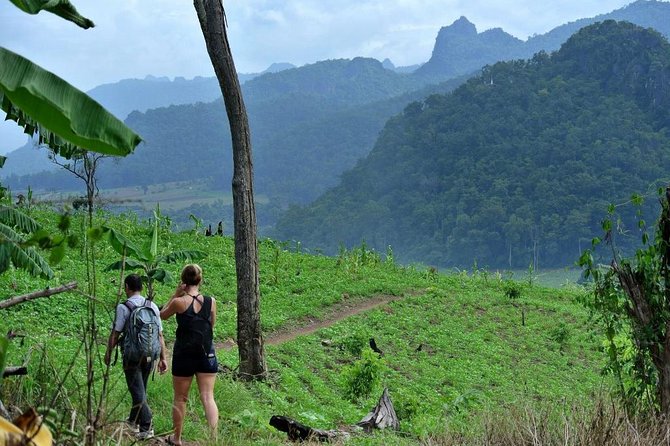
Food is one of the clearest reasons to choose this trek. Breakfast, lunch, and dinner are included for all three days, for a total of two breakfasts, three lunches, and two dinners. Drinks at the homestays and restaurants are extra, as are personal purchases.
The guides often handle the cooking as well as the walking. Tan is praised for preparing very good Thai meals, while Sap is praised for cooking and for explaining local plants. This arrangement gives the meals a personal quality that you will not get from a standard trekking restaurant.
The guides also shape the pace and mood. Tan is described as having decades of experience and a gift for leading groups with different ages and fitness levels. Sap is praised for patience, warmth, and his understanding of the forest. One trip included both Tan and an assistant, which can be useful on a more varied or demanding route.
Do not expect a formal lecture at every stop. The learning comes in short conversations along the way: a plant to taste, an explanation of village life, a note about farming, or a practical decision about the trail. That informal approach suits the setting.
Is $256 a good price?
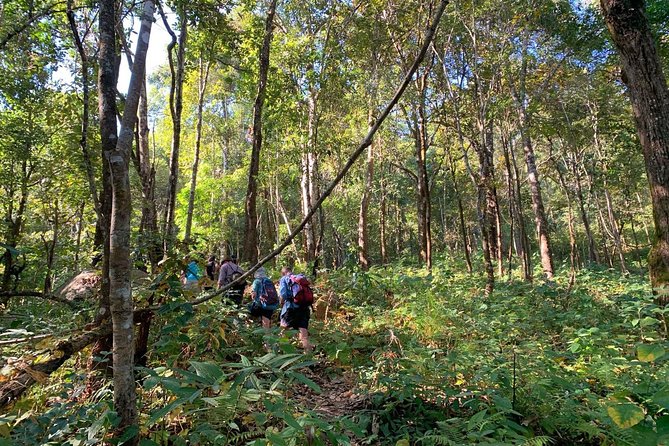
At $256, this is not the cheapest way to see northern Thailand. It is also not simply a three-day hike. The cost covers round-trip transport from Chiang Mai, guiding, two nights of homestay accommodation, and nine meals.
The small group improves the value. The advertised group size is usually no more than 10 people, though the additional tour information gives a maximum of 12. Ask for the confirmed group size if that matters to you. A smaller group generally means more time for questions, easier pacing, and less crowding in a village home.
You are also paying for access to a route far from the usual tourist circuit. There are no elephant attractions listed, and the focus stays on walking, forest, villages, food, and local contact. If you want three active days with a strong cultural element, the price is reasonable.
The value falls if you want a relaxed holiday. A large share of the trip is physical effort, and the accommodation is simple. You will need to buy your own drinks and cover personal spending, so budget a little extra.
Who should book this Chiang Dao trek?
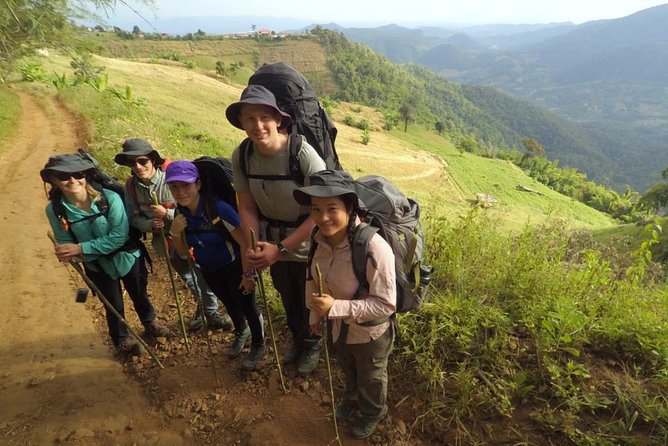
I would recommend it to you if you enjoy long walks, basic accommodation, and trips where the guide’s local knowledge matters as much as the scenery. It suits people with moderate fitness who can manage five to six hours of hiking and are willing to handle steep, uneven routes.
It can also work for older hikers who are fit and used to mountain walking. One mixed-age group, including people in their early 60s, completed the route successfully with careful pacing. That does not make the hike easy. It shows that age matters less than preparation and honest self-assessment.
Children under 10 are not recommended unless they are already used to several hours of hiking. Families should think carefully about the steep sections, the long second day, and the basic homestays.
This is not the right choice if you need a fixed walking schedule, quiet nights, private rooms, or resort comforts. It is also a poor fit if you dislike carrying a backpack or find downhill walking difficult.
Practical preparation for three days in the mountains
Wear proper hiking boots or sturdy running shoes with good grip. Clothing should be suitable for outdoor use and the season. Bring only what fits comfortably in the 45-liter pack you will carry.
Useful items include earplugs, a refillable water container, personal toiletries, a light change of clothes, and any medication you need. Drinks are not included, so plan for those purchases along the way.
Tell the operator about vegetarian meals when you reserve. Confirmation is sent within 48 hours, subject to availability, so check that your booking is confirmed before making tight plans around the trek.
Pickup is offered from Chiang Mai city within the second ring road radius. Because the listed meeting point and pickup time are not perfectly identical, confirm the final arrangements directly before the morning of departure.
The tour depends on good weather and a minimum number of participants. If poor weather or low enrollment cancels the trip, you are offered another date, another experience, or a full refund. For your own cancellation, a full refund requires cancellation at least three full days before the local start time.
Should you book it?
Book this trek if you want a real physical challenge with village stays, local meals, and a guide-led look at northern Thai mountain life. The strongest reasons are the forest routes, the excellent cooking, and the chance to spend nights in communities rather than returning to Chiang Mai every evening.
Skip it if you want easy walking or quiet accommodation. The second day can be long, trails may be rough or overgrown, and the second homestay may be noisy.
For the right person, this is a strong three-day choice. Pack light, bring earplugs, prepare your legs for hills, and confirm the pickup details. If Tan or Sap is leading your group, expect the guide to be a big part of what makes the trip memorable.
FAQ
Where does the Chiang Dao Mountain Trek begin?
The tour begins with pickup from accommodation in Chiang Mai city within the second ring road radius. The listed meeting point is Le Dta’ Wan Food Market in Chang Khlan, Chiang Mai.
What time does the tour start?
Pickup is listed at about 8:30 a.m. The meeting point information lists a 9 a.m. start, so confirm the exact time for your booking.
How long is the trek each day?
Walking times vary by day and route. Day one is around four hours, day two can be a long and challenging day, and day three includes about three hours of descent to the Maetang River valley.
How fit do I need to be?
You should have moderate physical fitness and be able to hike for five to six hours over undulating terrain. The route includes steep climbs and descents.
Is the trek suitable for children?
The trek is not suitable for children under 10 unless they are used to hiking for several hours.
What meals are included?
The tour includes two breakfasts, three lunches, and two dinners. Beverages at homestays and restaurants are not included.
Can I request vegetarian meals?
Yes. Vegetarian meals must be arranged in advance, so state this when making your reservation.
What should I bring?
You should wear outdoor clothing and hiking boots or sturdy runners. Personal belongings must fit into a 45-liter backpack, which you carry during the trek. A seasonal kit list is provided.
What are the homestays like?
The homestays are basic but clean and located in mountain villages. Some have solar-powered electricity. Village sounds such as dogs and roosters may make the second night noisy.
How many people can join the tour?
The tour is designed as a small-group experience, generally with a maximum of 10 people. The additional tour information gives a maximum of 12 participants, so confirm the group size when booking.
Just added around Chiang Mai
- Chiang Mai: Chiang Rai White, Blue & Black Temples Day Tour★ 4.2 · 16 reviews
- Chiang Mai Adventure ATV Secret Waterfall and Bamboo Rafting★ 5.0 · 16 reviews
- Inthanon Small-Group with Kew Mae Pan Trail from Chiang Mai include Lunch★ 4.5 · 16 reviews
- 2-Day Best of Chiang Rai from Chiang Mai Private Package★ 4.5 · 16 reviews
- Doi Inthanon Discovery Tour: Waterfalls, Villages & Highest Peak★ 3.5 · 16 reviews
- Private-Tour Doi Suthep Temple and Khun Chang Kien Village Half-Day★ 4.5 · 16 reviews
- Chiang Mai Iconic Temples and City Tour★ 4.5 · 17 reviews
- Fantastic! Famous Doi Inthanon National park tour with 2hr trekking★ 4.5 · 17 reviews
Hiking & Trekking, compared.
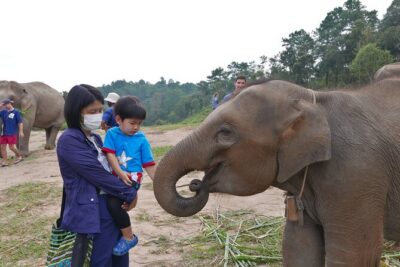
3-in-1: Doi Inthanon Tour, Elephant Sanctuary, and Trekking Trail
Read our review →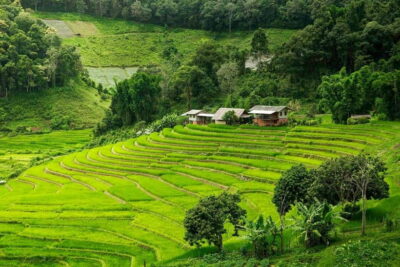
Doi Inthanon Trip with Pha Dok Siew Guided Trek
Read our review →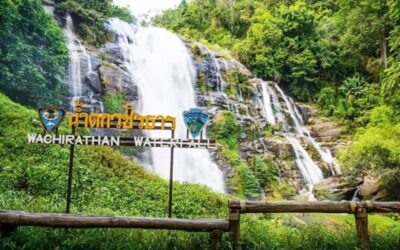
Doi Inthanon Park with Kew Mae Pan Hike Day Trip
Read our review →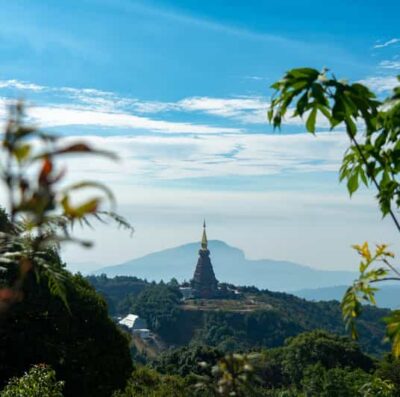
Doi Inthanon Private Tour with Trek & Lunch from Chiang Mai
Read our review →
Doi Inthanon National Park and Pha Dok Siew Trek
Read our review →Browse the lists this tour appears in