Reviewed · BANGKOK TOURS
Bangkok: Jim Thompson House and Baan Krua Community Tour
Silk gives this Bangkok outing its thread. I like the Jim Thompson House for its unusual six-house design, and I like the walk through Baan Krua, where silk weaving still survives beside the canal. The combination gives you polished museum culture and a more local neighborhood in one morning.
I also like the ease of the plan: an English-speaking guide and air-conditioned car collect you from a central Bangkok hotel. The main drawback is that Baan Krua has become a much smaller silk-making center, with only two looms still operating, so the community visit may feel quieter than expected.
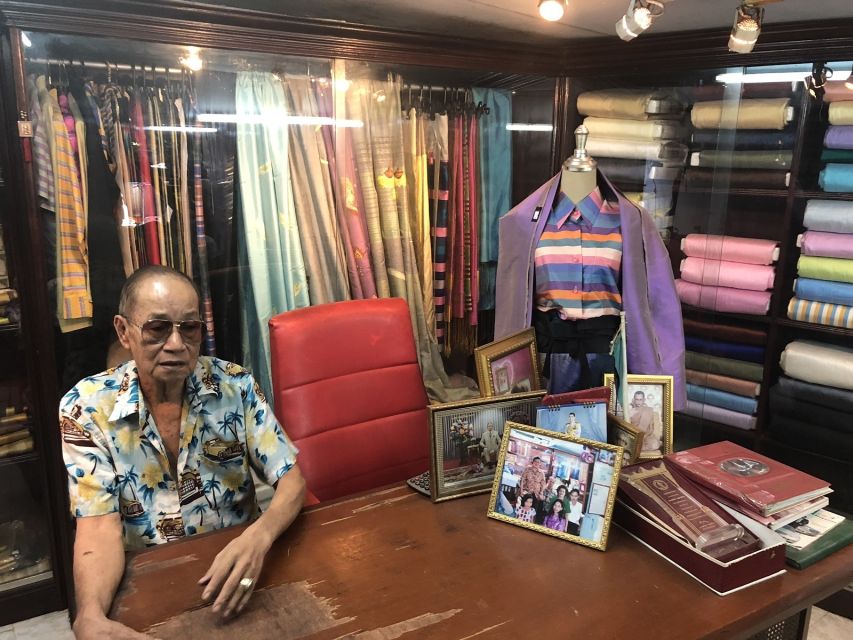
The guides can add real value. Tum Tum has been praised for explaining both Jim Thompson and silk production, while a guide whose name is pronounced Kiwi has been noted for answering questions and adding useful shopping advice. At $55 per person, this is best for you if you want context and transport, not just a quick museum ticket.
In This Review
- Key points to know before booking
- Why the Jim Thompson story works so well in Bangkok
- Entering the six-house Jim Thompson complex
- From a famous house to Baan Krua Nhua
- Meeting Uncle Aood’s silk-making family
- What the four-hour schedule feels like
- Is $55 per person good value?
- Who will enjoy this Bangkok outing most?
- Practical advice for making the most of it
- Should you book the Jim Thompson and Baan Krua tour?
- FAQ
- How long does the Jim Thompson House and Baan Krua tour last?
- What time does the tour usually begin?
- Is hotel pickup included?
- What type of transport is provided?
- Is the Jim Thompson House entrance fee included?
- What languages are available?
- Is lunch included?
- Can I buy silk during the Baan Krua visit?
- Who is Uncle Aood?
- Can I cancel the booking for a full refund?
Key points to know before booking
- Six traditional Thai teak houses: The Jim Thompson House was completed in 1959 from structures brought together from several parts of Thailand.
- A canal-side Cham community: Baan Krua Nhua sits along Klong Saen Saeb and has long been home to Cham fishermen and silk weavers.
- Jim Thompson’s silk connection: His support helped bring Baan Krua silk to a worldwide market through his company.
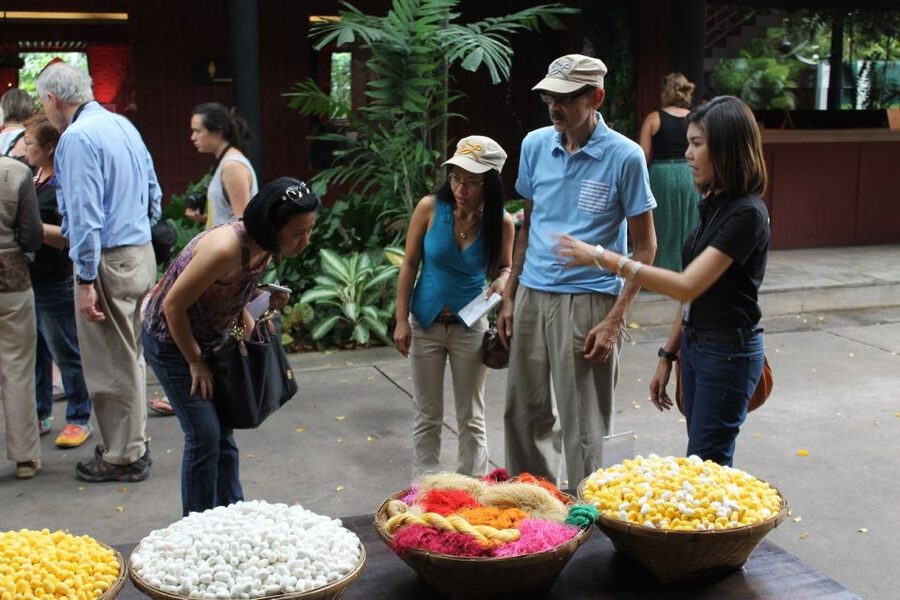
- A visit to Uncle Aood’s home: This is the last family in the community still making silk for a living.
- Private hotel transfers included: Pickup and return are provided for hotels in central Bangkok, with an air-conditioned car.
- A four-hour morning outing: The tour usually begins around 8:30 AM and does not include lunch.
Why the Jim Thompson story works so well in Bangkok
Bangkok can sometimes feel like a city of grand temples, busy roads, and shopping centers. This outing gives you a different angle. It connects a famous foreign resident, a Thai architectural collection, and a working community whose craft helped make his name.
Jim Thompson was an American who became fascinated by Thai silk. He supported the weavers of Baan Krua and bought their work for his company. The Jim Thompson brand later became famous around the world, but the useful part of this tour is seeing the connection at its source.
The story also has a mystery attached to it. Thompson disappeared in 1967, and little has changed inside the home since then. Your guide and the museum guide handle the details, but the house itself does much of the talking. It feels like a preserved private residence rather than a grand royal complex.
I would not book this tour only because of the Jim Thompson name. I would book it because the two stops answer different questions. The house shows how Thompson lived and collected. Baan Krua shows the people and craft behind the silk that shaped his career.
Other Bangkok trips people book alongside this one:
- Bangkok: Damnoen Saduak Market and Maeklong Railway Market
★ 4.5 · 26,723 reviews - The Old Siam: Damnoen Saduak and Maeklong Railway Market
★ 4.5 · 10,992 reviews - From Bangkok: Ayutthaya Temples Guided Tour with Lunch
★ 4.7 · 10,535 reviews
Entering the six-house Jim Thompson complex
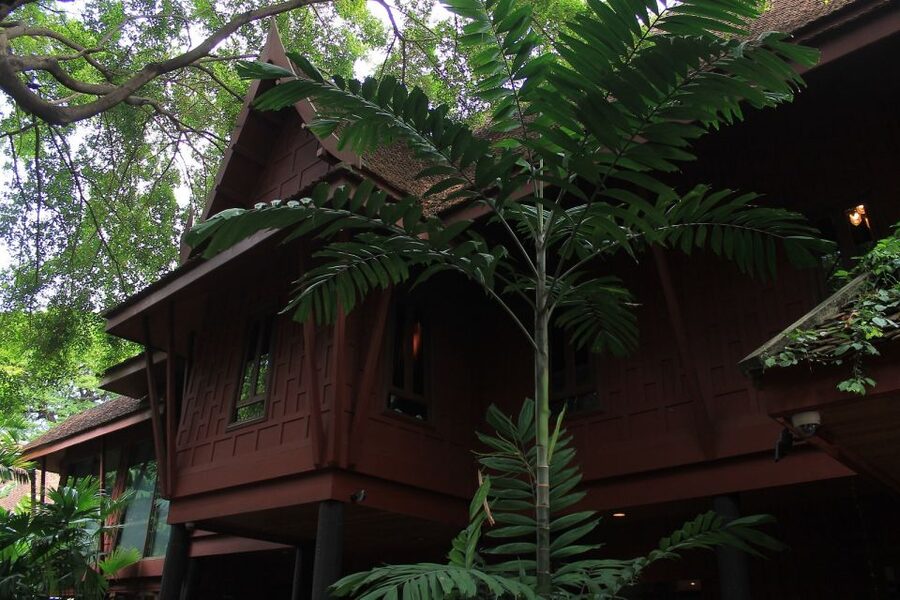
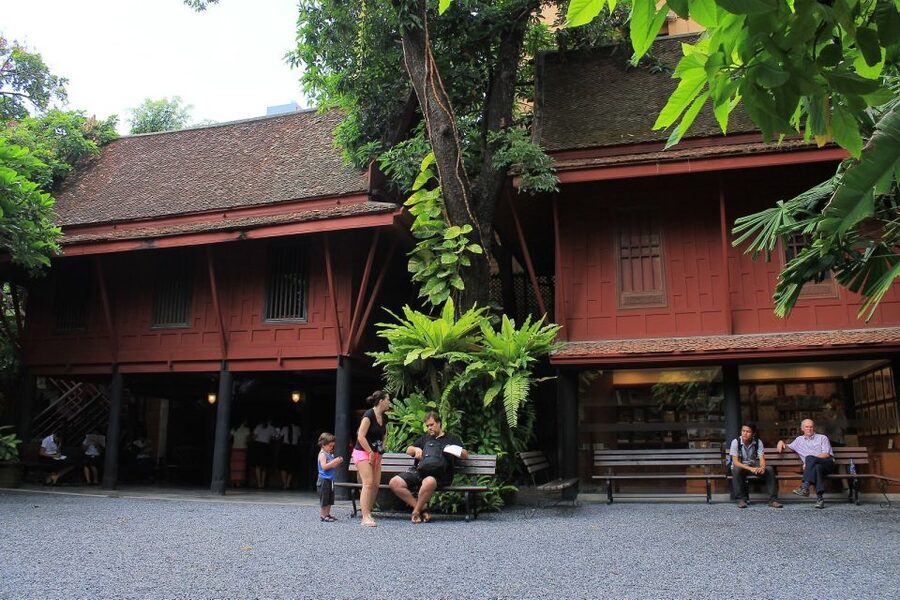
The Jim Thompson House is not one ordinary Thai house. It is a complex of six traditional Thai-style houses, built mainly from teak and brought from several regions of Thailand. Construction was completed in 1959.
That arrangement is the first thing to notice. Instead of walking through a modern museum with large halls and display cases, you move through linked traditional structures with their own proportions and character. The design reflects Thompson’s interest in Thai architecture and his skill in creating a home that also worked as a social setting.
The house became one of Bangkok’s best-known social centers. Since Thompson disappeared, the interior has changed very little. That gives the visit a personal quality. You are not simply looking at old objects in a display room. You are seeing the setting of a home that had a strong role in the city’s cultural life.
Your tour guide provides background before you enter. Inside, a Jim Thompson House guide escorts you through the different sections. This division matters because the museum’s own guide can explain the house and its collection while your accompanying guide helps connect the visit to the rest of the morning.
You should expect the house tour to be structured rather than free wandering. That can be a benefit if you want the main story without spending time figuring out the route. It also means you may have less freedom to pause wherever you like.
One useful point comes through clearly: you could visit the house on your own. The museum itself has guides and an established tour. The added value of this booking comes later, when your guide takes you beyond the famous residence and into Baan Krua.
From a famous house to Baan Krua Nhua
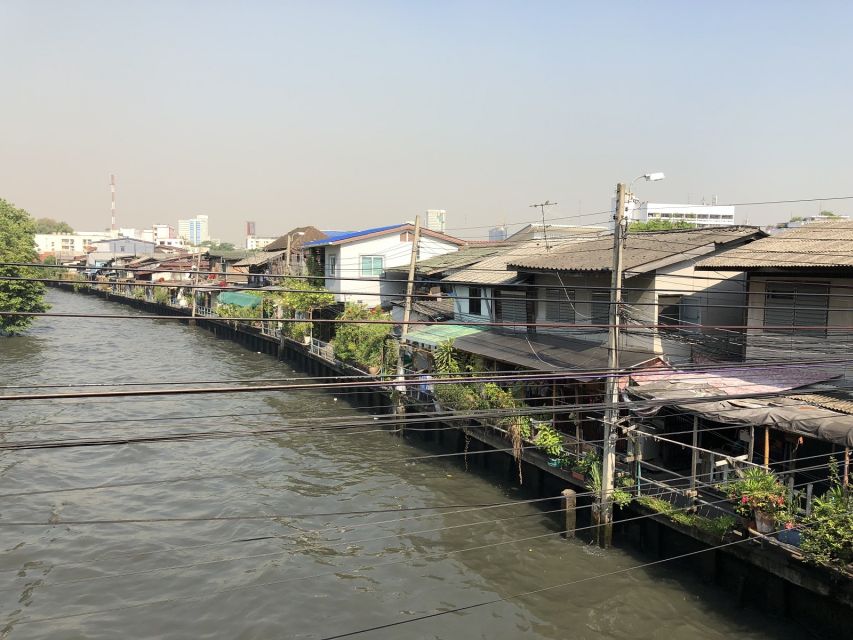
After the museum, your guide takes you to Baan Krua Nhua, a community beside Klong Saen Saeb. This is where the morning changes tone. The Jim Thompson House is carefully preserved and designed for visitors. Baan Krua is a living neighborhood.
The community has been associated with Cham people since the reign of King Rama I. The Cham residents traditionally worked as fishermen and silk weavers. That background gives the canal-side walk a purpose. You are not simply passing through a colorful Bangkok neighborhood. You are seeing the setting where the silk story began.
I like this part because it puts a human face on a brand that is now known around the world. The name Jim Thompson can sound like a luxury label disconnected from daily life. In Baan Krua, the connection becomes more direct. Local skill, family work, and a canal-side community helped supply the quality silk that Thompson promoted.
Your guide’s role matters here. A good explanation can help you notice how the neighborhood relates to the river, the homes, and the craft. Tum Tum has received especially warm praise for explaining the history of Jim Thompson’s area and the silk-making process. Another guide, known by the pronunciation Kiwi, has been praised for taking time with questions and suggesting suitable shopping places.
Still, keep your expectations realistic. Baan Krua is no longer a large village filled with active looms. One account of the visit found only two looms still making silk, with other production handled in a factory elsewhere. That does not make the stop pointless, but it does make it more intimate and less like a full production demonstration.
Meeting Uncle Aood’s silk-making family
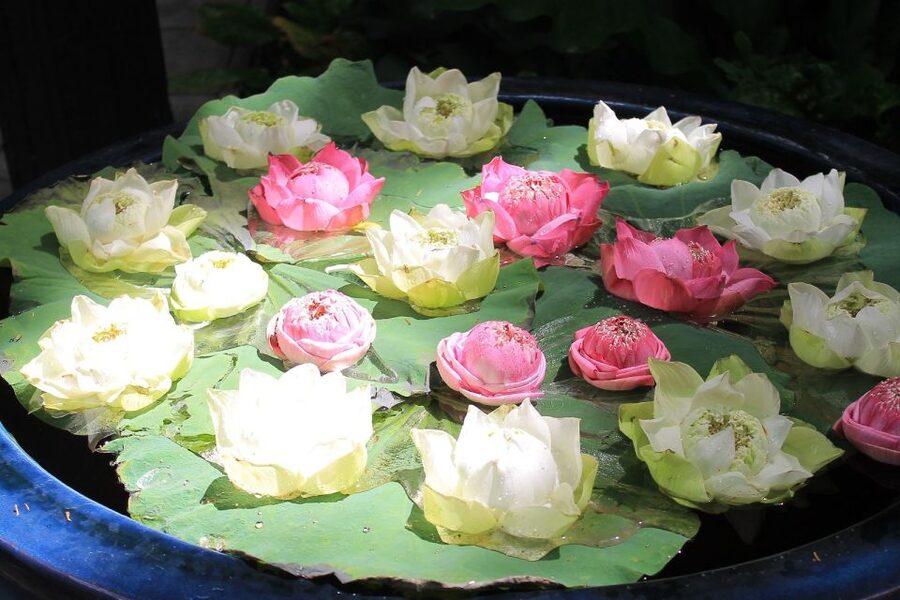
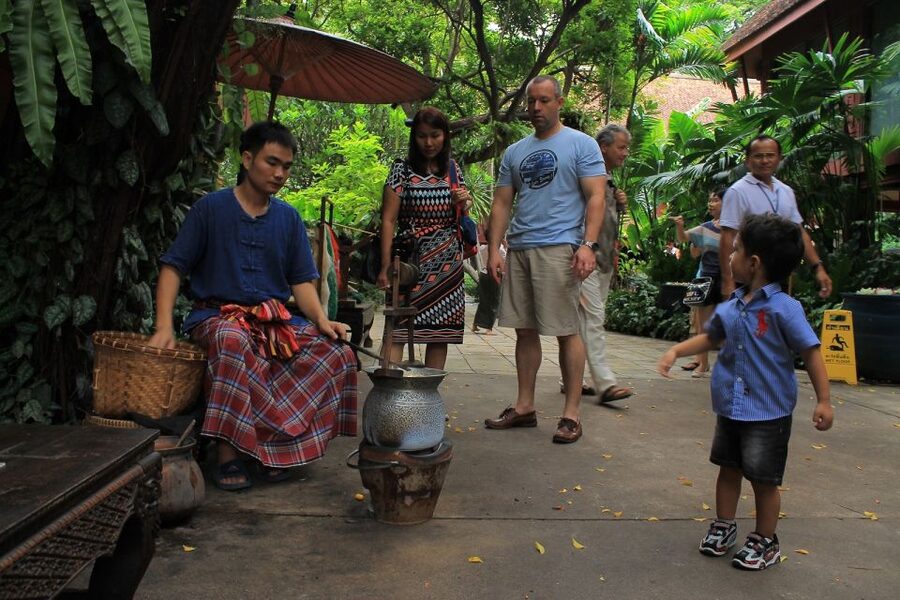
The visit to Uncle Aood’s house is the most direct part of the silk story. This is described as the last family in Baan Krua still continuing the silk business for a living today.
That detail gives the stop weight. You are not being shown a craft that exists only for tourism. You are meeting a family connected to an old local trade that is now under pressure. The silk is valued for its texture, color, and durability, and the family continues to keep the work going.
The scale may be modest. You might see only a small amount of active production rather than a large workshop. For some people, that will feel authentic and personal. For others, it may seem less exciting than expected, especially if you imagined a whole village operating handlooms.
You will have the chance to buy silk products directly from the original community. This can be a meaningful purchase because your money goes closer to the makers than it would in a department store. At the same time, use ordinary shopping judgment. One visitor felt that a couple of ties were sold at inflated prices and believed the guide took a cut from the loom owner.
I would not treat that account as a reason to reject the entire visit, but I would treat it as a reason to ask the price clearly before buying. Compare the quality, ask what is hand-made, and buy only what you genuinely want. Supporting a small family business is worthwhile, but you should still feel comfortable with the transaction.
Something different for another day:
- Bangkok: Train Market & Floating Market with Boat Ride
★ 4.7 · 9,547 reviews - Bangkok Canal Tour: 2-Hour Longtail Boat Ride
★ 4.5 · 5,909 reviews - Bangkok: Muay Thai Boxing Tickets at Rajadamnern Stadium
★ 4.9 · 4,740 reviews - Bangkok: White Orchid Chao Phraya Dinner Cruise free Beer
★ 4.4 · 4,573 reviews
What the four-hour schedule feels like
The stated duration is four hours, with a usual pickup around 8:30 AM. Starting in the morning is sensible in Bangkok. You avoid using your best sightseeing energy on transport and finish with much of the day still available.
Pickup is available from hotels in the central Bangkok area. The round-trip transfer uses an air-conditioned car, which is a real advantage in a city where heat, traffic, and humidity can quickly wear you down. You do not need to arrange separate transport to the museum or work out how to reach the canal community afterward.
The trip is not built around lunch. Lunch is excluded, so plan to eat before pickup or arrange food afterward. Since the tour lasts about four hours, this is easy to manage, but it is worth remembering if you prefer a full-day outing with meals included.
The transport also gives the tour a practical advantage for first-time visitors. The two stops are connected by their subject, but they are not places you would necessarily link together on your own. With a guide and car, the morning feels organized without becoming an all-day commitment.
The exact starting times depend on availability. If you want the early morning slot, check the schedule before you build the rest of your Bangkok day around it.
Is $55 per person good value?
At $55 per person, the price includes hotel pickup and return from central Bangkok hotels, the Jim Thompson House entrance ticket, an English-speaking guide, transport, and taxes and fees. Lunch and personal purchases are not included.
The value depends on how you would otherwise visit the house. If you only want to see the Jim Thompson residence, paying for a guided transfer may be more than you need. The museum tour itself is organized, and you could potentially visit that stop independently.
The price makes more sense if you want the Baan Krua visit as well. That community is the part that is harder to arrange as a casual add-on. You get the transport, the local connection, the background on Cham residents and silk production, and a chance to meet the family still making silk.
I also think the price suits people who prefer a morning with a clear structure. You are not paying only for four hours of movement. You are paying for the link between the house, the brand, and the community. If the guide is as engaged as Tum Tum or Kiwi was described, the explanations can turn two separate stops into one coherent story.
The value is weaker for independent museum visitors who dislike guided pacing or who are mainly looking for a large, active weaving workshop. The Baan Krua stop is small and may not offer a long production demonstration.
Who will enjoy this Bangkok outing most?
I would recommend this tour to you if you enjoy architecture, design, local crafts, and the stories behind famous names. It is also a good choice if you want to see something beyond Bangkok’s best-known temples without giving up comfortable transport.
It suits first-time visitors who want help with the city’s connections. You get a guide, a car, and an itinerary that fits into half a day. Families and older visitors may also appreciate not having to organize separate rides between the museum and the community.
The tour is less suitable if you want a completely independent morning. The house visit follows the museum’s guided format, and the local community visit depends on the pace and explanations of your guide.
It may also disappoint you if you expect Baan Krua to function as a large silk village. The community’s weaving activity has declined. Its value now lies in meeting one continuing silk-making family and understanding what remains, not in watching a whole neighborhood produce fabric.
Practical advice for making the most of it
Ask your guide to explain what is made by hand and what is produced elsewhere. This is especially useful at Baan Krua, where only limited loom work remains. You will have a clearer idea of what you are buying.
If you plan to shop, set a budget before you go. The chance to buy directly from the source is appealing, but you should not feel pressured to purchase. Ask prices before choosing ties or other silk goods, and consider buying one good item rather than several things you do not need.
Keep your morning flexible after the tour. Traffic can affect the return time, and the activity is scheduled for four hours rather than a precise door-to-door timetable. Your hotel needs to be in central Bangkok for the included pickup.
The two guides praised by name offer a useful clue about what to look for. Tum Tum is noted for explaining silk production and the Jim Thompson area, while the guide pronounced Kiwi is noted for answering questions and helping with shopping choices. A guide who listens can make the Baan Krua walk far more worthwhile.
Free cancellation is available up to 24 hours before the activity for a full refund, and you can reserve now and pay later. Those terms help if your Bangkok plans are still moving around.
Should you book the Jim Thompson and Baan Krua tour?
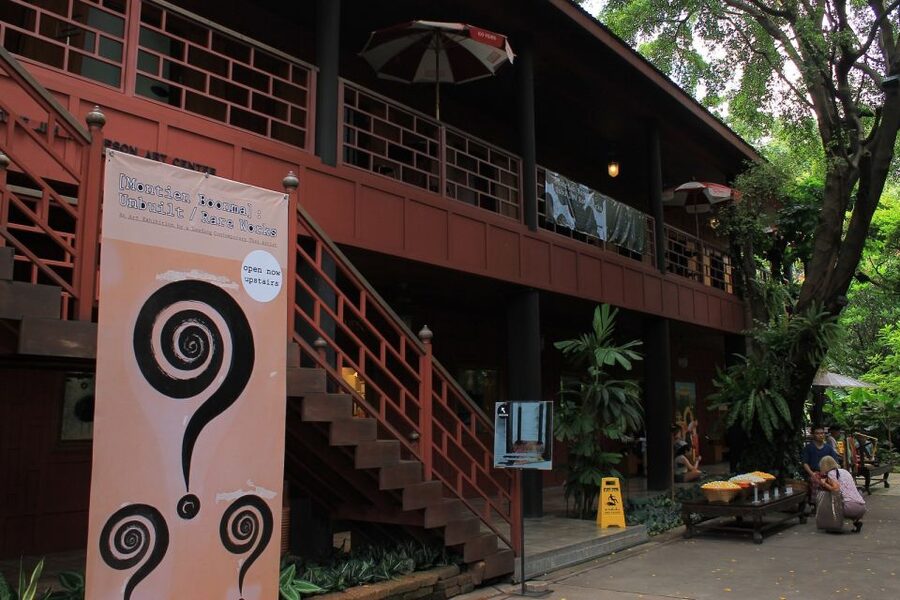
Book it if you want the story behind the silk, not just a museum visit. The Jim Thompson House is the polished centerpiece, but Baan Krua gives the outing its local purpose. You see the architecture, learn why the silk mattered, and meet the last family in the community still keeping the work alive.
Skip it if you only want the house and prefer to arrange museum visits yourself. You should also think twice if your main goal is a large-scale weaving demonstration, because Baan Krua now has very limited loom production.
For most visitors with a morning to spare, I think the $55 price is fair when the transfer and guiding are useful to you. Just arrive with realistic expectations, ask sensible questions before buying silk, and treat the community visit as a small surviving craft tradition rather than a full village factory.
FAQ
How long does the Jim Thompson House and Baan Krua tour last?
The activity lasts about four hours.
What time does the tour usually begin?
Pickup is around 8:30 AM, but you should check availability for the exact starting time.
Is hotel pickup included?
Yes. Pickup and return are included for hotels in the central Bangkok area.
What type of transport is provided?
The tour includes private round-trip transfers in an air-conditioned car.
Is the Jim Thompson House entrance fee included?
Yes. The entrance ticket to Jim Thompson House is included.
What languages are available?
The live tour guide is available in English and Thai.
Is lunch included?
No. Lunch is not included, so you should plan to eat before or after the tour.
Can I buy silk during the Baan Krua visit?
Yes. You have the opportunity to buy silk products directly from the family visited in the community.
Who is Uncle Aood?
Uncle Aood is associated with the last family in the Baan Krua community still continuing the silk business for a living.
Can I cancel the booking for a full refund?
Yes. You can cancel up to 24 hours in advance for a full refund.
Just added around Bangkok
- Kanchanaburi World War 2 Private Charter Pathway of the Past Tour★ 4.5 · 16 reviews
- 2-hour Bangkok Old City Night CHOB TUK TUK + Talat Noi Street Art★ 5.0 · 16 reviews
- Khao Yai National Park Hiking Day Tour: Haew Narok and Haew Suwat★ 5.0 · 16 reviews
- Floating Market with Great Pagoda Temple and Wat Sam Phran★ 5.0 · 16 reviews
- Shangri-La Hotel’s Salathip Thai Restaurant Experience★ 4.5 · 16 reviews
- Private Transfer Bangkok – Koh Kood Island★ 4.0 · 16 reviews
- Private Half-Day Bangkok Tour Explore Grand Palace and Wat Pho★ 4.5 · 16 reviews
- The Best Bangkok Temples★ 4.0 · 16 reviews
Bangkok Tours, compared.
Damnoen Saduak Market and Maeklong Railway Market
Read our review →
The Old Siam: Damnoen Saduak and Maeklong Railway Market
Read our review →
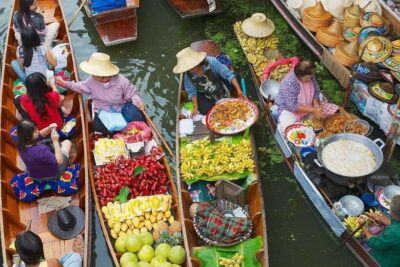
Train Market & Floating Market with Boat Ride
Read our review →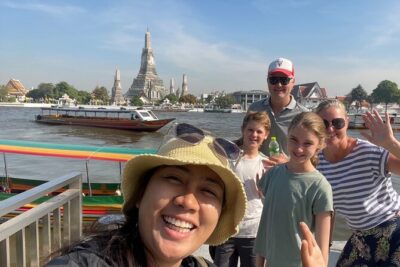
Bangkok Canal Tour: 2-Hour Longtail Boat Ride
Read our review →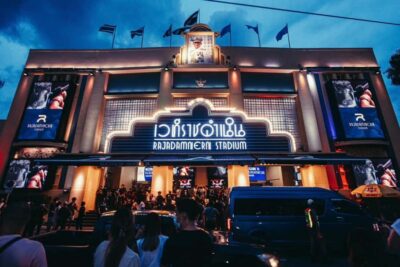
Muay Thai Boxing Tickets at Rajadamnern Stadium
Read our review →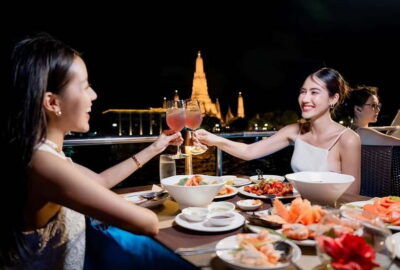
White Orchid Chao Phraya Dinner Cruise free Beer
Read our review →