Reviewed · BANGKOK TOURS
Bangkok: Must things to see in China town, Small group
Chinatown rewards curious walkers. This 3.5-hour tour pairs narrow lanes, temples, and street art with local food, coffee, and stories about Bangkok’s Thai Chinese community. I like the focus on places you might miss alone, and I like that the price includes a snack, coffee, and local lunch. The main drawback is the walking: about 4 kilometers, with steep stairs at one Chinese temple.
You meet at MRT Hualampong Exit 1, then return to the same point at the end. The route is mostly flat, but the lanes can be crowded and the temple stairs need care. Guide Mee has earned special praise for her serious, enthusiastic approach, while other comments point to friendly guiding, useful history, good food, and sensible rest stops.
In This Review
- Key points about this Chinatown walk
- Starting at Tang Hua Pug Building near Hualampong
- Chinatown through alleys, artwork, and everyday life
- The temple visit and the high view
- Sampeng Market, where the route tightens
- Local snacks, coffee, and a proper Chinatown lunch
- A cafe pause after the crowded lanes
- What the guide adds to the route
- Is $41 good value for 3.5 hours?
- Who should book this walk?
- Should you book the Chinatown tour?
- FAQ
- Where does the Bangkok Chinatown tour start?
- Where does the tour finish?
- How long does the Chinatown walking tour last?
- How far do you walk?
- What food and drinks are included?
- What languages are available?
- What should I wear and bring?
Key points about this Chinatown walk
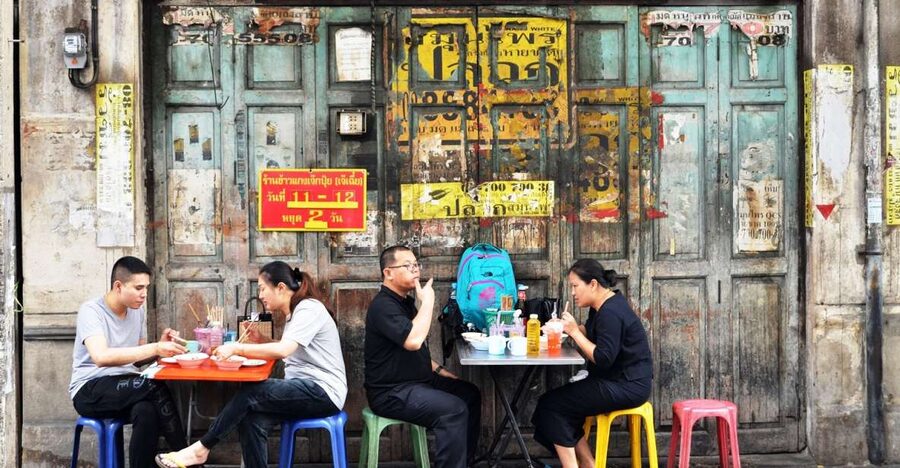
- Four kilometers through lesser-known lanes: You spend most of the tour on foot, moving beyond the main Chinatown streets.
- A Chinese temple with steep stairs: The route includes a temple visit and a higher viewpoint, but you need steady footing.
- Sampeng Market in close quarters: This old open market brings narrow passages, local goods, and plenty of street activity.
- Food is built into the price: You receive a snack, coffee, and a local lunch rather than paying extra for every taste.
- Thai Chinese stories from a live guide: English and Thai guiding connects temples, traditional homes, food, and daily life.
- A good MRT starting point: Hualampong makes the meeting point practical if you are using Bangkok’s rail system.
Starting at Tang Hua Pug Building near Hualampong
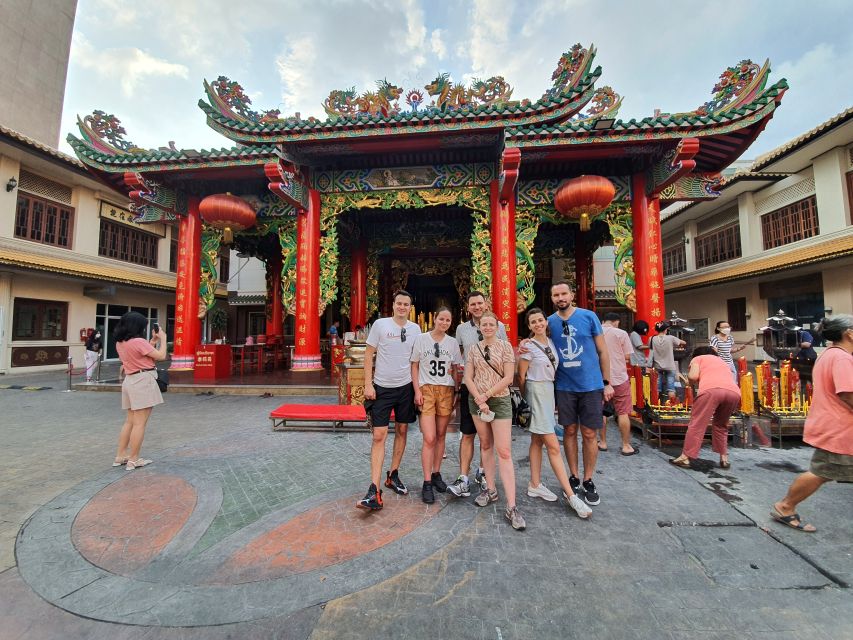
The practical starting point is MRT Hualampong Exit 1. Look for the guide wearing an Eatwalktalktour shirt. This is useful in a busy part of Bangkok, where a precise exit and a recognizable shirt save time and confusion.
The tour begins at the Tang Hua Pug Building. From there, you move into Chinatown on foot rather than spending part of the experience in a van or bus. That matters because the character of this district appears in small details: shopfronts, alleyways, shrines, traditional homes, signs, and the way local commerce fills the street.
You return to the same meeting point after about 3.5 hours. Since hotel pickup and drop-off are not included, plan your route to Hualampong before you arrive. The tour does not leave you across town, which makes the start and finish easier to manage alongside other Bangkok plans.
The exact starting time depends on availability. I would choose a time that leaves you comfortable with the heat, the walking distance, and the meal schedule. Bring water even though drinks are included, since coffee and a local beverage are not the same as carrying water for a four-kilometer walk.
Other Bangkok trips people book alongside this one:
- Bangkok: Damnoen Saduak Market and Maeklong Railway Market
★ 4.5 · 26,723 reviews - The Old Siam: Damnoen Saduak and Maeklong Railway Market
★ 4.5 · 10,992 reviews - From Bangkok: Ayutthaya Temples Guided Tour with Lunch
★ 4.7 · 10,535 reviews
Chinatown through alleys, artwork, and everyday life
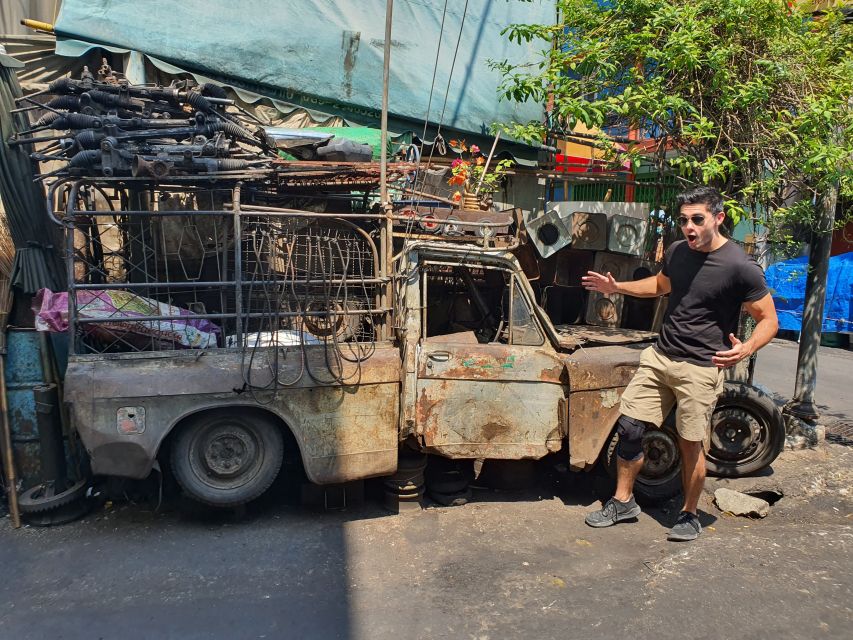
The first strength of this experience is its scale. You are not simply shown the famous Chinatown road and sent on your way. The route moves through narrow alleys and less familiar corners, with stops at more than 15 places around Chinatown.
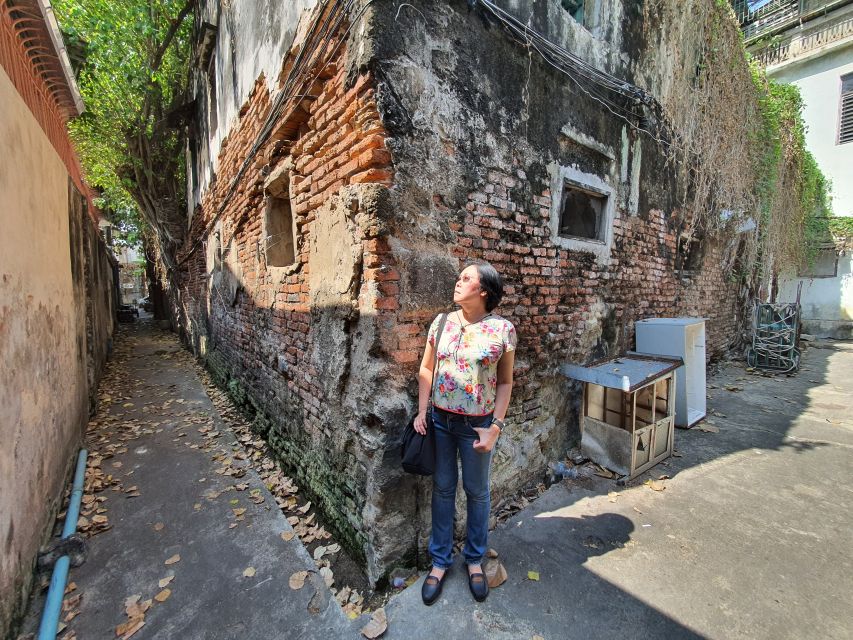
That gives the guide room to explain how Thai Chinese culture appears in daily life. You may see traditional houses, local businesses, temples, street art, and ordinary residential spaces. The value here is the connection between the sights. A temple is not treated as a lone photo stop. It becomes part of a wider story about the people who live, work, worship, and trade in the area.
Conversations with local Chinese community members are also part of the plan. The information does not specify exactly who you will meet or how long each conversation will last, so keep your expectations flexible. Still, the chance to hear directly from people in the neighborhood adds a human element that a self-guided walk may miss.
The street art gives the walk some visual variety. Chinatown is not only old buildings and religious sites. Colorful walls and artwork bring a newer layer to the district, and the guide can help you notice corners that would be easy to pass without stopping.
Wear shoes that are easy to take on and off. Flip-flops are also recommended in the practical information, though shoes with a secure fit may feel better over four kilometers and on stairs. You will be moving through active streets, so comfort matters more than fashion.
The temple visit and the high view
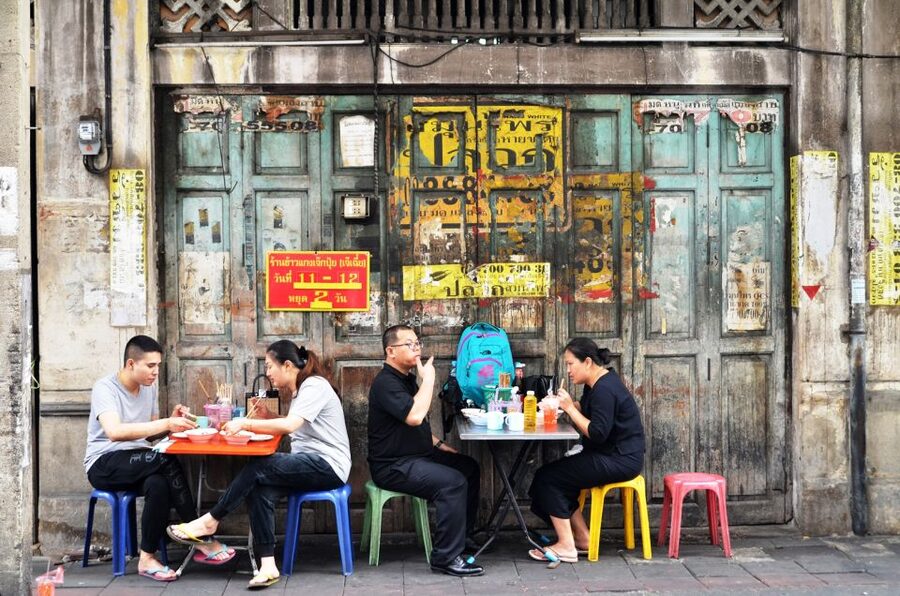
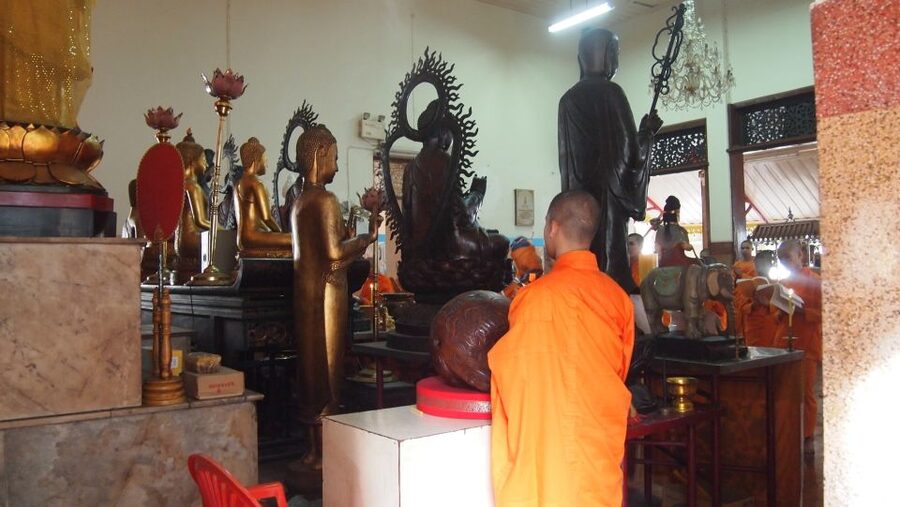
One of the more distinctive stops is a secret temple, described as a lesser-known Chinese temple with steep stairs. This is where the route becomes less effortless. Most of the walk is flat, but the climb requires caution, especially if the steps are narrow or you are wearing loose footwear.
Temple visits require respectful clothing. Do not wear a short skirt or short pants. A light covering that reaches below the knee is a smart choice, especially if you want to avoid having to adjust your outfit during the tour.
The viewpoint gives you a change of pace from the lanes below. After spending time at street level, you get a scenic view over the surrounding area. The experience does not promise a specific skyline or a particular height, so I would treat this as a welcome perspective rather than the main reason to book.
The temple stop is less suitable for anyone who has trouble with stairs. The activity is specifically not recommended for wheelchair users, pregnant women, babies under one year, and people over 95 years old. These limits are not minor footnotes here. The stairs and the walking distance shape the whole experience.
Sampeng Market, where the route tightens
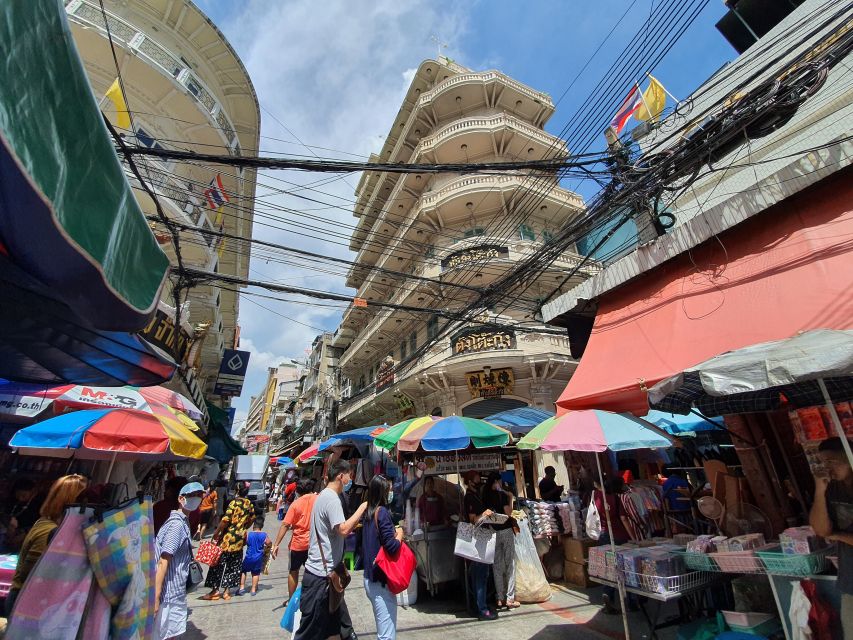
Sampeng Market is one of the tour’s strongest stops for seeing Chinatown as a working district. It is one of Bangkok’s older open markets, set along labyrinthine lanes filled with goods. The route gives you a chance to walk through rather than view it from the edge.
This market can be exciting, but it is not a quiet museum. Narrow passages and active shopping areas mean you should stay close to the group and watch your footing. Keep your bag secure and avoid stopping suddenly in the middle of a lane. Those simple habits make the walk easier for everyone.
The benefit of visiting with a guide is context. A market can look like a blur of merchandise when you walk through alone. A local guide can point out what matters, explain how the market fits into Chinatown, and help you understand why these lanes remain important to local trade.
There is also time for shopping and sightseeing. The tour is not designed as a dedicated shopping trip, so do not expect long browsing time at every stall. Think of Sampeng as one piece of the neighborhood story, with the added pleasure of seeing how goods move through a dense old market.
Something different for another day:
- Bangkok: Train Market & Floating Market with Boat Ride
★ 4.7 · 9,547 reviews - Bangkok Canal Tour: 2-Hour Longtail Boat Ride
★ 4.5 · 5,909 reviews - Bangkok: Muay Thai Boxing Tickets at Rajadamnern Stadium
★ 4.9 · 4,740 reviews - Bangkok: White Orchid Chao Phraya Dinner Cruise free Beer
★ 4.4 · 4,573 reviews
Local snacks, coffee, and a proper Chinatown lunch
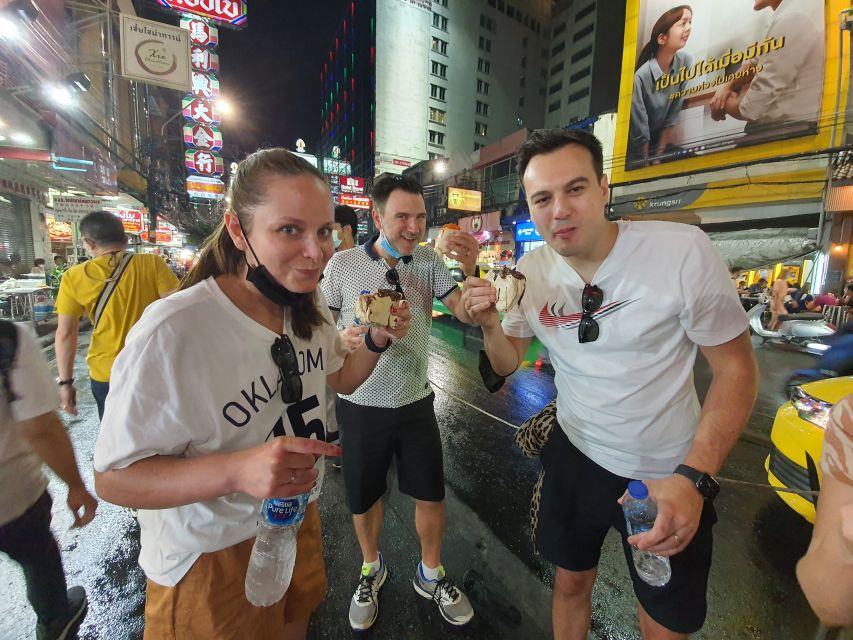
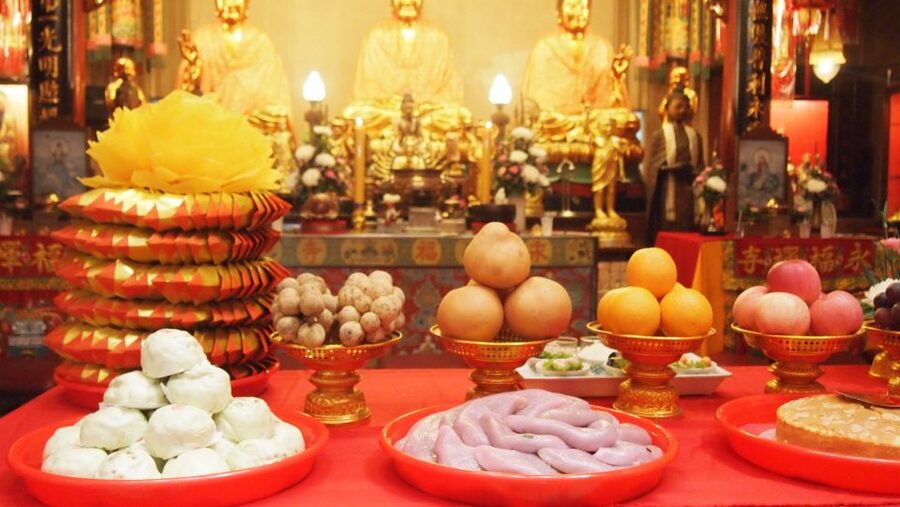
Food is not an afterthought. The package includes a snack, coffee, and local lunch at a renowned local restaurant. That makes the $41 price easier to assess, especially in a city where a walking tour can otherwise include several small extra costs.
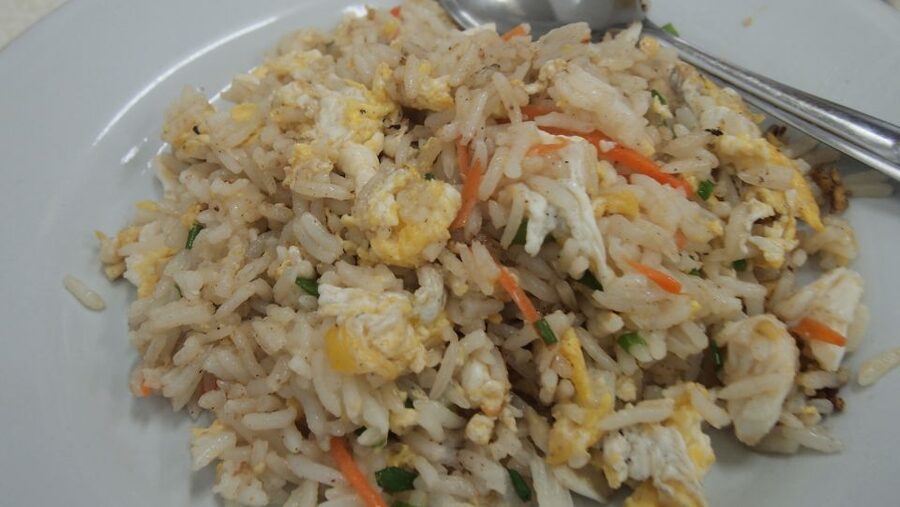
The exact dishes are not specified, so you should not book expecting a particular noodle, dessert, or drink. What you can count on is a chance to taste local food as part of the route. The food component is especially useful if you want an introduction to Chinatown’s culinary culture without planning each stop yourself.
The snack fits naturally into a walking tour. It gives you a small taste while you continue learning about the area. Coffee provides a pause, and the included lunch gives the experience a more substantial break than a quick market sample.
Food preferences and allergies are not detailed in the available information. If you have dietary restrictions, ask the provider before booking. You should also remember that alcoholic drinks are not included.
Several comments highlight the quality of the food and the friendly guiding. That combination matters. A meal is more interesting when you understand something about its place in the neighborhood, rather than treating it as a random stop between landmarks.
A cafe pause after the crowded lanes
The planned cafe stop offers a useful change of rhythm. After streets, alleys, market passages, and temple steps, you can sit down in a trendy cafe with a refreshing beverage.
The cafe is not presented as a major attraction, and that is fine. Its purpose is to give your feet a rest and let you take in a different side of Chinatown. The district is not frozen in the past. Old religious and commercial traditions sit alongside modern cafes, artwork, and newer businesses.
Rest stops were specifically appreciated in the feedback about the tour. That is worth noting because four kilometers in Bangkok can feel longer than the number suggests, especially in warm weather. A guide who allows the group to pause makes the experience more manageable.
From May through September, carry an umbrella because this is Bangkok’s rainy season. Rain may make the narrow lanes slippery, and the temple steps deserve extra care. An umbrella also helps with sun, though the tour information mentions it mainly as rain protection.
What the guide adds to the route
The guide is central to the value of this walk. The activity is available in English and Thai, and the purpose is not simply to lead you from one pin on a map to another. You receive stories about Chinatown’s past and present, explanations of local customs, and a closer look at community life.
Mee is named as one especially strong guide. The description of her style is serious, expert, and enthusiastic, with a focus on authentic corners that are easy to miss. Other feedback also highlights friendly guiding, useful historical context, and good pacing.
I would book this tour if you enjoy asking questions and noticing details. A small group makes that easier than a large sightseeing procession, although the exact group size is not provided. You should still expect to share attention with other people and to keep moving through public spaces.
The best guides make a familiar district feel newly readable. They explain why a lane matters, what a temple represents, or how the Thai Chinese community has shaped the area. That kind of interpretation is the main reason to choose a guided walk instead of following a map on your phone.
Is $41 good value for 3.5 hours?
At $41 per person, this is not the cheapest way to see Chinatown, but it includes more than transportation between sights. You receive a live guide, access to a planned route covering more than 15 places, a snack, coffee, and a local lunch.
The value depends on how much structure you want. If you are happy to wander, eat independently, and research the temples afterward, you can spend less. If you want someone to connect the streets, market, food, artwork, and Thai Chinese culture in one compact outing, the price is easier to justify.
The 3.5-hour duration is also practical. It is long enough for a proper look at the district without taking up an entire day. You still have time afterward for other Bangkok plans, though the walking and lunch mean you should not schedule something immediately if you prefer a relaxed pace.
The free cancellation policy allows a full refund when you cancel at least 24 hours ahead. You can also reserve now and pay later, which helps if your Bangkok schedule is still shifting. These policies are useful, but the real value comes from the included meal and the guide’s local interpretation.
Who should book this walk?
I would recommend it to first-time Bangkok visitors who want more than the main road and neon signs. It also suits returning visitors who have already seen the obvious sights and want a closer look at Chinatown’s lanes, market life, temples, and local food.
Food-focused visitors should find plenty to like, though the dishes are not listed in advance. The tour also fits anyone who prefers a planned route and a live explanation rather than independent wandering.
It is less suitable if you dislike walking, crowded markets, steep steps, or flexible food arrangements. It is also not designed for wheelchair users, pregnant women, babies under one year, or people over 95. If you need an entirely flat route, this is not the right choice because of the temple stairs.
Bring comfortable footwear, modest clothing for the temple, an umbrella during the rainy season, and water. Start at Hualampong with enough time to find Exit 1 and identify the Eatwalktalktour shirt.
Should you book the Chinatown tour?
Book it if you want Chinatown explained through its people, food, temples, market lanes, and everyday streets. The strongest reasons are the local guide, the more than 15 stops, the included lunch and drinks, and the chance to reach corners you might skip alone.
Skip it if you want a short, low-effort sightseeing loop or a precise food itinerary with named dishes. The route is active, the market can feel tight, and the temple stairs are real. For a curious walker who wants context and local contact, $41 is a fair price for a well-filled half-day.
FAQ
Where does the Bangkok Chinatown tour start?
The meeting point is MRT Hualampong Exit 1, near the Tang Hua Pug Building. Look for the guide wearing an Eatwalktalktour shirt.
Where does the tour finish?
The tour ends back at the original meeting point near MRT Hualampong.
How long does the Chinatown walking tour last?
The activity lasts about 3.5 hours. Starting times depend on availability.
How far do you walk?
The total distance is about 4 kilometers, or approximately 2 miles. The route is flat almost everywhere, except for the steep stairs at the Chinese temple.
What food and drinks are included?
The price includes a snack, coffee, and a local lunch. Alcoholic drinks are not included.
What languages are available?
The live guide is available in English and Thai.
What should I wear and bring?
Wear comfortable shoes that are easy to remove, or suitable flip-flops, and avoid short skirts or short pants because you will visit temples. Bring an umbrella from May through September, which is the rainy season.
Just added around Bangkok
- Kanchanaburi World War 2 Private Charter Pathway of the Past Tour★ 4.5 · 16 reviews
- 2-hour Bangkok Old City Night CHOB TUK TUK + Talat Noi Street Art★ 5.0 · 16 reviews
- Floating Market with Great Pagoda Temple and Wat Sam Phran★ 5.0 · 16 reviews
- Khao Yai National Park Hiking Day Tour: Haew Narok and Haew Suwat★ 5.0 · 16 reviews
- Shangri-La Hotel’s Salathip Thai Restaurant Experience★ 4.5 · 16 reviews
- Private Transfer Bangkok – Koh Kood Island★ 4.0 · 16 reviews
- Private Half-Day Bangkok Tour Explore Grand Palace and Wat Pho★ 4.5 · 16 reviews
- The Best Bangkok Temples★ 4.0 · 16 reviews
Bangkok Tours, compared.
Damnoen Saduak Market and Maeklong Railway Market
Read our review →
The Old Siam: Damnoen Saduak and Maeklong Railway Market
Read our review →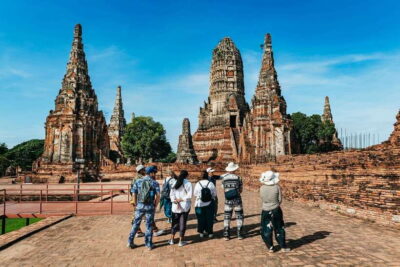
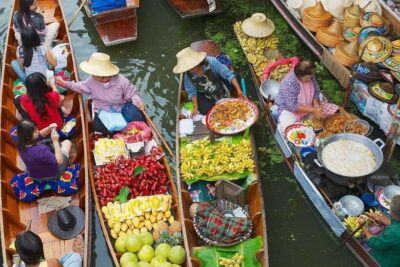
Train Market & Floating Market with Boat Ride
Read our review →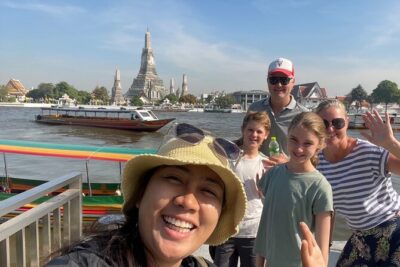
Bangkok Canal Tour: 2-Hour Longtail Boat Ride
Read our review →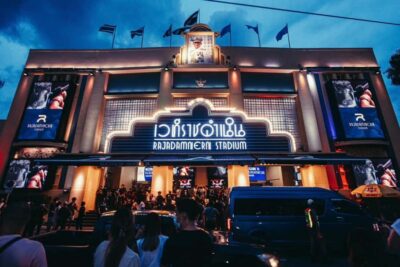
Muay Thai Boxing Tickets at Rajadamnern Stadium
Read our review →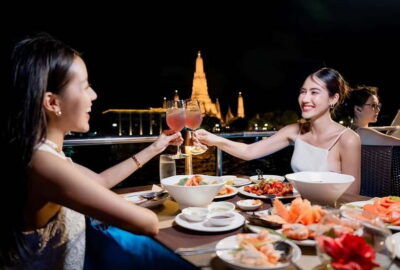
White Orchid Chao Phraya Dinner Cruise free Beer
Read our review →