

Reviewed · ELEPHANT SANCTUARY VISITS
Chiang Mai: Elephant Sanctuary Feeding Program Half-Day Tour
Elephant trunks make excellent tour guides. This five-hour outing south of Chiang Mai brings you close to elephants in a forest setting, with time to feed them, prepare herbal treats, and watch their natural behavior. I especially like the small-group feel and the chance to meet elephants as individuals, not as props for a show. The main tradeoff is the long drive from Chiang Mai and a fair amount of walking once you arrive.
I also like the tour’s clear limits: no riding, no forced bathing, and no staged tricks. Guides such as Pat, Toto, Jackie, Tuto, and King Kong are praised for making the visit both fun and informative. Just remember that river bathing depends on the elephants’ choice, so the water portion can change without warning.
In This Review
- Key points to know before you go
- The road south from Chiang Mai
- Meeting the elephants and the people who care for them
- Feeding time with Napier grass, bananas, and sugarcane
- A nature walk through the sanctuary
- River time, swimming, and the important ethical limit
- What the $27 price really buys you
- Who will enjoy this half-day visit
- How ethical is the experience?
- Timing, weather, and practical planning
- FAQ
- How long does the elephant sanctuary tour last?
- Is hotel pickup included?
- What languages are available?
- Can I ride the elephants?
- Will I definitely bathe with the elephants?
- What should I bring?
- Is the tour suitable for wheelchair users?
- Can I cancel for a refund?
- Should you book the Pon Elephant half-day tour?
Key points to know before you go
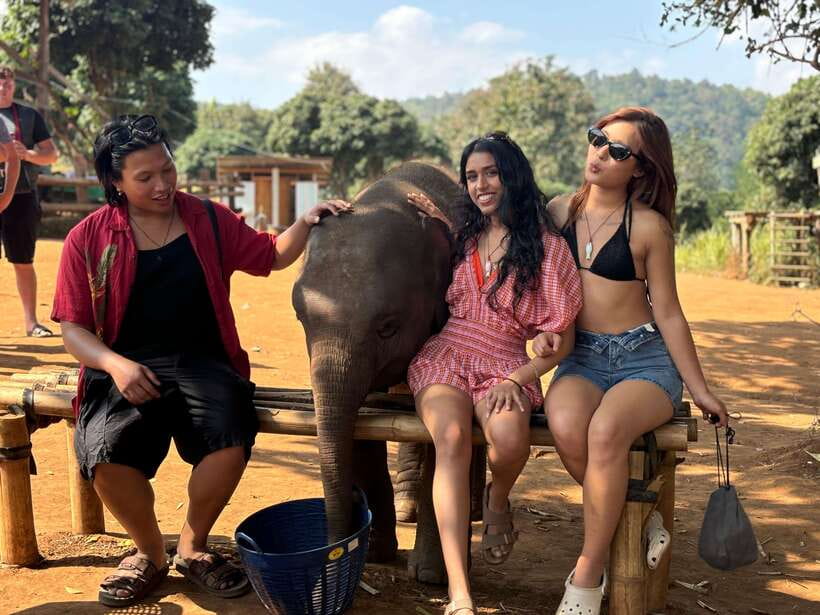
- The drive takes about one to one and a half hours each way: You travel south through hills, forest, and local farms to Pon Elephant Thailand near Mae Wang.
- You visit four activity stations: Feeding, learning, preparing food, and river time keep the half-day moving.
- The elephants are not forced to bathe: You may splash and wash them in the river, but their decision comes first.
- The setting feels open and natural: The elephants have a large area to roam, including more than 60 acres according to the tour information.
- The price is unusually low for a close encounter: At $27 per person without optional transport, it offers strong value if your main goal is time with elephants.
- You need to be ready for mud, insects, and walking: Bring dry clothes, beachwear, biodegradable repellent, and shoes suitable for uneven ground.
The road south from Chiang Mai
The outing begins with pickup if you select that option. Be in your hotel lobby 5 to 10 minutes before the arranged time, since the driver waits only about five minutes after pickup time. Meeting points vary, so check the exact option you book.
The trip south of Mae Wang is part of the experience, not just a transfer. You pass hills, forest, and working farms before reaching Pon Elephant Thailand. The drive is described as taking around an hour to an hour and a half, depending on your pickup point and road conditions. That matters if you have an afternoon flight or another appointment.
The vehicles receive especially strong marks for being clean, comfortable, and spacious. One useful detail comes from a half-day visitor who needed to reach the airport later: the team helped arrange a direct airport transfer afterward. Do not treat that as a guaranteed service, but it is worth asking about when you book.
The ride can feel long for a five-hour outing, especially if you are tired or have mobility issues. On the other hand, it gives you a look at rural Chiang Mai and allows the sanctuary portion to take place away from the city’s crowded attractions.
More Elephant Tours in Chiang Mai
- Chiang Mai: Elephant Sanctuary, Waterfall & Bamboo Rafting
★ 4.9 · 9,160 reviews - Chiang Mai: Elephant Sanctuary & Waterfall Group Tour
★ 4.9 · 5,780 reviews - Chiang Mai: Elephant Sanctuary, Long Neck & Sticky Waterfall
★ 4.9 · 2,262 reviews
Meeting the elephants and the people who care for them
At the sanctuary, you meet the team and receive a briefing before approaching the elephants. The introduction covers elephant behavior, habits, habitat, history, and basic safety. This short lesson matters because a large elephant can be gentle and unpredictable at the same time.
The guides explain how to behave around the animals and how the sanctuary works with nearby hill-tribe communities. The project connects elephant care with protection of the community forest, giving local families a role in maintaining the area over time.
Several guides are singled out for their personal style. Pat is praised for clear explanations and a good sense of humor. Toto and Tuto are noted for making the facts easy to follow, while Jackie is described as friendly, entertaining, and strong in English. King Kong, Pan, Saki, Oom, and Lek also receive warm praise.
You may not have one guide beside you every minute. The experience can be organized around four stations, each with its own person explaining the activity. That arrangement works well because you get focused attention at each stop, though anyone expecting a traditional guide-led walking tour should know the format is a little different.
Feeding time with Napier grass, bananas, and sugarcane
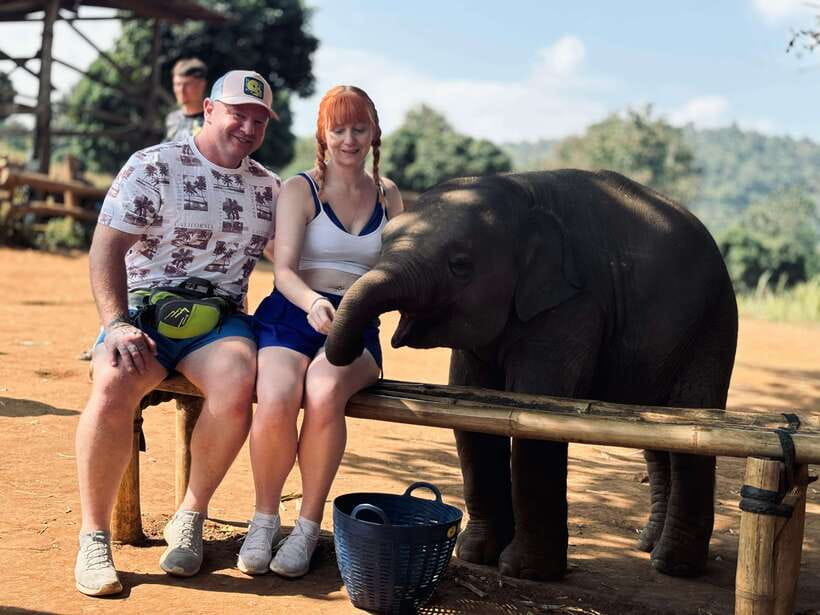
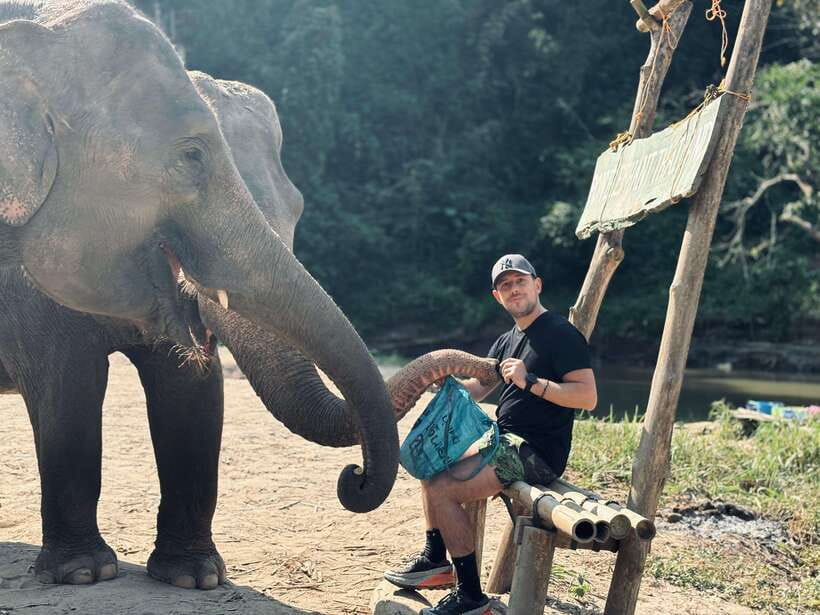
The first close contact comes through food. You feed the elephants Napier grass, sugarcane, and bananas while guides explain their diets and personalities. This is a simple activity, but it gives you a safe way to approach the animals without crowding them.
Feeding also shows why the elephants are treated as individuals. The staff know which animals are older, which are young, and which need particular care. One of the most touching activities is preparing vitamin balls or herbal food for an elderly elephant.
The elephants may come close, reach with their trunks, or wander off when they have had enough. That freedom is important. You are not promised a perfect photo at every moment, and that is a good thing. The experience feels more respectful when the animals can choose where to go.
You can take photographs, but keep your phone charged and protect it from water later in the day. A camera is listed as an essential item, and the guides may help you get close enough for memorable pictures. Still, your best images may come from watching quietly instead of constantly posing.
A nature walk through the sanctuary
After the briefing, you walk with the rangers toward the elephants’ area. The route includes light walking between the four stations, but it is not effortless. One person found the walking longer than expected, while another noted that elderly parents managed it. I would describe the activity as suitable for people with a reasonable level of fitness, but not ideal for anyone with back problems, recent surgery, low mobility, or a low fitness level.
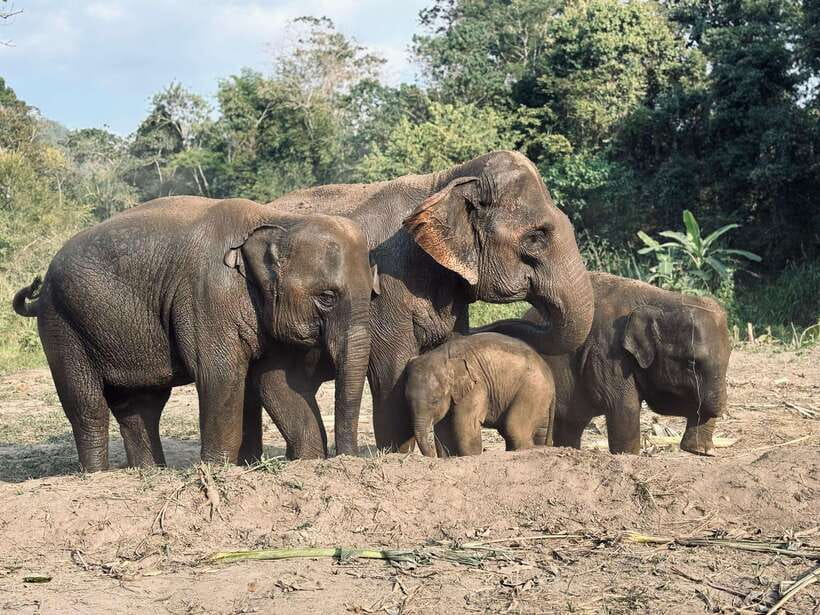
The setting is a major part of the appeal. The elephants can roam in a broad forest area rather than remaining in a small display space. One group was told the sanctuary provides more than 60 acres, and several visitors noted that the animals appeared relaxed, healthy, and well cared for.
You may cross a wobbly bridge on the route. It is described as safe, but it can feel nerve-racking if you dislike unstable footing. Wear comfortable clothing and shoes that can handle dirt. The sanctuary is not a polished indoor attraction, and that is precisely why it feels more connected to the surrounding forest.
More elephant sanctuary visits:
- 3-in-1: Doi Inthanon Tour, Elephant Sanctuary, and Trekking Trail
★ 5.0 · 1,087 reviews - Chiang Mai Elephant Sanctuary, Bamboo Rafting and Waterfall Tour
★ 5.0 · 870 reviews - Chiang Mai: Elephant Sanctuary, Monk Trail & Doi Suthep Tour
★ 4.9 · 563 reviews - Chiang Mai: Ethical Half Day Elephant Sanctuary & Waterfall
★ 4.9 · 450 reviews
River time, swimming, and the important ethical limit
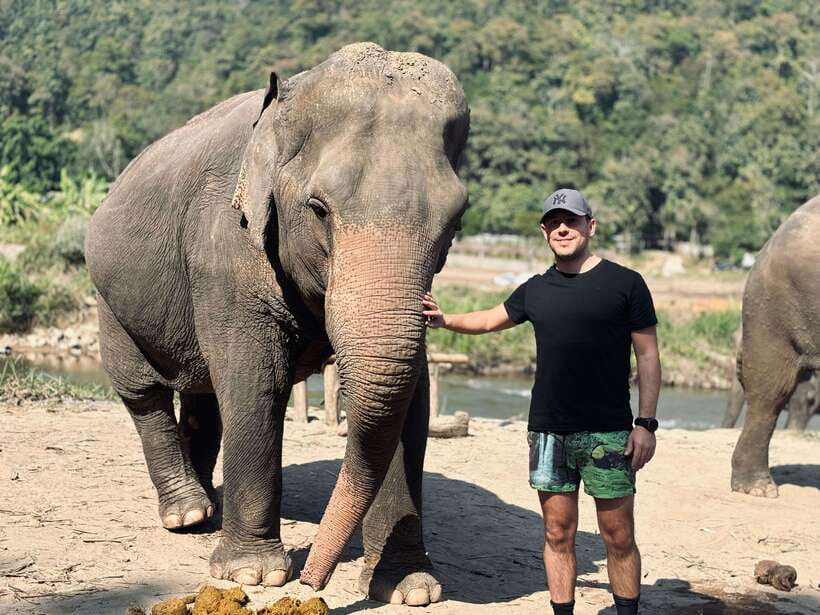
The final part often leads to the river, where you may help wash the elephants and splash in the water. This is the most playful section of the outing. You can expect to get soaked, so pack beachwear, a towel, and a complete change of clothes.
The key point is that the elephants decide if they want to bathe. The staff do not force them into the river or make them perform. If an elephant chooses to stay on land, the activity changes. Weather and other conditions can also affect the plan.
When the elephants do enter the water, you may stand nearby, help splash them, and watch the animals interact with their handlers. The activity is intimate, but it is not a swimming pool experience. The river may be muddy, the ground uneven, and your belongings need protection.
No riding is allowed. Neither are alcohol, drugs, fishing, littering, fireworks, weapons, sharp objects, or campfires. The rules are sensible, especially around animals that can weigh several tons. Party groups, including bachelor and bachelorette groups, are not accepted.
What the $27 price really buys you
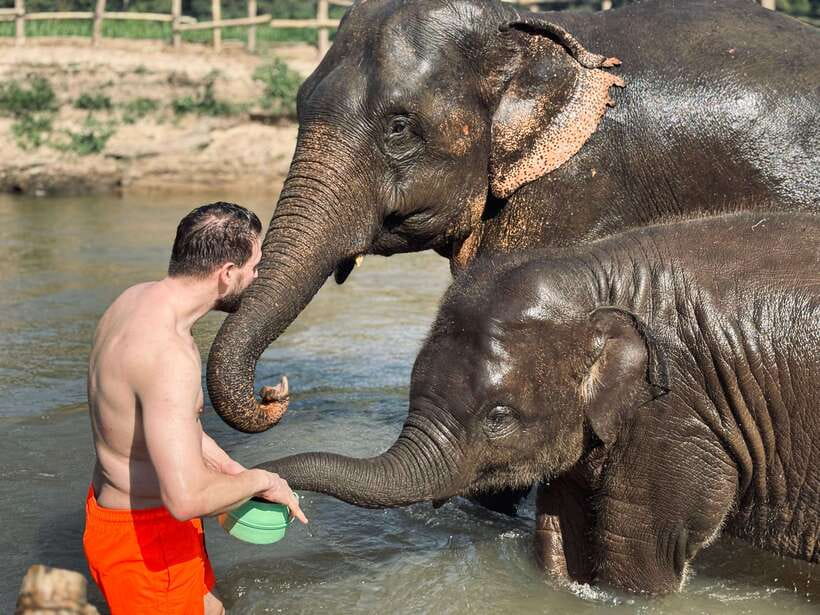
At $27 per person, this is a strong-value experience if you want direct time with elephants without paying for a full-day program. The price includes the elephant fruit, drinking water, an English or Thai-speaking guide, and insurance. Hotel pickup and drop-off are included only when you select the transport option.
A low price should not be confused with a bare-bones visit. You receive several types of interaction, explanations about elephant care, a nature walk, and possible river time. One half-day visitor felt the schedule contained enough elephant time without becoming tiring, while another found the overall activity a little long and walking-heavy.
The optional transport changes the calculation. Without a transfer, the price can be as low as 800 Thai baht according to one booking experience. You must then handle the meeting point and your own way there. With pickup, you pay for convenience and avoid arranging transport to a rural location.
For many people, the value comes from the quality of the contact rather than the number of extras. There is no mention of a meal, towel, or clothing rental, so plan for those gaps. The sanctuary supplies water and fruit for the elephants, not a full personal packing service.
Who will enjoy this half-day visit
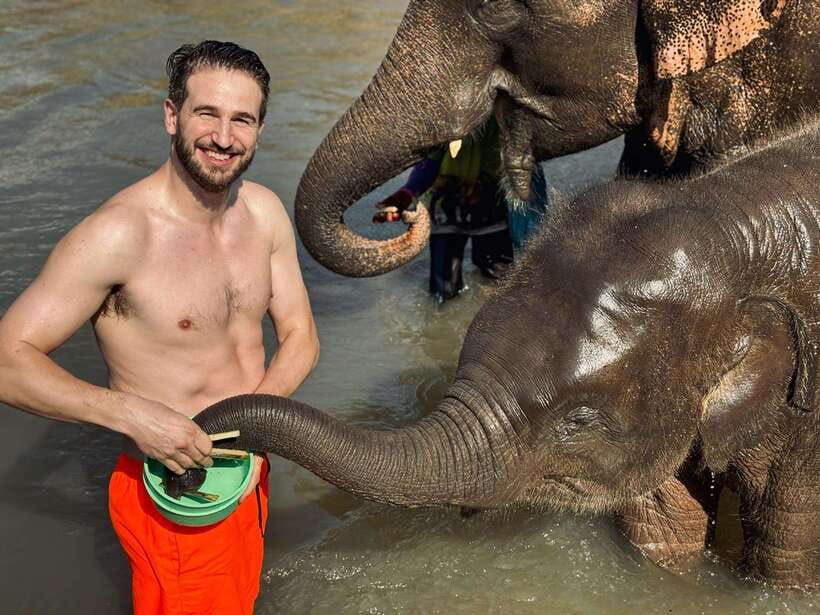
I would recommend this tour to you if you want meaningful contact with elephants but cannot spare a full day. It works particularly well for couples, families, and people who want a rural setting rather than an urban animal attraction. Parents have found the guides helpful with children, and one family with a six-month-old baby received extra support from the team.
The tour also suits anyone who wants to learn before touching. The explanations about diet, sleep, family groups, and elephant behavior give the encounter more weight than simply feeding a banana and taking a picture.
It is less suitable if you need step-free access or have difficulty walking on uneven ground. The activity is not recommended for wheelchair users, people with epilepsy, animal or insect allergies, visual impairments, back problems, recent surgeries, or limited fitness.
You should also think carefully about heat, humidity, insects, and wet clothing. Use biodegradable sunscreen and insect repellent. Wear comfortable clothes that can get dirty, and bring cash, a charged smartphone, your passport or an accepted copy, and a change of clothes.
How ethical is the experience?
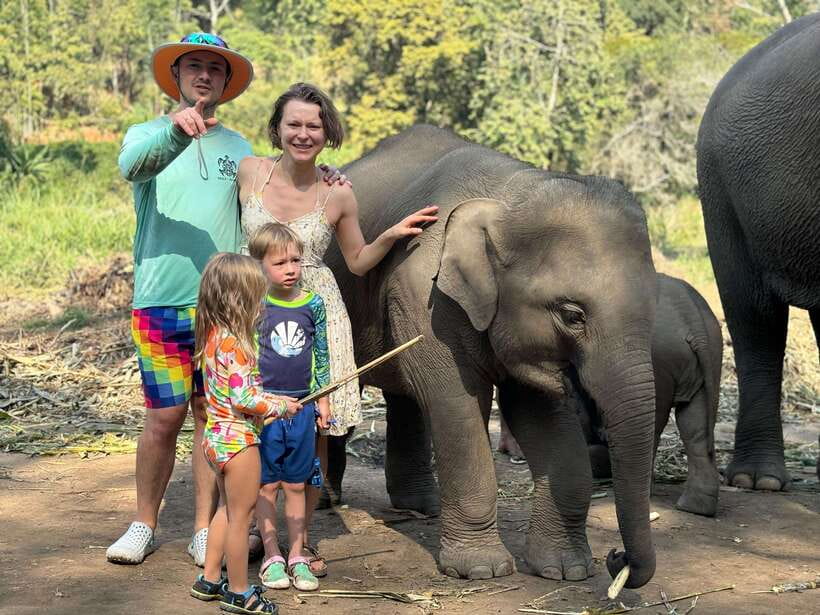
No elephant activity should receive an automatic ethical label just because it uses the word sanctuary. The useful questions are more specific: Are rides offered? Are animals forced to perform? Can they move away? Are staff attentive to their health and behavior?
This program says there is no riding and that all activities depend on what the elephants choose to do. The elephants are described as free to roam, and the staff present them as individuals with different ages, needs, and personalities. The sanctuary includes domestic elephants as well as at least one rescued bull, and one family group includes a mother with three daughters.
The river policy is especially important. You may bathe with the elephants, but only when they choose to enter the water. That does not erase every larger question about elephant tourism, yet it is a more responsible approach than forcing animals into repeated shows or rides.
I also appreciate the stated connection to local villages and forest protection. Supporting local communities can help make elephant care financially sustainable. You should still observe the animals during your visit: Look for relaxed behavior, room to move, and staff who respect an elephant’s decision to walk away.
Timing, weather, and practical planning
The advertised duration is five hours, also listed as 330 minutes. Pickup time depends on your location and the option selected, so check availability rather than assuming a fixed start.
The itinerary can change because of weather or other events. River bathing is the most obvious variable, but other activities may also shift. If you have a flight, train, or fixed afternoon plan, leave extra time rather than counting on the tour ending exactly at the advertised duration.
The tour has a free cancellation window up to 24 hours before departure, and you can reserve now and pay later. Those policies are useful if your Chiang Mai plans are still moving, but they do not remove the need to check the exact pickup details.
The transport receives a perfect score from 87 percent of ratings, which supports choosing pickup if you value ease. If you arrange your own transport, confirm the meeting point carefully and allow for the rural drive.
FAQ
How long does the elephant sanctuary tour last?
The tour lasts five hours, or 330 minutes. The total day may feel longer if you use hotel pickup because the sanctuary is about one to one and a half hours south of Chiang Mai.
Is hotel pickup included?
Hotel pickup and drop-off are included if you select the transport option. The meeting point varies by booking option, and you should wait in the hotel lobby 5 to 10 minutes before pickup.
What languages are available?
The tour is available with English and Thai-speaking guides.
Can I ride the elephants?
No. Riding the elephants is not allowed.
Will I definitely bathe with the elephants?
No. The elephants choose if they want to enter the river, and the activity may change because of their behavior or bad weather.
What should I bring?
Bring a change of clothes, beachwear, comfortable clothing, a camera or charged smartphone, cash, biodegradable sunscreen, biodegradable insect repellent, and clothes that can get dirty. A towel is also important because it is not included.
Is the tour suitable for wheelchair users?
No. The activity is not suitable for wheelchair users, and it is also not recommended for people with mobility impairments, back problems, recent surgeries, epilepsy, low fitness, or certain allergies.
Can I cancel for a refund?
You can cancel up to 24 hours in advance for a full refund. The reserve-now, pay-later option also lets you hold a place without paying immediately.
Should you book the Pon Elephant half-day tour?
Book it if you want close, respectful elephant contact, a rural setting, and a useful amount of time without committing your entire day. The combination of feeding, food preparation, forest walking, and possible river time gives you more variety than a quick photo stop.
I would choose the pickup option unless you are confident arranging your own transport. Bring dry clothes, expect walking, and keep your schedule flexible around the river. If you need guaranteed bathing, a fully accessible route, or a short trip with almost no travel time, this is not the right choice.
For most physically able visitors who care about how elephants are treated, the $27 base price offers excellent value. The best part is not simply standing next to a huge animal. It is seeing the staff give the elephants room, explain their needs, and let the animals decide how much contact they want.
Just added around Chiang Mai
- Chiang Mai: Chiang Rai White, Blue & Black Temples Day Tour★ 4.2 · 16 reviews
- Chiang Mai Adventure ATV Secret Waterfall and Bamboo Rafting★ 5.0 · 16 reviews
- Inthanon Small-Group with Kew Mae Pan Trail from Chiang Mai include Lunch★ 4.5 · 16 reviews
- 2-Day Best of Chiang Rai from Chiang Mai Private Package★ 4.5 · 16 reviews
- Doi Inthanon Discovery Tour: Waterfalls, Villages & Highest Peak★ 3.5 · 16 reviews
- Private-Tour Doi Suthep Temple and Khun Chang Kien Village Half-Day★ 4.5 · 16 reviews
- Chiang Mai Iconic Temples and City Tour★ 4.5 · 17 reviews
- Fantastic! Famous Doi Inthanon National park tour with 2hr trekking★ 4.5 · 17 reviews
Elephant Sanctuary Visits, compared.

Elephant Sanctuary, Waterfall & Bamboo Rafting
Read our review →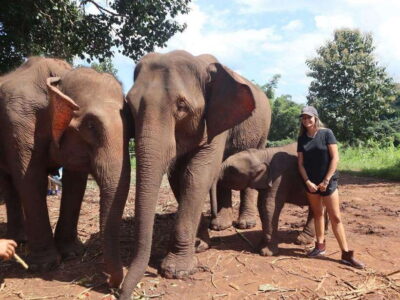
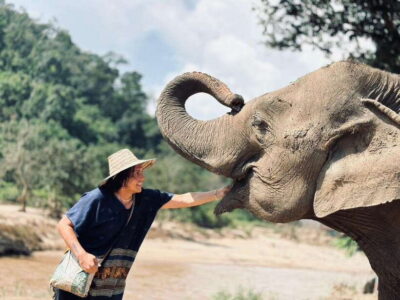
Elephant Sanctuary, Long Neck & Sticky Waterfall
Read our review →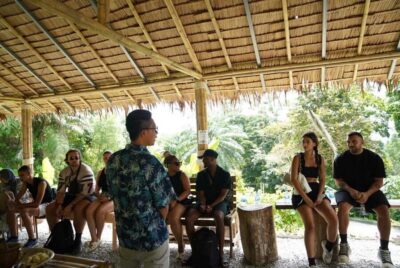
Elephant Sanctuary Guided Tour with Hotel Transfers
Read our review →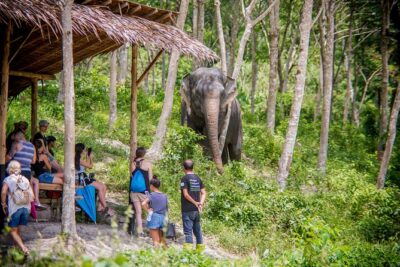
A Morning with the Elephants at Phuket Elephant Sanctuary
Read our review →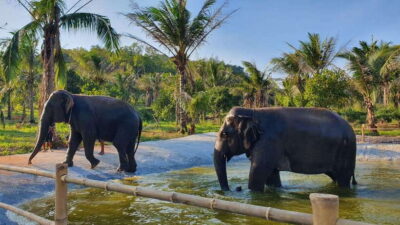
Elephant Sanctuary Entry and Feeding Experience
Read our review →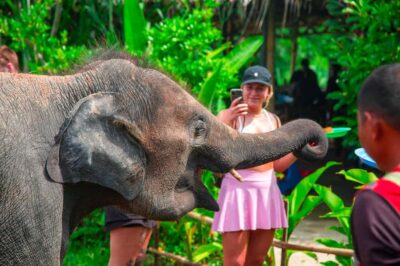
Elephant Sanctuary and Jungle Tour with Lunch
Read our review →Browse the lists this tour appears in