
Reviewed · FOOD & DRINK
Chiang Mai: Food Tour by Songtheaw Truck with 15+ Tastings
Come hungry, leave curious about Northern Thai food. This four-hour Chiang Mai tour combines 15 or more tastings with rides in a private red songthaew, taking you to family-run food spots, local restaurants, and a market that most visitors would struggle to find alone. It is as much a lesson in Northern Thai culture as it is a meal.
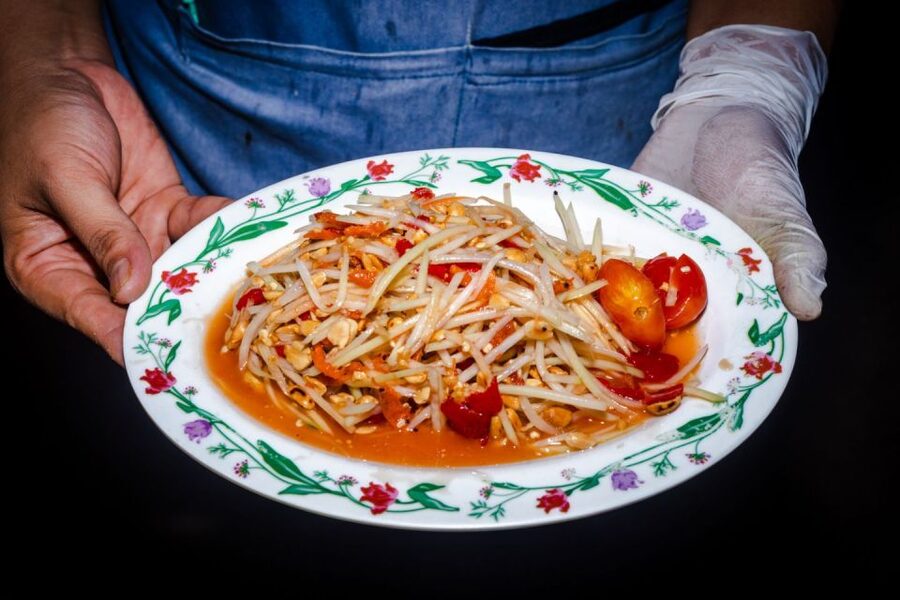
I especially like the way the tour moves beyond familiar pad Thai and green curry. You can try sai oua sausage, crispy pork belly, larb, Shan dishes, market sweets, fermented foods, and even insects, while your guide explains how ingredients and outside influences shaped the cuisine. I also like the small group size, limited to eight people. The main consideration is simple: this is not suitable for vegetarians, vegans, people with food allergies, or anyone avoiding soy sauce, and the quantity of food can be overwhelming.
The meeting point is at Wat Lok Molee, a short distance from central Chiang Mai. Guides such as Moui, Aim, Noi, Indy, Bun, Muang, and Tree have earned praise for mixing food facts with stories about Thai life, local owners, and regional traditions. Wear comfortable shoes, carry an umbrella, and do not eat a large breakfast.
In This Review
- Key Points at a Glance
- Starting at Wat Lok Molee
- Why Northern Thai Food Deserves Its Own Tour
- Stop One: Local Restaurants Away From the Tourist Core
- Crispy Pork Belly, Sai Oua, and More Adventurous Bites
- Larb, Shan Specialties, and the Regional Story
- The Market Finale
- Riding the Songthaew Across Chiang Mai
- How Much Food Is There?
- Value at $62 Per Person
- Practical Details Before You Book
- Who Will Enjoy This Food Tour Most?
- Should You Book It?
- FAQ
- Where does the Chiang Mai food tour meet?
- How long does the tour last?
- How many tastings are included?
- Is transportation included?
- Is the tour suitable for vegetarians or people with food allergies?
- What should I bring and wear?
Key Points at a Glance
- 15 or more tastings: Expect full portions and shared plates, not just tiny samples.
- Five food stops plus a market: The route includes local restaurants, street food spots, and market snacks.
- Private red songthaew transport: The truck saves walking time and lets you cover more of Chiang Mai.
- Northern Thai focus: Try food from Lanna, Shan, and other regional traditions rather than only standard tourist dishes.
- Small groups of up to eight: This gives you more chances to ask questions and follow your guide through busy food areas.
- Excellent overall rating: The tour has a 4.9 out of 5 score from 157 ratings, with transport receiving a 95 percent perfect score.
Starting at Wat Lok Molee
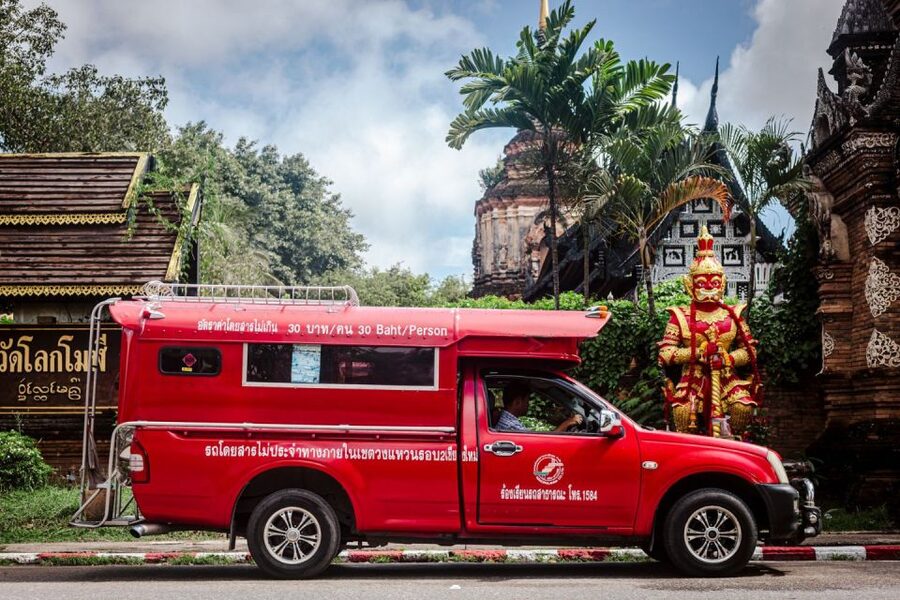
The tour begins in the grounds of Wat Lok Molee, a well-known temple near the center of Chiang Mai. Once inside, turn left and look for the large decorated tree beside the four-headed statue. Your guide waits there.
That meeting point is practical, but you should allow extra time to reach it. Give a taxi driver the Thai address, วัดโลกโมฬี ถนน มณีนพรัตน์, rather than relying only on the English name. A late arrival could be awkward because the group travels between several stops.
From the temple, you board a private rod deang, also called a songthaew. These red trucks are one of Chiang Mai’s familiar forms of local transport. Here, the truck is more than a ride between restaurants. It gives the tour a sense of movement and lets you visit places outside the compact tourist center without arranging separate taxis.
The songthaew also makes this a good option if you do not want to spend four hours walking in heat. One participant with mobility issues found the repeated seating and shaded stops helpful. You still need to walk through a market and get in and out of the truck, so this is not a fully step-free outing.
More Food Tours in Chiang Mai:
- Small-Group Chiang Mai Evening Street Food Tour
★ 4.5 · 826 reviews - Chiang Mai: Evening Local Street Food Market Tour
★ 4.8 · 604 reviews - Northern Flavours Chiang Mai Food Tour with 15+ Tastings
★ 5.0 · 513 reviews
Why Northern Thai Food Deserves Its Own Tour
Chiang Mai food is not simply a milder version of Bangkok food. Northern Thai cooking has its own ingredients, textures, methods, and cultural influences. The food is often closely tied to the old Lanna kingdom, neighboring Shan traditions, local farming, and ingredients that differ from those used in central Thailand.
Your guide explains those connections while you eat. That context matters because some dishes can look unfamiliar or taste very different from the Thai food served abroad. Fermented soybean paste, regional herbs, dried spices, pork, blood-based ingredients, and preserved meats all have a place in the local food culture.
The tour can include dishes such as sai oua, a lemongrass-scented Northern Thai sausage, along with zingy larb, crispy pork belly, curry soups, grilled chicken, water buffalo, vegetable specialties, tea leaf salad, and Shan-style food. Exact dishes can vary, but the point is consistent: you get a broad introduction rather than one famous plate.
I like that the guide may bring samples of spice blends, dried fermented soybean paste, and other ingredients for you to smell. Those small demonstrations help you understand the food before it reaches the table. You are not just told that a dish is fermented or spicy. You get a clearer sense of what creates its flavor.
Stop One: Local Restaurants Away From the Tourist Core
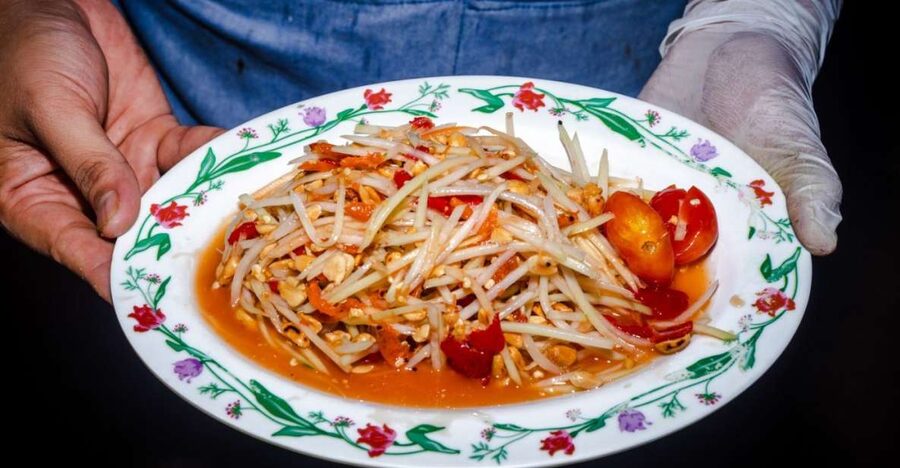
The route visits several restaurants and street food locations outside the most familiar tourist areas. You might sit down for multiple dishes at one place, then move on to a different style of cooking at the next.
This format works well because you can compare food served in different settings. Some stops are casual restaurants, some are local food joints, and some are connected to market shopping. The dishes are generally served family style, so your group can share many plates without ordering a full meal for every person.
The restaurants are part of the experience. Guides explain the story behind the food and may introduce you to owners or cooks. That connection gives the meal more meaning than simply arriving at a restaurant with a preselected menu.
You should also expect generous portions. Several people found themselves completely full before the last stop. The word tasting may suggest a few bites, but this tour often provides substantial servings. Pace yourself from the beginning. Taking one small portion first is wiser than filling your plate with the first dish and regretting it later.
Crispy Pork Belly, Sai Oua, and More Adventurous Bites
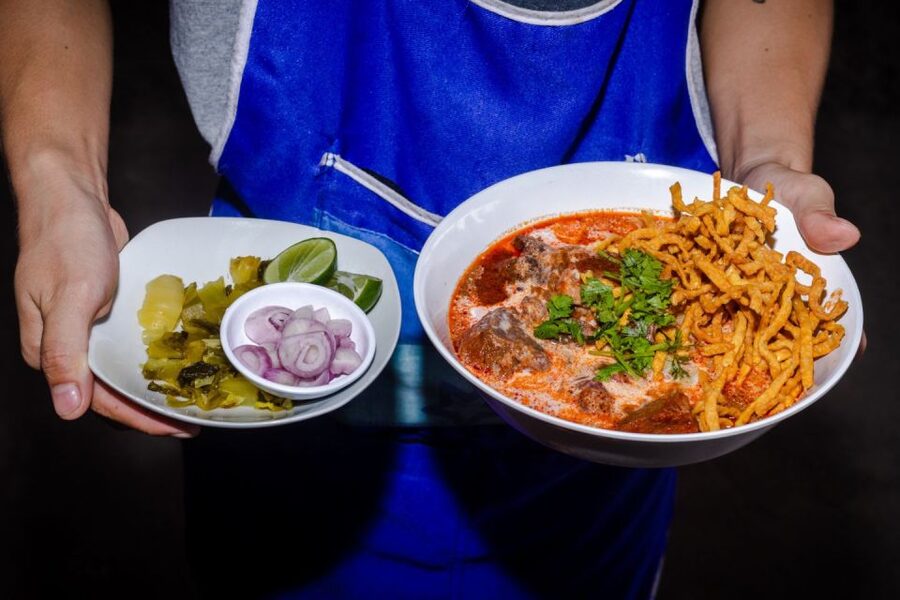
Some of the most memorable food centers on pork and preserved ingredients. Crispy pork belly cooked in a claypot is one of the dishes singled out for praise, as is chicken cooked in a deep pot. The contrast between crisp skin, tender meat, and strong seasoning gives you a useful introduction to Northern Thai comfort food.
Sai oua is another key tasting. The sausage is packed with herbs and lemongrass, so it has a brighter, more aromatic character than many Western sausages. It is the kind of food that benefits from an explanation because the ingredients can be hard to identify at first.
The tour may also include fermented pork, coagulated chicken blood, water buffalo, crickets, or silkworm larvae. These are not included to shock you. They reflect everyday food traditions and ingredients used in parts of Northern Thailand.
You are free to approach these tastings at your own pace, but this is not the right tour for anyone who needs a tightly controlled menu. Nut allergies and severe food allergies are specifically listed as exclusions. Soy sauce is also used widely enough that anyone unable to consume it should avoid booking.
Something different for another day:
- Half-Day Thai Cooking Class at Organic Farm in Chiang Mai
★ 5.0 · 19,087 reviews - Chiang Mai: Elephant Sanctuary, Waterfall & Bamboo Rafting
★ 4.9 · 9,160 reviews - Chiang Mai: Doi Inthanon National Park Eco-Friendly Tour
★ 4.6 · 6,667 reviews - Chiang Mai: Elephant Sanctuary & Waterfall Group Tour
★ 4.9 · 5,780 reviews
Larb, Shan Specialties, and the Regional Story
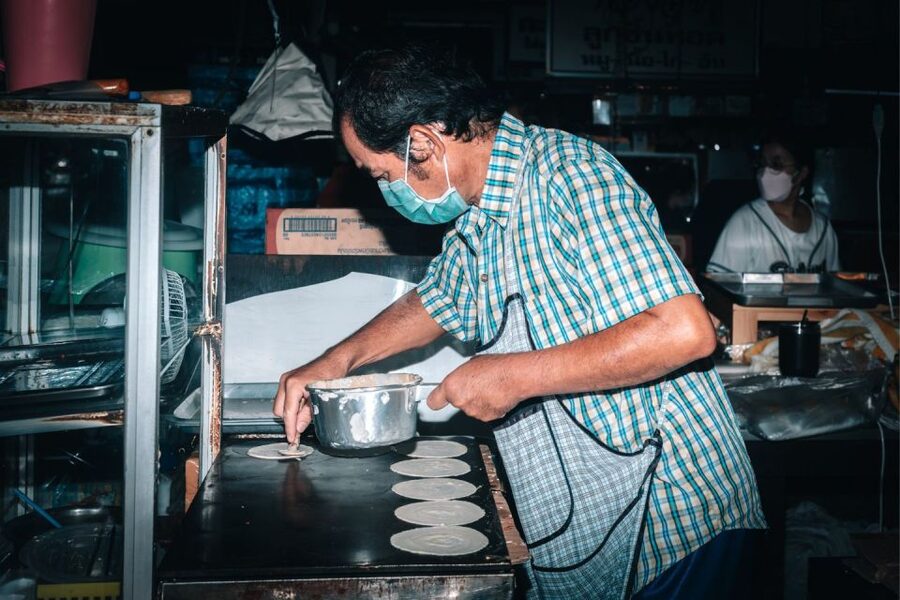
Larb in Northern Thailand differs from versions you may have encountered elsewhere. The seasoning, herbs, meat, and preparation can change by region, and your guide explains those differences as you taste.
Shan specialties add another layer. The Shan people and neighboring areas have influenced Northern Thai cooking, and those connections show up in dishes, spice mixes, and cooking methods. The tour uses food to explain movement across borders and regions without turning the meal into a classroom lecture.
This is where guides such as Moui and Noi have made a strong impression. They are praised for connecting dishes with Thai history, culture, ingredients, and the lives of the people who prepare them. Aim is also noted for linking regional food with wider stories about Chiang Mai.
I would treat the guide as one of the tour’s main reasons to book. You can find many dishes on your own if you know where to look, but you are less likely to understand what you are eating, why it matters, or how one dish relates to another.
The Market Finale
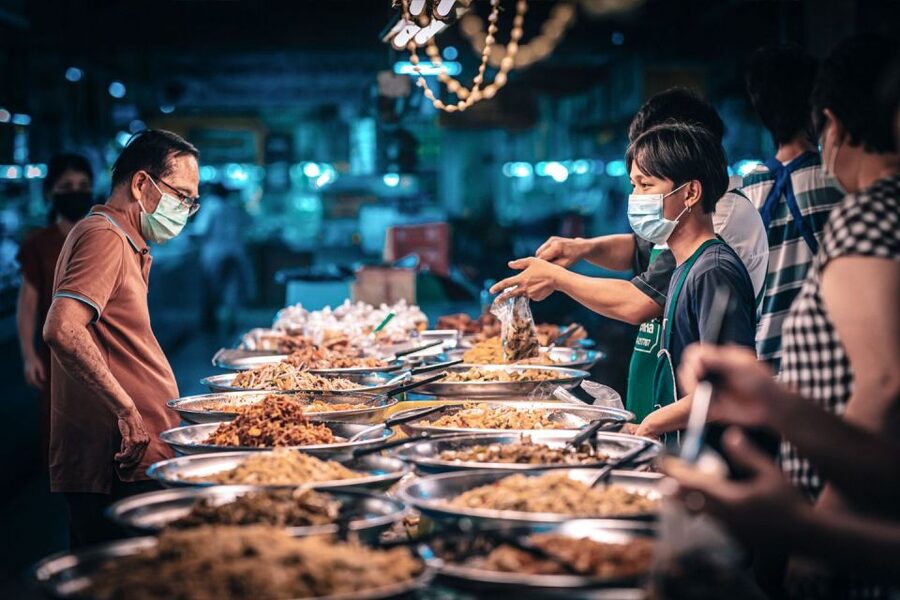
The market stop adds a different rhythm to the tour. Instead of sitting at a restaurant, you walk through stalls while your guide points out ingredients, snacks, spices, desserts, and local eating habits.
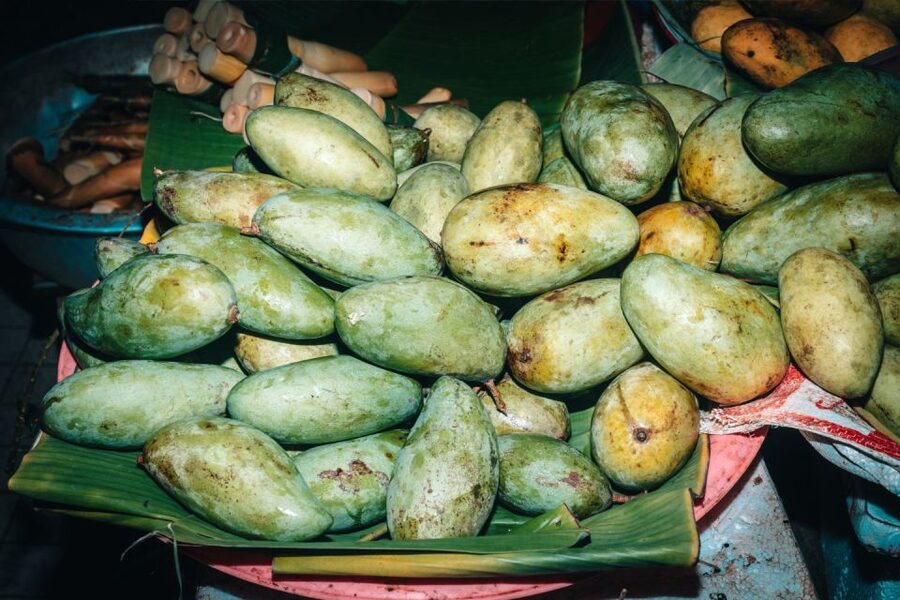
You may sample fruit, sweets, savory snacks, tea, and other items bought from the market. The final tasting can feel like a small shared picnic, with the guide selecting items for the group to try. It is a pleasant way to finish because you can see the raw ingredients and packaged snacks after spending the earlier part of the tour with cooked food.
The market is useful for anyone who wants to keep eating independently after the tour. Your guide can show you what different stalls sell and help you recognize products you might otherwise pass without a second look. You may also find spices and tea to take home.
I would keep expectations sensible. One participant felt the final market was fairly ordinary compared with other Chiang Mai markets. The value is less about visiting the city’s most impressive market and more about using the market to explain local food habits and finish the tastings.
Riding the Songthaew Across Chiang Mai
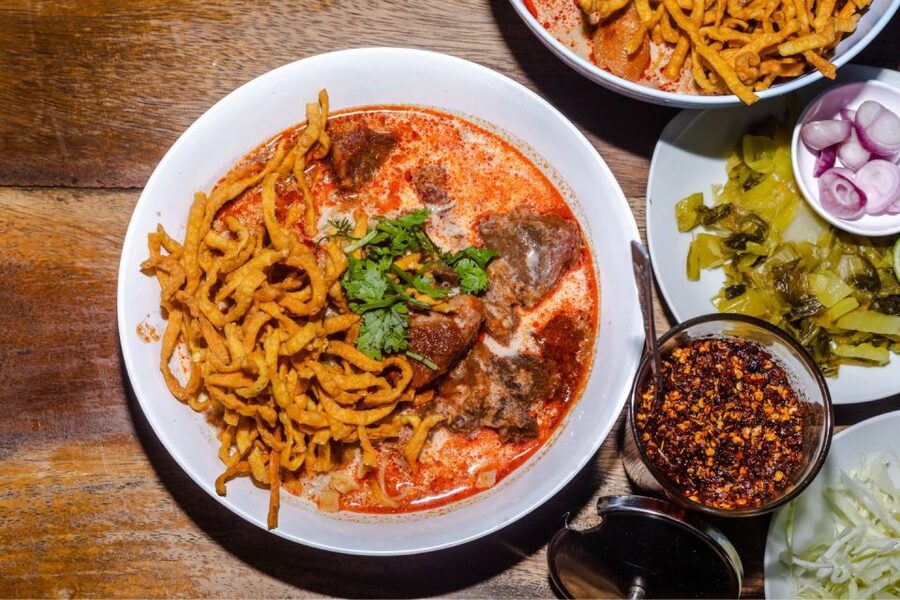
The red truck is a major practical advantage. Without it, visiting five food locations plus a market would involve a lot of walking, waiting for transport, and figuring out directions. Here, you can settle into the truck while your guide handles the route.
The transport also lets you see more of Chiang Mai than a single neighborhood tour. You move through different parts of the city and reach family-run places that may not have English signs or online profiles.
The truck is not a luxury vehicle. It is local transport, and you should expect a simple, open-sided ride rather than air-conditioned comfort. Still, the transport earns high marks, and it makes the food schedule efficient.
The group limit of eight is important. A small group can get seated more easily, share plates without too much confusion, and ask questions throughout the day. It also helps the guide keep track of dietary needs, though serious allergies remain a reason not to join.
How Much Food Is There?
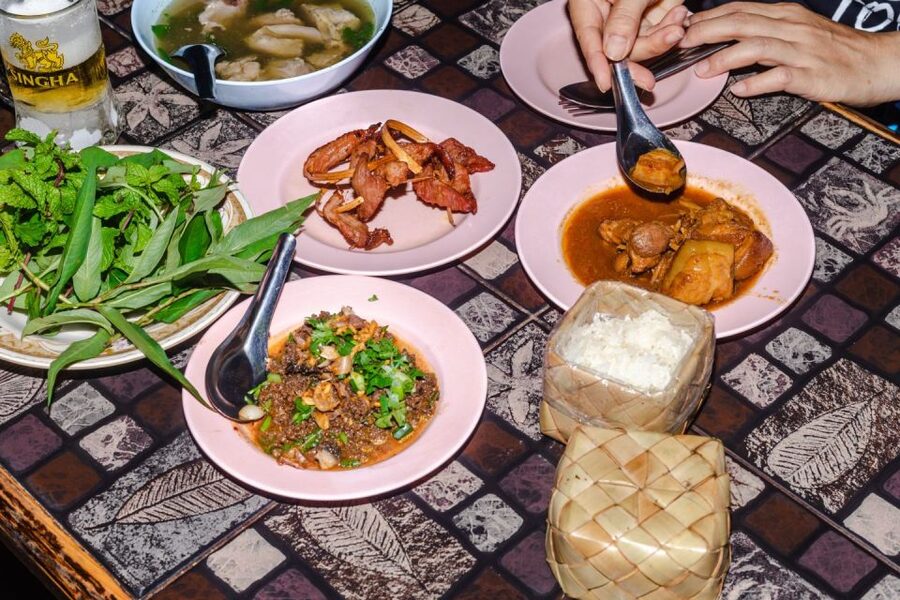
The honest answer is a lot. The tour includes more than 15 tastings, and several stops serve multiple dishes. People regularly describe leaving stuffed, sometimes too full for dinner.
Plan this as your main meal for the day. If you take the morning tour, skip breakfast or eat very lightly. Even a small breakfast may be enough to make the later desserts and snacks difficult.
Pacing is the key. Try everything, but take modest servings early on. You can always return for another bite if there is room. The group setting makes this easy because dishes are shared.
The volume is both a strength and a weakness. You receive excellent value in food and variety, but anyone who prefers a slow, small-plate tasting menu may find the pace and quantity excessive. This tour is designed for people who want to sample widely.
Value at $62 Per Person
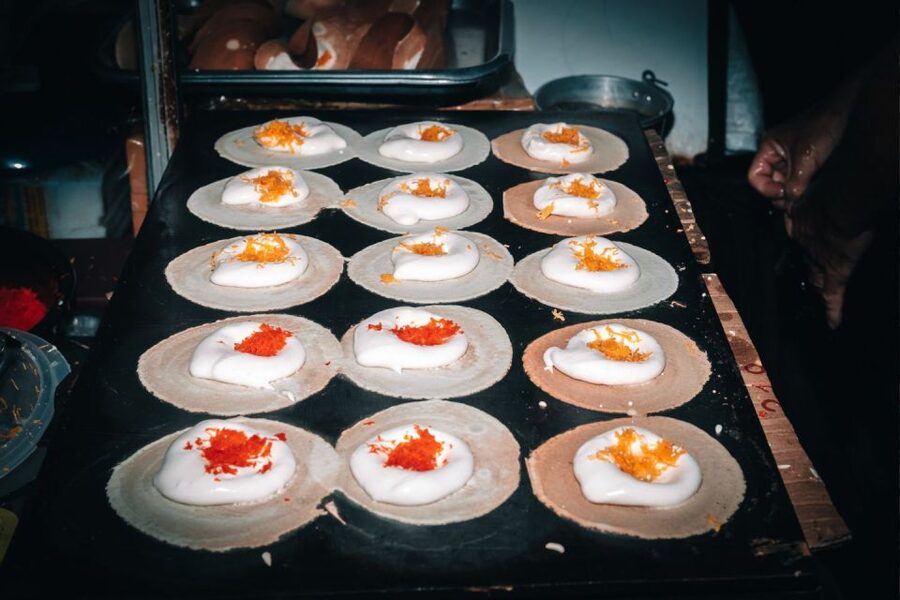
At $62 per person, this is not the cheapest way to eat in Chiang Mai. Street food can cost very little, and you could build your own food crawl for less if you already know the city.
The comparison changes once you count what is included. Your fee covers more than 15 tastings, bottled water, soft drinks, an English-speaking guide, and transport between the stops. You are also paying for local food knowledge, translation, ordering, route planning, and access to places that can be hard to identify on your own.
For a first visit, I think the price is fair if you care about context and variety. You could easily spend days sampling random dishes without learning the difference between Northern and central Thai cooking. This tour gives you a concentrated introduction in four hours.
It is especially good value early in your Chiang Mai stay. You leave with names of dishes, ideas about ingredients, and more confidence ordering food elsewhere in Thailand. If you already have a strong knowledge of Northern Thai cuisine and enjoy planning your own street food route, the value will be less obvious.
Practical Details Before You Book
The tour lasts four hours, with starting times shown when you check availability. English is the tour language.
Wear comfortable shoes because the songthaew handles much of the transport, but you still walk through markets and between food stops. Bring weather-appropriate clothing and an umbrella. Tours operate in rain or shine, and Chiang Mai weather can change quickly.
Alcohol is not included. Hotel pickup and drop-off are also not included, so you need to make your own way to Wat Lok Molee and arrange your return afterward.
The activity allows free cancellation up to 24 hours before departure for a full refund. You can also reserve now and pay later, which helps if your schedule is still changing.
Do not book if you are vegan, vegetarian, pescatarian, allergic to nuts, dealing with severe food allergies, or unable to consume soy sauce. The experience is also not suitable for people over 95 years old.
Who Will Enjoy This Food Tour Most?
I would recommend it to first-time visitors who want a fast but meaningful introduction to Chiang Mai food. It also suits experienced eaters who have already tried khao soi and want to move beyond the usual restaurant menu.
You will get the most from it if you enjoy asking questions, sharing food, and trying dishes without knowing exactly what will arrive next. It is a good choice for couples, solo visitors, and small groups who like meeting other people. The maximum group size of eight keeps the day social without making it feel like a large coach excursion.
It is less suitable if you want a carefully controlled menu, lots of free time, or a polished dining-room experience. The truck, local restaurants, market stalls, and unusual ingredients are the point. So is the sheer amount of food.
Should You Book It?
I would book this tour if you want to understand Northern Thai food rather than simply eat one famous Chiang Mai dish. The combination of 15 or more tastings, five food locations, a market visit, and private songthaew transport gives you a lot in four hours.
The strongest reason to go is the guide. Moui, Aim, Noi, Indy, Bun, Muang, and Tree are praised for explaining ingredients, food origins, local customs, and the people behind the dishes. That turns an ambitious eating schedule into a useful introduction to the region.
Book it early in your stay, arrive hungry, and keep the rest of the day light. Avoid it if dietary restrictions make shared Thai food risky. For open-minded eaters who want local dishes, strong cultural context, and plenty of food for the price, this is one of Chiang Mai’s most useful food experiences.
FAQ
Where does the Chiang Mai food tour meet?
The meeting point is in the grounds of Wat Lok Molee. Enter the temple grounds, turn left, and look under the large decorated tree beside the four-headed statue.
How long does the tour last?
The tour lasts four hours. Starting times depend on availability when you book.
How many tastings are included?
The tour includes more than 15 Northern Thai food tastings. The food is served across several restaurants, street food locations, and a market stop.
Is transportation included?
Yes. Transportation between the food locations is provided in a private red songthaew, also called a rod deang truck.
Is the tour suitable for vegetarians or people with food allergies?
No. The tour is not suitable for vegetarians, vegans, pescatarians, people with severe food allergies, people with nut allergies, or anyone who cannot consume soy sauce.
What should I bring and wear?
Wear comfortable shoes and weather-appropriate clothing, and bring an umbrella. The tour operates in rainy weather, and you still walk through the market despite using the truck for transportation.
Just added around Chiang Mai
- Chiang Mai: Chiang Rai White, Blue & Black Temples Day Tour★ 4.2 · 16 reviews
- Chiang Mai Adventure ATV Secret Waterfall and Bamboo Rafting★ 5.0 · 16 reviews
- Inthanon Small-Group with Kew Mae Pan Trail from Chiang Mai include Lunch★ 4.5 · 16 reviews
- 2-Day Best of Chiang Rai from Chiang Mai Private Package★ 4.5 · 16 reviews
- Doi Inthanon Discovery Tour: Waterfalls, Villages & Highest Peak★ 3.5 · 16 reviews
- Private-Tour Doi Suthep Temple and Khun Chang Kien Village Half-Day★ 4.5 · 16 reviews
- Chiang Mai Iconic Temples and City Tour★ 4.5 · 17 reviews
- Fantastic! Famous Doi Inthanon National park tour with 2hr trekking★ 4.5 · 17 reviews
Food & Drink, compared.
White Orchid Chao Phraya Dinner Cruise free Beer
Read our review →
Bangkok by Night: Temples, Markets and Food Tuk-Tuk Tour
Read our review →
Southern Flavors Phuket Food Tour with 15+ Tastings
Read our review →Bangkok Backstreets Food Tour with 15+ Tastings
Read our review →
Browse the lists this tour appears in