
Reviewed · TEMPLE TOURS
Chiang Mai: Wat Pha Lat & Wat Phra That Doi Suthep Tour
Two temples, one golden-hour climb. This Chiang Mai evening tour pairs the quiet jungle setting of Wat Pha Lat with the famous gold pagoda of Wat Phra That Doi Suthep. I like the contrast between the two sites, and I like that a guide helps you understand Buddhist customs rather than simply pointing at buildings. The main consideration is the 306-step climb at Doi Suthep, plus curving mountain roads that may bother anyone prone to motion sickness.
The roughly four-and-a-half-hour outing is well timed for cooler air, sunset color, and the moment Doi Suthep begins to glow after dark. Guides such as Tomtam, Ponpon, Art, Mui, and Toon have been praised for clear explanations, patient help, and taking photos. The trade-off is that this is not the Monk’s Trail hike, and the short schedule can feel tight if you want a long, unhurried temple visit.
In This Review
- Key points at a glance
- Why this evening route works so well
- Pickup, timing, and the ride into the hills
- Wat Pha Lat, the quiet first stop
- The climb to Wat Phra That Doi Suthep
- Sunset, chanting, and the Chiang Mai view
- What the guides add to the experience
- Walking, clothing, and temple manners
- Group size, private options, and value
- Who should book this temple tour?
- My verdict: a strong evening choice for Chiang Mai
- FAQ
- How long does the Chiang Mai temple tour last?
- What temples does the tour visit?
- Is hotel pickup included?
- Where is the meeting point?
- How many steps are there at Doi Suthep?
- Is there a cable car at Doi Suthep?
- What should I wear?
- Is the tour suitable for wheelchair users?
- Does the tour follow the Monk’s Trail?
- Is this a private tour?
Key points at a glance
- Wat Pha Lat feels genuinely peaceful: Waterfalls, jungle, stonework, and Thai-Burmese details give this temple a quieter character than Doi Suthep.
- Doi Suthep is best near sunset: You can see Chiang Mai in evening light, then watch the gold pagoda and temple grounds brighten after dark.
- The guide adds real value: Good guides explain Buddhist rituals, temple etiquette, local beliefs, and the meaning behind what you are seeing.
- Transport saves time and effort: An air-conditioned van or private car handles the mountain road and connects both temples in one evening.
- Budget around the stairs: Entry tickets and drinking water are included, but the optional cable car costs 20 baht.
- Dress for worship, not the beach: Wear long trousers or another covering garment, with arms and legs covered and comfortable shoes.
Why this evening route works so well
Chiang Mai has many temples inside the Old City, but Doi Suthep gives you something different: mountain air, a broad view over the city, and a sense of pilgrimage. Adding Wat Pha Lat makes the outing more interesting because you first visit a quiet place of worship surrounded by trees before reaching the grand northern Thai shrine.
The late-afternoon departure also solves a practical problem. Doi Suthep can be hot and bright earlier in the day, while the evening brings softer light and cooler conditions. You may see the city shift from daylight to scattered evening lights from the viewpoint near the temple.
This is not a full-day cultural expedition. It is a focused half-day trip that covers two important temples without asking you to arrange mountain transport yourself. At $24 per person, the value is strongest if your booking includes hotel pickup, air-conditioned transport, a guide, entry tickets, and water.
The price is less compelling if you are already comfortable arranging a private songthaew or taxi and prefer to set your own pace. Still, reaching two mountain temples in one evening, with explanations and return transport included, makes the cost reasonable for many first visits to Chiang Mai.
More Temple Tours in Chiang Mai
- Chiang Mai: Chiang Rai Temples, Karen Tribe and Hot Springs
★ 4.7 · 5,401 reviews - Chiang Rai White Temple and Blue Temple Day Tour
★ 4.6 · 3,366 reviews - Chiang Mai: White, Red/Black & Blue Temples Tour with Lunch
★ 4.2 · 2,017 reviews
Pickup, timing, and the ride into the hills
Hotel pickup is available from Chiang Mai hotels and from locations within 2.5 kilometers of downtown, Thaphae Gate, and the Old City Wall. Locations farther away may incur an extra charge, so check the pickup choice carefully before paying.
The usual hotel pickup window is around 4:00 to 4:30 p.m. If you use the meeting-point option, wait at Pharmart C Drugstore between about 3:50 and 4:15 p.m. The return is generally around 8:00 to 8:30 p.m., though the timing is described as flexible.
That flexibility can help if the group needs extra time, but it also means you should avoid scheduling a fixed dinner reservation immediately after the tour. Traffic, temple crowds, weather, and the time spent at the evening ceremony can all affect the final drop-off.
Transport is one of the tour’s strongest practical features. The vehicles are air-conditioned, and bottled drinking water is provided. Small-group and private options are available, and private tours have been especially appealing to couples and solo visitors who want more personal attention.
The road up Doi Suthep is curvy. If you get carsick, sit where the ride feels most stable, bring any usual medication, and avoid a heavy meal just before departure. The drive is part of the route, not an unpleasant surprise, and the comfortable vehicle makes it easier than arranging several separate rides.
Wat Pha Lat, the quiet first stop
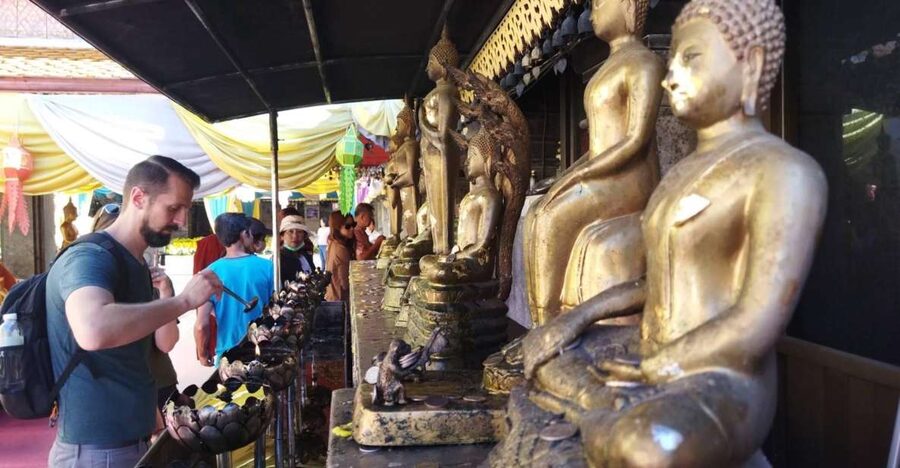
Wat Pha Lat is the more atmospheric stop. It sits in a wooded mountain setting and is reached as part of the tour by vehicle. The temple’s architecture combines Thai and Burmese details, giving it a look that differs from the bright, formal presentation of Doi Suthep.
The sound here matters. Waterfalls and running water create a calm background, and the setting gives you room to pause rather than simply move from one photo point to the next. I would treat Wat Pha Lat as the place to slow down, listen, and notice smaller details in the stonework and surrounding trees.
The guide normally introduces the temple, explains its religious role, and then allows time to walk around independently. That balance works well. You get context first, then freedom to explore without standing beside the guide for every minute.
Some guides bring extra cultural detail to this stop. Ponpon, who has been described as a former monk, has helped explain rituals and Buddhist practice in a way that makes the visit feel personal. Other guides, including Bird and Jibby, have been praised for explaining local customs in clear, accessible language.
A useful distinction: this tour does not walk the Monk’s Trail. If you imagined a forest hike followed by a temple visit, this is not that experience. You still get the mountain atmosphere of Wat Pha Lat, but the route is designed as a sightseeing trip with vehicle access and temple walking.
The climb to Wat Phra That Doi Suthep
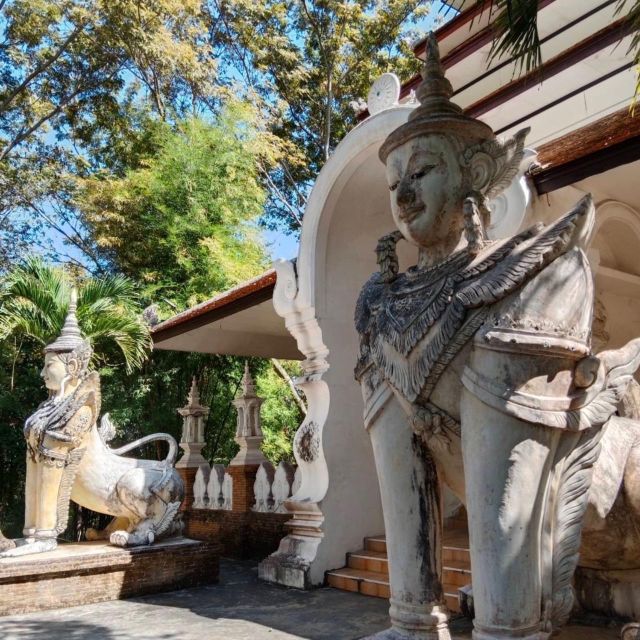
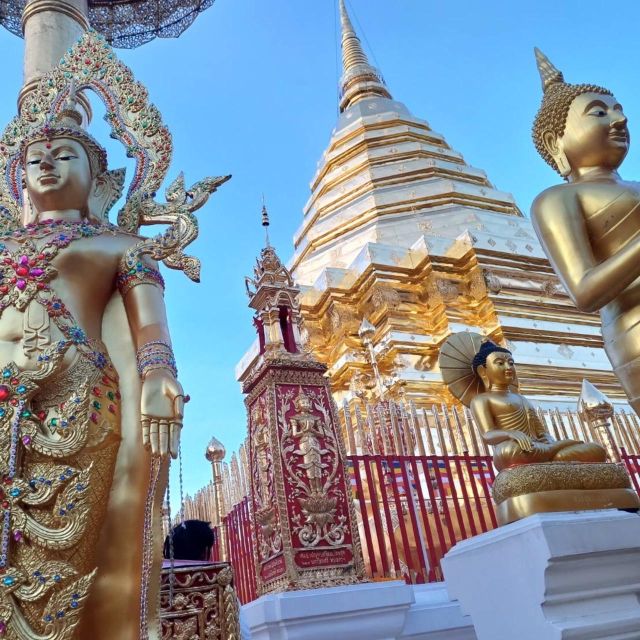
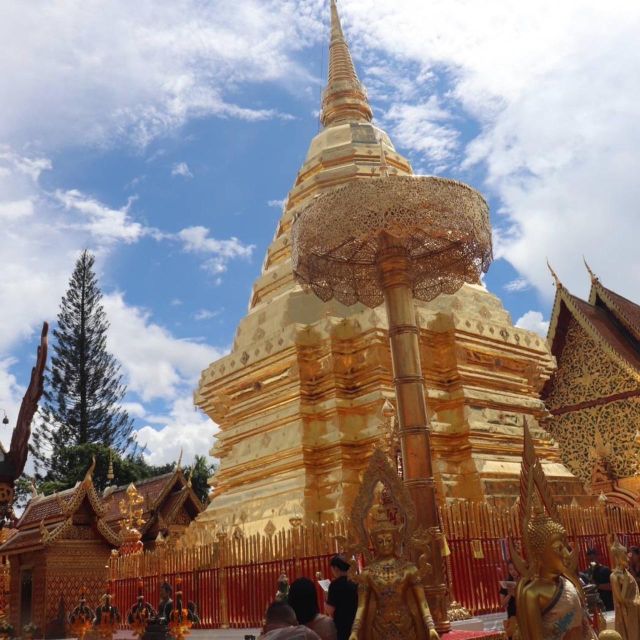
The second stop is Wat Phra That Doi Suthep, one of northern Thailand’s most important Buddhist temples. The approach is more formal and impressive than Wat Pha Lat, with the climb leading toward the famous gold pagoda.
The main route involves 306 steps. The staircase is manageable for many people, but it is still a climb, especially after walking around the first temple. Take it at your own pace and wear shoes with a secure grip. The tour is not suitable for wheelchair users, and anyone with mobility concerns should think carefully about the stairs before booking.
A cable car is available for 20 baht. It is not included, so bring Thai currency if you want that option. The information provided does not promise that the cable car will remove every walking requirement, so ask your guide about the current access arrangements when you arrive.
At the top, the gold pagoda is the central sight. It is traditionally associated with a relic of the Buddha, described here as a shoulder bone. This is not just an ornate monument for photographs. For Thai Buddhists, the temple is a place of devotion, prayer, ritual, and respect.
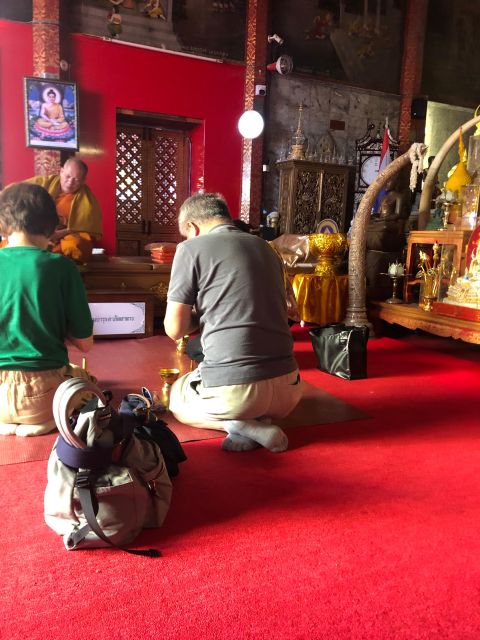
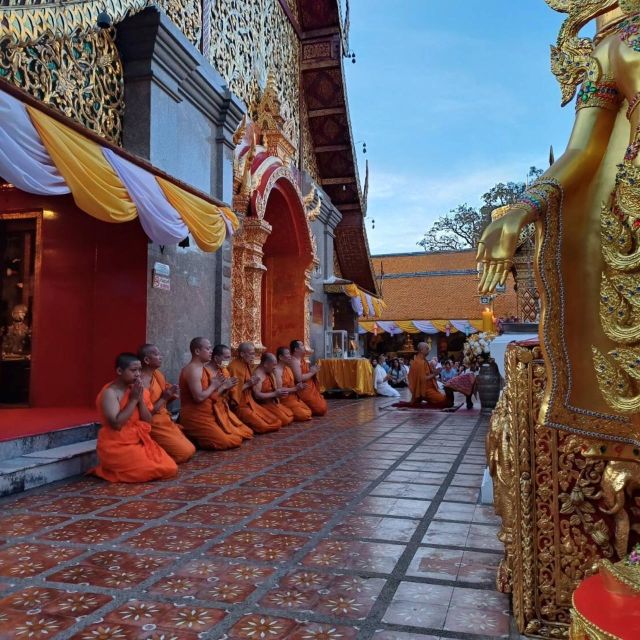
You may see worshippers making offerings or taking part in ceremonies. Several visitors have had the chance to hear monks chanting or receive a blessing. These moments are not guaranteed, so approach them with patience and respect rather than treating them as a scheduled show.
The guide is particularly useful here. You will receive reminders about appropriate behavior, where to walk, and how to take part in rituals if invited. A strong guide can also explain why people circle sacred structures, make offerings, or pause in prayer.
More ways to visit Doi Suthep:
- Chiang Mai: Doi Suthep and Wat Umong Enchanting Evening Tour
★ 4.6 · 1,811 reviews - Chiang Mai: Doi Suthep, Wat Umong, and Pha Lat Sunrise Tour
★ 4.7 · 1,425 reviews - Wat Phra That Doi Suthep spiritual Sunrise Tour with an Ex-monk
★ 5.0 · 798 reviews - Chiang Mai – Doi Suthep Temple & Wat Pha Lat Hike
★ 4.6 · 740 reviews
Sunset, chanting, and the Chiang Mai view
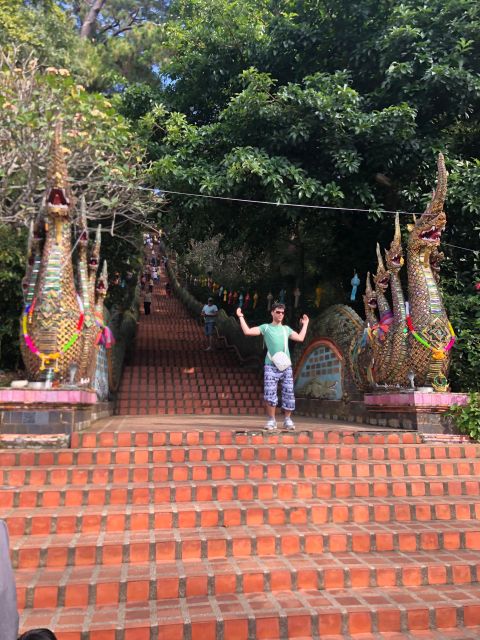
The timing is the heart of this tour. At Doi Suthep, you may arrive while the sky still holds evening color, then watch the city lights appear below. On a clear day, the view over Chiang Mai can be striking, especially as the temple grounds become illuminated.
Clouds can block the city view, particularly during wetter weather. One visitor specifically advised choosing a day without clouds if the panorama is a major reason for booking. The temples remain worthwhile in changing weather, but you should keep your expectations flexible.
Evening also changes the mood of Doi Suthep. Gold surfaces catch the last daylight, then take on a different character under artificial lights. Monk chanting can add a solemn, memorable sound to the visit, although the exact timing of ceremonies may vary.
Rain is another possibility. The mountain weather can change quickly, and one outing ended in heavy rain. Carrying a light rain jacket or compact umbrella is sensible, even if Chiang Mai feels dry when you leave town.
What the guides add to the experience
The guide quality can shape this tour more than any other feature. The strongest guide reports focus on kindness, clear explanations, patience, humor, and practical help.
Tomtam has been praised for creating a relaxed atmosphere while explaining temple traditions. Art has been singled out for combining Buddhist history with jokes and good photo help. Mui has been appreciated for answering questions, staying attentive, and taking photographs for couples and families.
Ponpon and PhonPhon have been especially valued for explaining monk life and Buddhist practice. Toon has been described as helpful with temple history, meditation, and local customs. These names cannot guarantee who will lead your departure, but they show the kind of service the operator aims to provide.
Photo help is a small feature with real value. Guides have taken pictures for solo visitors and couples, pointed out good places to stand, and helped capture the temple at the right time of day. You should still ask before entering a sensitive area or photographing people during prayer.
The best cultural exchanges happen when you ask questions. You might ask about the pagoda’s relic, the meaning of a ritual, or local ideas connected with birth days, colors, and Buddha images. Bird, for example, has helped visitors connect those traditions to their own birth details.
Walking, clothing, and temple manners
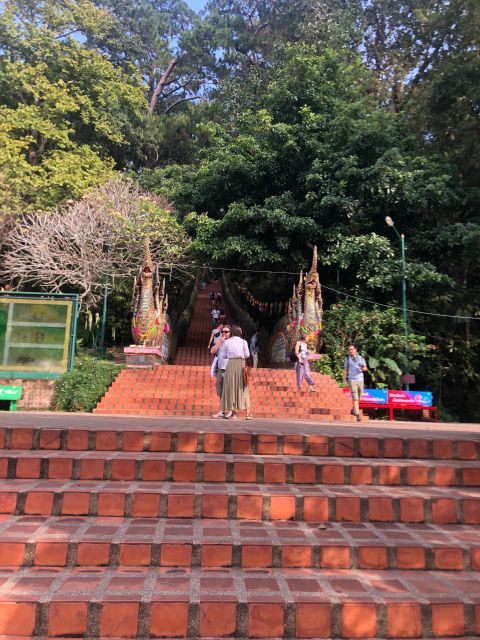
You should wear comfortable shoes, since the tour includes standing, walking around temple grounds, and the Doi Suthep staircase. Long trousers are specifically advised, and your arms and legs should be covered.
Short skirts and sleeveless shirts are not allowed. It is easier to dress appropriately from the start than to depend on a wrap or borrowed covering at the temple.
Remember that these are active places of worship. Keep your voice low, follow your guide’s instructions, and avoid turning ceremonies into a photo session. Remove shoes where required, and do not pose in ways that treat sacred images as casual props.
There is enough walking to leave you pleasantly tired, but this is not a strenuous trek. The greatest physical challenge is the staircase, followed by the heat, uneven ground, or standing time that can affect some visitors.
Group size, private options, and value
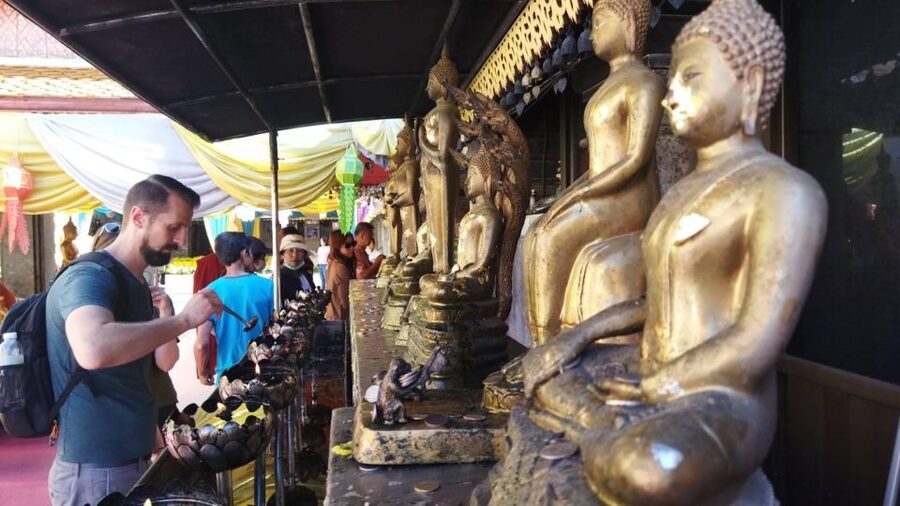
Small groups keep the evening more personal. You can ask questions without competing with a large crowd, and the guide can adjust explanations to the group’s interests. A private option costs more than the basic per-person rate, but it may suit couples, families, or solo visitors who care about flexible timing and photo assistance.
The included entry tickets remove one common source of confusion. Drinking water and air conditioning also matter in Chiang Mai, where even an evening outing can feel warm.
At $24, I see this as a practical introduction rather than a luxury tour. You are paying for the connection between two mountain temples, the vehicle, the guide, and the timing. You are not paying for a meal, personal purchases, or an elaborate all-day program.
Children aged one to three can join free without their own seat, with a parent responsible for holding them on the same seat. The details make this arrangement less suitable for families needing a separate child seat or more space.
Free cancellation up to 24 hours before departure and reserve-now, pay-later booking add useful flexibility. Keep in mind that the pickup area and any extra-distance fee need checking before you confirm.
Who should book this temple tour?
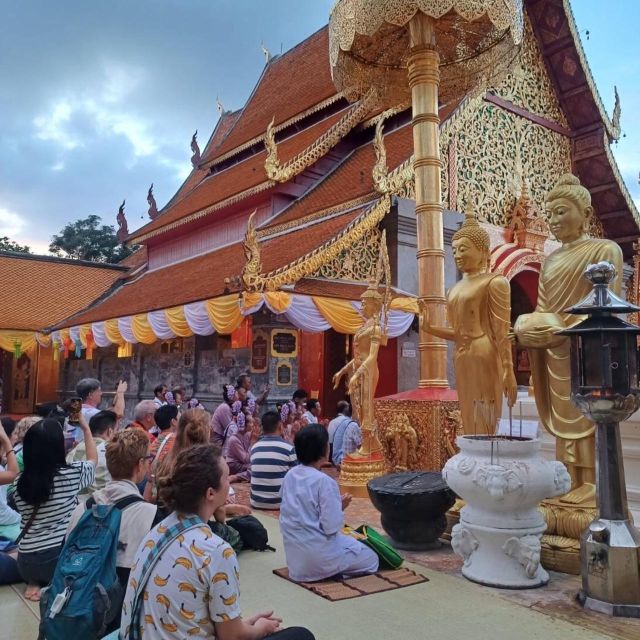
I would recommend it to a first-time Chiang Mai visitor who wants the two most distinctive mountain temple experiences in one evening. It also suits solo visitors, couples, and small groups who value a guide’s help with photos, customs, and Buddhist context.
It is a good fit if you prefer sightseeing by comfortable vehicle rather than negotiating mountain transport. The late timing is useful if you want to avoid the strongest daytime heat and see Doi Suthep during the transition from day to night.
You may want a different plan if you want a long forest hike, extensive time at each temple, or a full-day trip with several additional sights. This route is compact and focused. The schedule gives you a meaningful visit, but not unlimited wandering.
My verdict: a strong evening choice for Chiang Mai
I would book this tour if the sunset view, the illuminated pagoda, and Buddhist guidance appeal to you. Wat Pha Lat provides quiet and atmosphere, while Doi Suthep supplies the grand setting, sacred importance, and city panorama.
The biggest reasons to go are the efficient transport, the well-chosen evening hours, and the chance to learn from a guide who can explain ritual instead of leaving you to guess. The main cautions are the 306 steps, curving road, possible rain or cloud, and the fact that the tour does not include the Monk’s Trail.
For $24, it offers a lot in four and a half hours. Wear proper clothing, bring water or a rain layer, keep your evening schedule loose, and choose the private option if personal attention matters more than the lowest price.
FAQ
How long does the Chiang Mai temple tour last?
The tour lasts approximately 270 minutes, or four and a half hours. Pickup is generally between 4:00 and 4:30 p.m., with drop-off around 8:00 to 8:30 p.m.
What temples does the tour visit?
It visits Wat Pha Lat and Wat Phra That Doi Suthep. Both are mountain temples, but Wat Pha Lat is quieter and surrounded by trees, while Doi Suthep is the larger and more famous sacred site.
Is hotel pickup included?
Hotel pickup and drop-off are included if you select that option. Pickup is available from hotels in Chiang Mai and locations within 2.5 kilometers of downtown, Thaphae Gate, and the Old City Wall. A further pickup may cost extra.
Where is the meeting point?
The meeting point is Pharmart C Drugstore in Chiang Mai. For this option, wait there between approximately 3:50 and 4:15 p.m.
How many steps are there at Doi Suthep?
The main climb to Wat Phra That Doi Suthep includes 306 steps.
Is there a cable car at Doi Suthep?
Yes. A cable car is available for 20 baht, but that cost is not included in the tour price.
What should I wear?
Wear comfortable shoes and clothing that covers your arms and legs. Long trousers are recommended, and short skirts and sleeveless shirts are not allowed.
Is the tour suitable for wheelchair users?
No. The tour is not suitable for wheelchair users because of the temple access and walking involved.
Does the tour follow the Monk’s Trail?
No. This tour does not walk along the Monk’s Trail. It visits Wat Pha Lat and Wat Phra That Doi Suthep as a vehicle-based sightseeing experience.
Is this a private tour?
Private and small-group options are available. The exact group type depends on the option you choose when booking.
Just added around Chiang Mai
- Chiang Mai: Chiang Rai White, Blue & Black Temples Day Tour★ 4.2 · 16 reviews
- Chiang Mai Adventure ATV Secret Waterfall and Bamboo Rafting★ 5.0 · 16 reviews
- Inthanon Small-Group with Kew Mae Pan Trail from Chiang Mai include Lunch★ 4.5 · 16 reviews
- 2-Day Best of Chiang Rai from Chiang Mai Private Package★ 4.5 · 16 reviews
- Private-Tour Doi Suthep Temple and Khun Chang Kien Village Half-Day★ 4.5 · 16 reviews
- Doi Inthanon Discovery Tour: Waterfalls, Villages & Highest Peak★ 3.5 · 16 reviews
- Chiang Mai Iconic Temples and City Tour★ 4.5 · 17 reviews
- Fantastic! Famous Doi Inthanon National park tour with 2hr trekking★ 4.5 · 17 reviews
Temple Tours, compared.
Chiang Rai Temples, Karen Tribe and Hot Springs
Read our review →
City Highlights Temple and Market Walking Tour
Read our review →
Bangkok by Night: Temples, Markets and Food Tuk-Tuk Tour
Read our review →
Grand Palace, Wat Pho, and Wat Arun Guided Tour
Read our review →
Tiger Cave Temple, Emerald Pool and Hot Springs Tour
Read our review →

Chiang Rai White Temple and Blue Temple Day Tour
Read our review →Browse the lists this tour appears in