
Reviewed · FARMS
Chiangmai Coffee Farm Tour
Fresh coffee starts with a cherry. This half-day trip takes you about an hour from Chiang Mai into the mountains, where you pick coffee, roast your own beans, brew the result, and plant a tree. I like the hands-on work and the way coffee becomes more than a drink here. I also like the small group limit of 12, which should make the demonstrations easier to follow. The main drawback is the long ride from town and the fact that activities can change with the season or weather.
The price is $58.41 per person, including pickup, insurance, and the farm program. That is fair value if you want transport and several guided activities in one outing, but less so if you only want a quick plantation visit. Bring comfortable clothes for outdoor work, and allow the full five and a half hours.
In This Review
- Key points at a glance
- Leaving Chiang Mai for the coffee hills
- Arriving at PangHai-So in Doi Saket
- Coffee flower tea and the first taste
- Picking coffee cherries by hand
- From cherries to useful souvenirs
- Roasting your own coffee beans
- Brewing the beans you roasted
- Organic food and time to enjoy the farm
- Planting a coffee tree
- Is $58.41 a fair price?
- Who should book this farm visit?
- Practical advice before you go
- Should you book the Chiangmai Coffee Farm Tour?
- FAQ
- How long does the Chiangmai Coffee Farm Tour last?
- How far is the farm from Chiang Mai old city?
- Is hotel pickup available?
- What activities are included?
- How many people can join the tour?
- What happens if bad weather cancels the tour?
Key points at a glance
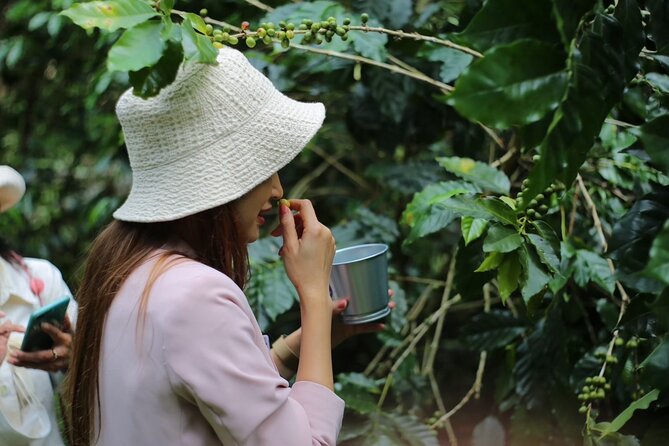
- Coffee flower tea starts the visit: Your welcome drink introduces you to a part of the coffee plant many people never taste.
- You pick real coffee cherries: This is not just a plantation walk. You take part in the harvest.
- Your own roast becomes your own cup: You roast beans, brew them, and drink fresh coffee from the farm.
- Dried cherries become souvenirs: The tour shows how coffee by-products can be reused in a simple craft.
- Tree planting ends the hands-on program: You leave having helped add a new coffee plant to the organic farm.
- The countryside ride is part of the outing: The route passes Doi Saket Hot Springs and rural communities outside Chiang Mai.
Leaving Chiang Mai for the coffee hills
The farm is about one hour from Chiang Mai old city. Pickup is arranged at your hotel lobby at 8:30 a.m., with company staff driving a van. That early start makes sense. It gives you time at the farm without turning the day into a full-day excursion.
The road out toward Doi Saket changes the tone of the trip. You leave the city behind and pass countryside communities where daily life moves at a slower pace. Doi Saket Hot Springs is also along the way, though the information provided does not say that the tour includes a stop there. Treat it as a roadside point of interest, not a guaranteed bathing visit.
I like this transfer because it gives the outing a sense of place. You are not being taken to an isolated coffee attraction with no connection to the region. The drive shows you a little of the rural side of Chiang Mai before the farm work begins.
The trade-off is simple: if you have only a short stay in Chiang Mai, two hours of driving time matters. The trip is best for people who see the journey as part of the experience. If you want to stay close to the old city, a café crawl will be easier.
A few more tours and experiences worth a look
- Off the Map Chiang Mai Jungle Coffee Trek Roast and Brew
★ 5.0 · 107 reviews - Doi Inthanon Day Trip:Twin Pagodas,Soft Hiking,Coffee Plantation
★ 4.5 · 22 reviews - Pai: Ban Ja Bo Sunrise Tour with Coffee and Noodles
★ 3.8 · 27 reviews
Arriving at PangHai-So in Doi Saket
The listed meeting point is PangHai-So, ปางไฮโซ44, at 5 Tambon Thep Sadet, Amphoe Doi Saket, Chiang Mai 50220. The farm is described as an organic operation that grows its own coffee with care. That detail matters because you get to see the plant from cultivation through preparation, rather than only tasting a finished drink.
The setting is one of the strongest reasons to book. The farm sits in the mountains outside Chiang Mai, with coffee plants and countryside around you. The supplied information does not promise a particular view, trail, or wildlife sighting, so I would keep expectations focused on the coffee work itself.
The group is capped at 12 people. That is a useful limit for a practical tour. A small group should make it easier to watch roasting, ask questions, and get a turn at each activity. It also keeps the farm visit from feeling like a large production.
The activity ends back at the meeting point. Since hotel pickup is offered, confirm the return arrangement when you book, especially if you are not planning to drive yourself to PangHai-So.
Coffee flower tea and the first taste
The visit begins with a welcome drink of coffee flower tea. It is a smart opening because it shows you that the coffee plant offers more than beans. You start by tasting something delicate and less familiar before moving on to the fruit itself.
The tea also gives you a quiet moment to settle in after the drive. This is not a rushed tasting counter where you grab a cup and move on. The program then builds from the plant to the cherry, from the cherry to the bean, and from the bean to your finished coffee.
The exact flavor of the flower tea can change with preparation and season. I would not book this expecting a formal tasting menu. Think of it as a gentle introduction and a small detail that makes the farm visit feel distinct.
If you usually drink coffee with milk or sugar, this is a chance to try something different. You may find the flower tea more subtle than coffee, but that is part of its appeal. It helps you pay attention to the plant itself.
Picking coffee cherries by hand
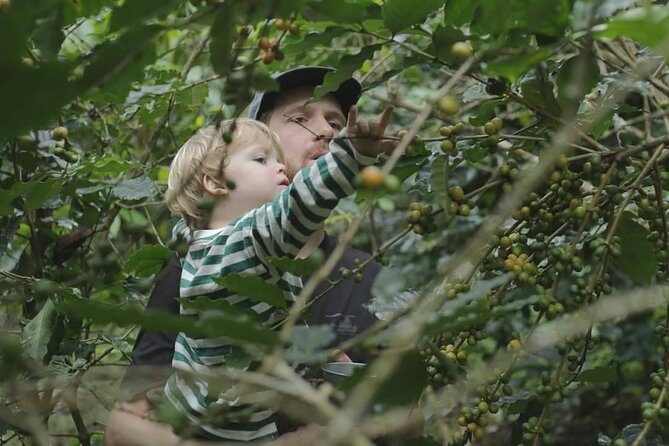
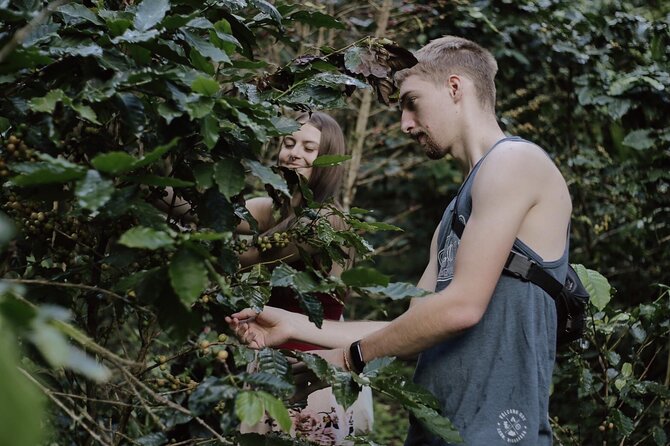
Next comes the harvest. You collect coffee cherries from the farm, giving you a clear picture of where coffee begins. This simple task adds value to the day because you are not only hearing about cultivation. You are handling the fruit that will later be processed, roasted, and brewed.
Coffee cherries are not the brown beans you see in a café grinder. The tour uses the picking activity to show that the familiar coffee bean starts inside a fruit. The process becomes easier to understand when you can connect each stage with something you just did.
Seasonal timing matters here. The program says activities may change depending on the season and current conditions. That means the amount of ripe fruit available can vary, and some parts of the harvest program may be replaced. You should see this as a working farm, not a stage set guaranteed to look the same every month.
Wear clothes and shoes that you do not mind using outdoors. The supplied details do not list a dress code, but coffee picking and planting are practical activities. Comfortable clothing will help you enjoy the work instead of worrying about staying spotless.
Something different for another day:
- Half-Day Thai Cooking Class at Organic Farm in Chiang Mai
★ 5.0 · 19,087 reviews - Chiang Mai: Elephant Sanctuary, Waterfall & Bamboo Rafting
★ 4.9 · 9,160 reviews - Chiang Mai: Doi Inthanon National Park Eco-Friendly Tour
★ 4.6 · 6,667 reviews - Chiang Mai: Elephant Sanctuary & Waterfall Group Tour
★ 4.9 · 5,780 reviews
From cherries to useful souvenirs
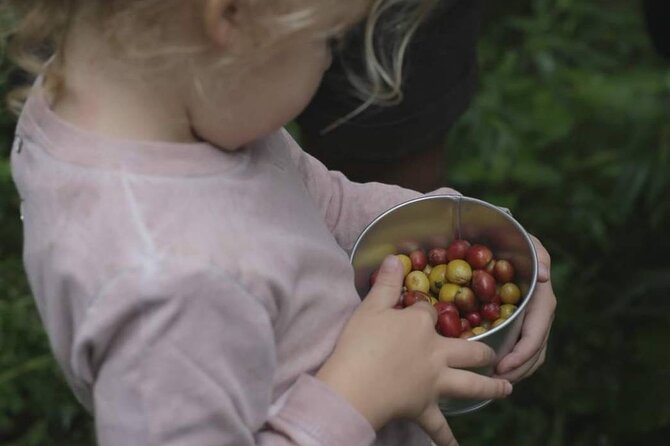
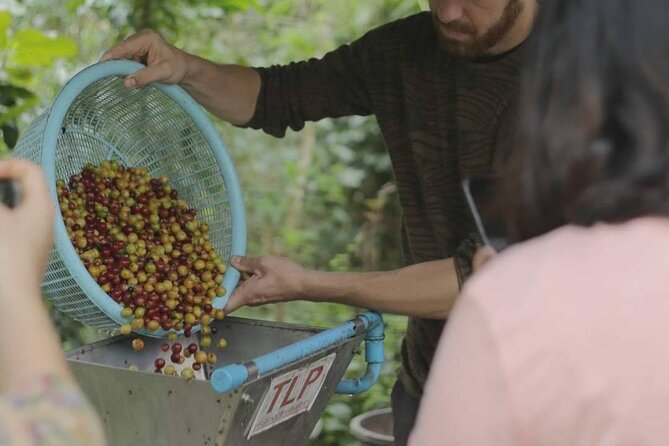
After picking, you learn about coffee processing. This is the part that links the cheerful harvest to the serious work behind every cup. The tour also uses dried cherries to make souvenirs, giving you a small object connected to the production process.
That reuse is a nice touch. Coffee production creates more than the roasted beans you buy, and using dried cherries for a keepsake helps show that the plant has several useful parts. It also gives you something to take home that is tied to what you did at the farm.
The information does not specify the exact souvenir or how much time you spend making it. I would expect a straightforward craft activity, not a long workshop with many design options. The value is in seeing the material used in a new way.
This portion may be especially appealing if you are visiting with children or with someone who does not drink much coffee. The day is not built only around tasting. Picking, processing, crafting, roasting, planting, and transport give the outing several points of interest.
Roasting your own coffee beans
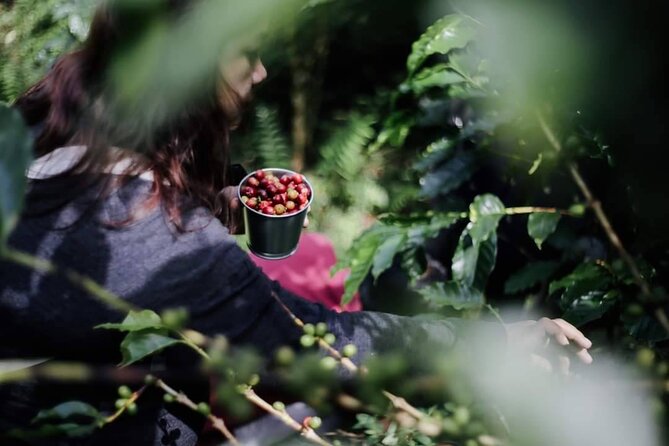
The most unusual part of the program is the roasting session. You roast coffee yourself, then use those beans for brewing. This turns the drink in your cup into the final step of a process you have followed from the plant.
Roasting can change a coffee’s flavor, and the activity lets you see why. Even if the tour keeps the demonstration simple, you will have a more useful sense of how heat affects the beans before they reach a grinder or brewing setup.
The supplied information does not name the roasting method, equipment, or roast levels. Do not arrive expecting a professional coffee laboratory. The strength is participation. You get to make coffee, not just watch an expert prepare it.
I would pay close attention during this stage and ask how the farm decides when the beans are ready. One of the best parts of the experience is comparing the work you did with the taste in the cup. The coffee may not be perfectly consistent, but that is part of the lesson.
Brewing the beans you roasted
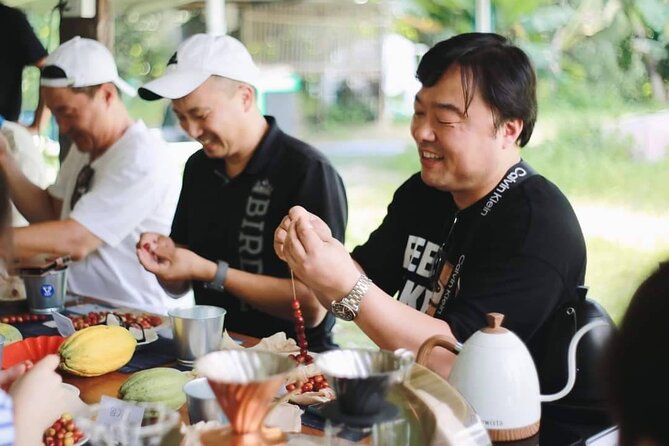
Once the roasting is done, you brew coffee with the beans prepared by the group. This is the payoff. You can connect the farm, the cherry, the processing, the roast, and the final drink in one sitting.
A supplied description of the experience also highlights fresh coffee from the farm. That should appeal to anyone who wants to understand coffee as an agricultural product rather than a café accessory. The cup matters, but the context makes it more memorable.
The program explains that different roasting and brewing methods can change flavor. This is useful even if you already drink specialty coffee. A short, practical demonstration can sharpen your attention to acidity, bitterness, aroma, and body without requiring technical training.
One point to keep in mind: the information does not promise a choice of brewing methods or a guided tasting of several coffees. You should expect to brew the beans you roast, not a full coffee course. Still, that direct connection is the heart of the tour.
Organic food and time to enjoy the farm
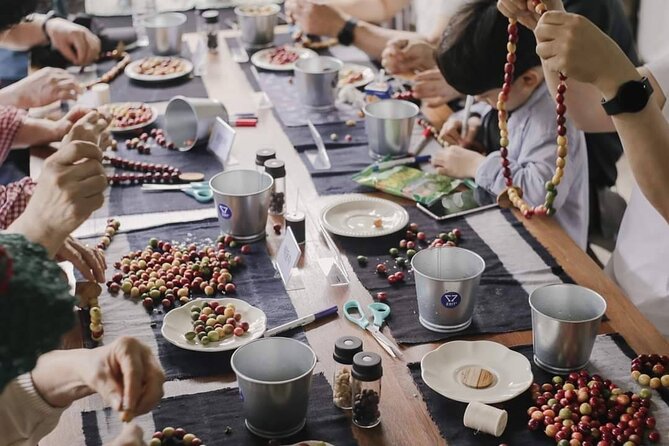
A review of the experience also highlights a great organic meal. The main tour description does not give the meal’s menu, serving time, or dietary arrangements, so ask about those details if food is important to your plans.
If the meal is operating as described, it adds practical value to a morning in the countryside. You are spending five and a half hours away from town, and a meal makes the schedule feel more complete. It also fits the farm’s focus on organic growing and local production.
Do not assume every item is available on every date. The farm states that activities can change with the season and situation. If you have allergies or dietary restrictions, confirm what can be provided before you go.
Planting a coffee tree
The final listed activity is planting coffee trees. It is a fitting close because you finish by contributing to the next stage of the farm instead of only taking something away.
Tree planting also gives the program a longer view. Coffee takes time and care before it becomes a harvest, and putting a young plant in the ground makes that point more real than a short explanation would. You may not see the result of your work, but you can understand the patience required to grow coffee.
The listing does not promise that you can mark or revisit your particular tree. Think of this as a symbolic and hands-on farm activity, not a personal tree adoption program.
I like the balance of the day. You pick cherries, use dried material for a souvenir, roast and brew beans, then plant a new tree. Each step keeps you close to the product and the people who grow it.
Is $58.41 a fair price?
At $58.41 per person, this is not the cheapest way to drink coffee in Chiang Mai. It is also not simply a farm entry ticket. The price covers a five-and-a-half-hour program with hotel pickup offered, a company van, insurance, coffee-related activities, and the chance to take part in the work.
The value improves if you would otherwise need to arrange transport to Doi Saket. The one-hour journey each way can be inconvenient by taxi or rental car, especially if you are unfamiliar with the rural roads. Having pickup arranged removes some planning work.
The price is easier to justify if you enjoy hands-on learning. You are paying for access to a working organic farm and a sequence of activities, not only for a scenic setting. Coffee fans, families, and curious food lovers will probably get more from it than someone who wants a polished café tasting.
With only 34 ratings recorded and a 4.9 score, the available feedback is strongly positive, with 97 percent recommending the experience. That points to a reliable level of satisfaction, but it is still a modest number of ratings. I would use the score as a helpful sign, not the only reason to book.
Who should book this farm visit?
I would recommend it most strongly to:
- Coffee drinkers who want to understand growing, processing, roasting, and brewing
- People who enjoy rural scenery and do not mind an hour-long drive from the old city
- Families looking for activities that involve doing, not just listening
- Visitors interested in organic farming and local production
- Anyone who likes small-group outings with a maximum of 12 people
I would be more cautious if you have limited time in Chiang Mai, dislike outdoor work, or want a formal specialty-coffee class. The itinerary can change with season and weather, so it requires some flexibility.
The tour requires good weather. If poor weather forces cancellation, you can receive a different date or a full refund. You can also cancel for a full refund up to 24 hours before the start time. Changes or cancellations made less than 24 hours before the start are not accepted for a refund.
Practical advice before you go
Plan for the 8:30 a.m. hotel-lobby pickup. Confirmation is sent within 48 hours of booking, subject to availability, so do not leave the reservation until the last minute if your schedule is tight.
Bring comfortable outdoor clothing and shoes. The program includes picking cherries and planting coffee trees, so clothes suited to practical farm work make more sense than city sightseeing clothes.
Ask about the return to your hotel. The activity ends at the meeting point, while pickup is offered from the hotel lobby. The supplied information does not clearly spell out the drop-off arrangement.
Keep your schedule open around the five-and-a-half-hour duration. Farm work and weather can affect timing, and the program may replace some activities depending on the season or situation.
Should you book the Chiangmai Coffee Farm Tour?
Book it if you want coffee explained through your hands, not only through a lecture. Picking cherries, making a dried-cherry souvenir, roasting beans, brewing your own coffee, and planting a tree create a clear story from farm to cup.
Skip it if you want to remain in Chiang Mai old city or prefer a short, polished tasting. The drive takes time, and the program has an outdoor, working-farm feel.
For most coffee fans, the combination of transport, a small group, organic farming, and hands-on activities makes $58.41 reasonable. Just confirm pickup and return details, accept that the program can change, and go ready to get a little dirt on your shoes.
FAQ
How long does the Chiangmai Coffee Farm Tour last?
The experience lasts approximately 5 hours and 30 minutes.
How far is the farm from Chiang Mai old city?
The farm is about one hour from Chiang Mai old city.
Is hotel pickup available?
Yes. Pickup is arranged at the hotel lobby at 8:30 a.m., with company staff driving a van.
What activities are included?
The program includes coffee flower tea, picking coffee cherries, learning about coffee processing, making souvenirs with dried cherries, roasting coffee, brewing the roasted beans, drinking fresh farm coffee, and planting coffee trees.
How many people can join the tour?
The activity has a maximum of 12 participants.
What happens if bad weather cancels the tour?
Because the experience requires good weather, you will be offered a different date or a full refund if poor weather causes cancellation.
Just added around Chiang Mai
- Chiang Mai: Chiang Rai White, Blue & Black Temples Day Tour★ 4.2 · 16 reviews
- Chiang Mai Adventure ATV Secret Waterfall and Bamboo Rafting★ 5.0 · 16 reviews
- Inthanon Small-Group with Kew Mae Pan Trail from Chiang Mai include Lunch★ 4.5 · 16 reviews
- 2-Day Best of Chiang Rai from Chiang Mai Private Package★ 4.5 · 16 reviews
- Doi Inthanon Discovery Tour: Waterfalls, Villages & Highest Peak★ 3.5 · 16 reviews
- Private-Tour Doi Suthep Temple and Khun Chang Kien Village Half-Day★ 4.5 · 16 reviews
- Chiang Mai Iconic Temples and City Tour★ 4.5 · 17 reviews
- Fantastic! Famous Doi Inthanon National park tour with 2hr trekking★ 4.5 · 17 reviews
Farms, compared.
Half-Day Thai Cooking Class at Organic Farm in Chiang Mai
Read our review →
Authentic Cooking Class with Market & Farm Visit
Read our review →
![Floating & Railway Market and Coconut Farm Tour [Optional Luxury]](https://1.introducingthailand.com/wp-content/uploads/floating-railway-market-and-coconut-farm-tour-optional-luxury-400x267.jpg)
Floating & Railway Market and Coconut Farm Tour [Optional Luxury]
Read our review →

Cooking Class with Organic Farm in Chiang Mai at Mama Noi
Read our review →Browse the lists this tour appears in