
Reviewed · SCUBA DIVING
Open Water Course
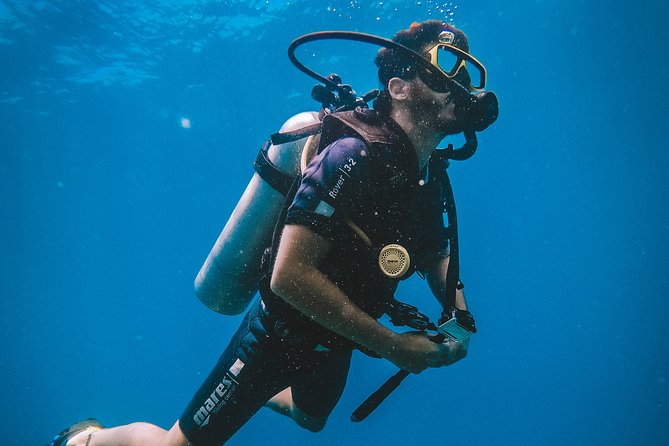
Your first underwater breath changes everything. Koh Tao’s Open Water Course gives beginners a clear path from classroom basics to a recognized certification, with five water sessions spread across about two and a half days. You need no previous experience, only the ability to commit to lessons, equipment practice, and the final exam.
I like the small groups of up to four students per instructor, along with a Dive Master or assistant. I also like that DPM Diving puts a strong focus on instruction in your own language and maintains its own SSI Instructor Trainer Center. The main consideration is time: this is not a quick tryout, and the non-refundable booking policy means you should be certain of your schedule before paying the $376 fee.
In This Review
- Key points before you book
- Why Koh Tao works for a first certification
- Day 1: Classroom basics and your first water session
- Day 2: Two open-water sessions with skills in context
- Day 3: The final two sessions and certification
- What the $376 price really covers
- The instructors and the human side of the course
- Safety, confidence, and the parts that require effort
- Who should choose this Koh Tao course
- Should you book the DPM Open Water Course?
- FAQ
- How long does the Open Water Course take?
- How many water sessions are included?
- Do I need previous scuba experience?
- What depth does the certification allow?
- Where does the course begin and end?
- What happens if bad weather cancels the course?
Key points before you book
- Five water sessions: The course includes one first water session and four open-water sessions, followed by a short exam.
- Small teaching groups: A maximum of four students share one instructor, with an assistant or Dive Master also present.
- Certification to 18 meters: The finished license is internationally valid for life and allows you to scuba anywhere in the world to a depth of 18 meters.
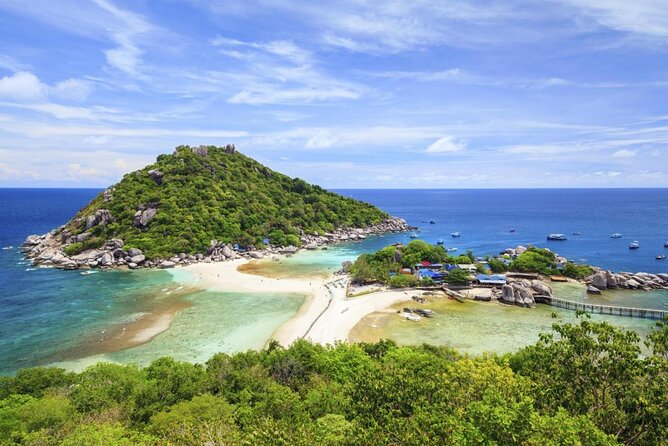
- Nang Yuan Island connection: Nang Yuan Island appears as the course stop, although the exact session timing is not specified.
- About 2.5 days: You begin with classroom work, complete the practical sessions over two more days, and finish around midday on Day 3.
- Strong personal support: Specific instructors praised in course feedback include Natasha, George, Tomas, Esn, Jess, Tyler, Jony, Mind, Joaco, Jessy, Pat, Malena, and Anna.
Why Koh Tao works for a first certification
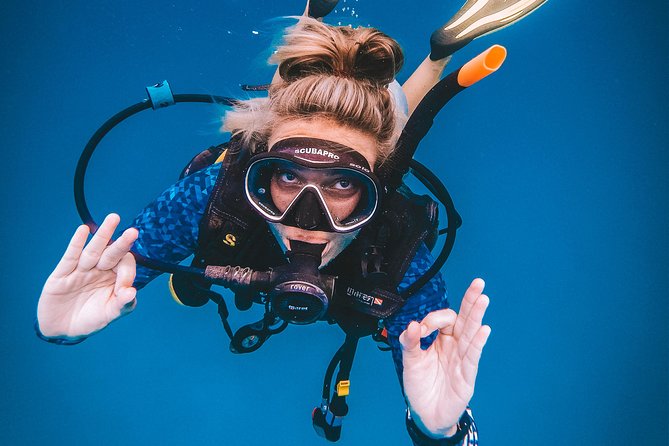
Koh Tao is widely known as a place where beginners learn to scuba. The appeal is easy to understand: warm tropical water, coral, fish, and a compact island setting where many training schools operate.
For a first course, the setting matters less for postcard beauty than for confidence. You are learning to breathe underwater, clear a mask, manage equipment, and stay calm while following instructions. Clear water and a friendly teaching atmosphere can make those first sessions feel far less intimidating.
DPM Diving presents the course as a small-group experience rather than a mass lesson. That matters because new students do not all learn at the same speed. You may need extra help with ear pressure, equipment, or breathing technique, and a four-to-one student ratio gives the instructor more opportunity to notice what is happening.
The course is also suitable for people who arrive alone. The social side comes naturally when you share a classroom, practice sessions, and certification goals. Solo students have found it easy to meet others, while the staff atmosphere is described as welcoming and family-like.
That said, Koh Tao is not a quiet private island during the busy parts of the year. The experience is built around an established training scene, so you should choose it for the quality and structure of the course rather than expecting solitude at every turn.
More Diving Trips in Koh Samui
- Open Water Course – Become certified diver in 3 days
★ 5.0 · 1,137 reviews - Advanced Adventurer – 2 days ( Advanced Open Water)
★ 5.0 · 206 reviews - Basic Diver ( One Day Experience)
★ 5.0 · 205 reviews
Day 1: Classroom basics and your first water session
The first morning begins with theory. This is the part many eager beginners are tempted to rush, but it is where you learn the rules that keep the practical work safe.
Your instructor explains how the equipment works, how to communicate underwater, what to do in common problems, and how to plan a session. You will also learn the basic principles behind pressure and depth. These ideas are not academic decoration. They explain why your ears need attention, why you must ascend in a controlled way, and why good habits matter from your very first session.
The first water session takes place in the afternoon after the morning theory. This gives you a chance to connect the classroom information with actual equipment and underwater practice while your instructor is close by.
For many beginners, this is the emotional center of the course. The first breath through a regulator can feel odd, and ear pressure may cause concern. One student specifically arrived worried about equalizing the ears but completed the course after receiving attentive guidance. That is useful reassurance if you are nervous, though you should always tell your instructor immediately when something feels uncomfortable.
The teaching style appears to be one of the course’s biggest strengths. Names praised for patience, encouragement, and making new students feel safe include Natasha, Esn, Jess, Tyler, Joaco, Jessy, Pat, Jony, and Malena. Instructor assignments can change, so do not book expecting one particular person unless DPM confirms it in advance.
The first session may not deliver the most dramatic coral and fish sightings. Its job is to build control and comfort. Think of it as learning the alphabet before trying to read a novel.
Day 2: Two open-water sessions with skills in context
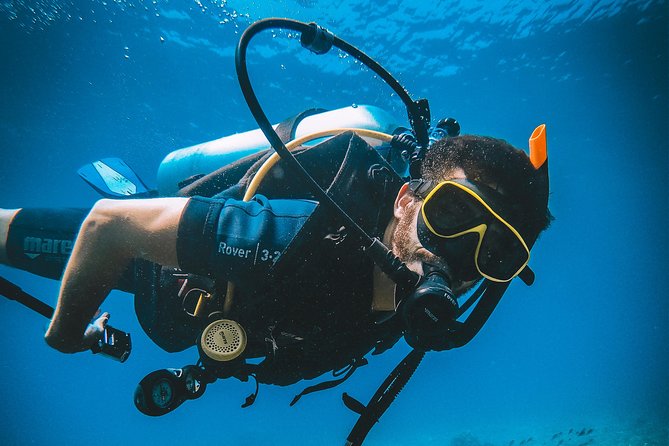
Day 2 combines the remaining classroom work with two open-water sessions. By this stage, you should have a better feel for the equipment and a clearer idea of what your instructor expects.
The practical work now takes place in a real marine setting rather than only as a basic introduction. You continue practicing essential skills while learning how to move calmly, watch your air supply, and remain with the group.
This is where the small class size becomes especially useful. Four students per instructor is still a group, but it is small enough for questions and corrections to be handled without the hurried feeling that can come with a much larger class. The additional Dive Master or assistant adds another layer of supervision.
You should expect the day to require concentration. Scuba training is enjoyable, but it is not passive sightseeing. You are listening, checking equipment, responding to signals, and keeping track of your own comfort. If you are tired, anxious, or having trouble with your ears, speak up rather than trying to keep pace silently.
The course is described as private, with only your group participating. At the same time, DPM uses small groups with a maximum of four students per instructor, so it is sensible to clarify how your booking will be grouped. The practical benefit remains the same: you are not placed into a large beginner crowd.
The staff’s approach seems particularly helpful for adults who are unsure if scuba is still for them. One student in their fifties completed the course after receiving patient instruction, a useful reminder that this is not limited to young backpackers.
Day 3: The final two sessions and certification
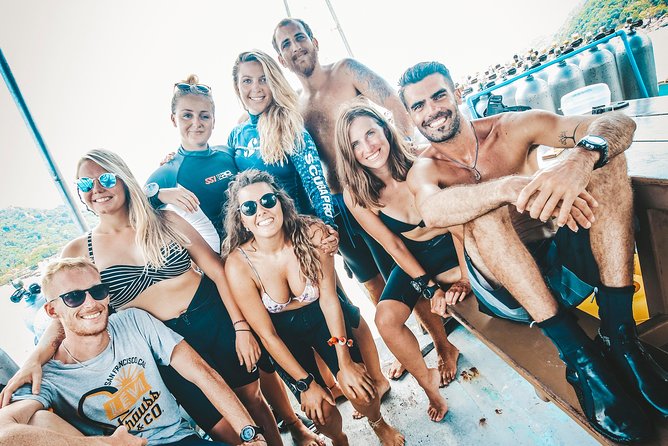
The final two sessions usually take place in the morning. You finish the required water work and return around midday for a short exam.
By this point, the focus is not on showing off. Your instructor wants to see that you can use the basic skills safely and follow the procedures taught during the course. The final sessions also give you more time to enjoy Koh Tao’s underwater setting, and the richest coral and fish sightings may come toward the end, once you are less focused on simply managing the equipment.
Nang Yuan Island is listed as the course stop. Its inclusion adds a scenic island setting to the program, but the schedule does not say exactly which session visits Nang Yuan or how long you spend there. If this stop is important to your plans, ask DPM for the current timing before booking.
After the last session, you complete a short exam around midday. Passing gives you an Open Water certification that is valid internationally and for life, with permission to scuba to 18 meters. That is a serious long-term benefit from a short course. You are not just buying three days of holiday activity. You are gaining a qualification that can be used at future destinations around the world.
The certification does not mean you should immediately attempt the most demanding underwater conditions. It gives you the basic qualification and depth limit. Your comfort, experience, and the local conditions should guide what you do next.
Something different for another day:
- Koh Samui: Pig Island & Koh Tan Snorkeling by Speed boat
★ 4.5 · 4,149 reviews - Koh Tao: Islands Snorkeling Highlights Day Tour & Lunch
★ 4.7 · 3,742 reviews - Koh Samui: Mu Ko Ang Thong Park Cruise with Kayaking Option
★ 4.3 · 3,728 reviews - Koh Samui: Half-Day Island Highlights Tour with Hotel Pickup
★ 4.6 · 3,556 reviews
What the $376 price really covers
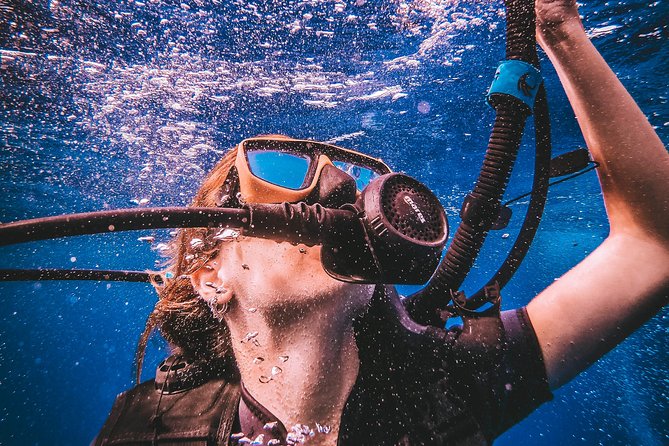
At $376, this is a substantial holiday expense. The price makes more sense when you view it as a full training program rather than a single boat outing.
You receive classroom teaching, practical instruction, five water sessions, equipment support, and the final certification process. You also get a small instructor group and an assistant or Dive Master alongside the main instructor. Those details affect value because personal attention is one of the most important parts of learning safely.
The lifetime and international validity also improve the long-term value. If you expect to scuba again in another country, the qualification can serve as the starting point for future courses and guided trips. Several students used extra time on Koh Tao to continue into an Advanced course, although that additional course is not included here.
There are limits to the value calculation. The supplied information does not specify every inclusion, such as accommodation, meals, transfers, or personal insurance. It also does not state whether any equipment-related extras or certification charges sit outside the advertised fee. Ask DPM for a full list before payment.
For a person who has wanted to learn for years, $376 can be a worthwhile investment. For someone who only wants to see underwater scenery once, a shorter introductory session may be a better financial match. This course is for learning a skill, not simply ticking off an attraction.
The instructors and the human side of the course
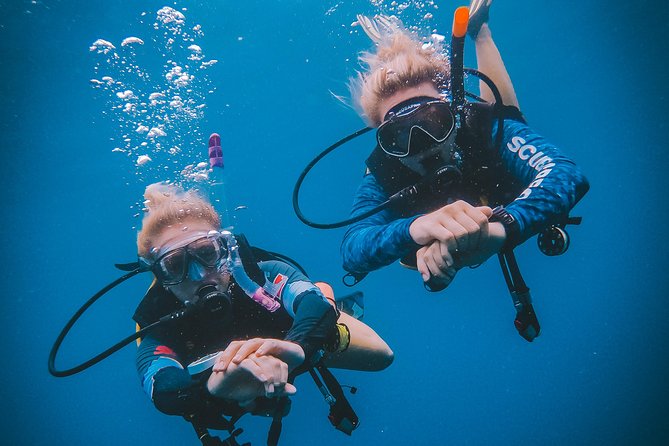
A scuba course can be technically sound and still feel unpleasant if the staff are distant or rushed. DPM’s strongest reputation comes from the personal side of the experience.
George is praised for quick communication before the course, while Tomas helped with registration and practical questions. Anna and George are described as welcoming from arrival, with support that extended to accommodation and arranging further courses. Those details matter when you are arriving on a small island with a tight schedule.
The instructors receive the most direct praise. Natasha is singled out for exceptional support, while Malena is credited with making the course manageable for someone with limited confidence. Jess and Tyler, Jony and Mind, Joaco and Jessy, and Pat and Jony are also praised for reassurance, friendliness, and safety-focused instruction.
You should not treat named instructors as guaranteed assignments. Staff schedules change, and DPM may allocate an instructor based on language, availability, and group needs. The useful point is that the school has a broad team with a strong record of attentive teaching.
The atmosphere also suits solo visitors. You share a goal with the other students, and the course creates easy opportunities to socialize without forcing you into a party scene. If you prefer a completely private instructor-student arrangement, confirm the setup carefully because small group does not always mean one student alone.
Safety, confidence, and the parts that require effort
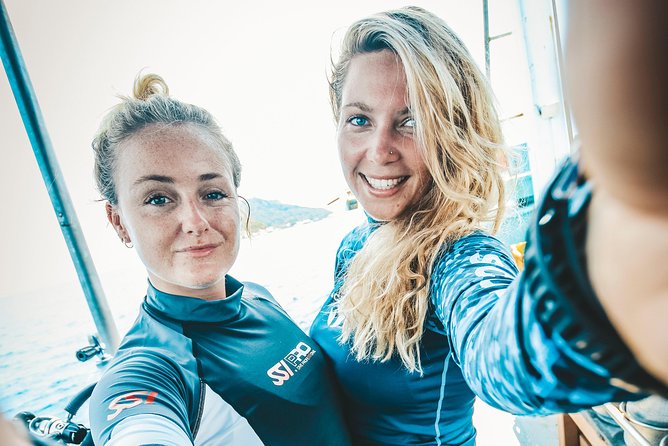
The course’s safety structure is encouraging. Instructors are trained through DPM’s own professional department, identified as an SSI Instructor Trainer Center, and students are accompanied by a Dive Master or assistant. The small group limit further supports close supervision.
Still, good instruction does not remove every challenge. You must be comfortable following directions, listening during theory, and reporting physical discomfort. Ear pressure is a common worry for beginners, and the course feedback shows that patient help can make a difference, but no school can promise that every student will find equalizing easy.
The 2.5-day schedule is efficient but fairly full. You have theory, water sessions, equipment work, and an exam packed into three calendar days. Leave enough space in your Koh Tao plans for the complete program rather than scheduling a ferry or long trip immediately after the final session.
Weather is another practical factor. The course requires good conditions, and poor weather can lead to a new date or a full refund. Since the booking is otherwise non-refundable and cannot be amended, the safest approach is to avoid paying until you are confident that your island plans and health are settled.
Confirmation arrives at booking, and the meeting point is DPM Diving at 1 Tambon Village, 9 Soi DPM Diving, Koh Tao, Surat Thani 84360. The activity ends back there. The meeting point is near public transportation, and most people can participate, but the supplied details do not provide specific medical, age, or certification requirements. Ask the provider directly if you have a health concern.
Who should choose this Koh Tao course
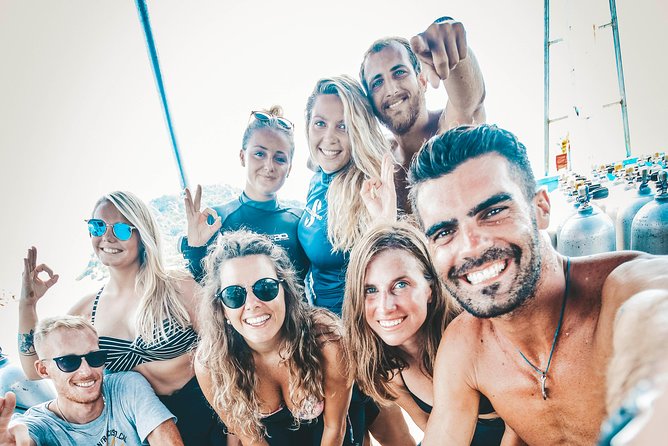
I would recommend this course to you if you want a recognized qualification rather than a one-hour introduction. It suits first-time students, solo visitors, adults who want patient support, and anyone planning to scuba again elsewhere.
It is also a good fit if you value a close instructor relationship. The maximum four students per instructor is a meaningful advantage, especially for people who are nervous about breathing underwater or managing ear pressure.
You may want to reconsider if your Koh Tao stay is shorter than three days, your schedule cannot handle a full morning and afternoon program, or you are uncertain about committing the $376 fee. The non-refundable rule is strict unless poor weather forces cancellation.
Should you book the DPM Open Water Course?
Book it if you want to leave Koh Tao with a lifelong, internationally valid qualification and you appreciate patient instruction in a small group. The course combines attractive underwater surroundings with a practical structure, and the repeated praise for staff support gives it a reassuring human touch.
Before paying, confirm the exact instructor language, what the $376 includes, how your group will be arranged, and when the Nang Yuan Island stop occurs. If the answers fit your plans, DPM Diving looks like a strong choice for turning a tropical holiday into a useful new skill.
FAQ
How long does the Open Water Course take?
The course lasts approximately 2.5 days. Day 1 includes morning theory and an afternoon water session. Day 2 includes further classroom work and two open-water sessions. Day 3 includes the final two sessions and a short exam, usually finishing around midday.
How many water sessions are included?
The course includes five sessions in total. The first takes place on Day 1, followed by two open-water sessions on Day 2 and two more on Day 3.
Do I need previous scuba experience?
No. The course is designed for beginners and does not require previous experience.
What depth does the certification allow?
The certification allows you to scuba anywhere in the world to a maximum depth of 18 meters. It is internationally valid and remains valid for life.
Where does the course begin and end?
You meet at DPM Diving, 1 Tambon Village, 9 Soi DPM Diving, Koh Tao, Surat Thani 84360, Thailand. The activity ends back at the same meeting point.
What happens if bad weather cancels the course?
If poor weather causes cancellation, you will be offered another date or a full refund. For other cancellations or requested changes, the experience is non-refundable and cannot be amended.
Just added around Koh Samui
- MuayThai Advanced class★ 5.0 · 17 reviews
- X Quad Beginner Waterfall ATV Tour (1 Driver)★ 5.0 · 17 reviews
- Koh Tao & Koh Nangyuan Snorkeling Trip By Speedboat From Koh Phangan★ 3.5 · 18 reviews
- Ko Tao: Morning Trip to Ko Nangyuan’s Serene Oasis by Oxygen★ 4.9 · 18 reviews
- 2 Hour ATV Jungle Tour In Koh Samui★ 4.5 · 19 reviews
- X Quad Beginner Waterfall ATV Tour (Driver+Passenger)★ 5.0 · 19 reviews
- From Koh Samui: Koh Tao & Koh Nang Yuan Snorkeling (by Speedboat)★ 4.0 · 20 reviews
- Zipline in Koh Samui Adventure activity tour★ 5.0 · 20 reviews
Scuba Diving, compared.
Open Water Course – Become certified diver in 3 days
Read our review →
Full-Day Beginner Scuba Course with Private Tuition, Racha Yai
Read our review →
Advanced Adventurer – 2 days ( Advanced Open Water)
Read our review →

Padi open water diver course, become a diver in 3 days
Read our review →Browse the lists this tour appears in