
Reviewed · FOOD & DRINK
Chiang Mai: Local Food and Markets Guided Walking Tour
Come hungry, leave happily full. This 150-minute walk through Chiang Mai’s food streets combines small local eateries, market browsing, and useful cultural background without taking up an entire day. I especially like the chance to try Hakka-style noodles and Thai snacks that can be hard to order confidently on your own, and I like the flexible start times, which make this easy to fit into a busy Chiang Mai visit.
The guide is the real key to the experience. Guides such as Koi, Nom, Patty, Banana, Nancy, and Pim have been praised for explaining dishes, customs, and market life in clear English. The main caution is that food is not included in the $48 price, and the walking can be fairly brisk, with one person covering about 2.5 miles.
In This Review
- Key points at a glance
- Starting at Chansom Memorial Bridge
- First taste: Khao Kriab Pak Moh at Lung Khajohn Wat Ket
- Ton Lamyai Flower Market adds a welcome pause
- Go Neng and the famous dinosaur-shaped dough
- Warorot Market is the heart of the walk
- Mango sticky rice brings the sweet course
- Finishing with Hakka-style noodles at Thana Ocha
- What the guide adds to the food
- Timing, pace, and group comfort
- Is $48 good value?
- Who should book this walking food tour?
- My call: book it for guidance, not quantity
- FAQ
- How long does the Chiang Mai food tour last?
- Where does the tour begin?
- Where does the tour finish?
- Is hotel pickup included?
- Is food included in the $48 price?
- What foods might I try?
- Are vegan options available?
- What languages are offered?
- Should I choose a morning start?
- What should I bring?
- Can I cancel the booking?
Key points at a glance
- Four useful food stops: Try steamed rice skin dumplings, pa thong ko, mango sticky rice, and Hakka-style noodles, with purchases paid separately.
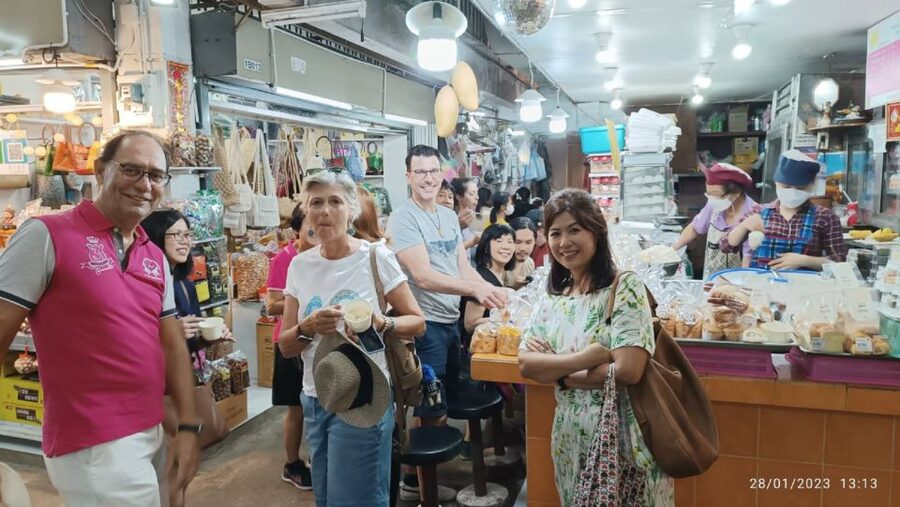
- A proper local-market setting: Warorot Market offers snacks, produce, clothing, and everyday shopping rather than a staged food attraction.
- The flower market adds color: Ton Lamyai Flower Market is a pleasant visual break between food stops, with fresh flowers and herbs.
- Morning times are best: Many named food places close by early afternoon, so the 2:30 pm departure may use alternative stalls.
- A guide saves guesswork: Your guide can order, explain ingredients, point out customs, and suggest other places to eat in Chiang Mai.
- A short but active walk: Wear good shoes and expect heat, traffic, market crowds, and time on your feet.
Starting at Chansom Memorial Bridge
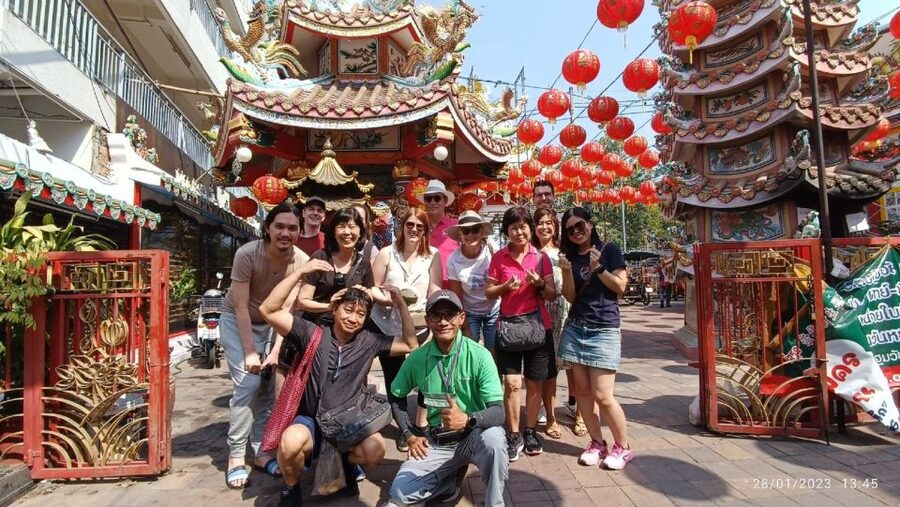
The meeting point is Chansom Memorial Bridge, known locally as Khua Khaek, opposite Ton Lamyai Flower Market. It is on the Praisanee Road side of the river area, and the tour finishes at Ton Lam Yai Market.
Your guide carries a TripGuru sign. You need to arrive 10 minutes early, since the guide can wait no more than 10 minutes after the scheduled time. Morning traffic can be much slower than a map app suggests, so allow extra time if you are coming from another part of Chiang Mai.
There is no hotel pickup or drop-off. That keeps the tour focused and helps explain the moderate length and price, but you need to arrange your own ride to the bridge. The evening before, the team emails to confirm the meeting time and point, so check your inbox before heading out.
More Walking Tours in Chiang Mai
- Chiang Mai: 3 Hour Old City and Temples Guided Walking Tour
★ 4.6 · 1,568 reviews - Chiang Mai: Historic Temples and City Guided Walking Tour
★ 4.7 · 650 reviews - Chiang Mai: Temple And City Walking Tour Part I
★ 4.7 · 244 reviews
First taste: Khao Kriab Pak Moh at Lung Khajohn Wat Ket
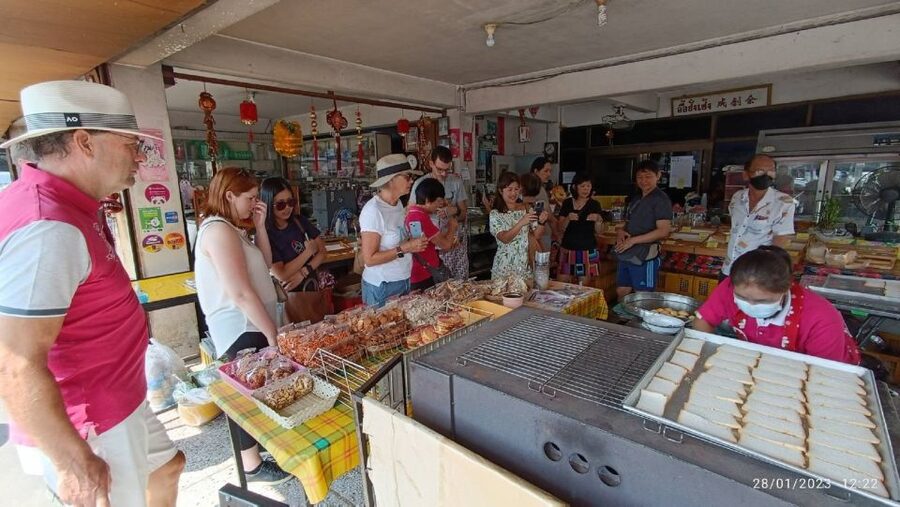
The first food stop is Lung Khajohn Wat Ket, known for Khao Kriab Pak Moh. These are sweet, steamed rice skin dumplings filled, in the version described here, with peanuts.
This is a smart opening dish. It is small, soft, and not too heavy, so it gives you a gentle introduction to Thai snack culture before the larger tastings. If you have never encountered rice skin dumplings, the texture may be the most interesting part: delicate on the outside, with a sweet and nutty center.
A guide matters here because the dish is not the sort of item many first-time visitors would spot and order from a market stall. Your guide can identify it, explain how it is eaten, and help with the ordering. The first stop has also sometimes been very busy, so a guide who knows the stall can make the process easier.
This is one place where the tour feels more useful than simply following a food map. You are not only being shown a snack. You are being introduced to the kind of everyday specialty that could easily pass unnoticed.
Ton Lamyai Flower Market adds a welcome pause
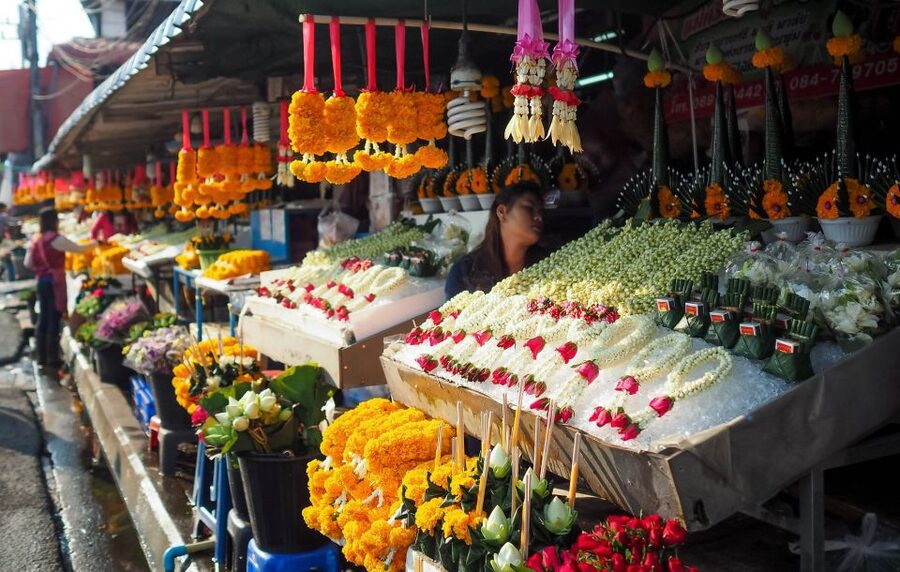
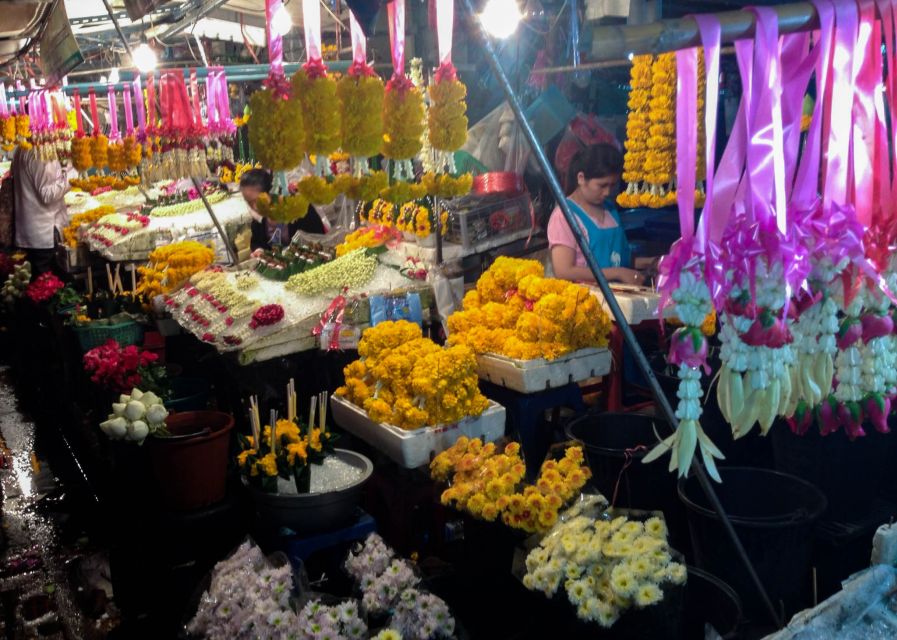
After the first tasting, the route passes through Ton Lamyai Flower Market. Fresh flowers and herbs brighten the walk, and the market offers a change of pace after standing around a food stall.
This is not presented as a long flower-arranging lesson. Think of it as a colorful market passage with time to look, take photographs, and notice another part of Chiang Mai’s daily trade. The location also makes the opening and closing points easy to understand: you begin across from the flower market and end at Ton Lam Yai Market.
Bring a camera, but also keep your belongings close in crowded areas. Sunglasses, a hat, sunscreen, and insect repellent are sensible in Chiang Mai’s warm conditions. The market itself may be more rewarding for people who enjoy ordinary local commerce than for anyone expecting a formal sightseeing stop.
Go Neng and the famous dinosaur-shaped dough
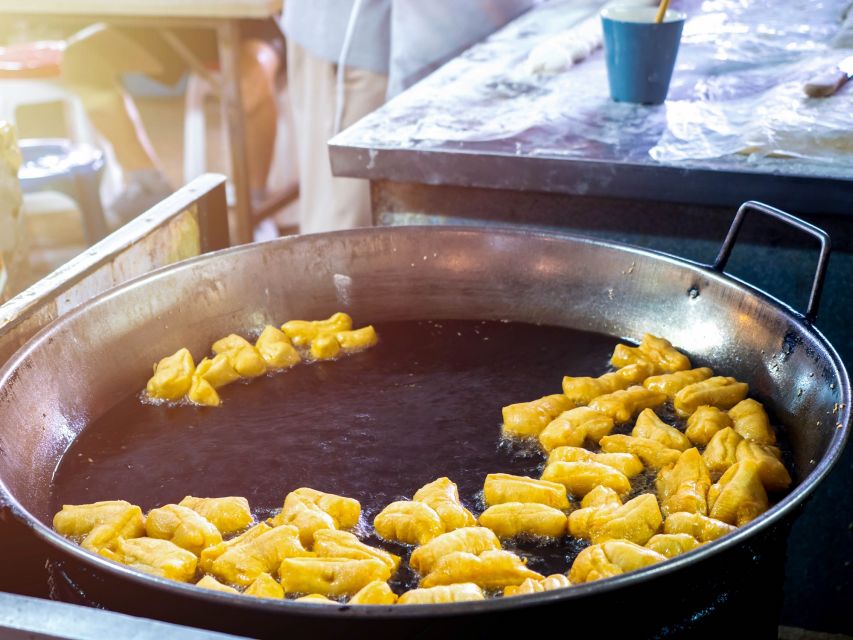
The next food stop is Go Neng, where you try pa thong ko, Chinese-style deep-fried dough sticks. Some pieces are shaped in amusing forms that resemble dinosaurs, which explains the snack’s playful reputation.
The shape is part of the fun, but the food is still a genuine local favorite rather than a novelty created only for visitors. The dough is fried, so this stop brings a richer, more filling bite than the steamed dumpling.
One useful thing about the tour is the chance to try such a snack without having to guess how much to order or where to stand. The guide can handle the exchange and explain what locals eat. You should still keep some room for the later stops. The dough is easy to underestimate, particularly when you are enjoying it in the morning.
If your main goal is a long list of tastings, this tour may feel restrained. The experience usually includes around four or five main stops, not a food marathon. That shorter format works well for a first look at Chiang Mai cuisine, but serious food fans may want a longer evening food tour afterward.
More Food Tours in Chiang Mai:
- Small-Group Chiang Mai Evening Street Food Tour
★ 4.5 · 826 reviews - Chiang Mai: Evening Local Street Food Market Tour
★ 4.8 · 604 reviews - Northern Flavours Chiang Mai Food Tour with 15+ Tastings
★ 5.0 · 513 reviews - The 10 Tastings of Chiang Mai With Locals: Private Street Food Tour
★ 5.0 · 216 reviews
Warorot Market is the heart of the walk
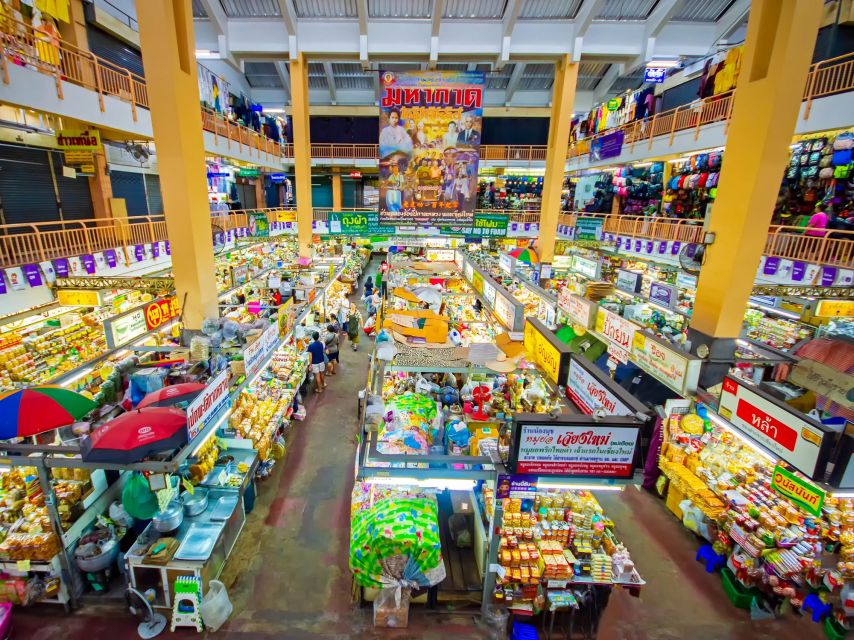
Warorot Market is the largest and most substantial part of the route. It is known for food, produce, clothing, snacks, and other goods, so you get more than a quick stop at a row of restaurants.
This is where the guide’s local knowledge earns its keep. The market can be difficult to read at first. There are unfamiliar ingredients, prepared foods, packaged snacks, and stalls serving different kinds of customers. A guide can explain what you are seeing and steer you toward items that fit the group’s appetite.
The walk through Warorot also adds social context. Several people who took the tour appreciated learning about local eating customs, Chinese influences, ingredients, and the reasons certain foods became part of Chiang Mai life. One guide even added a temple stop for a small group, showing how the route can sometimes include a little more city context when time allows.
Do not expect every stop to operate exactly as printed. Restaurants and stalls can close, become too crowded, or change their hours around holidays and New Year. The guide may replace a planned stop with another local stall. That flexibility is a benefit, though it means you should treat the named itinerary as a guide rather than a guarantee.
Mango sticky rice brings the sweet course
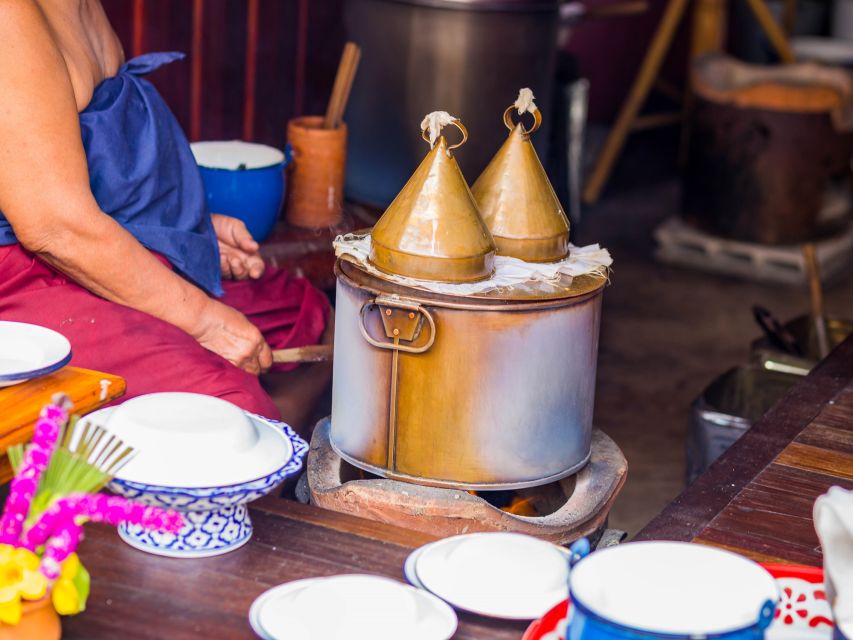
Inside or around Warorot Market, the guide looks for a stall selling mango sticky rice. This is the tour’s main sweet course, and it arrives at a useful point in the route.
Mango sticky rice is familiar to many people before they arrive in Thailand, but eating it at a market stall gives the dish a more direct connection to local shopping and eating habits. The combination of sweet mango, sticky rice, and coconut flavors also gives the walk a clear dessert moment.
There is a practical wrinkle: because the tour includes several separate purchases, you need cash. Food and tasting costs are not part of the $48 booking price. That can be slightly inconvenient, especially for families or anyone who prefers one all-inclusive payment, but individual items are described as reasonably priced.
I would budget extra cash rather than arrive with only the tour fee. You may also want to buy packaged snacks or other market goods, though the tour is not designed around shopping. Keep your purchases manageable, since you will still be walking.
Finishing with Hakka-style noodles at Thana Ocha
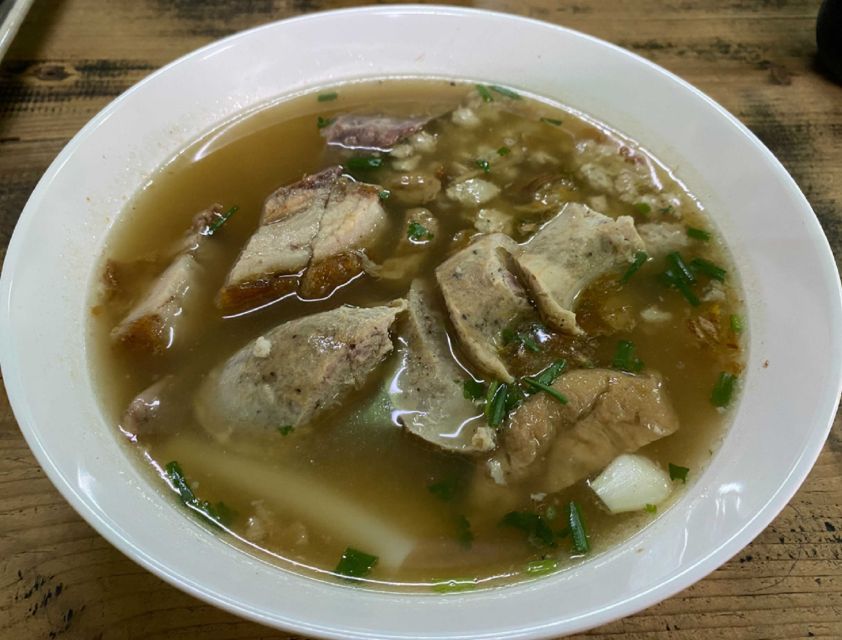
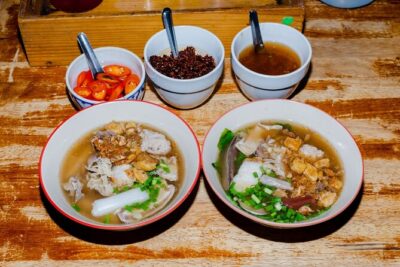
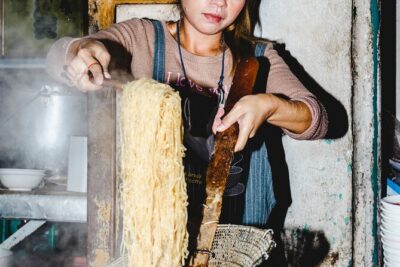
The final food stop is Thana Ocha, known for Hakka-style noodles served with Hakka stuffed tofu, fish sausage, and wontons. This is the most substantial dish on the route and a fitting finish after several small snacks.
The bowl brings Chinese culinary influence into the Chiang Mai food story. That is one of the strongest features of this experience. You are not being shown only the dishes most familiar from tourist menus. You are also tasting food shaped by the city’s Chinese connections and local eating habits.
Several people especially enjoyed the first dumplings and the last noodle dish. That makes sense: the dumplings are unusual and delicate, while the noodles provide a savory, satisfying finish. If you take the tour around lunchtime, you may be completely full by the end. It is wise to avoid a large breakfast before a morning departure.
The route can feel a little zigzagged because dessert comes before the final savory bowl. That is not a major problem, but you should expect a food walk with practical market routing rather than a perfectly straight sightseeing circuit.
What the guide adds to the food
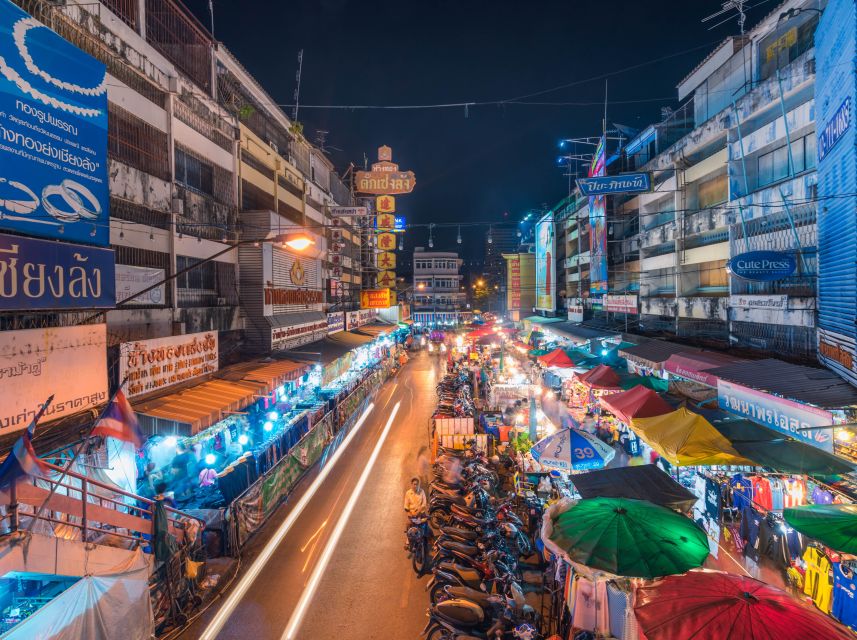
The guides are the most consistently praised part of this experience. Koi is described as friendly, flexible, and especially good with families. Nom helped with shopping bags for one group, while other guides have ordered food, found seating, taken photographs, and adjusted the route when a stall was closed.
That practical help makes a difference. You can spend your attention on the food and surroundings instead of worrying about pointing at the right dish or finding an open table. Clear English is available, and the tour is offered in English and Thai.
The best guides do more than name the dishes. They explain preparation, spices, local customs, and the background of the neighborhoods. Several people also received restaurant, night-market, and coffee-shop suggestions for the rest of their stay.
The level of commentary may vary by guide. One person found the tour too quick and wanted more explanation, while others felt they received a small city tour along with the food. If learning about cuisine is your main reason for booking, ask questions as you walk. The format gives you a good chance to turn the experience into a conversation rather than a simple series of tastings.
Timing, pace, and group comfort
The tour lasts 150 minutes, or two and a half hours. That is long enough for several stops and market exploration, but short enough to fit before another afternoon plan.
Morning departures are the safest choice if you want the listed food stops. Many restaurants close by early afternoon. The 2:30 pm option is still possible, but the guide may take you to other street-food stalls instead. Those alternatives can still be authentic, but book a morning slot if Thana Ocha, Go Neng, and the other named stops are important to you.
The pace is active. You walk between markets and food stops, sometimes through crowded areas, and the route may cover about 2.5 miles. Comfortable shoes are essential. This is not a good fit for people with mobility impairments, heart problems, or respiratory issues, and it is not recommended for pregnant women.
Chiang Mai heat can make a short route feel longer. A hat, water, sunscreen, and light clothing will help, though water is not listed as an included item. The tour is also not suitable for vegans, and no vegan option is available.
Is $48 good value?
At $48 per person, this is not the cheapest way to buy a few snacks in Chiang Mai. Since food and tastings cost extra, you should compare the price with what you value most: local guidance, ordering help, market interpretation, and a planned route.
I consider it fair value for a first day in Chiang Mai, especially if you are unsure how to approach local stalls. The guide can take you to places you might not locate alone and explain foods that are easy to overlook. You are also paying for a compact experience that combines food, markets, flowers, and neighborhood context.
The value is weaker if you already know Chiang Mai’s markets or are comfortable ordering street food by yourself. In that case, you may prefer to spend the $48 directly on several meals and explore independently.
Food costs remain manageable because the tastings are individual market purchases rather than a formal restaurant meal at every stop. Still, bring cash and expect the final amount to rise if you buy gifts or extra snacks.
The tour also includes carbon-emissions offset credits and is GSTC-certified, which gives it a lower-impact focus. That does not change the walking route, but it may matter if you prefer activities that address their environmental footprint.
Who should book this walking food tour?
I would recommend it for a first visit to Chiang Mai, curious eaters, couples, solo visitors, and small groups who want an easy introduction to local food. It is also useful on your first full day, since the guide may point you toward restaurants and markets for the rest of your stay.
Families can enjoy it, but keep the pace and food format in mind. A guide named Koi received praise for adapting to a picky five-year-old, yet the walk still involves heat, crowds, and several tastings. Older children may enjoy the dinosaur-shaped dough more than a long historical talk.
This is less suitable for strict vegans, people who cannot walk several miles, or anyone wanting a slow sit-down meal. It also may disappoint food enthusiasts looking for ten or twelve tastings. The tour gives you a focused sample, not an all-day eating expedition.
My call: book it for guidance, not quantity
Book this tour if you want a friendly local guide to remove the guesswork from Chiang Mai’s food markets. The strongest parts are the unusual first snack, the lively market route, the Chinese-influenced noodle dish, and the guides’ willingness to order, explain, and adjust.
Choose a morning start, wear good shoes, and carry cash for food. Skip it if you need vegan choices, hotel transport, a slow pace, or food included in the price.
For the right visitor, $48 buys more than a few bites. It buys a useful introduction to where Chiang Mai eats and how to start exploring on your own.
FAQ
How long does the Chiang Mai food tour last?
The tour lasts 150 minutes, or two and a half hours.
Where does the tour begin?
It begins at Chansom Memorial Bridge, also called Khua Khaek, opposite Ton Lamyai Flower Market.
Where does the tour finish?
The tour finishes at Ton Lam Yai Market.
Is hotel pickup included?
No. Hotel pickup and drop-off are not included, so you need to reach the meeting point yourself.
Is food included in the $48 price?
No. Food and tasting expenses are paid separately at the stalls and restaurants.
What foods might I try?
Possible tastings include Hakka-style noodles, mango sticky rice, pa thong ko deep-fried dough sticks, and Khao Kriab Pak Moh steamed rice skin dumplings.
Are vegan options available?
No vegan option is available, and the experience is not suitable for vegans.
What languages are offered?
The tour is offered in English and Thai, with a live guide.
Should I choose a morning start?
A morning start is recommended if you want the named restaurants and stalls. Many of them close by early afternoon, while the 2:30 pm option may use alternative food stalls.
What should I bring?
Bring comfortable shoes, sunglasses, a hat, a camera, sunscreen, insect repellent, and cash. Be ready at the meeting point 10 minutes before the scheduled time.
Can I cancel the booking?
Yes. You can cancel up to 24 hours in advance for a full refund. You can also reserve now and pay later.
Just added around Chiang Mai
- Chiang Mai: Chiang Rai White, Blue & Black Temples Day Tour★ 4.2 · 16 reviews
- Chiang Mai Adventure ATV Secret Waterfall and Bamboo Rafting★ 5.0 · 16 reviews
- Inthanon Small-Group with Kew Mae Pan Trail from Chiang Mai include Lunch★ 4.5 · 16 reviews
- 2-Day Best of Chiang Rai from Chiang Mai Private Package★ 4.5 · 16 reviews
- Doi Inthanon Discovery Tour: Waterfalls, Villages & Highest Peak★ 3.5 · 16 reviews
- Private-Tour Doi Suthep Temple and Khun Chang Kien Village Half-Day★ 4.5 · 16 reviews
- Chiang Mai Iconic Temples and City Tour★ 4.5 · 17 reviews
- Fantastic! Famous Doi Inthanon National park tour with 2hr trekking★ 4.5 · 17 reviews
Food & Drink, compared.
White Orchid Chao Phraya Dinner Cruise free Beer
Read our review →
Bangkok by Night: Temples, Markets and Food Tuk-Tuk Tour
Read our review →
Southern Flavors Phuket Food Tour with 15+ Tastings
Read our review →Bangkok Backstreets Food Tour with 15+ Tastings
Read our review →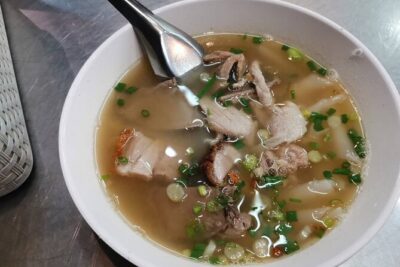
Browse the lists this tour appears in