
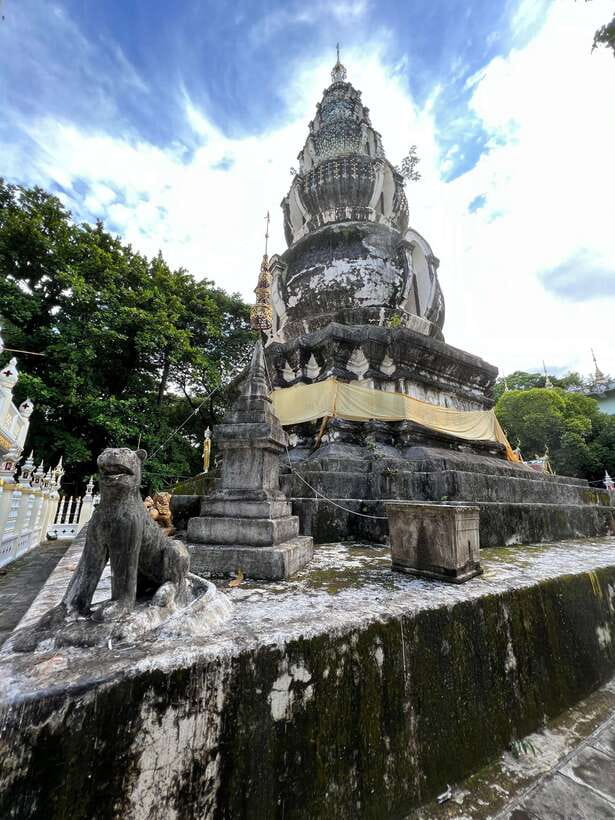
Reviewed · TEMPLE TOURS
Chiang Mai: Temple & City Tour Part II
Quiet temples tell the best stories. Chiang Mai: Temple & City Tour Part II takes you beyond the city’s headline sights to four temples with strong links to Lanna, Shan, and Burmese culture. I like the route’s focus on Wat Chiang Man, the city’s oldest temple, and the chance to ask real questions about Buddhism, prayer, meditation, and monastic life.
I also like the personal touch from guides such as Katoon, Big, Eddy, and Son, several of whom explain temple customs from direct experience. The main consideration is the heat and the walking: you may be on your feet for hours, and the tour can feel tiring if you combine it with Part I on the same day.
In This Review
- Four details that make this temple walk worthwhile
- Starting at 8:20 in Chiang Mai’s old city
- Wat Chiang Man, where Chiang Mai begins
- Wat Chiang Yuen and the Shan connection
- Wat Pa Pao, a Shan Burmese-style temple
- Wat Ku Tao and a Burmese prince’s ashes
- Why the guides matter so much
- The real value of $31
- Heat, clothing, and who should book
- Practical ways to get more from the walk
- Should you book Chiang Mai: Temple & City Tour Part II?
- FAQ
- How long does the Chiang Mai Temple & City Tour Part II last?
- What time does the tour start?
- Which temples are included?
- How much does the tour cost?
- Is hotel pickup and drop-off included?
- What languages can the guide speak?
- Is this a private tour or a group tour?
- Is food included?
- What should I bring?
- Can I cancel for a full refund?
Four details that make this temple walk worthwhile
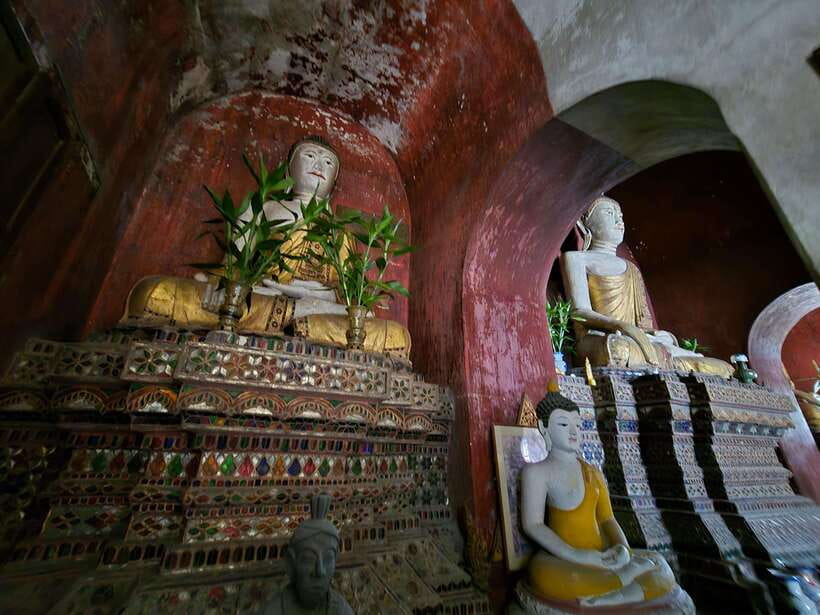
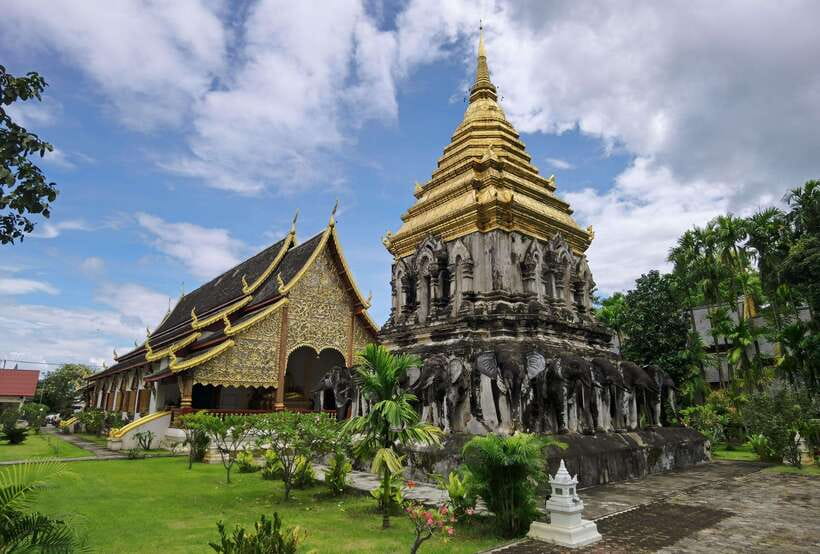
- Wat Chiang Man dates to 1296: King Mengrai built Chiang Mai’s oldest temple, where a crystal Buddha image is enshrined.
- Shan and Burmese traditions shape the route: Wat Chiang Yuen and Wat Pa Pao reveal cultural links that are easy to miss in the central old city.
- Wat Ku Tao has an unusual chedi: It is thought to hold the ashes of Prince Saravadi, Chiang Mai’s first Burmese overlord.
- Former monks can add meaning: Guides including Katoon and Big have explained Buddhist practice, monk life, meditation, and temple etiquette.
- The walk visits places you might skip alone: Several people found the quieter temples and lesser-known rooms especially rewarding.
- The $31 price is fair for a small group: A guide, temple interpretation, and a full day of walking are included, with hotel transfers available for the private option.
Starting at 8:20 in Chiang Mai’s old city
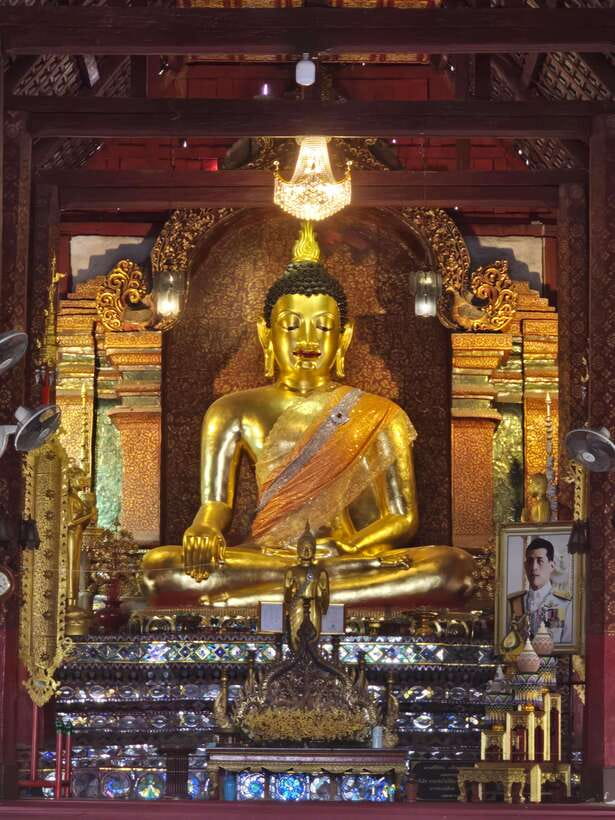
The tour begins at 8:20 am, although available starting times should be checked when you book. The meeting-point directions deserve care. One booking party had trouble with the plus-code address, which did not mean much to the taxi driver or hotel staff. If you are meeting at a central point, confirm a landmark such as the Three Kings Monument rather than relying only on a code or a general Chiang Mai map.
This is primarily a walking tour, not a sightseeing circuit by minibus. That matters because the route lets you notice ordinary streets, temple compounds, and changing architectural details at ground level. It also means you should bring water, an umbrella, cash, and clothing suitable for entering temples.
The route is described as relatively easy, but easy does not mean effortless in northern Thailand. You may walk for several hours in heat, and there is no meal included. Wear comfortable shoes and plan food before or after the tour. If you have already booked Part I, think carefully before scheduling both parts on one day. One person who did both found the combined walking demanding, even though the content was worthwhile.
More City Tours in Chiang Mai
- Chiang Mai: 3 Hour Old City and Temples Guided Walking Tour
★ 4.6 · 1,568 reviews - Chiang Mai: Historic Temples and City Guided Walking Tour
★ 4.7 · 650 reviews - Chiang Rai Day Trip from Chiang Mai City with Golden Triangle
★ 4.5 · 531 reviews
Wat Chiang Man, where Chiang Mai begins
Wat Chiang Man is the natural first stop. King Mengrai built it in 1296, making it the oldest temple in Chiang Mai town. That date gives you an immediate sense of place: this is not simply another ornate Buddhist site, but part of the city’s founding story.
The temple is also associated with a crystal Buddha image. The guide can help you understand why particular Buddha images matter, how people approach them, and how religious art carries stories rather than serving only as decoration.
This is where a good guide can change the visit. Instead of walking through, taking a quick photo, and moving on, you can ask how to pray, what behavior is suitable inside a shrine, and why certain images receive special respect. Big showed visitors how to pray and explained the daily life of monks. Katoon has also used temple artwork to explain stories from the Buddha’s previous lives.
You should dress modestly from the start. Short skirts are not allowed, and the broader rules also prohibit disruptive behavior, smoking indoors, alcohol, drugs, drones, weapons, and sharp objects. These restrictions are not difficult to follow, but they are worth knowing before you arrive.
Wat Chiang Yuen and the Shan connection
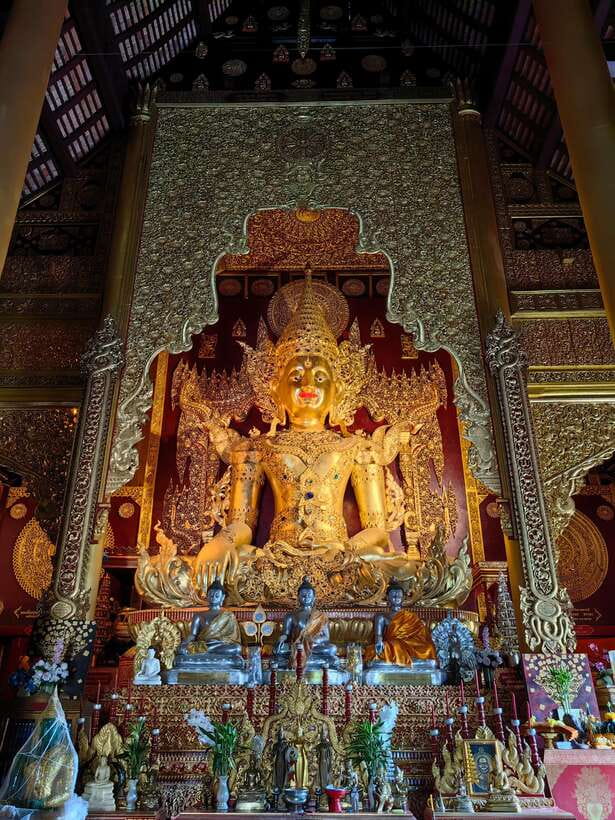
Wat Chiang Yuen brings a different layer to the route. It is described as a 16th-century temple in an area that once served as a residential quarter for Shan people. That connection makes the stop useful for understanding Chiang Mai as a meeting point of cultures, not just a Lanna capital filled with Thai temples.
The Shan are part of the wider cultural story of northern Thailand and nearby Myanmar. At Wat Chiang Yuen, your guide can point out how the temple’s setting and design relate to the people who lived in the area. You may find this stop less instantly famous than Wat Chiang Man, but it adds context to the whole walk.
I like this kind of stop because it gives you something to look for. Rather than judging a temple only by its size or shine, you begin asking who used it, who built it, and how migration shaped the city. Guides have answered questions about Thai culture, Buddhism, and everyday life here, making the temple more than a photo stop.
The pace is another plus. Several visitors found the route well paced, with enough time to ask questions without being hurried from one building to the next. Still, your experience will depend on group size and guide. Private and small-group options are available if you want more time for conversation.
Wat Pa Pao, a Shan Burmese-style temple
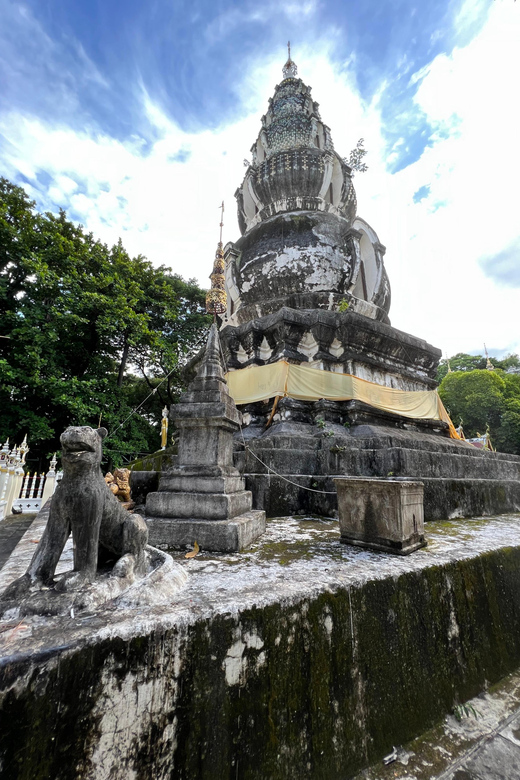
Wat Pa Pao sits outside Chiang Mai’s old city walls and moats. Its Shan Burmese style gives the tour a clear visual shift from the temples most people first see around the central old city.
This stop is especially useful if you want to compare northern Thai, Shan, and Burmese influences. A guide can explain the differences in design and religious setting, helping you notice features you might otherwise treat as simply colorful or unusual.
The value here is not only architectural. The temple helps show how Buddhist practice crosses modern borders and how Chiang Mai’s religious life has been shaped by communities from the wider region. This is one reason the tour works well for people who have already visited several major temples but want more background.
Some guides also discuss the life of monks in practical terms, including meditation and the daily habits of monastic communities. Katoon’s former-monk experience has been particularly useful for people who wanted to ask direct questions in a calm setting. Big, who also spent time as a monk, has offered similar insight.
Do not expect every stop to feel grand or crowded. That is part of the point. The quieter setting may appeal to you if you prefer observation and conversation over a rapid checklist of famous buildings. It may feel less exciting if your main goal is dramatic architecture at every stop.
More Temple Tours in Chiang Mai
- Chiang Mai: Chiang Rai Temples, Karen Tribe and Hot Springs
★ 4.7 · 5,401 reviews - Chiang Rai White Temple and Blue Temple Day Tour
★ 4.6 · 3,366 reviews - Chiang Mai: White, Red/Black & Blue Temples Tour with Lunch
★ 4.2 · 2,017 reviews - Chiang Mai: Doi Suthep and Wat Umong Enchanting Evening Tour
★ 4.6 · 1,811 reviews
Wat Ku Tao and a Burmese prince’s ashes
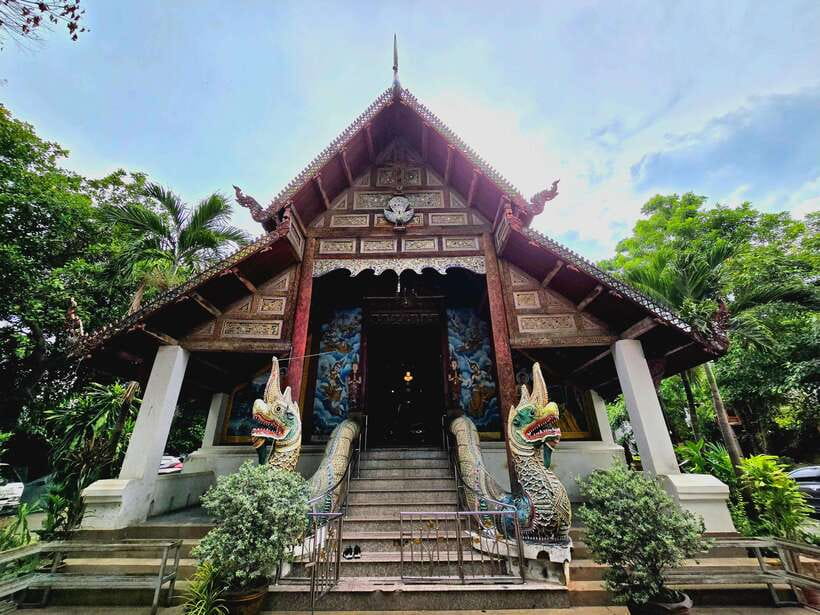
The final temple, Wat Ku Tao, is known for an unusual chedi thought to have been built in 1613. It is associated with the ashes of Prince Saravadi, who lived from 1578 to 1607 and is described as the first Burmese overlord of Chiang Mai.
That connection gives the temple political as well as religious importance. It also shows how Chiang Mai’s past includes periods of Burmese rule and shifting power. The chedi’s unusual form is worth close attention, especially after your guide explains its purpose and connection to Prince Saravadi.
This is the sort of information that can be hard to pick up from a guidebook while walking alone. The site may not be on your independent route, and you might pass nearby without knowing why it matters. The guide’s role is to connect the structure with people, dates, beliefs, and regional politics.
The stop also reinforces the route’s main strength: each temple has a different reason for being here. Wat Chiang Man links to the city’s foundation. Wat Chiang Yuen reflects the Shan community. Wat Pa Pao shows Shan Burmese design. Wat Ku Tao connects religion with royal power and Chiang Mai’s complicated past.
Why the guides matter so much
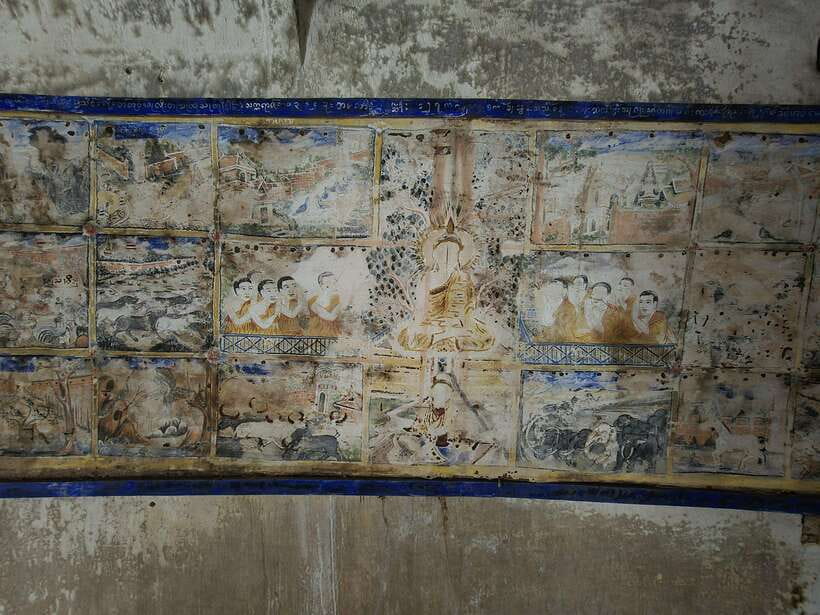
The strongest part of this tour is the guide, not transportation or a long list of included extras. Katoon is repeatedly praised for patient explanations of Buddhism, Thai history, temple art, meditation, and monk life. His experience as a former monk gave several people a clearer view of how Buddhism is practiced, rather than only how temples look.
Big has also been praised for explaining prayer, monk life, and local customs. Eddy has been described as friendly, attentive, and good at taking photographs. Son has led thoughtful conversations about Buddhist belief, practice, Thai culture, and the historical setting of the temples.
Guide quality can vary by date and language, so you should not assume every tour will have the same person. English, Chinese, and Thai are available. The most useful guides on this route do more than recite dates. They invite questions and explain why an action, image, or building matters.
Photography is another small benefit. Some guides have helped take photos along the way, which is handy if you are traveling alone or want a picture that includes everyone. It should remain secondary to temple etiquette, but the help is appreciated.
The tour may continue even with only one person booked. That can be a real advantage if you value a private-feeling conversation without paying for a full private group. It also means the experience can become more personal than a standard city walk.
The real value of $31
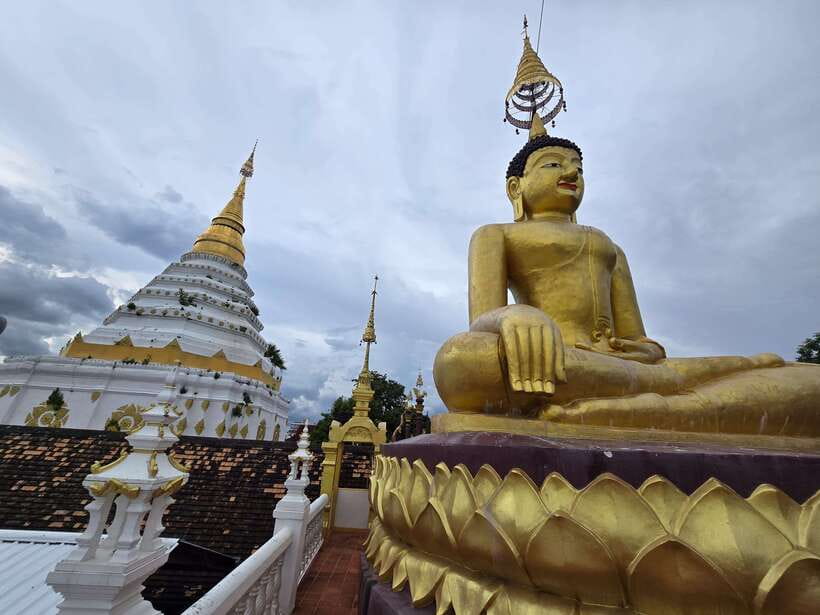
At $31 per person, this is a reasonable buy if you want interpretation rather than simple access to temples. The price includes a tourist guide and the walking tour. Hotel pickup and drop-off are included when you select the private option, so check the exact package before booking.
You are paying for local explanation, route planning, and access to places you might not choose alone. That is especially useful in Chiang Mai, where several temples can look similar at first glance. A good guide helps you separate their dates, communities, architectural styles, and religious roles.
Food and extra drinks are not included. Bring cash and water, and do not count on the tour as a full-day meal plan. An umbrella is also sensible for sun or rain.
The value is strongest for people curious about Buddhism and local history. If you only want a quick look at famous buildings, you can visit temples independently for less. If you want to understand customs, ask questions, and see four less obvious parts of Chiang Mai’s religious life, the fee is easier to justify.
The tour also places emphasis on reducing environmental impact and offsetting carbon emissions. Since the experience is based on walking, that aim fits the format better than a vehicle-heavy city circuit.
Heat, clothing, and who should book
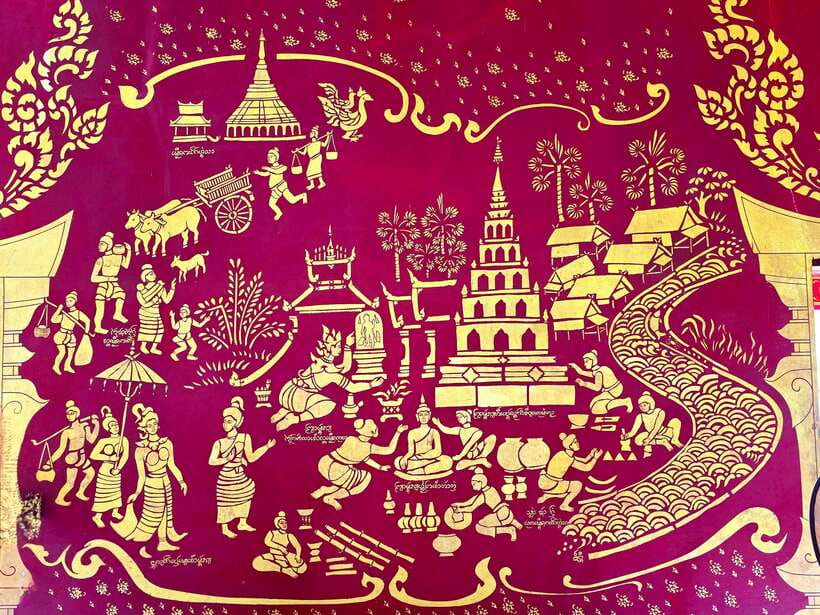
Plan for sun and humidity. One participant specifically warned that the heat can be tough if you are not used to it, and the route may keep you walking for hours. Water, light clothing that still covers the shoulders and knees, sunscreen, and an umbrella will make the day easier.
The activity is not suitable for children under two, babies under one, pregnant women, wheelchair users, or people using electric wheelchairs. Baby strollers are not allowed. If any of those restrictions affect your group, choose a different Chiang Mai activity.
This tour suits adults and older children who can manage a long walk and enjoy conversation. It is particularly good for:
- People visiting Chiang Mai for the first time who want cultural background
- Repeat visitors who have already seen the main central temples
- Anyone interested in Buddhism, meditation, and monastic life
- Solo visitors who want a guide and help with photographs
- Couples or small groups who prefer a slower, question-friendly visit
- People who want a walking route with less dependence on vehicles
It may not suit you if you dislike walking, want a relaxed indoor morning, or prefer to visit only the most famous monuments.
Practical ways to get more from the walk
Start with temple clothing rather than trying to improvise at the first stop. Short skirts are specifically prohibited, and modest clothing is the safest choice throughout the route.
Bring cash because food and extra drinks are not included. Carry water from the start, not after you feel thirsty. An umbrella earns its place in your day bag in both bright sun and sudden rain.
Arrive early at the confirmed meeting place. The plus-code problem caused unnecessary stress for one group, so check the location carefully and ask for a recognizable landmark if needed. A taxi driver may not understand a code that looks precise on a phone screen.
Ask questions. The best use of this tour is not simply following the guide from one chedi to another. Ask about prayer, meditation, Buddha stories, the lives of monks, Shan culture, and the role of Burmese rulers in Chiang Mai.
If you are considering Part I as well, treat the two tours as separate walking days unless you are comfortable spending most of a day on your feet. Doing both can provide a fuller temple picture, but the combined distance may leave you worn out.
Should you book Chiang Mai: Temple & City Tour Part II?
I would book this tour if you want Chiang Mai’s temples explained through Buddhism, local communities, and political history, not just photographed. Wat Chiang Man supplies the famous starting point, but Wat Chiang Yuen, Wat Pa Pao, and Wat Ku Tao give the route its real character.
The best reason to go is the guide. Katoon and Big have offered former-monk insight, while Eddy and Son have been praised for care, clear explanations, and a friendly manner. You should still confirm the meeting point, prepare for heat, and understand that this is a serious walking day.
At $31, it offers good value for a small group or private experience, especially if you want access to quieter temples and patient answers. Skip it if long walks or temple etiquette are a poor fit. For curious visitors with sturdy shoes and an open morning, this is a thoughtful way to see Chiang Mai beyond the usual postcard stops.
FAQ
How long does the Chiang Mai Temple & City Tour Part II last?
It is a one-day activity.
What time does the tour start?
The stated start time is 8:20 am. Check availability for the exact starting time on your chosen date.
Which temples are included?
The route includes Wat Chiang Man, Wat Chiang Yuen, Wat Pa Pao, and Wat Ku Tao.
How much does the tour cost?
The listed price is $31 per person.
Is hotel pickup and drop-off included?
Hotel pickup and drop-off are included if you select the private option.
What languages can the guide speak?
Guiding is available in English, Chinese, and Thai.
Is this a private tour or a group tour?
Private and small-group options are available.
Is food included?
No. Food and additional drinks are not included.
What should I bring?
Bring an umbrella, drinks, and cash. Comfortable walking shoes and modest temple clothing are also sensible choices for this route.
Can I cancel for a full refund?
Yes. You can cancel up to 24 hours in advance for a full refund.
Just added around Chiang Mai
- Chiang Mai: Chiang Rai White, Blue & Black Temples Day Tour★ 4.2 · 16 reviews
- Chiang Mai Adventure ATV Secret Waterfall and Bamboo Rafting★ 5.0 · 16 reviews
- Inthanon Small-Group with Kew Mae Pan Trail from Chiang Mai include Lunch★ 4.5 · 16 reviews
- 2-Day Best of Chiang Rai from Chiang Mai Private Package★ 4.5 · 16 reviews
- Private-Tour Doi Suthep Temple and Khun Chang Kien Village Half-Day★ 4.5 · 16 reviews
- Doi Inthanon Discovery Tour: Waterfalls, Villages & Highest Peak★ 3.5 · 16 reviews
- Chiang Mai Iconic Temples and City Tour★ 4.5 · 17 reviews
- 1 Hour Hot Oil Relaxing – Free Transportation★ 4.5 · 17 reviews
Temple Tours, compared.
Chiang Rai Temples, Karen Tribe and Hot Springs
Read our review →
City Highlights Temple and Market Walking Tour
Read our review →
Bangkok by Night: Temples, Markets and Food Tuk-Tuk Tour
Read our review →
Grand Palace, Wat Pho, and Wat Arun Guided Tour
Read our review →
Tiger Cave Temple, Emerald Pool and Hot Springs Tour
Read our review →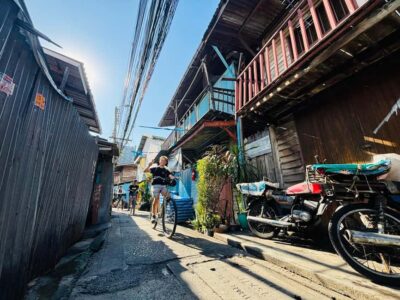
Chiang Rai White Temple and Blue Temple Day Tour
Read our review →Browse the lists this tour appears in