
Reviewed · AYUTTHAYA DAY TRIPS
Colors of Ayutthaya: UNESCO Heritage 6 hour Bicycle Tour
Ayutthaya rewards you on two wheels. This six-hour ride links quiet villages, rice paddies, royal ruins, local food, and a short boat crossing in one well-planned day. I like the mix of major sights and ordinary Thai life, especially the ride through the countryside and the riverside lunch.
I also like the small group limit of nine people. Guides such as Bung, Beam, and Spike have been praised for clear history, friendly service, and help with family needs. The main drawback is that the ride may feel less worthwhile if you struggle to follow spoken English, and one recent participant found the lunch serving small.
In This Review
- Key points at a glance
- Why a bicycle is a smart way to see Ayutthaya
- Meeting near PomPhet Fort and setting out
- Villages, rice paddies, and a school visit
- Phaniat Royal Elephant Kraal and Ayutthaya’s royal past
- Wat Mahathat and the Buddha head in the roots
- Lunch beside the river around 12:30
- Wat Phra Si Sanphet and the three royal pagodas
- A market stop and the giant reclining Buddha
- Wat Chaiwatthanaram on the Chao Phraya
- The final ride, river crossing, and return
- Guides, language, and group size
- Is $70 a fair price?
- Who should book this bicycle tour?
- FAQ
- Where does the Ayutthaya bicycle tour meet?
- How long does the tour last?
- What languages are offered?
- What is included in the price?
- What is the minimum age?
- Is the tour a private experience?
- Will the school visit always take place?
- Which temples are included?
- Is lunch included?
Key points at a glance
- A countryside route before the ruins: You ride through villages and beside rice paddies before reaching Ayutthaya’s famous temples.
- Three major temple entries included: Wat Mahathat, Wat Phra Si Sanphet, and Wat Chaiwatthanaram are covered by the $70 price.
- A riverside Thai lunch: The meal is included and has earned strong praise for flavor, though portion size may be modest.
- A small group with active support: No more than nine people join, and two staff members may accompany the ride for added road safety.
- A memorable range of sights: The route includes a tree-wrapped Buddha head, three royal pagodas, a giant reclining Buddha, a market, and a historic elephant kraal.
- Best for riders aged 12 and up: You need to be comfortable cycling for much of a 330-minute day.
Why a bicycle is a smart way to see Ayutthaya
Ayutthaya is easy to picture as a collection of temple ruins, but the bicycle gives you a better sense of the former capital’s setting. Instead of moving from one ticket gate to another by vehicle, you pass rice fields, homes, markets, waterways, and small roads between the main sights.
That change of pace matters. You see the ruins arrive gradually, first as distant silhouettes and then as full temple compounds. The ride also helps connect the old capital to the living city around it.
The route runs north from the meeting point near PomPhet Fort. It begins with a bike fitting, which is worth taking seriously. Spend a few minutes checking the seat height, brakes, and handlebar position before leaving. Six hours is a long time to tolerate a poor fit.
The tour runs daily from 10:00, and the total duration is listed as 330 minutes. That includes cycling, temple visits, lunch, the market stop, and the boat crossing. The schedule gives you a full day without trying to cover every ruin in Ayutthaya.
More Ayutthaya day trips:
- From Bangkok: Ayutthaya Temples Guided Tour with Lunch
★ 4.7 · 10,535 reviews - From Bangkok: Ayutthaya & Ayothaya Floating Market Day Trip
★ 4.7 · 6,084 reviews - From Bangkok: Ayutthaya Historical Park Guided Day Trip
★ 4.6 · 3,020 reviews
Meeting near PomPhet Fort and setting out
The office is on Uthong Road, close to PomPhet Fort and a short walk from Ayutthaya train station. That makes the meeting point useful if you arrive by rail and want to start exploring soon after getting off the train.
Your guide fits you with a bicycle and helmet before the ride. Drinking water is included, and cold drinks were especially appreciated during one recent outing. Still, I would arrive ready for a warm day, since the route spends plenty of time outdoors.
The small group format is one of the tour’s practical strengths. A guide can keep an eye on riders, answer questions, and adjust the pace more easily than on a large coach excursion. One family found the guide accommodating, and another group was accompanied by two staff members who helped everyone feel safer on the roads.
You should still expect traffic at times. This is a real bicycle ride, not a closed cycling path. The minimum age is 12, so the experience is aimed at older children, teenagers, and adults who can ride for several hours.
Villages, rice paddies, and a school visit
The early part of the route heads through quiet villages and alongside rice paddies. This is one of my favorite parts of the day because it gives Ayutthaya context before the monuments take over.
You might see homes, local roads, and everyday scenes that are easy to miss from a bus. The cycling itself is not just transport between attractions. It is part of the experience, and the countryside section gives the tour a calmer start.
If the local elementary school is open, you stop there and interact with the children. This visit depends on the school’s schedule, so it should not be treated as guaranteed. If it happens, it offers a direct connection with local life that a standard temple circuit cannot provide.
The school stop may not suit every visitor. Some people prefer to focus only on archaeology, while others value the chance to meet people in the community. Keep your expectations flexible, since the visit is conditional.
Phaniat Royal Elephant Kraal and Ayutthaya’s royal past
As you continue, the route passes Phaniat Royal Elephant Kraal. During Ayutthaya’s period as a major royal capital, the structure was used to trap wild elephants brought down from the north.
Ayutthaya kings traditionally presided over elephant round-ups there. They selected the strongest animals, which were trained for war and labor. That detail adds an important layer to the ruins: the old capital was not only a place of temples and royal ceremonies, but also a center of military power and organized work.
The kraal is a useful stop because it breaks up the temple visits. You are not simply collecting photographs of pagodas. You are learning how the kingdom functioned, and why elephants had such an important place in its royal and military life.
The closer you get to the old capital, the more ruins begin to appear. The transition from rural roads to historic monuments is part of the pleasure of the route.
More Historical Tours in Thailand:
- UNESCO’s Ayutthaya Historical Park: Full-Day Tour from Bangkok
★ 4.5 · 1,559 reviews - From Bangkok: Historical Day Tour to River Kwai
★ 4.6 · 868 reviews - Historical City of Ayutthaya – Unesco Full Day Tour From Bangkok
★ 5.0 · 847 reviews - Chiang Mai: Historic Temples and City Guided Walking Tour
★ 4.7 · 650 reviews
Wat Mahathat and the Buddha head in the roots
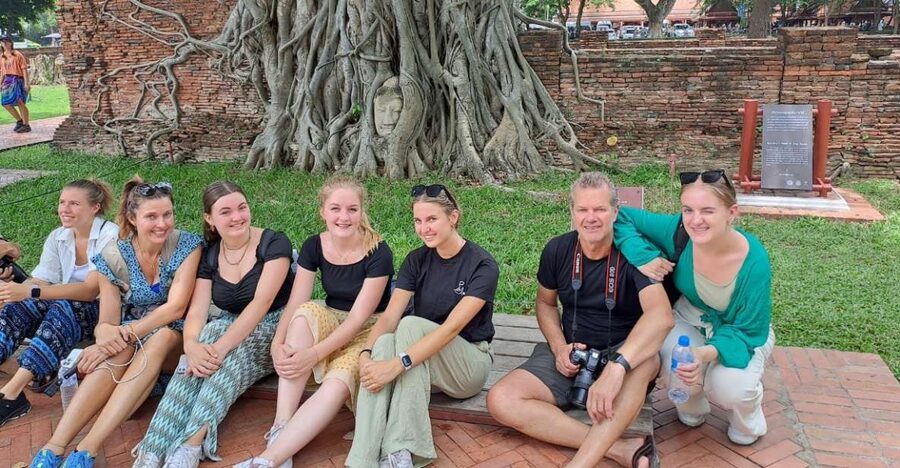
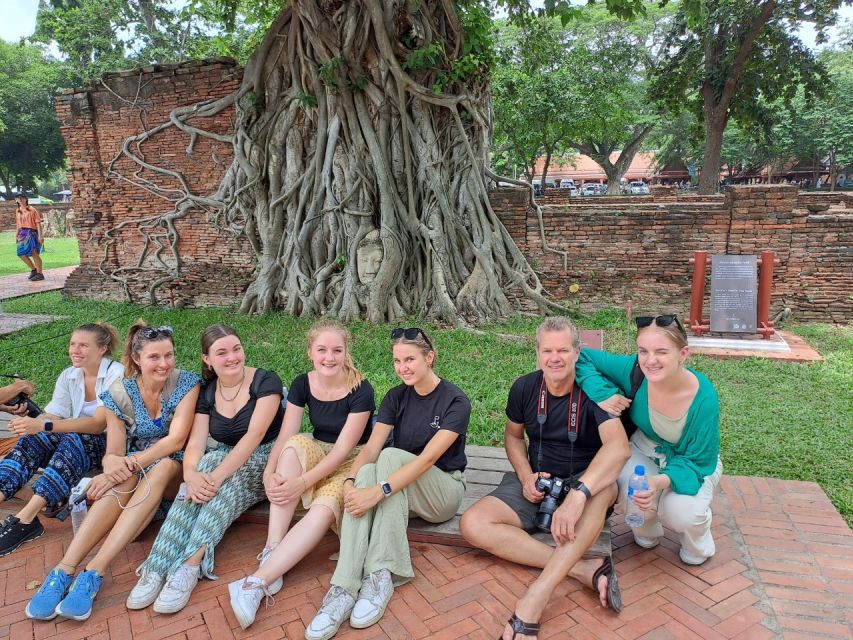
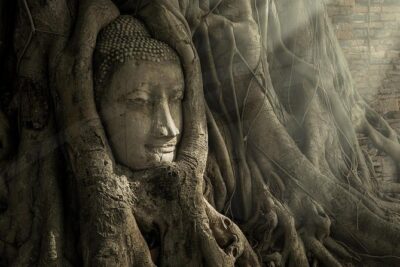
Wat Mahathat is one of Ayutthaya’s essential stops. Its most famous detail is the Buddha head entwined in the roots of a tree, a small image that has become one of the city’s defining sights.
The image is memorable because nature and stone have become inseparable. Your guide can place it within the story of Ayutthaya’s temples and kings, rather than leaving you with a single photograph and no context.
The site is included in the tour’s entrance fees, along with Wat Phra Si Sanphet and Wat Chaiwatthanaram. That makes the temple visits simpler, since you do not need to handle separate admission payments during the day.
Take care around the Buddha head and follow the site’s instructions about respectful viewing. This is a religious image, not just a famous photo stop.
Lunch beside the river around 12:30
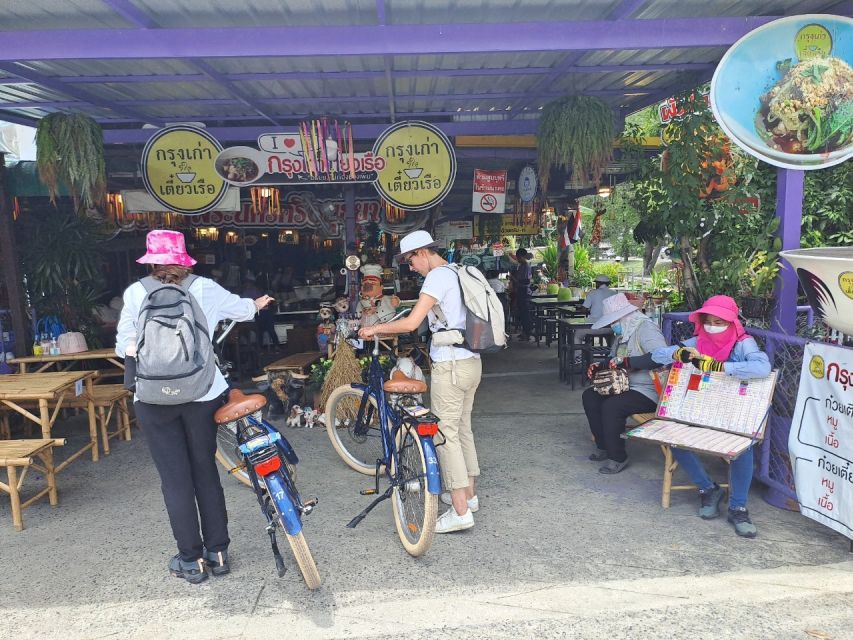
At about 12:30, you stop for Thai lunch at a local riverside restaurant. The setting is a welcome pause after the morning ride, and the meal is included in the tour price.
Food quality has been a major strength. One participant called it the best meal they had eaten in Thailand up to that point, while another described the lunch as delicious. The riverside location also gives the break a sense of place rather than making it feel like a quick meal at a generic roadside stop.
There is one practical caution: a recent participant found the portion small. If you usually need a large lunch after cycling, you may want to ask your guide what is being served and carry a little extra snack if allowed. The supplied drinking water helps, but it is still wise to arrive hydrated.
Lunch timing is also useful. You get a proper break before the afternoon’s temple visits, rather than trying to eat at the end of a long, tiring ride.
Wat Phra Si Sanphet and the three royal pagodas
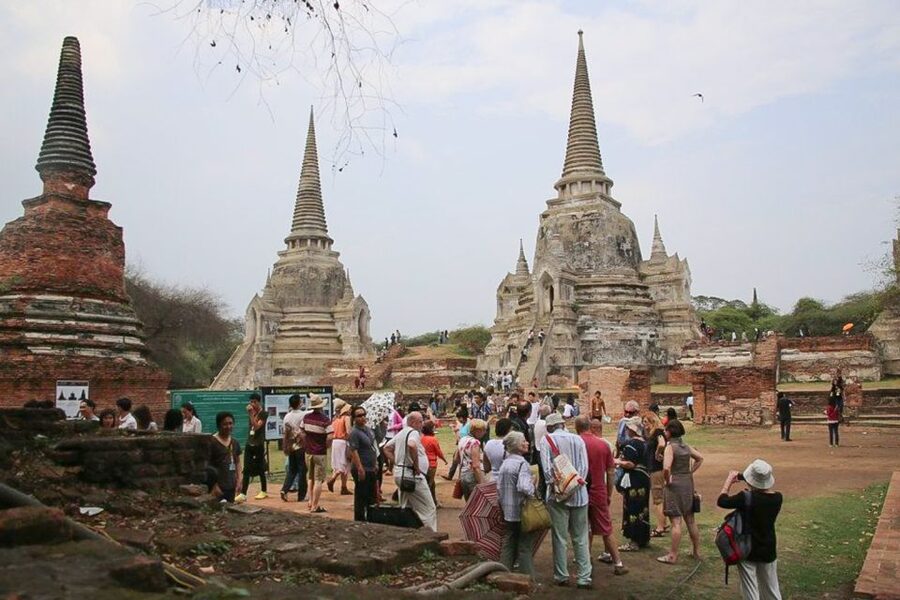
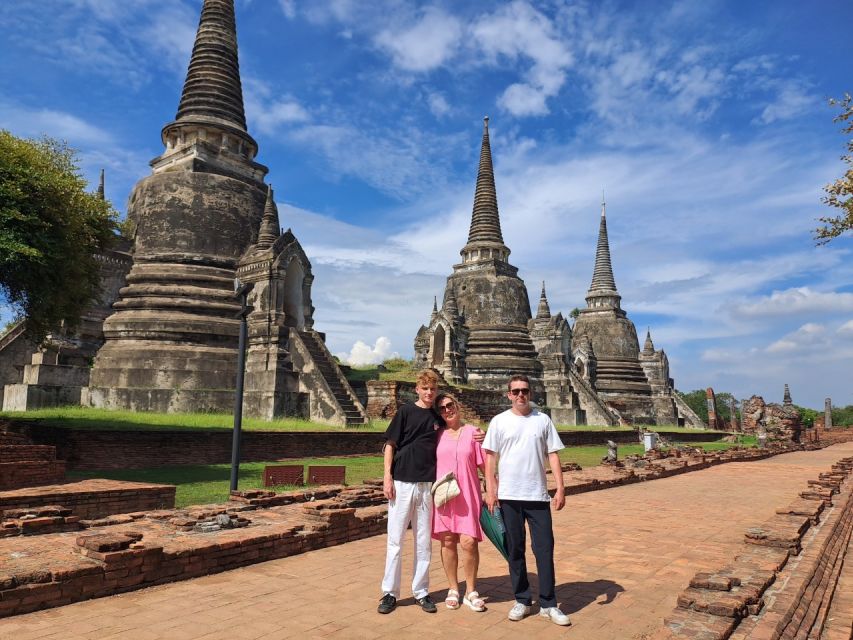
After lunch, you enter the old capital and visit Wat Phra Si Sanphet. Its three distinctive pagodas are among Ayutthaya’s most recognizable ruins.
The temple once formed part of the royal palace complex. That royal connection helps explain why the site feels different from a neighborhood temple. It was tied directly to the authority of Ayutthaya’s kings.
This is a place where a guide adds real value. Without explanation, you may see three impressive towers and move on. With background, you can better understand the temple’s role in the royal center and how the old capital was organized.
Expect exposed ruins and outdoor walking after you leave the bicycles. Comfortable clothes, a hat, and protection from the sun make the afternoon easier. The tour is active, but it does not ask you to race through each stop.
A market stop and the giant reclining Buddha
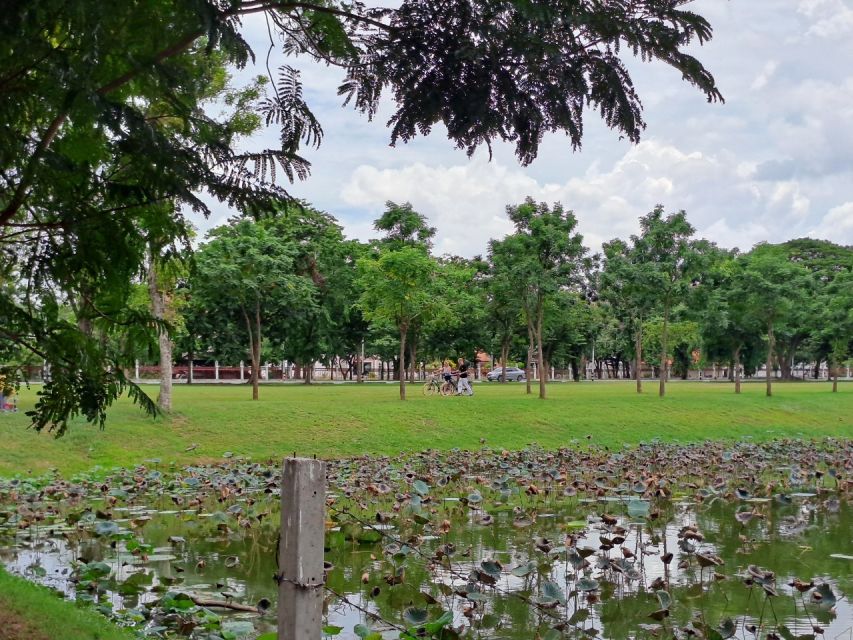
The route then makes a short ride to a local market. You can see typical baked and fried Thai delicacies, giving the day another taste of daily life outside the main archaeological sites.
This stop is brief, but it adds variety. Temples can begin to blur together during a full day, so a market visit gives you a different set of sights, smells, and food traditions. You may find the stop more useful for observation than shopping, since no purchase details are provided.
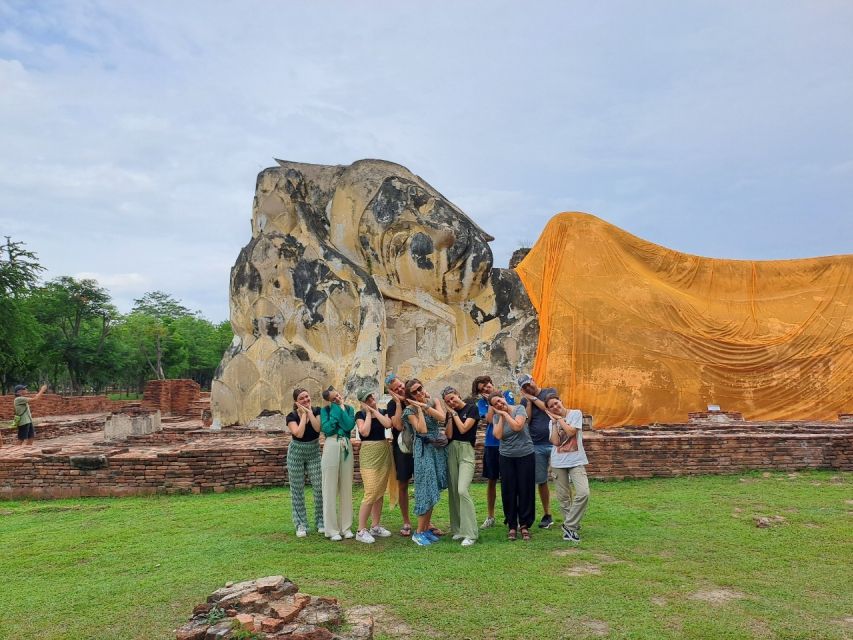
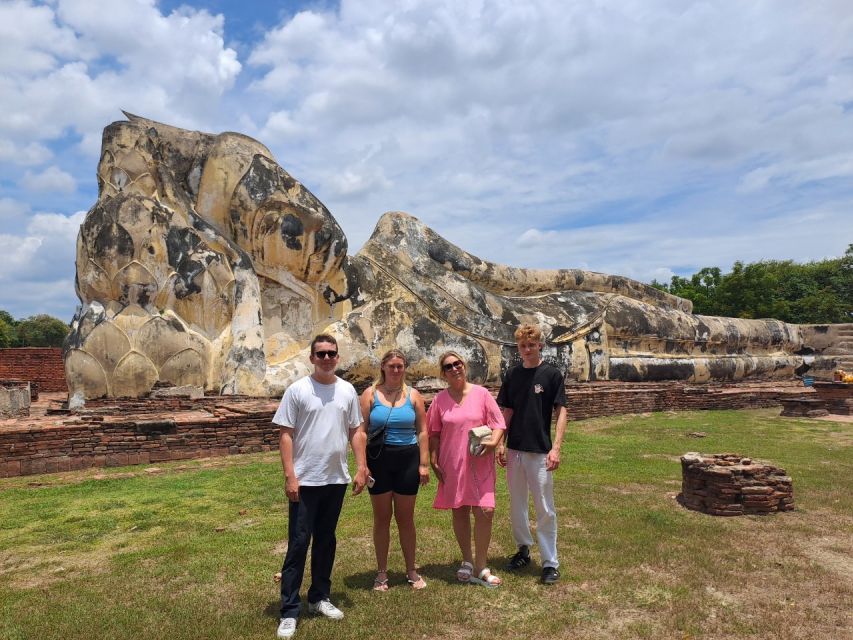
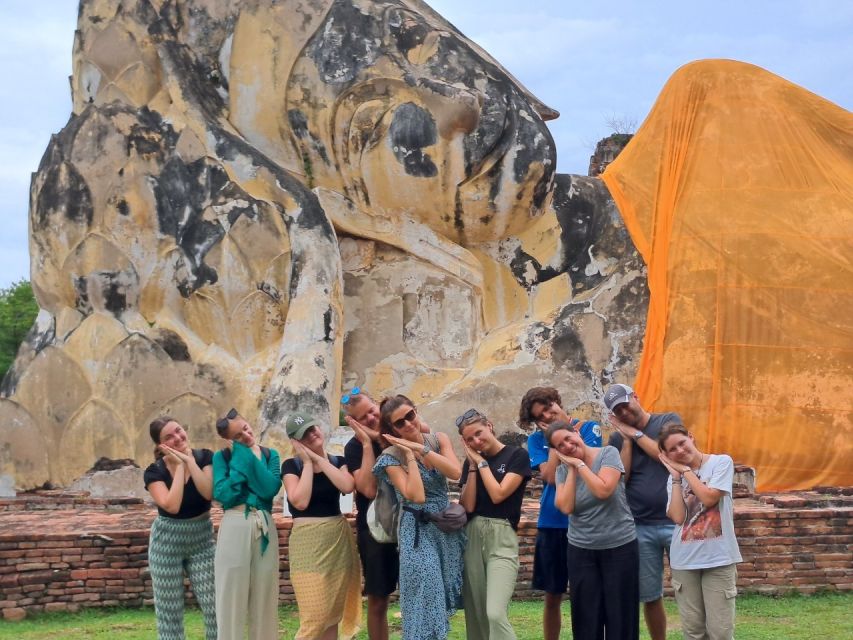
Next comes Luang Phor Lokayasuttha at Wat Lokayasutharam, home to a huge reclining Buddha statue. It is described as the largest Buddha statue in Ayutthaya, and its scale provides a strong contrast to the smaller Buddha head at Wat Mahathat.
The contrast between the two stops is worth noticing. At Wat Mahathat, your attention goes to a single face caught in tree roots. Here, the huge reclining figure dominates the open setting. Together, they show two very different ways religious images shape the experience of Ayutthaya.
Wat Chaiwatthanaram on the Chao Phraya
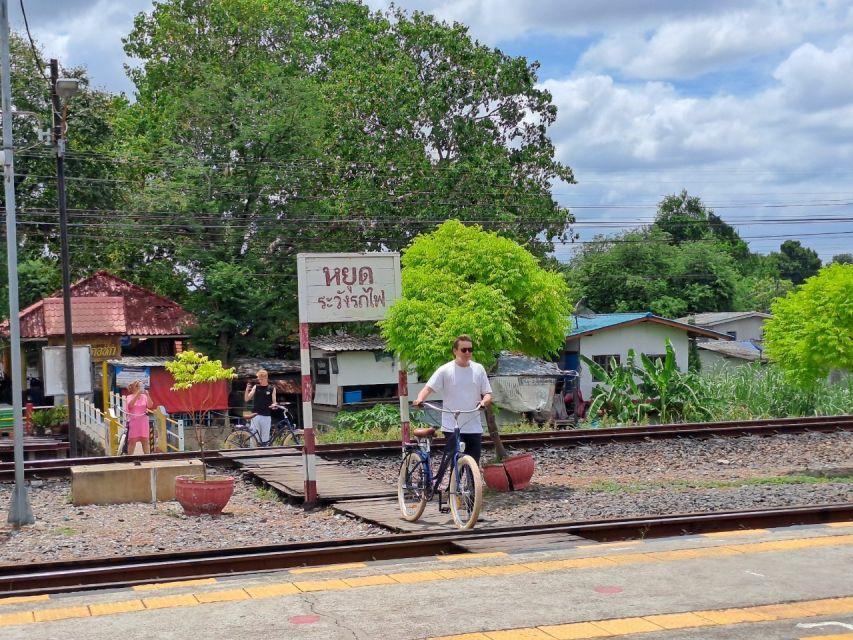
Wat Chaiwatthanaram is the final major temple and one of the most impressive sites on the route. It sits on the west bank of the Chao Phraya River and was built in 1630 by King Prasat Thong as a memorial to his mother’s residence in the area.
Its river setting gives it a strong sense of scale. The temple is not simply another stop among ruins. Its position beside the water helps you understand how closely Ayutthaya’s religious, royal, and transport life were linked.
The temple is also a good place to bring together the historical points from earlier in the day. You have already seen the royal pagodas, learned about the elephant kraal, and heard about the city’s kings. By the time you reach Wat Chaiwatthanaram, the ruins feel connected rather than isolated.
One recent participant had the chance to be in a temple during a special ceremony with monks. That kind of moment cannot be promised, but it shows why a guided route can sometimes offer more than a fixed list of photo stops. Be respectful if a ceremony is taking place and follow your guide’s instructions.
The final ride, river crossing, and return
After Wat Chaiwatthanaram, you cycle along the west bank of the Chao Phraya River toward the pier. The day ends with a boat crossing back toward the city.
The crossing is short, but it gives the route a satisfying finish. You have seen Ayutthaya from rural roads, temple grounds, market lanes, and riverbanks. Returning by boat makes the return feel like part of the itinerary rather than a simple ride back to the office.
You then continue into the city and reach the end of the tour. Because the meeting point is near PomPhet Fort and the train station, the location is practical for continuing your Ayutthaya visit or making a rail connection, though the exact finish time is not stated.
Guides, language, and group size
The tour offers live guiding in English and Thai. Guides named Bung, Beam, and Spike have been praised for friendliness, clear explanations, and thoughtful support. Bung was especially appreciated for pacing the ride well and explaining local traditions and daily life.
Beam was praised for explaining Thai customs, history, and everyday life, while Spike was described as helpful with family needs. These details matter because the guide shapes the day as much as the route does.
There is one language-related concern. One participant found it difficult to follow the explanations because of speech clarity. That does not mean every tour will have the same issue, but it is a fair consideration if historical explanation is your main reason for booking.
With a maximum of nine participants, you have a better chance to ask questions and stay connected to the guide. The small group also makes it easier to manage different cycling speeds, though the tour still requires you to keep moving for much of the day.
Is $70 a fair price?
At $70 per person, the tour is not the cheapest way to see Ayutthaya. The value comes from what is bundled into the day: bicycle rental, helmet, guide, drinking water, Thai lunch, boat crossing, and admission to three major temples.
If you planned the same sights independently, you would still need to arrange a bicycle, work out the route, pay entrance fees, find lunch, and manage the river crossing. The tour removes that planning work and adds historical explanation.
I think the price is fair for visitors who want a structured day and a guide. It is less attractive for confident cyclists who already know Ayutthaya, prefer to set their own pace, or want to spend a long time at one temple.
The overall rating is 4.7 from 50 reviews, with especially strong praise for the guides, meal, pace, and mix of countryside and temples. The main cautions are the possible language barrier and lunch portion.
Who should book this bicycle tour?
I would choose this tour if you want more than a quick temple checklist. It suits active adults, older children from age 12, couples, and small groups who enjoy seeing how a historic city connects with present-day communities.
It is also a good choice if you are arriving by train and want a meeting point close to the station. The small group and included transport details make the day easier for first-time visitors.
I would think twice if you dislike cycling in warm weather, need a very large lunch, or want every minute spent inside temple compounds. The school visit depends on being open, the tour runs for 330 minutes, and the route includes ordinary roads as well as heritage sites.
Booking is flexible, with reserve-now-and-pay-later availability. Cancellation terms need careful checking because the supplied booking information gives different cutoffs: one section says free cancellation up to 24 hours, while another lists free cancellation up to 48 hours, then a 50 percent fee between 24 and 48 hours. Confirm the exact terms shown at checkout.
FAQ
Where does the Ayutthaya bicycle tour meet?
The meeting point is the provider’s office close to PomPhet Fort on Uthong Road. It is a short walk from Ayutthaya train station.
How long does the tour last?
The tour lasts 330 minutes, or five and a half hours. It begins daily from 10:00, with starting times subject to availability.
What languages are offered?
The live tour guide service is offered in English and Thai.
What is included in the price?
The price includes bicycle rental, a helmet, a guide, drinking water, Thai lunch at a local restaurant, a boat crossing, and entrance fees at Wat Mahathat, Wat Phra Si Sanphet, and Wat Chaiwatthanaram.
What is the minimum age?
The minimum age to join the tour is 12 years old.
Is the tour a private experience?
No. It is a small-group tour limited to nine participants.
Will the school visit always take place?
No. The elementary school visit is available if the school is open.
Which temples are included?
The route includes Wat Mahathat, Wat Phra Si Sanphet, Wat Lokayasutharam, and Wat Chaiwatthanaram. Entrance fees are included for Wat Mahathat, Wat Phra Si Sanphet, and Wat Chaiwatthanaram.
Is lunch included?
Yes. Thai lunch at a local riverside restaurant is included. One recent participant found the portion small, while several others praised the taste and setting.
Just added around Thailand
- Kanchanaburi World War 2 Private Charter Pathway of the Past Tour★ 4.5 · 16 reviews
- 2-hour Bangkok Old City Night CHOB TUK TUK + Talat Noi Street Art★ 5.0 · 16 reviews
- Chiang Mai: Chiang Rai White, Blue & Black Temples Day Tour★ 4.2 · 16 reviews
- Phuket: Private Surfing Lessons at Beautiful Kata Beach★ 4.7 · 16 reviews
- Private Chiang Rai Day Trip with Golden Triangle from Chiang Mai★ 5.0 · 16 reviews
- Private Bangkok Airport Transfer to/from Hua Hin Hotels★ 4.0 · 16 reviews
- Private Airport Transfer Suvanbhumi BKK To Pattaya★ 4.5 · 16 reviews
- Ko Lanta: Ko Aung, Ko Phee Ghost Cave Island, Talabeng Kayak★ 4.4 · 16 reviews
Ayutthaya Day Trips, compared.
Ayutthaya & Ayothaya Floating Market Day Trip
Read our review →
Ayutthaya Temples and River Cruise from Bangkok
Read our review →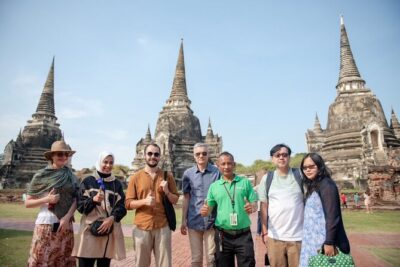
UNESCO’s Ayutthaya Historical Park: Full-Day Tour from Bangkok
Read our review →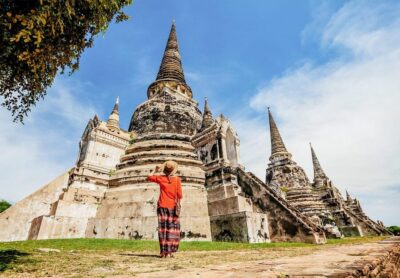
The Old Siam: Ayutthaya Temples Small Group Tour with Lunch
Read our review →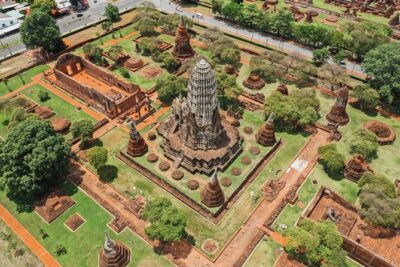
Historical City of Ayutthaya – Unesco Full Day Tour From Bangkok
Read our review →
Lopburi Monkey Temple & Ayutthaya Old City Tour From Bangkok
Read our review →Browse the lists this tour appears in