
Reviewed · HILL TRIBE VILLAGE TOURS
Half day Long Neck hill tribe and Hmong hill tribe village
Mountain culture is close to Chiang Mai. This private four-to-five-hour trip takes you beyond the city to Ban Hmong Mae Sa Mai and a Karen Long Neck village, with an English-speaking guide, private air-conditioned transport, entrance fees, and hotel pickup included. I like the flexible private format, and I also like that the Hmong visit offers a closer look at village life, homes, and a school rather than only a quick photo stop. The main drawback is the Karen Long Neck visit, which can feel more like a market than a living village.
I especially value the guides, who have been praised for clear English, humor, local knowledge, and friendly service. Guides named Gobi, Bee, Nui, Boo, and others have helped make the outing feel personal and informative. At $90.99 per person, the price is easiest to justify for couples, families, or small groups who want private transport and a guide without spending a full day away from Chiang Mai.
In This Review
- Key points to know before booking
- Leaving Chiang Mai for the hill villages
- Ban Hmong Mae Sa Mai: the stronger cultural stop
- Karen Long Neck Village: cultural questions and a market feel
- What the guide adds to the visit
- Is $90.99 a fair price?
- Who will enjoy this tour most?
- Practical details that affect your day
- The cultural question you should consider
- Should you book the Hmong and Karen hill tribe tour?
- FAQ
- How long does the tour last?
- Is hotel pickup included?
- Is this a private tour?
- What villages are visited?
- How long do you spend at each village?
- What is included in the price?
- Can I cancel for a full refund?
Key points to know before booking
- Ban Hmong Mae Sa Mai takes about one hour, with time to learn about Hmong origins, village life, homes, and the local school.
- The Karen Long Neck stop takes about one hour, but much of the visit is arranged around stalls and shopping.
- Private transport keeps the schedule flexible, and only your group takes part in the activity.
- Hotel pickup and drop-off cover Chiang Mai’s city area, but transfers outside the city cost extra or are not included.
- The guides receive the strongest praise, especially for English, humor, local knowledge, and friendly explanations.
- Free cancellation is available up to 24 hours before departure, which gives you useful planning room.
Leaving Chiang Mai for the hill villages
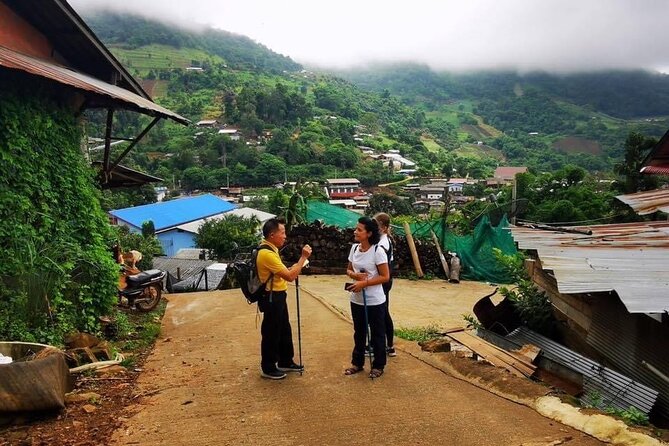
This is a short excursion, but it gives you a clear change of setting from city temples, cafés, and traffic. The trip lasts roughly four to five hours, so you can fit it into a morning or afternoon without giving up an entire day in Chiang Mai.
Your transport is a private air-conditioned car or minivan with a licensed driver. That matters in northern Thailand, where a private vehicle saves you from working out separate transport to two different village areas. Pickup and drop-off are included inside the city area, so check your hotel location before booking if you are staying farther out.
The private setup is one of the tour’s best practical features. You are not locked into the pace of a large coach group, and the guide can spend more time explaining points that interest you. The description allows free time at both villages, although the exact amount of time can depend on traffic, questions, and the day’s schedule.
A licensed English-speaking guide accompanies you, along with a driver. The guides have earned especially warm praise for speaking clear English and making the trip easy to follow. Gobi was described as humorous and well informed, while Bee was praised for being both helpful and fun. Nui and Boo were also credited with making a visit feel comfortable and thoughtful.
More hill tribe village visits:
- Chiang Mai: Elephant Sanctuary, Long Neck & Sticky Waterfall
★ 4.9 · 2,262 reviews - 4-Hour Doi Suthep & Hmong Hill Tribe Village from Chiang Mai
★ 4.7 · 696 reviews - Chiang Mai: Long Neck Village & Chiang Rai’s Iconic Temples
★ 4.3 · 338 reviews
Ban Hmong Mae Sa Mai: the stronger cultural stop
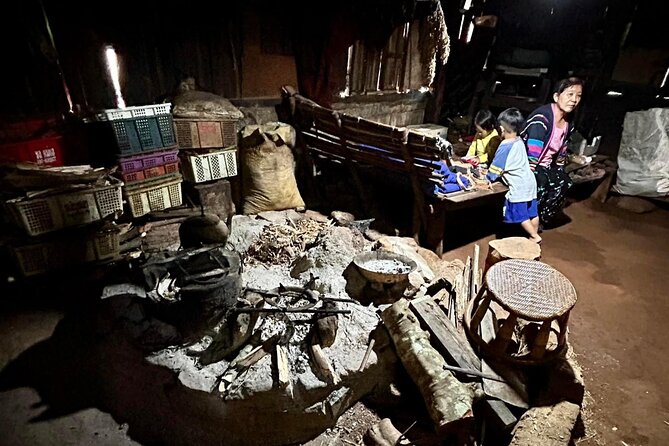
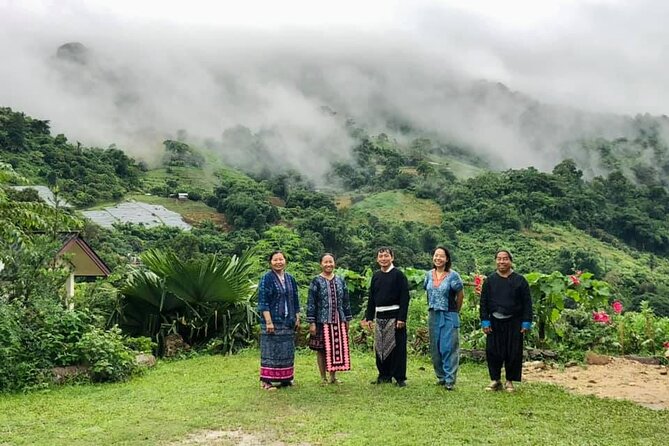
The first village visit is Ban Hmong Mae Sa Mai, scheduled for about one hour with admission included. The Hmong originally came from southern China, and the first Hmong villages in northern Thailand were established toward the end of the nineteenth century. That basic background gives the visit useful context before you look at the village itself.
The stop is most valuable if you want to understand how a hill community has developed over time. You may see homes and a school, and your guide can explain what you are looking at rather than leaving you to wander without context. One of the most useful impressions from the experience is that this is not just a scenic drive into the hills. It is a chance to discuss family life, education, work, and the pressures that affect communities far from Chiang Mai.
I would give this stop your full attention. One hour is not long, especially if you want to ask questions, look carefully at the setting, and browse any local goods. The visit suits people who care about culture, history, and daily life. If your main goal is dramatic scenery or a long nature walk, the stop may feel more limited.
The Hmong visit also helps you think past the simple label of hill tribe. Communities are not frozen in the past. Roads, schools, trade, tourism, and city life all affect how people live. A good guide can help you see that change without reducing the village to a display for outsiders.
Karen Long Neck Village: cultural questions and a market feel
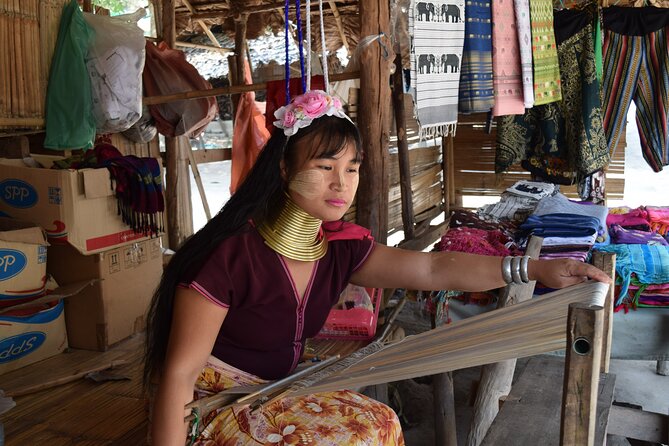
The second stop is a Karen Long Neck village, also planned for about one hour. The community is known for the brass neck rings worn by some Karen women, a practice that has become one of northern Thailand’s most recognized cultural images.
The visit can be interesting, but you should set your expectations carefully. This stop is described as being largely arranged around a market, with stalls and plenty of shopping. That commercial setup may disappoint you if you expect a quiet, ordinary village where tourism plays little role.
At the same time, the setting raises important questions about culture and tourism. The experience presents the Karen way of life alongside the reality that outside interest and material needs have changed village life. The stated purpose is not simply to photograph traditional clothing. It also points to the pressure on older customs as younger generations encounter modern city life.
I recommend treating this stop respectfully. Ask before taking photographs, listen to the guide, and remember that the people you meet are not scenery. You may find the market aspect useful if you want textiles, handicrafts, or small souvenirs, but shopping should not be the sole reason for choosing the tour.
The contrast between the two stops is helpful. Ban Hmong Mae Sa Mai offers more of a village and community setting, while the Karen stop puts the tourism question right in front of you. That difference is probably the biggest reason to choose this experience with realistic expectations.
What the guide adds to the visit
A hill village visit can easily become a drive, a photo, and a quick purchase. The guide is what turns it into a lesson. This experience includes an English-speaking guide with a Tourism Authority of Thailand license, and the strongest praise has focused on the quality of the explanations and the easygoing manner of the staff.
You should expect help with the historical and cultural background of both communities. The guide can also explain what you are seeing at the homes, school, stalls, and village areas. The best feedback points to guides who answer questions well rather than simply reciting facts.
The names associated with especially positive experiences include Gobi, Bee, Nui, and Boo. Service can vary by date and guide, but the pattern is clear: friendly communication is a major part of the tour’s value. A guide who speaks strong English also helps you handle sensitive subjects, especially the difference between cultural tradition and tourism presentation.
I like that the tour includes several stops beyond the two main village visits. The exact stops are not specified, so I would not book it expecting a fixed list of scenic viewpoints or attractions. Think of those extra pauses as useful additions, not guarantees of particular sights.
Something different for another day:
- Half-Day Thai Cooking Class at Organic Farm in Chiang Mai
★ 5.0 · 19,087 reviews - Chiang Mai: Elephant Sanctuary, Waterfall & Bamboo Rafting
★ 4.9 · 9,160 reviews - Chiang Mai: Doi Inthanon National Park Eco-Friendly Tour
★ 4.6 · 6,667 reviews - Chiang Mai: Elephant Sanctuary & Waterfall Group Tour
★ 4.9 · 5,780 reviews
Is $90.99 a fair price?
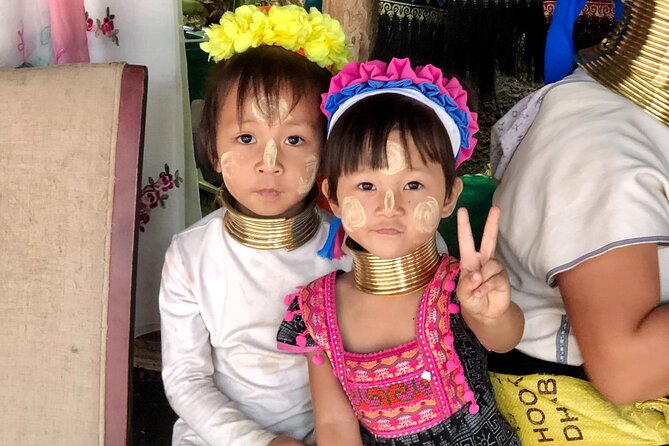
At $90.99 per person, this is not the cheapest way to see a hill tribe village near Chiang Mai. The price includes a private air-conditioned car or minivan, a licensed driver, an English-speaking guide, entrance fees, bottled water, travel accident insurance, and city hotel pickup and drop-off.
That package gives the price real value for a small group. You are paying for direct transport, guidance, and a short private schedule rather than arranging taxis and admission on your own. If two or more people share the vehicle, the cost may feel more reasonable than it does for a solo visitor.
The tour also offers group discounts, though the exact discount is not specified. Ask about the current rate before paying if you are booking for several people. Personal expenses, soft drinks, alcohol, optional activities, tips, and pickup outside the city area are not included.
I would compare this experience with a full-day cultural tour before deciding. A half-day trip works well if you have limited time, children, or other plans in Chiang Mai. A longer tour may suit you better if you want more time for countryside stops, walking, or extended conversation at the villages.
Who will enjoy this tour most?
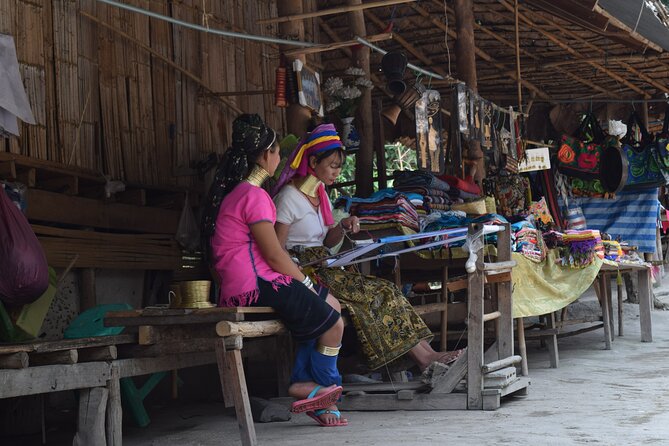
I would recommend it most strongly to people who want an introduction to northern Thailand’s minority communities without committing an entire day. The private format suits families, couples, and small groups who prefer their own vehicle and a guide who can adjust explanations to their interests.
It is also a good match for you if you value cultural context more than a polished sightseeing circuit. The Hmong stop, in particular, offers useful material for anyone interested in education, home life, tradition, and the changes brought by modern society.
You may want to reconsider if you dislike commercial village visits. The Karen Long Neck stop has a clear shopping element, and that can make the experience feel staged or uncomfortable for some people. You should also skip it if your priority is hiking, wildlife, or mountain scenery rather than cultural visits.
This is not a luxury outing, and it is not presented as a remote expedition. It is a convenient, guided introduction from Chiang Mai, with one village offering a stronger community focus and the other showing the complicated link between culture and tourism.
Practical details that affect your day
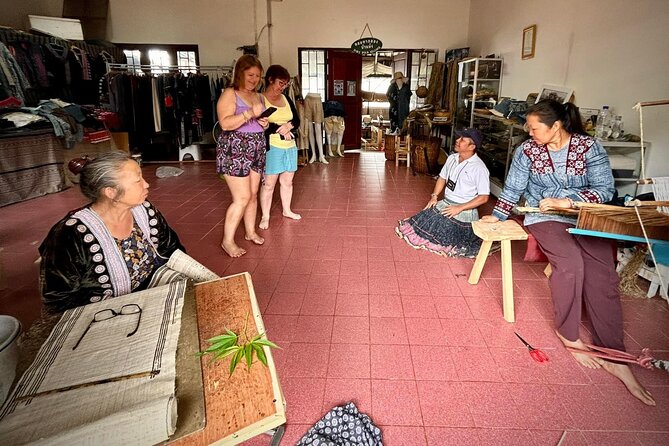
Confirmation is provided at booking, and most people can take part. The activity is private, so only your own group participates. That is useful if you want to ask direct questions or avoid the stop-and-go rhythm of a large bus.
Bottled water is provided, but other drinks are your responsibility. Alcohol and soft drinks are not included. Tips are also not included, so carry some cash if you want to thank the guide or driver for good service.
Pickup and drop-off are included only within the city area. If your accommodation is outside that zone, confirm the arrangement and any extra cost before booking. The tour is short enough to fit around other Chiang Mai plans, but leave some space around the advertised four-to-five-hour duration in case road conditions affect the timing.
Cancellation is free if you cancel at least 24 hours before the start time. Cancellations or changes made inside that window are not accepted for a refund, and all cut-off times use local Thai time.
The cultural question you should consider
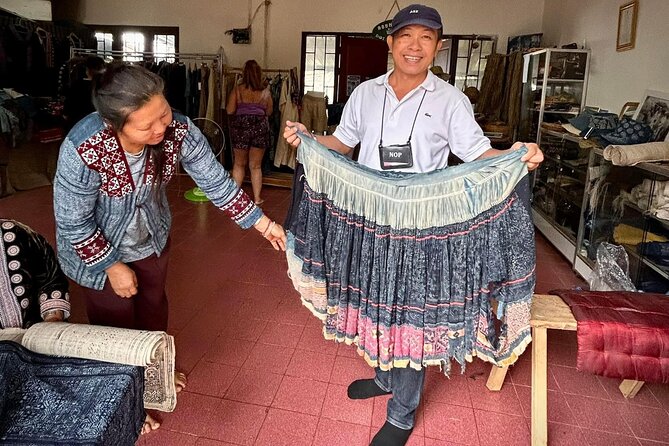
Visiting an ethnic community as part of a paid tour always deserves some thought. The experience itself acknowledges that materialism and city life have changed traditional ways, and that some customs may fade among younger generations. That makes the guide’s explanations important, but it also means you should approach the visits with care.
I would avoid treating the communities as museum exhibits. Listen first, ask permission for photographs, and buy only what you genuinely want. A purchase can support local sellers, but it should not replace respectful interaction.
The contrast between the Hmong and Karen stops gives you a more honest picture than a single polished attraction might. You see one setting that feels more connected to homes and school life, then another where tourism and shopping are hard to separate from the cultural display.
Should you book the Hmong and Karen hill tribe tour?
Book this trip if you want a private, compact cultural outing with reliable transport and a guide who can add meaning to what you see. The Hmong village is likely to be the highlight, especially if you care about community life and modern change. The Karen Long Neck stop can still be worthwhile, but only if you accept its market-centered format.
At $90.99, the tour makes the most sense for a small group that values convenience, private transport, and an English-speaking guide. Solo visitors may find it expensive, while families and couples can get better value from the package. If you want an easy half-day beyond Chiang Mai and can approach the subject with respect and realistic expectations, this is a strong choice.
FAQ
How long does the tour last?
The experience lasts approximately four to five hours.
Is hotel pickup included?
Hotel pickup and drop-off are included for accommodations inside the Chiang Mai city area. Pickup and drop-off outside the city area are not included.
Is this a private tour?
Yes. Only your group participates in the private tour or activity.
What villages are visited?
The tour visits Ban Hmong Mae Sa Mai and a Karen Long Neck village.
How long do you spend at each village?
The scheduled time is about one hour at Ban Hmong Mae Sa Mai and about one hour at the Karen Long Neck village.
What is included in the price?
The price includes private air-conditioned transportation, a licensed driver, an English-speaking guide with a TAT license, admission fees for the listed activities, bottled water, travel accident insurance, and city-area hotel pickup and drop-off.
Can I cancel for a full refund?
Yes. You can cancel for a full refund up to 24 hours before the experience start time. Cancellations or changes made less than 24 hours before departure are not accepted for a refund.
Just added around Chiang Mai
- Chiang Mai: Chiang Rai White, Blue & Black Temples Day Tour★ 4.2 · 16 reviews
- Chiang Mai Adventure ATV Secret Waterfall and Bamboo Rafting★ 5.0 · 16 reviews
- Inthanon Small-Group with Kew Mae Pan Trail from Chiang Mai include Lunch★ 4.5 · 16 reviews
- 2-Day Best of Chiang Rai from Chiang Mai Private Package★ 4.5 · 16 reviews
- Doi Inthanon Discovery Tour: Waterfalls, Villages & Highest Peak★ 3.5 · 16 reviews
- Private-Tour Doi Suthep Temple and Khun Chang Kien Village Half-Day★ 4.5 · 16 reviews
- Chiang Mai Iconic Temples and City Tour★ 4.5 · 17 reviews
- Fantastic! Famous Doi Inthanon National park tour with 2hr trekking★ 4.5 · 17 reviews
Hill Tribe Village Tours, compared.

Elephant Sanctuary, Long Neck & Sticky Waterfall
Read our review →
4-Hour Doi Suthep & Hmong Hill Tribe Village from Chiang Mai
Read our review →
Long Neck Village & Chiang Rai’s Iconic Temples
Read our review →

4 in 1 Elephants Long Neck Rafting and Sticky Waterfall Tour
Read our review →

Chiang Rai Day Tour from Chiang Mai + The Long Neck Hill Tribe With Boat
Read our review →Browse the lists this tour appears in