
Reviewed · JUNGLE TOURS
Jungle Wisdom Survival Trek
Jungle skills meet Karen culture here. This two-day trip pairs hands-on survival lessons with a stay in a jungle camp, giving you a closer look at daily life in northern Thailand’s mountains. I like the useful lessons, from finding water in bamboo to making simple tools, and I like that the experience supports sustainable, women-operated tourism. The main consideration is physical effort: you should expect hiking, heat, sweat, and water during the rafting and waterfall portions.
The guide named Kham receives special praise for explaining jungle plants and medicine along the trail. Bring extra clothes and a swimsuit, because staying dry is not a realistic plan here. At about $81, the tour offers strong value for two days, meals, lodging, transport arrangements, and a cultural exchange, though it will suit active visitors more than anyone seeking a polished resort outing.
In This Review
- Key points to know before you go
- What this two-day Karen experience is really about
- Day one begins in Mae Wang’s mountain country
- Mae Wang Waterfall: learning by doing
- Wat Luang Khun Win and its 700-year-old wooden setting
- Sleeping in the jungle camp
- Day two in Mae Wang National Park
- Bamboo rafting on the Mae Wang River
- Meals, drinks, and what the $81 price covers
- Who will enjoy this, and who should think twice
- Practical preparation for the jungle
- Should you book the Jungle Wisdom Survival Trek?
- FAQ
- Where does the Jungle Wisdom Survival Trek start?
- How long does the experience last?
- Is the tour private?
- Are meals included?
- Is a vegetarian meal available?
- Can I cancel for a full refund?
Key points to know before you go
- Karen survival skills: Learn how to find bamboo water, identify useful plants, make bamboo utensils, and use a slingshot.
- Mae Wang mountains: The setting is about one hour from Chiang Mai, with a waterfall, forest trails, and a river.
- Overnight jungle camp: Share dinner and breakfast in a simple camp rather than returning to the city.
- Cultural exchange: Visit a Karen village, see traditional houses, and learn about crops, animals, and rural life.
- Wet and active days: Hiking, waterfall time, and bamboo rafting mean you should pack spare clothes and a swimsuit.
- Small private group: Only your party participates, which gives the guide more room to adjust the pace and answer questions.
What this two-day Karen experience is really about
This is not a sightseeing circuit with a quick photo stop and a guide who points at the trees. The central idea is learning how people can use the forest for food, water, medicine, shelter, and tools.
You spend time with members of the Karen community in the Mae Wang area, in the mountains roughly an hour from Chiang Mai. The activities connect practical skills with local life. You are not simply shown a bamboo plant. You learn how bamboo can help provide water, cooking tools, and basic utensils.
That difference matters. A standard nature outing gives you views. This experience asks you to pay attention to the forest and understand how local knowledge turns ordinary plants into useful resources.
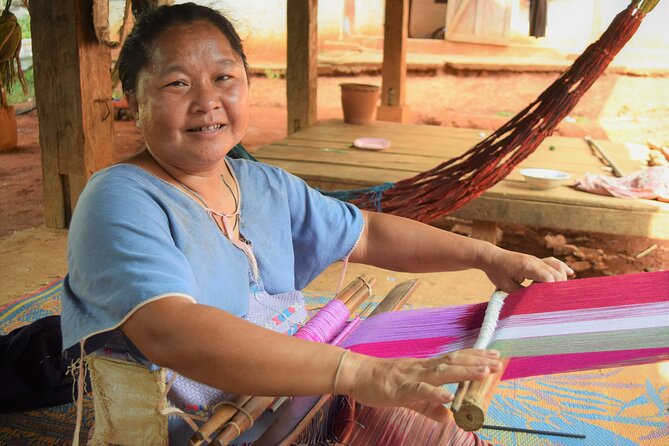
The cultural side is just as important. You visit a Karen village, see traditional homes, and learn how people raise animals and grow crops. The program also supports tourism operated by local women, so your money helps keep the exchange tied to the community rather than only to outside operators.
Still, keep your expectations sensible. The description gives no promise of luxury bedding, private bathrooms, or hotel-style comfort. The overnight stay is part of the learning experience. You should be ready for a simple jungle camp and shared meals.
More Jungle Tours in Chiang Mai
- Chiang Mai: Full-Day Jungle Trek, Tubing & Waterfall Adventure
★ 5.0 · 216 reviews - No.1 Full-Day Chiang Mai Caving & Jungle Kayaking: Chiang Dao
★ 4.5 · 206 reviews - Off the Map Chiang Mai Jungle Coffee Trek Roast and Brew
★ 5.0 · 107 reviews
Day one begins in Mae Wang’s mountain country
The meeting point is Chai Lai Orchid Eco Lodge and Cafe in Mae Wang District. The listed start time is 8:00 a.m., and the activity returns to the same meeting point after the second day.
The drive from Chiang Mai takes about one hour to the Mae Wang mountains. That short transfer places you in a very different setting without requiring a long journey from the city. If you are staying elsewhere, check your own transport plans carefully, since the listed meeting point is specific.
The tour is private, meaning only your group participates. I see this as a real advantage. You can ask more questions, and the guide can spend more time on a skill if your group finds it useful. The tradeoff is that the experience may feel less social if you hoped to meet other independent visitors.
Mae Wang Waterfall: learning by doing
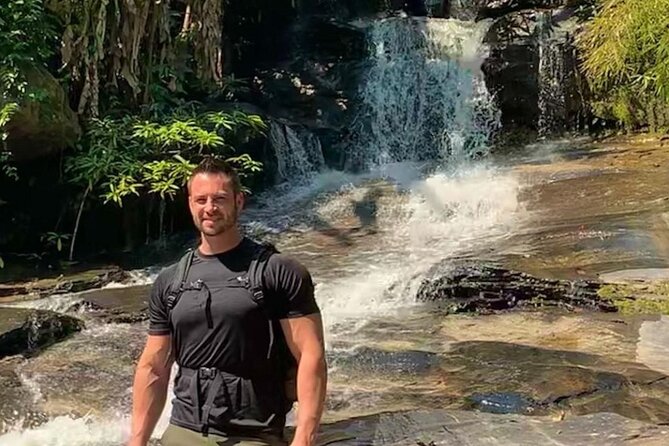
The first major stop is Mae Wang Waterfall, where the outdoor lessons begin. You spend about three hours here, with admission included.
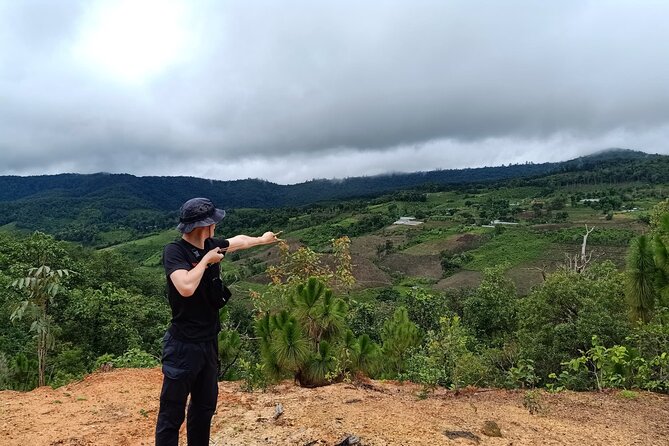
The activities cover a wide range of old forest skills. You may learn how to recognize plants used for food or traditional medicine, find water inside bamboo, make simple utensils, and use a slingshot. The guide also teaches ways to stay safe in the mountains and how to work with materials found around you.
The strongest part of this section is its practical nature. Instead of hearing a broad talk about jungle survival, you get small tasks that make the information easier to remember. Bamboo is no longer just part of the scenery. It becomes a possible source of water and a material for tools.
The waterfall also gives the day a natural cooling point. You should expect to get wet and sweaty, not just from the water but from walking and working outdoors. Wear clothing that dries reasonably quickly, and keep a spare set in your bag.
The supplied packing advice is worth taking seriously: bring a couple of changes of clothes and a swimsuit. A towel is not specifically listed, so ask the operator before departure if you want to know what is provided.
Wat Luang Khun Win and its 700-year-old wooden setting
After the waterfall, the route includes Wat Luang Khun Win, a wood temple complex said to be about 700 years old. You spend around one hour here, and admission is free.
This stop changes the rhythm of the day. After practical work in the forest, you get time to see a religious site built into the jungle setting. The wooden construction gives the temple a strong connection to the surrounding area, and the location makes the visit feel different from a city temple in Chiang Mai.
Do not expect a long guided history lesson based on the information provided. The real value is the contrast between the temple and the survival activities. You see how the region’s culture includes both Buddhist religious spaces and Karen village traditions.
Comfortable shoes will help throughout the day, since the tour combines several outdoor stops. The data does not give exact trail conditions, so you should not assume paved paths at every point.
Something different for another day:
- Half-Day Thai Cooking Class at Organic Farm in Chiang Mai
★ 5.0 · 19,087 reviews - Chiang Mai: Elephant Sanctuary, Waterfall & Bamboo Rafting
★ 4.9 · 9,160 reviews - Chiang Mai: Doi Inthanon National Park Eco-Friendly Tour
★ 4.6 · 6,667 reviews - Chiang Mai: Elephant Sanctuary & Waterfall Group Tour
★ 4.9 · 5,780 reviews
Sleeping in the jungle camp
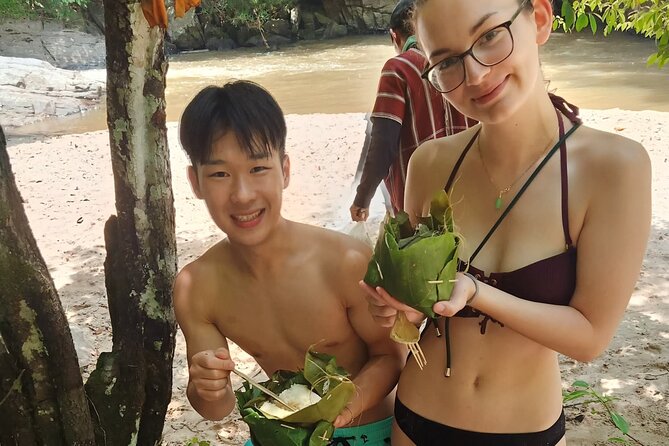
The first day ends with an overnight stay and dinner at the camp. Accommodation, dinner, water, coffee, and tea are included, along with taxes and handling charges.
The food is part of the exchange. You share a two-course dinner rather than simply carrying a packaged meal from Chiang Mai. The guide or local hosts also show how cooking fits into the wider survival lesson, using what is available and making the evening part of the learning.
You should view the accommodation as functional rather than luxurious. The information confirms an overnight camp but does not specify bedding, electricity, private facilities, or room arrangements. If you need a particular sleeping setup, contact the operator before booking.
The camp offers something a hotel cannot: a pause from modern technology. The overview describes a chance to unplug from modern civilization and spend the night with community members. That does not mean you are cut off from every convenience forever, but it does mean the focus is on the people, the setting, and the skills rather than screens.
The stay will suit you if you enjoy simple accommodation and shared meals. It may not be the right choice if you need a predictable hotel room after a day outdoors.
Day two in Mae Wang National Park
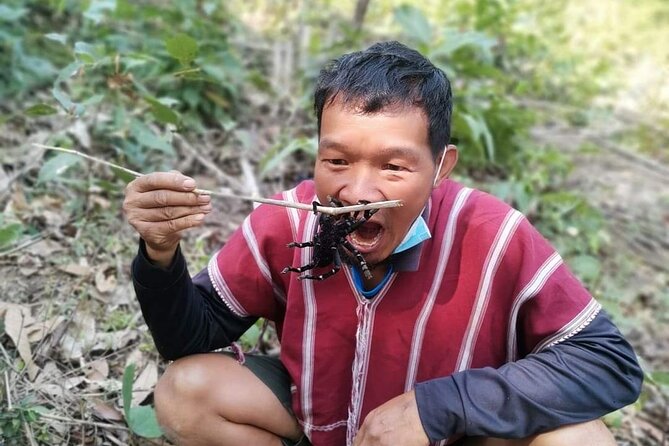
The second day takes place in Mae Wang National Park and lasts about four hours. You visit a Karen hill tribe village, learn about traditional houses, and see how local families raise animals and plant crops.
This part gives context to the first day’s lessons. Survival skills can sound like isolated tricks until you see them alongside farming, livestock, housing, and daily routines. The village visit shows that local knowledge is not only about emergencies. It is part of ordinary life.
You may find this stop especially worthwhile if you want cultural contact that is connected to place. The program is not only about looking at a house or taking a photograph. It aims to explain how people use the land and organize rural life.
At the same time, cultural visits require respect. Follow your guide’s instructions, ask before photographing people, and remember that the village is a home, not a stage set. The fact that the program supports women-operated tourism adds a practical reason to choose an experience built around local participation.
Bamboo rafting on the Mae Wang River
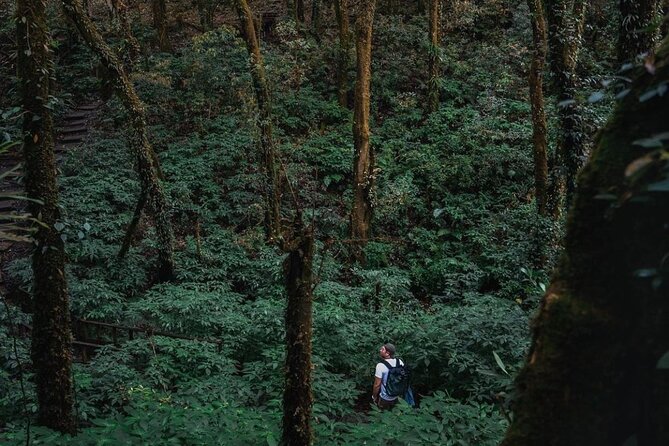
The day also includes bamboo rafting on the Mae Wang River. Admission is included, and this is the part most likely to leave you wet.
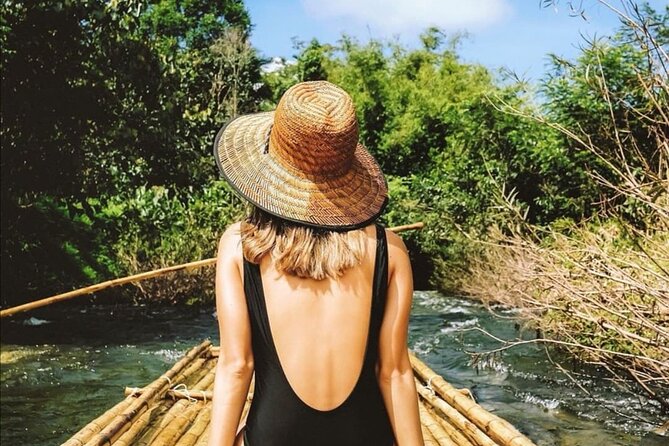
The raft activity works well after the village visit because bamboo has already appeared as a material for water, tools, and utensils. Now you see it used for transport. You learn how to steer the raft, giving you an active role rather than making you a passenger from start to finish.
The river offers a cooler change after walking in the mountains. It also adds a little uncertainty and play to the day. Bring your swimsuit, spare clothes, and a bag that can protect anything you need to keep dry.
The tour does not provide river conditions, raft size, or a detailed safety outline, so ask the operator if you have concerns about water activity. The stated fitness level is moderate, which tells you more than the word adventure alone: you should be comfortable walking and handling an active day outdoors.
Meals, drinks, and what the $81 price covers
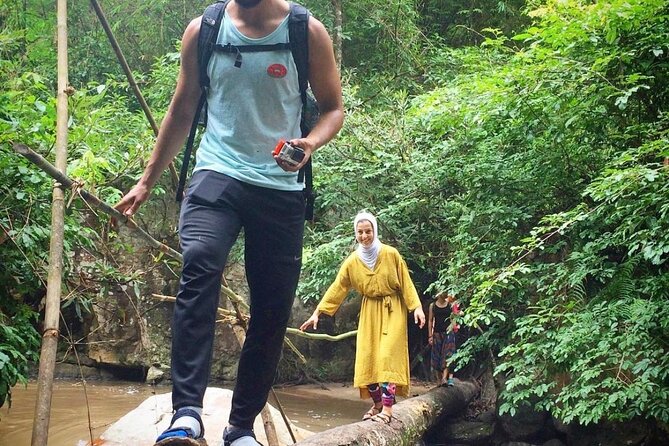
At around $81, this experience is priced well for a two-day outing if you value activities over comfort. The package includes overnight accommodation, dinner, breakfast, lunch, bottled water, coffee or tea, local taxes, and other listed fees.
The meal details include a two-course dinner. Breakfast and lunch are also included for the two-day program. Alcohol is not included, though it can be purchased.
The value comes from the combination. You are paying for more than a waterfall visit. The price covers instruction, a village visit, temple time, rafting, an overnight camp, and several meals. You also avoid having to arrange each part separately.
The price does not tell you how basic the camp will be, and that is the main point to clarify before you book. If your priority is a comfortable room, long free time, or a soft adventure, the value may look weaker. If you want direct activities and community contact, $81 is a fair deal.
A vegetarian option is available, but you must request it when booking. Children need to be accompanied by an adult, and the recommended fitness level is moderate.
Who will enjoy this, and who should think twice
I would recommend this trip to you if you like learning skills with your hands, prefer local contact to staged entertainment, and can manage two active days in warm outdoor conditions.
It is also a good match for visitors who have already seen Chiang Mai’s temples and markets and want a different side of northern Thailand. The temple visit keeps the cultural focus broad, while the Karen village and camp provide the main local connection.
You may want to skip it if you dislike basic accommodation, getting wet, or changing plans around outdoor conditions. The tour does not present itself as a luxury retreat. The experience depends on participation, so sitting back will leave you with less from the trip.
Families can consider it, but children must have an adult with them. Service animals are allowed. Anyone with limited fitness should ask for more detail before booking, since the program includes hiking and river activity.
Practical preparation for the jungle
Start with clothing. Pack two changes, plus a swimsuit. Choose shoes suited to outdoor walking, and expect mud, sweat, and splashes even though exact trail conditions are not provided.
Keep the amount of luggage small. You will move between forest, village, camp, and river, so a light bag is easier than a large suitcase. Protect phones and other valuables from water during rafting.
Tell the operator about vegetarian meals when you book. Also confirm any questions about the camp setup, sleeping arrangements, and what you need to bring, since those details are not specified.
The tour offers free cancellation if you cancel at least 24 hours before the start time. Changes or cancellations made within 24 hours are not accepted for a refund, and the cut-off follows local time.
Should you book the Jungle Wisdom Survival Trek?
Book it if you want active cultural contact, practical forest lessons, and a simple overnight stay at a fair price. The best parts are the direct teaching, the Karen village visit, and the way bamboo appears in several forms, from water container to utensil to raft.
The main caution is comfort. You will likely get wet and sweaty, and the overnight facilities are not described in detail. Pack properly, ask about anything essential to you, and arrive ready to take part.
For an $81 two-day trip from the Chiang Mai area, this offers more substance than a quick rural excursion. It is a strong choice for curious, moderately fit visitors who want to learn rather than simply look.
FAQ
Where does the Jungle Wisdom Survival Trek start?
It starts at Chai Lai Orchid Eco Lodge and Cafe in Mae Wang District, Chiang Mai Province. The listed start time is 8:00 a.m.
How long does the experience last?
The experience lasts approximately two days and ends back at the meeting point.
Is the tour private?
Yes. Only your group participates in the activity.
Are meals included?
Yes. The package includes dinner, breakfast, lunch, bottled water, coffee or tea, and a two-course dinner. Alcoholic drinks are not included but are available to purchase.
Is a vegetarian meal available?
Yes. A vegetarian option is available if you advise the operator when booking.
Can I cancel for a full refund?
Yes, if you cancel at least 24 hours before the experience starts. Cancellations or changes made less than 24 hours before the start time are not accepted for a refund.
More Hiking & Trekking
- 3-in-1: Doi Inthanon Tour, Elephant Sanctuary, and Trekking Trail
★ 5.0 · 1,087 reviews - Chiang Mai: Doi Inthanon Trip with Pha Dok Siew Guided Trek
★ 4.6 · 910 reviews - Chiang Mai: Doi Inthanon Park with Kew Mae Pan Hike Day Trip
★ 4.7 · 841 reviews - Chiang Mai: Doi Inthanon Park and Pha Dok Siew Trail Trek
★ 4.6 · 752 reviews
Just added around Chiang Mai
- Chiang Mai: Chiang Rai White, Blue & Black Temples Day Tour★ 4.2 · 16 reviews
- Chiang Mai Adventure ATV Secret Waterfall and Bamboo Rafting★ 5.0 · 16 reviews
- Inthanon Small-Group with Kew Mae Pan Trail from Chiang Mai include Lunch★ 4.5 · 16 reviews
- 2-Day Best of Chiang Rai from Chiang Mai Private Package★ 4.5 · 16 reviews
- Doi Inthanon Discovery Tour: Waterfalls, Villages & Highest Peak★ 3.5 · 16 reviews
- Private-Tour Doi Suthep Temple and Khun Chang Kien Village Half-Day★ 4.5 · 16 reviews
- Chiang Mai Iconic Temples and City Tour★ 4.5 · 17 reviews
- Fantastic! Famous Doi Inthanon National park tour with 2hr trekking★ 4.5 · 17 reviews
Jungle Tours, compared.
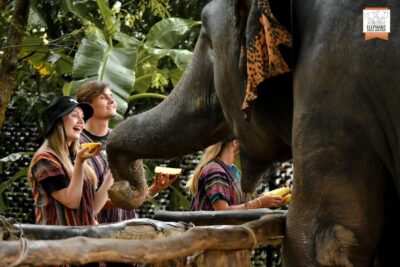
Elephant Jungle Sanctuary Ethical Feeding Experience
Read our review →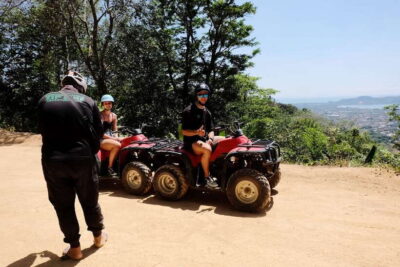
Mr.Ung’s 4WD Wild Jungle Safari Tour with Lunch
Read our review →
Tiger Cave, Hot Springs and Emerald Pool Jungle Tour
Read our review →
Elephant Sanctuary and Jungle Tour with Lunch
Read our review →
Elephant Jungle Sanctuary Feed and Shower Trip
Read our review →
Samui Zipline FLY & Fun Tree Bridge Jungle Cafe & Waterfall
Read our review →Browse the lists this tour appears in