
Reviewed · CANOES & KAYAKS
Ko Lanta: Mangrove Kayaking, Ko Talabeng, & Skull Island
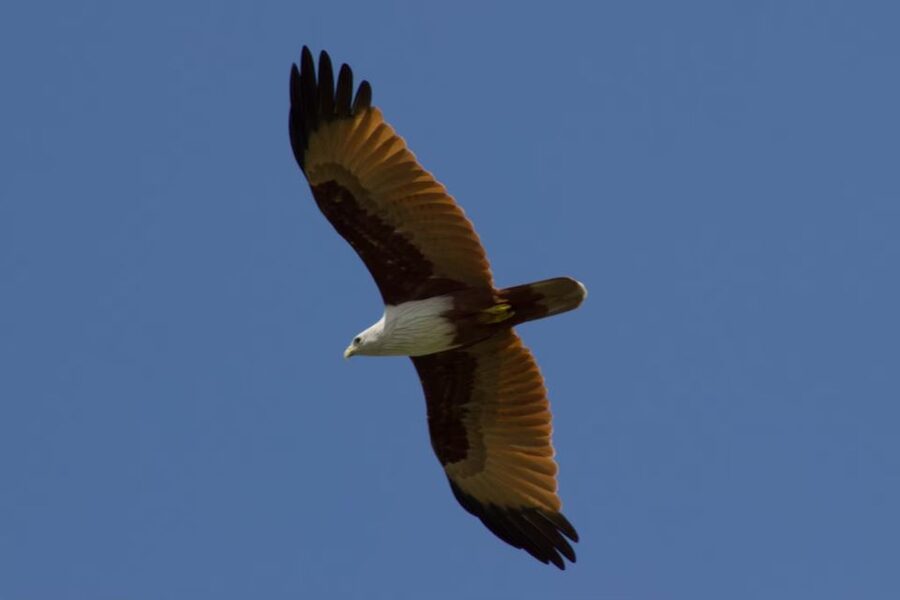
Adventure starts before breakfast. This seven-hour Ko Lanta trip packs mangrove kayaking, a longtail-boat ride, cave climbing, sea kayaking, swimming, wildlife, and lunch on a quiet beach into one busy day. I like the mix of activities, and I especially like that the route reaches the calmer islands east of Ko Lanta, where you may spend much of the day away from heavy tourist traffic.
The guides are another strong point. Faris and Forest are named in guest feedback, with Easy Banana becoming a cheerful guide catchphrase. The main caution is clear: Skull Island involves steep, exposed climbing and a descent through rock passages. You need decent fitness, practical shoes, and a calm head around heights. This is not a gentle paddle-and-picnic outing.
In This Review
- At a glance
- Why this Ko Lanta day trip is different
- The ride from Ko Lanta to Baan Loh Yai Pier
- Skull Island’s steep cave climb
- Kayaking through Ko Lanta’s mangroves
- Ko Talabeng and the best open-water paddling
- A beach lunch at Ko Talabeng Noi
- The cave by kayak
- Monkeys, birds, and the mangrove ecosystem
- How hard is the tour?
- What to bring and what to leave behind
- Is $63 a fair price?
- Who should book this Ko Lanta tour?
- Should you book it?
- FAQ
- How long does the Ko Lanta kayaking and Skull Island tour last?
- Is hotel pickup included?
- What languages are available?
- Is lunch included?
- Do I need kayaking experience?
- Is Skull Island suitable for people afraid of heights?
- What footwear should I wear?
- Can the itinerary change because of weather?
- Who should not take this tour?
At a glance
- Skull Island is the demanding part: Expect steep scrambling, a long descent, and narrow rock passages rather than an easy walk.
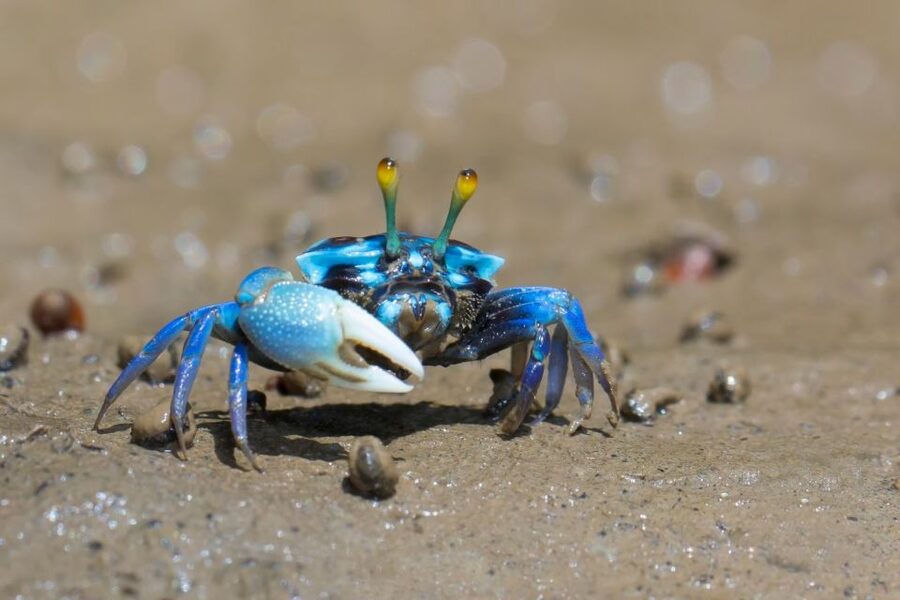
- The mangroves offer real wildlife: Look for monkeys, birds, lizards, crabs, and mudskippers among the roots and mudflats.
- Ko Talabeng brings the best paddling: Cliffs, sea caves, open water, and quiet beaches make this the scenic heart of the day.
- Lunch is homemade and filling: A picnic meal, fresh fruit, soft drinks, and water are included.
- The tour feels local and personal: It is run by a family team, with guides who help closely during the climb and take photographs.
- Tides and weather matter: Low tide can limit parts of the mangrove route, and the program can change with sea conditions.
Why this Ko Lanta day trip is different
Ko Lanta has plenty of boat trips, but this outing avoids the usual one-note format. You are not simply ferried from one beach to another. You move through several settings, each with a different mood: muddy mangrove channels, open sea, limestone cliffs, dark cave interiors, and a beach suited to a lazy swim.
That variety is the main reason I see value here. A seven-hour tour can feel long when it consists of one repeated activity. Here, the change from kayaking to climbing to swimming keeps the day moving. It also lets you see the islands from several angles, from the deck of a longtail boat, from water level, and from high inside Skull Island.
The experience is run by Lanta Today Travel and has a family-business feel. Guides are not just there to point out the route. They help with foot placement, steady nervous climbers, take photos, explain the mangrove ecosystem, and keep the mood light. Several guides are also praised for singing and joking during the transfers, which may sound small, but it can make a long active day feel much more relaxed.
A few more tours and experiences worth a look
- Krabi: Kayak Adventure through Ao Thalane Mangrove Forest
★ 4.6 · 2,024 reviews - Ko Lanta: Half-Day Mangrove Kayaking Tour with Lunch
★ 4.7 · 806 reviews - Sea Kayaking in Ao Thalane & Optional Full-Day Hong Island
★ 4.8 · 548 reviews
The ride from Ko Lanta to Baan Loh Yai Pier
Your day begins with hotel pickup in Ko Lanta District. Wait in the lobby about 15 minutes before the arranged pickup time. The transfer takes you to Baan Loh Yai Pier, where you board a longtail boat with the kayaks and equipment.
The boat ride is more than simple transport. It gives you an early look at the low islands and limestone formations around Ko Lanta Noi. There are sightseeing and photo stops along the way, so keep your camera ready, but protect it in the waterproof bag provided.
The transfer is one part of the day where comfort may vary. The activity information describes a minibus, while one account describes an open truck-style ride with fumes on the return journey. If you are sensitive to heat or motion, it is worth being prepared for a basic local transfer rather than a polished coach ride.
Skull Island’s steep cave climb
Skull Island, also identified as Koh Daeng or Koh Phee, is the most unusual stop. Its rock formations create a skull-like appearance, with openings that form the so-called eyes. Reaching those viewpoints requires climbing through and around the rock rather than following a marked, level path.
You may need to use your hands, place your feet carefully, and lower yourself down a long section. The climb starts more simply, then becomes harder as you move farther into the passages. The guide gives directions for foot placement and stays close to anyone who feels unsure.
This support matters. Several people with little climbing experience found the route manageable because the guides were patient and encouraging. Still, do not mistake helpful guides for a safety-free experience. The rock can feel exposed, and the descent may be more worrying than the climb up. A fear of heights can make this part stressful.
There is usually an option to remain in the lower area if you do not want to go to the top. That gives you some flexibility, but you should still tell the guide before the climb begins. Pregnant people, those with heart problems, and anyone with serious mobility concerns should skip this tour. The operator also sets an upper age guideline of 70 and a maximum weight of 209 pounds, or 95 kilograms.
Wear real shoes for this stop. Closed-toe sports shoes or sturdy walking sandals with a secure grip are far better than flip-flops. Crocs worked for one person, but that is not a recommendation I would rely on for a steep rock route.
Kayaking through Ko Lanta’s mangroves
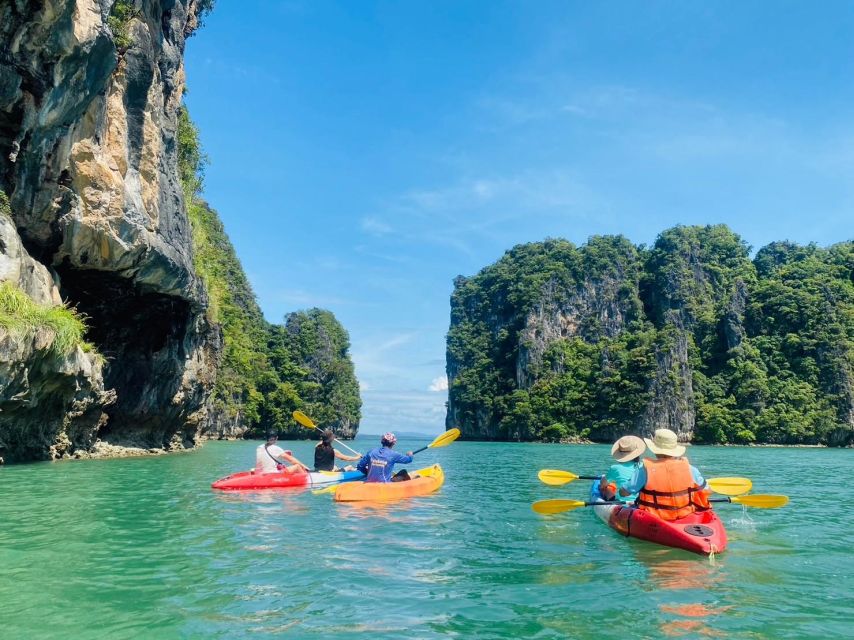
After the rock section, you receive basic paddling instruction before heading into the mangroves. You can paddle a hard-shell kayak in shallow coastal water, or choose a double kayak with a guide if you prefer help with steering and pace.
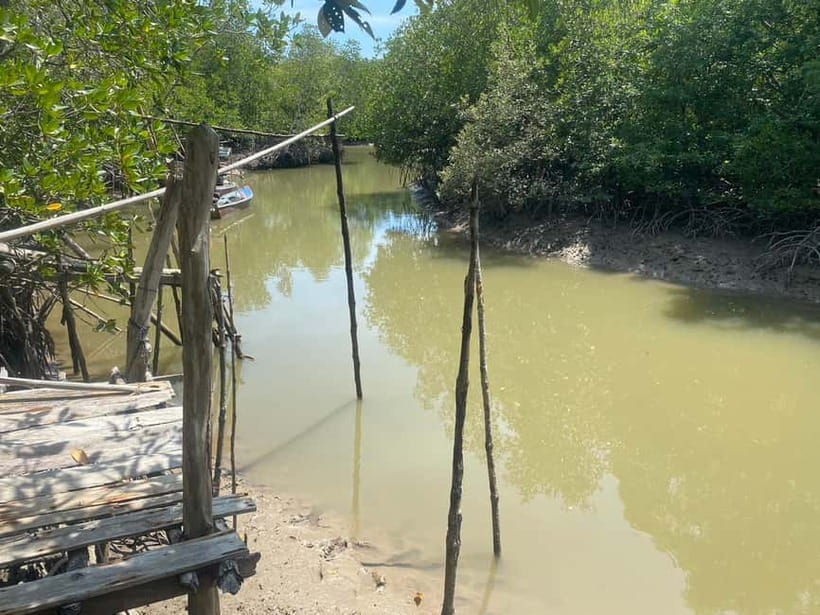
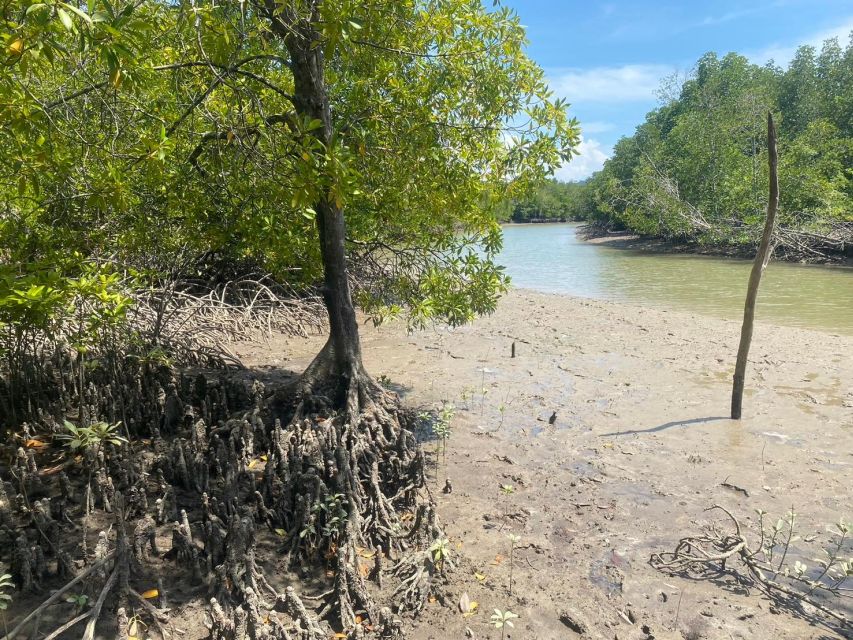
Mangrove kayaking is a quiet, close-up activity. The trees rise above the narrow waterways, and their roots create a tangled edge between land and water. This is a useful chance to see a working coastal ecosystem rather than only postcard scenery.
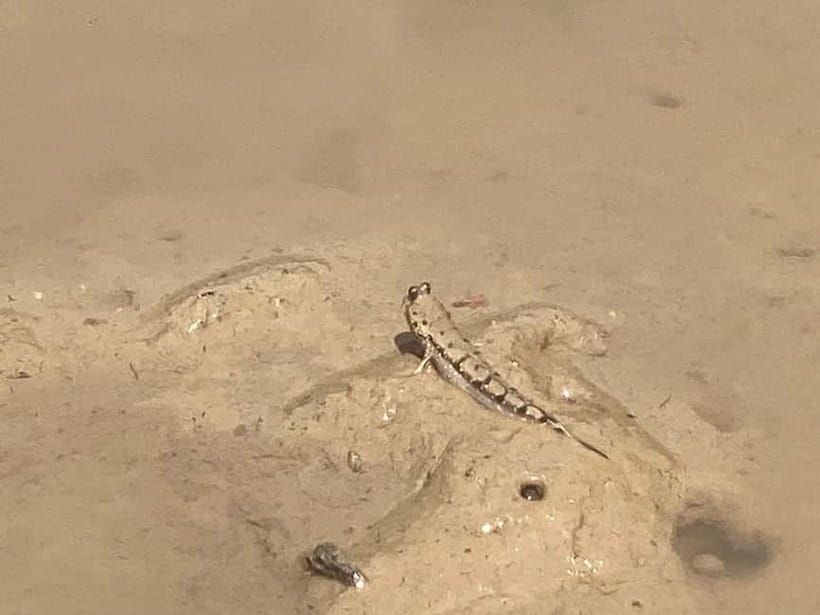
Watch the muddy banks and tree roots for crabs and mudskippers. Lizards may appear along the shore, while birds move through the branches. Monkeys are another possible sight, though wildlife is never guaranteed. The guides can point out small animals that you might miss while concentrating on your paddle.
Tide level affects this part of the outing. At low tide, some channels may be too shallow to enter, making the mangrove section less extensive than expected. That is not a flaw in the operator’s planning so much as a fact of the setting. The tour runs in changing natural conditions, and the route can shift with the sea and weather.
If mangroves are your main reason for booking, ask about tide timing when you reserve. If you mainly want a varied active day, a shorter mangrove route still adds a worthwhile change from open-water kayaking.
Something different for another day:
- Krabi: Premium 4-Island Day Trip by Longtail Boat with Lunch
★ 4.5 · 4,812 reviews - Krabi: Hong Islands Day Trip by Speedboat with Lunch
★ 4.5 · 3,952 reviews - Krabi: Tiger Cave Temple, Emerald Pool and Hot Springs Tour
★ 4.8 · 3,616 reviews - From Krabi: Phi Phi Islands Speedboat Day Tour
★ 4.3 · 3,340 reviews
Ko Talabeng and the best open-water paddling
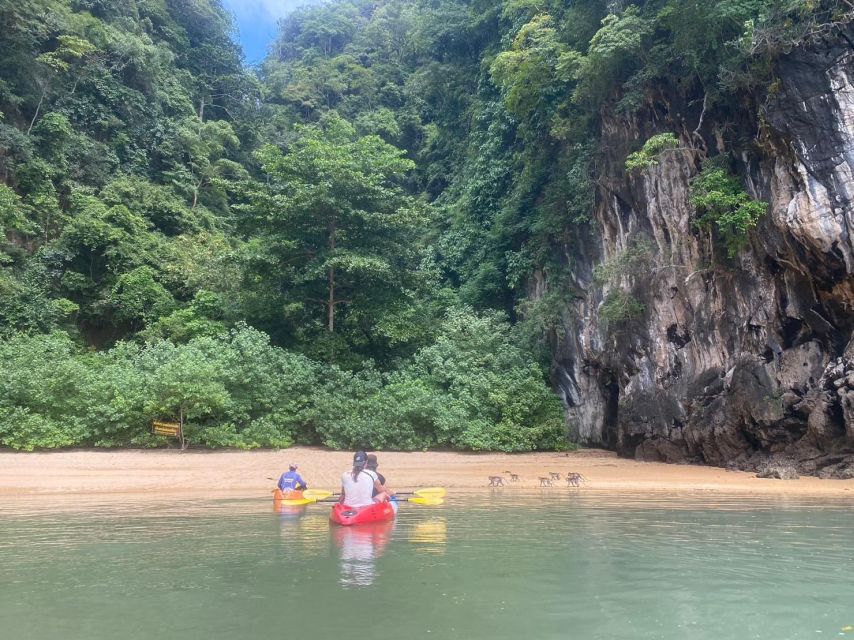
Ko Talabeng is where the scenery opens up. After the sheltered mangrove channels, you paddle around limestone cliffs and along the island coastline. The hard-shell kayaks give you a more direct feel for the water, and the pace is generally suited to sightseeing rather than racing.
This is the part I would look forward to most if I wanted dramatic scenery without the crowds associated with better-known island stops. The cliffs and caves have the same broad appeal as southern Thailand’s famous island views, but the setting can feel much quieter.
The route includes photo stops and breaks at beaches. You may pull in for a swim, rest on the sand, or simply take in the rock walls from the water. The schedule allows time to enjoy the setting instead of treating every stop as a quick photograph.
You should still expect an active day. You will get in and out of a longtail boat, paddle for extended periods, and handle wet equipment. Sea conditions can affect the route, and the operator can change the program if the water becomes rough.
A beach lunch at Ko Talabeng Noi
Lunch is served at Ko Talabeng Noi, on or near a quiet beach. The included meal is described as homemade, filling, and well-liked, with fresh seasonal fruit, soft drinks, and drinking water provided.
This is not a restaurant meal with a menu. It is a practical picnic that fits the day. The appeal comes from eating near the water, cooling off with a swim, and having a proper break between active sections.
Allow yourself to enjoy this pause. The day has enough climbing and paddling that a rushed meal would be a mistake. Bring a towel and a change of clothes, since you may be wet from the kayak or swim. A waterproof bag is included, but keep only the essentials with you in the kayak.
The beach setting is one of the tour’s strongest value points. You are paying for transport, equipment, guides, food, and access to several separate sites. A quiet meal and swim between activities make the seven-hour schedule feel more like a full day out than a chain of disconnected stops.
The cave by kayak
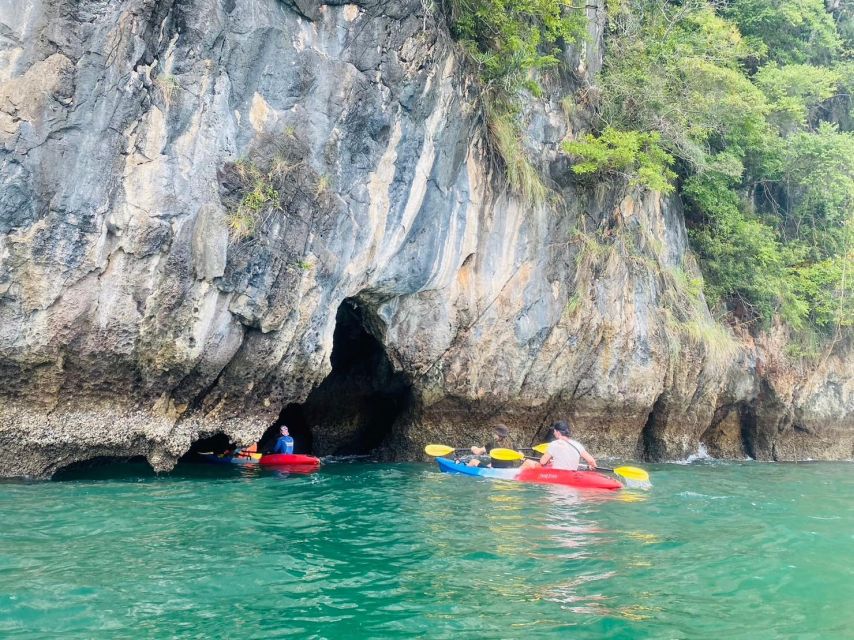
The Ko Talabeng route includes a sea cave with clear water and visible stalactites and stalagmites. You enter by kayak and may have a chance to get into the water inside the cave, depending on conditions and the guide’s judgment.
This is a memorable contrast to Skull Island. The first cave experience is physical, with climbing and exposed rock. The second is reached from the sea and feels calmer, with the kayak carrying you into a darker space beneath the limestone.
The cave is also a reminder to keep your camera protected. The waterproof bag is useful, but it does not make a phone invincible if the kayak tips. One person lost a phone in muddy water after tipping a kayak, and the guide managed to recover it. That was fortunate. Use a secure case or leave expensive electronics packed away when paddling.
Monkeys, birds, and the mangrove ecosystem
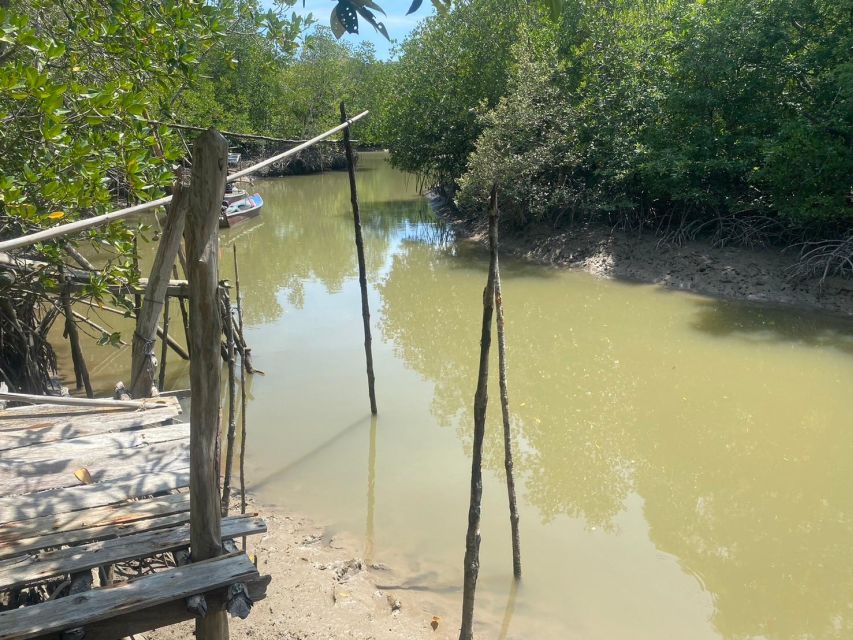
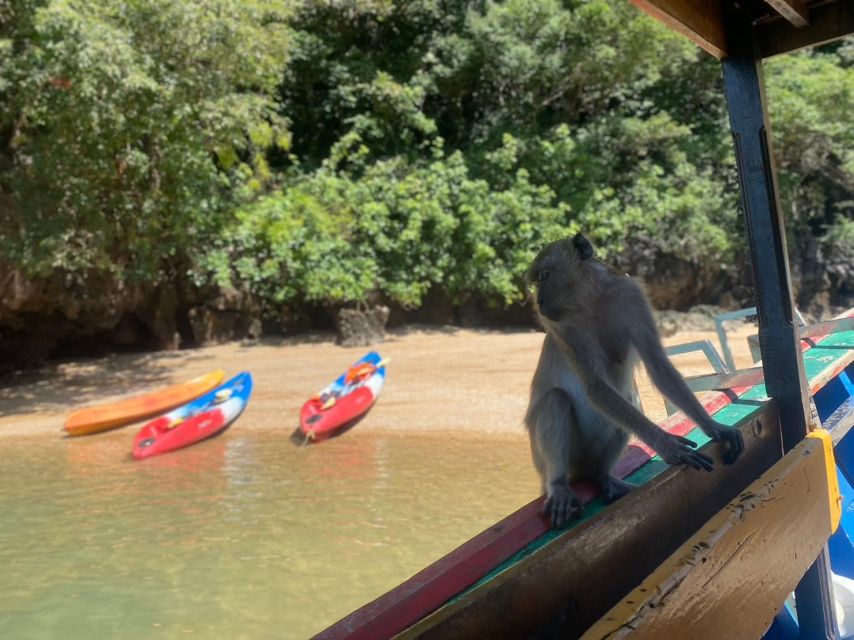
Wildlife is woven through the whole trip rather than added as a formal animal stop. Monkeys may appear around the islands and beaches, sometimes close to the kayaks. Birds, crabs, mudskippers, and lizards are more likely to reward quiet observation along the mangrove edges.
The guides add value here by explaining what you are seeing. The mangrove forest is not just a scenic backdrop. Its roots shelter small creatures and connect the land and sea. At high tide, water reaches into areas that may be muddy or inaccessible at low tide, which helps explain why the route changes during the day.
Keep a respectful distance from monkeys and do not feed wildlife yourself. The tour may use leftover food to attract monkeys for viewing, but your focus should be on watching without provoking them. Wildlife encounters are a bonus, not a guarantee.
How hard is the tour?
The kayaking is manageable for people with ordinary fitness, though you should be comfortable paddling and getting in and out of a boat. The real test is Skull Island.
I would describe the outing as active rather than extreme, but that depends heavily on your comfort with heights and uneven rock. You do not need to be a trained climber, and the guides offer hands-on help. You do need balance, leg strength, steady footing, and the ability to follow instructions.
This is a poor choice if you want a restful boat day. It is also not suitable for pregnant people, those with heart problems, people with a strong fear of heights, people over 70, or anyone above the stated 209-pound limit. Children may find the climb frightening, especially during the descent.
For everyone else, the physical challenge can be part of the reward. Finishing the climb gives the day a sense of achievement that a standard beach stop does not provide. Still, do not let enthusiastic descriptions pressure you into attempting a route that feels unsafe.
What to bring and what to leave behind
Pack lightly, but pack for wet conditions and rock.
- Closed-toe shoes or secure sports sandals
- A towel and a full change of clothes
- Sandals for the beach
- Camera or phone in a waterproof case
- Cash for personal spending or a tip
- Comfortable clothes that can get wet
- Drinking water, although water is included
Pets, alcohol, and drugs are not allowed. Sunscreen is a sensible addition, though it is not listed among the required items. Keep valuables to a minimum, especially during the kayak sections.
Is $63 a fair price?
At $63 per person, the price is reasonable for the amount included. You receive hotel pickup and drop-off, a longtail-boat ride, guides, kayaking equipment, a waterproof bag, lunch, fresh fruit, soft drinks, drinking water, and the relevant parking and wharf fees.
The value improves if you want several experiences in one day. Paying separately for transport, a boat trip, kayak hire, a guide, lunch, and island access could easily become less convenient and more expensive. You also get local assistance during the most difficult part, which is important at Skull Island.
The price is less attractive if you only want mangrove kayaking. The route may be shortened by low tide, and the tour spends time on climbing and open-water stops. In that case, a simpler kayaking activity could suit you better.
You can cancel up to 24 hours before departure for a full refund, and reserve now while paying later. The tour runs in rain, though weather and sea conditions can alter the program.
Who should book this Ko Lanta tour?
I would choose this trip if you want:
- A full, active day rather than a slow beach outing
- A quieter alternative to crowded island routes
- A family-run operation with close guide support
- Both mangrove and sea kayaking
- Wildlife sightings in a natural setting
- A real physical challenge, not just a scenic boat ride
- A homemade lunch and time to swim
I would look elsewhere if you dislike heights, wet clothes, muddy water, rough transfers, or changing plans. The tour is also a poor fit if your group has mixed mobility needs, since one person may be able to climb while another waits below.
Should you book it?
Yes, if you are reasonably fit and want the most varied type of island day around Ko Lanta. The combination of Skull Island, mangroves, Ko Talabeng, monkeys, caves, swimming, and homemade food gives you far more than a standard kayak rental.
Book it with the right expectations. Bring proper shoes, protect your phone, accept that tides may shorten the mangrove route, and do not treat the climb as a casual walk. If that sounds exciting rather than alarming, this is a strong-value choice and one of the more personal ways to explore the islands around Ko Lanta.
FAQ
How long does the Ko Lanta kayaking and Skull Island tour last?
The activity lasts about seven hours, including hotel pickup, transfers, boat travel, kayaking, climbing, lunch, swimming, and the return transfer.
Is hotel pickup included?
Yes. Pickup and drop-off are included for locations in Ko Lanta District. You should wait in your hotel lobby 15 minutes before the scheduled pickup time.
What languages are available?
The tour is conducted in English with a live English-speaking guide.
Is lunch included?
Yes. Lunch, seasonal fresh fruit, soft drinks, and drinking water are included.
Do I need kayaking experience?
No specific kayaking experience is stated as required. The guide provides basic instructions, and you can choose to paddle a double kayak with a guide.
Is Skull Island suitable for people afraid of heights?
No. The tour is not suitable for people afraid of heights. The route includes steep climbing, exposed sections, and a long descent through the rock.
What footwear should I wear?
Bring closed-toe shoes, sports shoes, or secure walking sandals with good grip. Flip-flops are not suitable for the Skull Island climb.
Can the itinerary change because of weather?
Yes. The program can change because of weather and sea conditions. The tour operates rain or shine.
Who should not take this tour?
The activity is not suitable for pregnant women, people with heart problems, people afraid of heights, people over 70, or people above 209 pounds, or 95 kilograms. It is also unsuitable for anyone who cannot manage a physically active day.
Just added around Krabi
- Ko Lanta: Ko Aung, Ko Phee Ghost Cave Island, Talabeng Kayak★ 4.4 · 16 reviews
- Ko Lanta: Kayak and Long-Tail Boat Nature and Wildlife Tour★ 4.8 · 16 reviews
- Lanta Old Town and Mangrove Forest Sightseeing Tour★ 4.0 · 16 reviews
- Krabi: Ultimate Phi Phi & Maya Bay Ascent by Speedboat★ 4.2 · 16 reviews
- Full-Day Sea Kayaking Adventure in Ao Thalane Bay from Krabi★ 5.0 · 17 reviews
- From Phi Phi islands: Phi Phi, Maya Area by longtail Boat★ 4.4 · 17 reviews
- Krabi 7 Islands Sunset & Bioluminescence by Longtail boat★ 3.5 · 17 reviews
- Krabi: 4 Islands & Thale Waek’s Sandbar Tour By Speedboat★ 4.2 · 17 reviews
Canoes & Kayaks, compared.

Phang Nga Bay Sea Cave Canoeing & James Bond Island by Big Boat
Read our review →
Mu Ko Ang Thong Park Cruise with Kayaking Option
Read our review →

James Bond Island Longtail Boat and Sea Canoe Tour
Read our review →
Kayak Adventure through Ao Thalane Mangrove Forest
Read our review →
Hong by Starlight: Sea Cave Kayaking and Loy Krathong Floating
Read our review →
James Bond Island with Canoeing and Lunch by Speedboat
Read our review →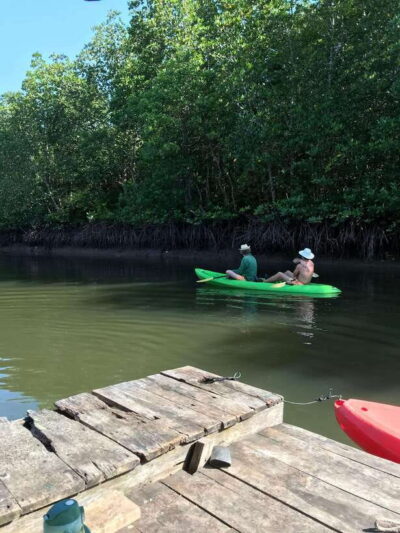
Browse the lists this tour appears in