
Reviewed · WALKING TOURS
Small-Group: Unseen Bangkok’s Chinatown Walking Tour
Chinatown rewards slow feet. This three-hour walk leads you through Sampeng Market’s narrow lanes, old Chinese temples, local shrines, and corners most visitors would likely miss. I especially like the street-food tastings and the sit-down Thai-Chinese lunch, plus the chance to see daily life beyond Yaowarat’s bright signs. The main drawback is that the route is more about local history and community life than a serious shopping trip, so bargain hunters may want clearer expectations.
The small group is a real advantage. The advertised limit is eight people, although the additional tour information lists a maximum of 10, so check the current booking details. Guides such as Bobby, Aom, Mai, Eng, George, Gee, Pat, and Buoy have been praised for making the walk personal, flexible, and full of useful local detail.
In This Review
- Key points to know before you go
- Why Bangkok’s Chinatown is best explored on foot
- Meeting at Hua Lamphong at 10:00 a.m.
- Old temples, a hidden school, and a local coffee stop
- Street art, a Chinese shrine, and the oldest Chinese house
- The former red-light district and its complicated past
- A 150-year-old fresh market and Sampeng’s narrow lanes
- Street snacks first, then Thai-Chinese lunch
- What the small group adds to the walk
- Is $52.14 a fair price?
- Practical advice for heat, rain, and walking
- Who should book this Chinatown walk?
- Should you book this Bangkok Chinatown tour?
- FAQ
- How long does the Chinatown walking tour last?
- What time does the tour start?
- Where do I meet the guide?
- Where does the tour end?
- Is lunch included?
- Are food samples included?
- How large is the group?
- What should I wear and bring?
Key points to know before you go
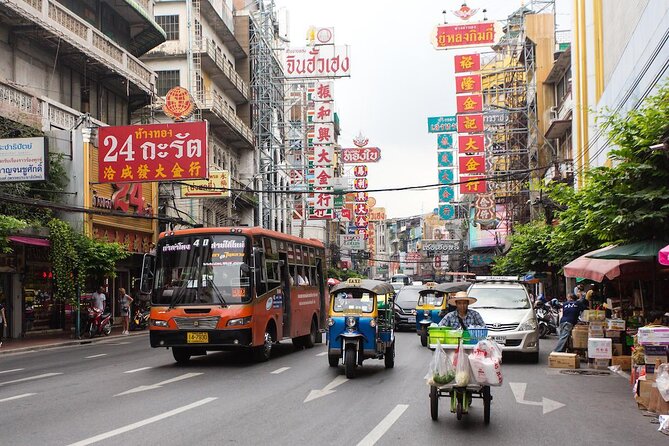
- Sampeng Market on foot: Squeeze through wholesale alleys filled with small shops, inexpensive goods, and everyday commerce.
- Local food along the way: Try Chinese-style street snacks, Thai coffee or iced tea, and a sit-down Thai-Chinese meal.
- A history-led route: See old buildings, temples, a shrine, a former red-light district, a fresh market, and a 150-year-old Chinese house.
- Small-group attention: The advertised group size is no more than eight, though the activity information also says 10.
- Easy morning start: Meet at Better Coffee near MRT Hua Lamphong at 10:00 a.m., then finish back at the meeting point.
- Bring practical gear: Comfortable shoes, breathable clothing, and rain protection make this much easier in Bangkok weather.
Why Bangkok’s Chinatown is best explored on foot
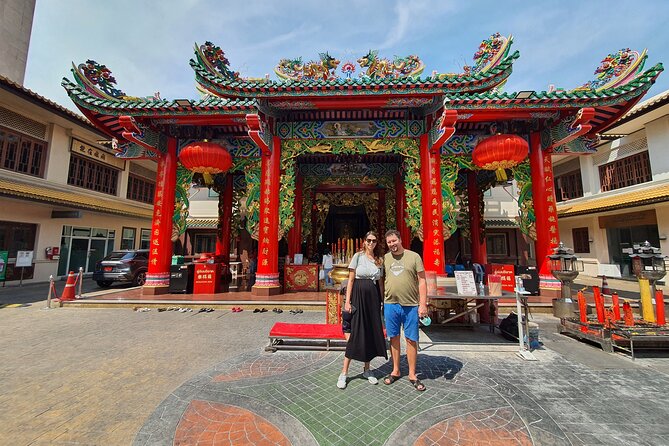
Bangkok’s Chinatown is not one tidy attraction. It is a working district of food stalls, shrines, markets, family businesses, old buildings, and lanes that can feel confusing when you first arrive.
That confusion is exactly why a guide helps. The route takes you away from the obvious Yaowarat strip and into smaller streets where the appeal is not a grand monument but the pattern of local life. You may pass through wholesale shops, small courtyards, market lanes, and community spaces that are easy to walk past without realizing their importance.
I like that this is not built around a long list of famous photo stops. The value comes from having someone explain what you are seeing. Several guides have been praised for their stories about Chinese settlement in Bangkok, local customs, community life, and the way the area has changed.
The walk also has a pleasant rhythm. You move through the streets, pause at a temple or shrine, stop for coffee, taste a snack, and sit down for lunch. That variety matters in Bangkok, where three hours of continuous walking can become hot, noisy work.
More Walking Tours in Bangkok
- Bangkok: City Highlights Temple and Market Walking Tour
★ 4.5 · 3,990 reviews - Bangkok: Grand Palace and Wat Phra Kaew Guided Walking Tour
★ 4.4 · 2,417 reviews - Bangkok: Wat Pho and Wat Arun Guided Walking Tour
★ 4.6 · 1,720 reviews
Meeting at Hua Lamphong at 10:00 a.m.
The tour begins at Better Coffee, at the Better Coffee Building near MRT Hua Lamphong, Exit 1. The guide meets you at street level at 10:00 a.m., and the walk ends back at the same meeting point.
This is a practical starting place because the area is close to public transportation. The tour does not include hotel pickup or drop-off, so you need to make your own way there. A mobile ticket is provided, and confirmation is sent when you book.
Arrive with enough time to find Exit 1 and locate the coffee shop. The meeting point is given as 320 TangHuaPak, Hualamphong Thanon Rama IV, in Bangkok’s Bang Rak district. If you are unsure, message the tour company before the morning begins.
The tour includes local transportation costs during the trip. That is useful if the route includes a short local ride, though the supplied details do not specify every transport segment. Plan on walking for most of the experience.
Old temples, a hidden school, and a local coffee stop
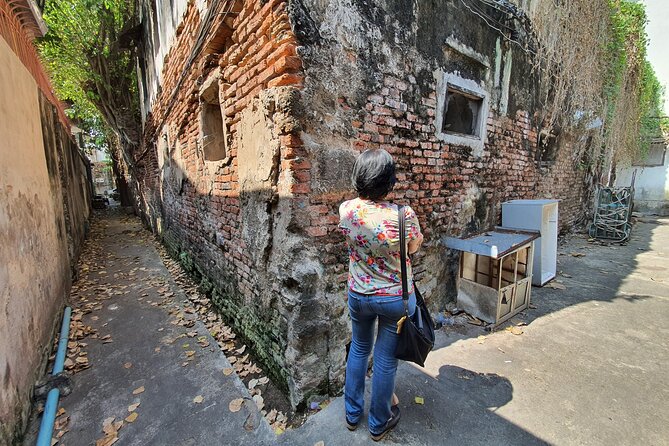
The first part of the route introduces you to older Chinese religious and community sites. You may visit ancient Chinese temples, a small shrine, and a former school tucked into the neighborhood.
These stops help explain why Chinatown is more than a place to eat noodles and buy dried goods. Chinese communities have shaped Bangkok’s commerce, worship, education, and family networks for generations. A good guide can connect the old buildings to the people who still live and work nearby.
The coffee stop is a welcome touch. Local coffee and iced tea have both received warm praise, and the pause gives you a chance to sit, cool down, and ask questions. This is also where a small group can feel more like a conversation than a lecture.
The level of temple commentary can depend on the guide. Some guides, including Aom, Bobby, Pat, and Buoy, have been praised for strong explanations of local history and culture. One person wanted more detail about the major temples, so if religious architecture is your main interest, tell your guide early.
Street art, a Chinese shrine, and the oldest Chinese house
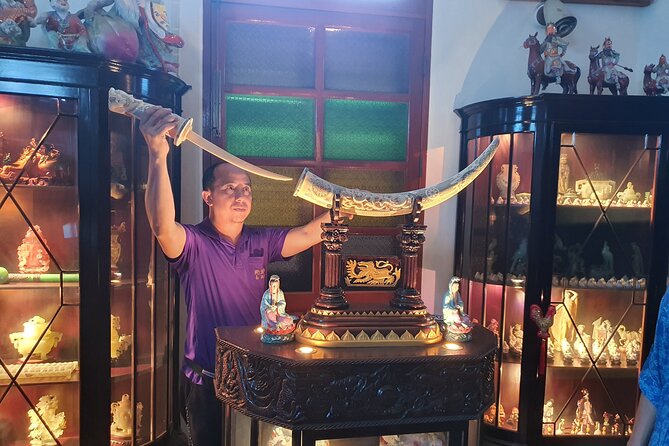
One section leads toward a street-art area and a Chinese shrine. You also see what is described as the oldest Chinese house in Bangkok, with time to learn about the Chinese community from someone who knows the neighborhood.
The stop at the shrine is not just a quick photograph. Chinese shrines often remain active places of worship, and your guide can help you understand the difference between a religious site and a decorative historic building. Be respectful, keep your voice low, and follow any local instructions about where to stand or take pictures.
The old house gives the route a strong sense of place. You are not simply looking at an old facade. You are seeing how Chinatown’s past remains part of a working district, alongside shops, food stalls, markets, and apartments.
A useful strength of this walk is the chance to interact with local people and see the Chinese community as a living part of Bangkok. The experience is not presented as a museum tour. It is a walk through streets where ordinary business and worship continue around you.
Something different for another day:
- Bangkok: Damnoen Saduak Market and Maeklong Railway Market
★ 4.5 · 26,723 reviews - The Old Siam: Damnoen Saduak and Maeklong Railway Market
★ 4.5 · 10,992 reviews - From Bangkok: Ayutthaya Temples Guided Tour with Lunch
★ 4.7 · 10,535 reviews - Bangkok: Train Market & Floating Market with Boat Ride
★ 4.7 · 9,547 reviews
The former red-light district and its complicated past
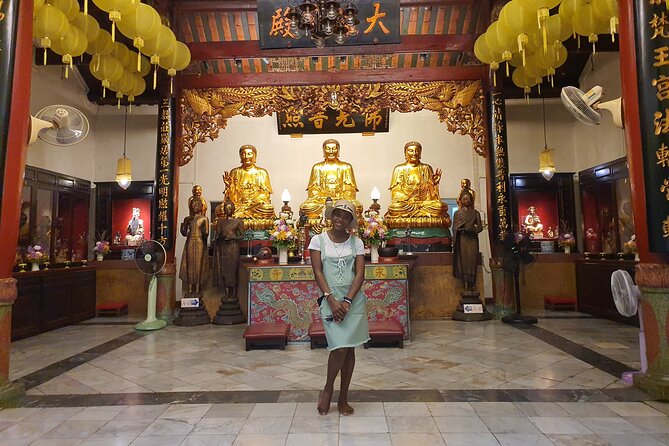
The route also visits a former red-light district in Chinatown, with about 15 minutes allocated to the stop.
This is one of the more unusual parts of the tour. It adds a less polished chapter to the area’s story and shows that Chinatown has not had just one identity. Trade, entertainment, migration, religion, family life, and nightlife have all shaped the neighborhood.
The details provided for this stop are limited, so do not expect a long historical seminar. Its value depends on how your guide presents the location and answers questions. If you want more context, ask about how the district operated, how it changed, and what remains today.
This is also a reminder that the route is history-focused. Sampeng Market is included, but the tour is not designed as a dedicated shopping excursion. You will have opportunities to look at goods and perhaps bargain, but the main purpose is understanding the district.
A 150-year-old fresh market and Sampeng’s narrow lanes
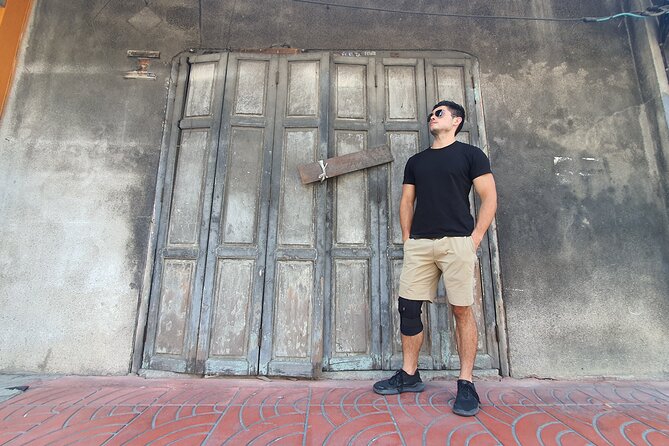
The next stop is a fresh market described as roughly 150 years old. The visit is brief, around 10 minutes, but it helps you see the food and trading side of Chinatown.
Fresh markets reward attention. Watch how goods are arranged, notice what local shoppers are buying, and let your guide explain how the market fits into the wider neighborhood. The route then moves through Sampeng Market, famous for its narrow lanes and wholesale shops.
Sampeng can be crowded, tight, and hard to navigate. That is part of its charm, but it is not an easy place for a relaxed stroll. Stay close to your guide, keep your belongings secure, and wear shoes with a firm sole.
You may find inexpensive household goods, accessories, clothing, toys, and other small items, but the exact selection changes. The tour gives you a way to browse without spending the whole morning figuring out where the lanes lead.
If shopping is your main goal, be careful with the wording of the tour. You can shop for bargains, but the route is primarily about Chinatown’s past, local life, temples, markets, and food. It is best for someone who wants shopping as one ingredient, not the entire meal.
Street snacks first, then Thai-Chinese lunch
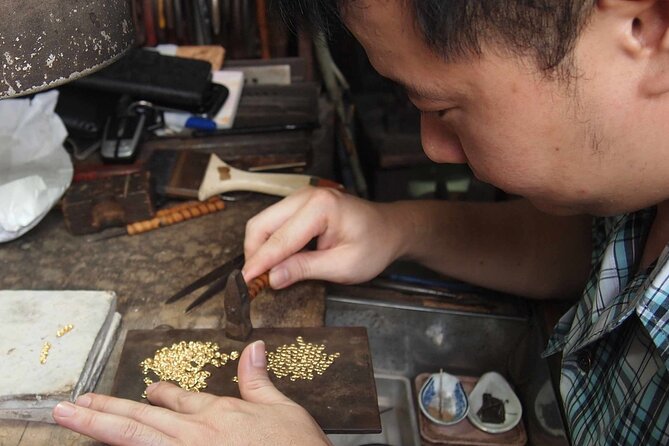
Food is one of the strongest reasons to choose this walk. Along the way, you receive samples of Chinese street-vendor snacks, followed by lunch at a restaurant that has been open for 30 years.
The tasting portion gives you a chance to try foods you might not recognize from a menu. Your guide can explain what you are eating and how it fits into the Thai-Chinese character of Chinatown. The food is part of the neighborhood story, not a separate restaurant stop pasted onto a sightseeing tour.
Lunch is served at a sit-down restaurant and features typical Thai-Chinese dishes. One reported route included noodle soup, and another included fried oysters at a Michelin-recommended street-food shop, though specific dishes can vary by guide and day. Drinks are available for purchase, and alcoholic beverages are not included.
The listed time at the final Chinatown and Yaowarat stop is about 20 minutes, though the full walk lasts around three hours. That suggests lunch may be fairly focused rather than a long, leisurely meal. If you want a slow restaurant experience, ask your guide about the timing at the start.
Food restrictions are not described in the supplied information. If you have allergies or dietary needs, contact the company before booking and repeat the information to your guide. Do not assume every sample or dish can be changed.
What the small group adds to the walk
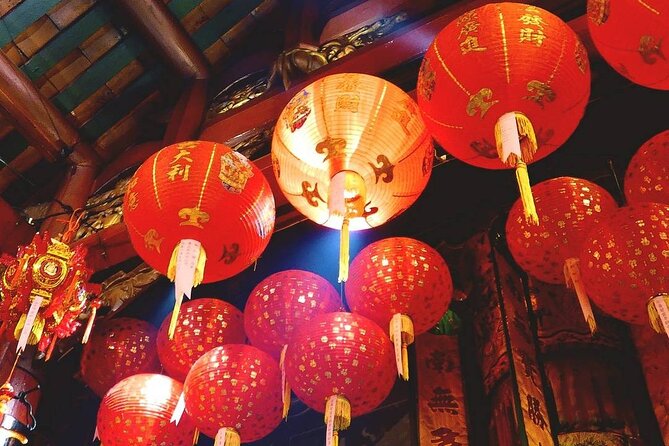
A group of eight or fewer can make a big difference in Chinatown. The lanes are tight, and a large crowd would make it harder to hear explanations or move together. With fewer people, you can ask about a shrine, stop for a photograph, or pause at a market stall without holding up a bus-sized procession.
Several guides have been praised for adjusting the pace. Eng was noted for building in frequent breaks, while Aom was praised for keeping a comfortable rhythm. One person traveling alone ended up with two guides and received a route adjusted to personal interests.
Bobby received particularly strong praise for his storytelling, warmth, photographs, and willingness to stay beyond the scheduled three hours. Pat was praised for combining temples, markets, local food, a former school, and a riverside coffee stop. Mai and Gee were also described as friendly and well informed about the city and its heritage.
That said, the guide matters. The experience is strongest when your guide explains the sites rather than simply leading you from one point to the next. If you want detailed temple information, tell the guide at the beginning instead of waiting until the end.
The activity information gives two different group limits: no more than eight in the highlights, and a maximum of 10 in the additional details. I would treat it as a small-group tour, but confirm the current number before paying if group size is central to your decision.
Is $52.14 a fair price?
At $52.14 per person, this is not the cheapest way to walk through Chinatown. You can explore Yaowarat and Sampeng Market on your own for very little, especially if you are comfortable navigating without help.
The fee makes more sense when you count what is bundled in: a local guide, food and drink samples, lunch, visits to religious and historic sites, and local transportation costs during the trip. You are paying for access to context and for someone else to connect the neighborhood’s small details.
I see the price as fair for a first visit, particularly if you value local food and stories more than independent wandering. It is less compelling for experienced Bangkok visitors who already know Chinatown’s lanes and are mainly looking for a full afternoon of shopping.
The small group improves the value. A private tour would usually cost more, while a large group would make the tight market streets less enjoyable. The main question is not simply how much walking you get. It is whether you want guidance through places that can be difficult to interpret on your own.
Practical advice for heat, rain, and walking
The tour operates in all weather conditions. Bangkok can be hot, humid, and wet, so dress for movement and bring suitable rain protection if the forecast looks uncertain.
Comfortable walking shoes are essential. You will deal with narrow market lanes, busy streets, temple floors, and stops where the ground may not be perfectly even. The activity recommends a moderate level of physical fitness.
Carry water, even though drinks are available for purchase. A small bag is easier than a large backpack in Sampeng’s crowded passages, and you should keep valuables secure in busy areas.
Dress respectfully for temple and shrine visits. The exact dress rules are not supplied, but modest clothing is a sensible choice for religious sites. Ask before photographing people, worshippers, or ceremonies.
Because the route begins at 10:00 a.m., you may want a light breakfast rather than a large meal. The food samples and lunch are part of the tour, but the lunch stop is listed as a short visit.
Free cancellation is available if you cancel at least 24 hours before the local start time. Cancellations or changes made inside that window are not refunded or accepted.
Who should book this Chinatown walk?
I would choose this tour for a first-time Bangkok visitor who wants more than the main Yaowarat road. It suits you if you like local food, old buildings, small shrines, market life, and informal conversation with a guide.
It is also a good fit for solo visitors and couples. The small group makes it easier to ask questions, and the route can sometimes be adapted when the group is tiny. People who enjoy taking photographs may appreciate guides such as Bobby, who has been praised for taking pictures and videos during the walk.
Families with older children may enjoy the changing pace, though the narrow lanes, heat, and market crowds require patience. The moderate fitness requirement is worth taking seriously.
I would skip it if your only goal is shopping. You will see Sampeng Market, but this is not a bargain-hunting masterclass. I would also hesitate if you want a long, formal lecture at every temple, since the amount of detail can vary by guide.
Should you book this Bangkok Chinatown tour?
Book it if you want a guided look at the less obvious side of Chinatown, with snacks, coffee, temples, market lanes, and a Thai-Chinese lunch folded into one morning. The strongest part is the human scale: you are walking with a small group through places that are easy to miss and hearing how they connect to Bangkok’s Chinese community.
Before booking, confirm the group limit and tell the company about dietary needs or special interests. Set your expectations correctly: this is a local-history and food walk that includes shopping, not a shopping tour with a little history added. For that purpose, the high 4.8 rating and 96 percent recommendation fit the experience well.
FAQ
How long does the Chinatown walking tour last?
The tour lasts approximately three to four hours, with the main description calling it a three-hour walk.
What time does the tour start?
The tour starts at 10:00 a.m.
Where do I meet the guide?
You meet the guide at Better Coffee, on the first floor of the Better Coffee Building near MRT Hua Lamphong, Exit 1, at street level.
Where does the tour end?
The activity ends back at the meeting point.
Is lunch included?
Yes. The tour includes lunch featuring typical Thai-Chinese dishes. Drinks are available for purchase.
Are food samples included?
Yes. Food and drink samples are included during the tour.
How large is the group?
The tour is advertised as a small-group experience limited to eight people. The additional information lists a maximum of 10 travelers, so confirm the current limit when booking.
What should I wear and bring?
Wear comfortable walking shoes and dress appropriately for the weather. The tour operates in all weather conditions, and a moderate level of physical fitness is recommended.
Just added around Bangkok
- 2-hour Bangkok Old City Night CHOB TUK TUK + Talat Noi Street Art★ 5.0 · 16 reviews
- Kanchanaburi World War 2 Private Charter Pathway of the Past Tour★ 4.5 · 16 reviews
- Floating Market with Great Pagoda Temple and Wat Sam Phran★ 5.0 · 16 reviews
- Khao Yai National Park Hiking Day Tour: Haew Narok and Haew Suwat★ 5.0 · 16 reviews
- Shangri-La Hotel’s Salathip Thai Restaurant Experience★ 4.5 · 16 reviews
- Private Transfer Bangkok – Koh Kood Island★ 4.0 · 16 reviews
- Private Half-Day Bangkok Tour Explore Grand Palace and Wat Pho★ 4.5 · 16 reviews
- The Best Bangkok Temples★ 4.0 · 16 reviews
Walking Tours, compared.
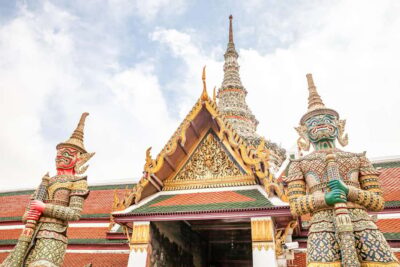
City Highlights Temple and Market Walking Tour
Read our review →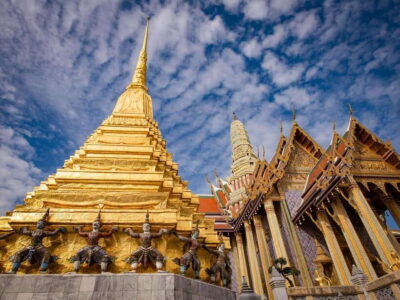
Grand Palace and Wat Phra Kaew Guided Walking Tour
Read our review →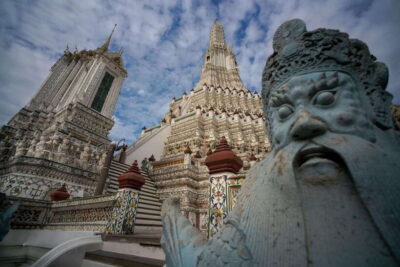
3 Hour Old City and Temples Guided Walking Tour
Read our review →
Beach walk with elephants, rain & care. 2.5 hours
Read our review →
Bukit Elephant Park Sanctuary Walk and Feed Tour
Read our review →
Bangkok Authentic Tasting Thai-Chinatown Walking Food Tour
Read our review →
Browse the lists this tour appears in