
Reviewed · YOGA & WELLNESS RETREATS
Chiang Mai: Evening Chanting & Meditation
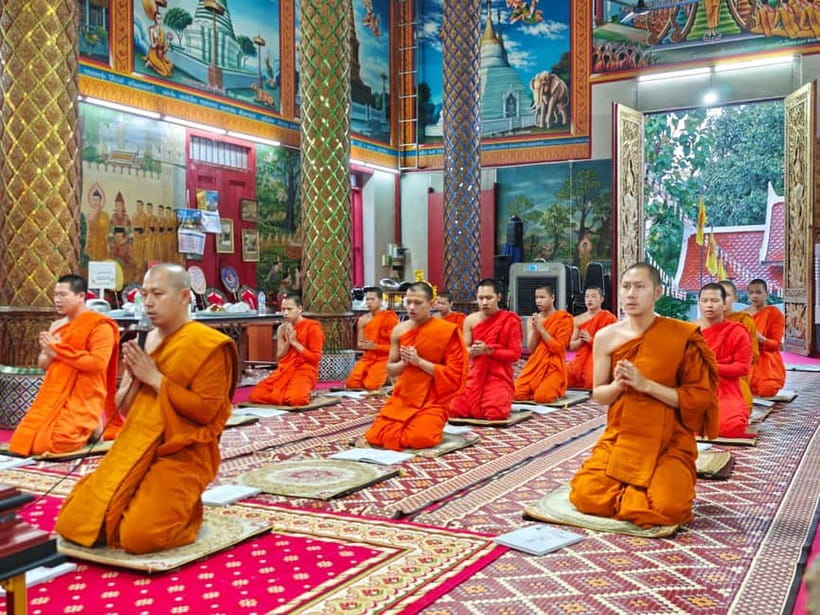
Let the temple bells reset your evening. This three-hour experience at Wat Chai Sri Phoom gives you something many Chiang Mai tours do not: a chance to sit with monks during evening chanting, practice a short meditation, and ask direct questions about Buddhist life. I especially like the access to former monk guides such as Son, who spent 13 years in the monkhood, and the gentle Metta practice that sends good wishes to loved ones and all living beings. The main drawback is practical rather than spiritual: the meeting-point information is not fully consistent, so you should confirm the exact location before setting out.
I also like the modest price, $20 per person, for a guided meditation, an explanation of Buddhist practice, and time with the temple community. This is not a sightseeing stop where you snap a few photos and leave. You are expected to sit quietly, dress respectfully, and take part. That makes it meaningful, but less suitable if you want a fast-paced evening or have difficulty sitting on the floor.
In This Review
- Key points to know before you go
- Why this Chiang Mai temple evening feels different
- Sitting with the monks during 40 to 50 minutes of chanting
- The 15-minute guided meditation
- Metta practice, kindness directed beyond yourself
- Time with monks, guides, and lay practitioners
- The meeting point needs a careful check
- Dress and temple manners
- Is $20 good value?
- Who should book this experience?
- Final verdict: a thoughtful evening for the right visitor
- FAQ
- Where does the evening chanting and meditation experience take place?
- How long does the experience last?
- What is included in the price?
- Is transportation included?
- What languages are available?
- What should I bring?
- Are there restrictions on photography and phone use?
- Who cannot join this experience?
Key points to know before you go
- Evening chanting lasts about 40 to 50 minutes: You sit with the monks and listen to the steady rhythm of sacred texts rather than simply touring the temple.
- A former monk often leads the experience: Son, also identified as Paponsonkl in one account, is praised for clear English and practical explanations of Buddhism.
- The 15-minute meditation is short but focused: A guide helps you settle your attention after the chanting.
- Metta gives the evening a personal focus: You extend wishes of kindness to loved ones, people who have died, and all beings.
- The best part may come after the formal session: Monks and lay practitioners can share advice and answer questions about Buddhist philosophy and daily life.
- Check the meeting point carefully: The information names Wat Lok Moli, Wat Chai Sri Phoom, and A Chef’s Tour Chiang Mai Food Tours in different places.
Why this Chiang Mai temple evening feels different
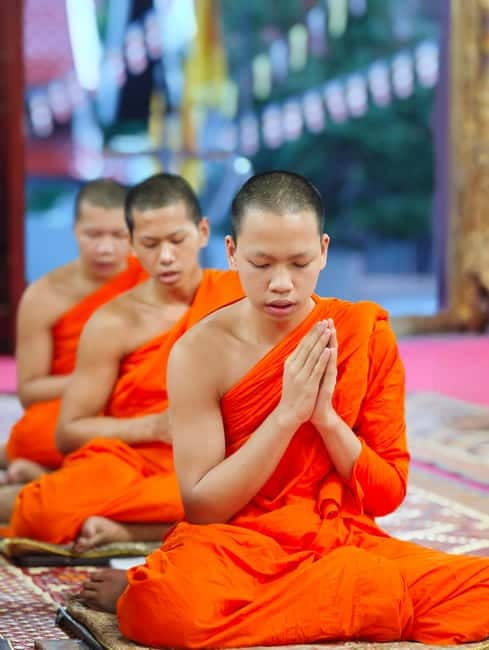
Chiang Mai has no shortage of temple tours. Many show you a courtyard, a chedi, and a few Buddha images before moving on. This activity takes a slower route. You are there for a living practice, not just the architecture.
The evening begins in the temple grounds, where you have time to settle before the prayers. That pause matters. You are not being hurried from one photo stop to another, and the quiet setting helps you shift out of sightseeing mode. The gentle evening air, low voices, and expectation of the chant create a calm beginning.
The experience is led in English and Thai. Your guide explains what is happening and helps you follow the basic ideas behind the ritual. That support is useful because Buddhist chanting can otherwise feel beautiful but mysterious. You may not understand every word, yet you can understand the purpose, rhythm, and place of the practice in monastic life.
I see this as a good choice for curious visitors who want context without signing up for a full religious retreat. You do not need previous meditation experience or a background in Buddhism. You do need patience, respect, and a willingness to let the evening unfold at a slower pace.
More Yoga & Wellness Retreats in Chiang Mai
- Spiritual Sunrise Wat Doi Suthep, Pha Lat, Alms & Meditation
★ 4.9 · 674 reviews - Meditation Retreat and Self-Care in Nature
★ 5.0 · 46 reviews - Half-Day Yoga, Meditation, and Thai Cultural Immersion in Chiang Mai
★ 5.0 · 40 reviews
Sitting with the monks during 40 to 50 minutes of chanting
The central part of the evening is the chanting session. You sit alongside the monks as they recite sacred texts in a steady, sonorous rhythm. The sound is not presented as a show. It is part of the temple’s regular spiritual practice, and your role is to join respectfully and listen with attention.
You can close your eyes and pay attention to the sound, breath, and physical feeling of the chant. The repeated cadence can help quiet the mental noise that follows a busy day in Chiang Mai. Some people may feel the sound as a physical vibration. Others may simply notice that their breathing slows and their attention becomes steadier.
A helpful guide explains the meaning and purpose of the chanting before or around the session. This is important for first-time visitors. You are not required to pretend that you understand every ritual detail. Instead, you receive enough background to take part with care.
One limitation is that an English version of the chant is not provided. If you need a word-for-word translation, this may leave you wanting more. The experience is stronger as a sensory and reflective practice than as a fully translated ceremony.
You should also silence your phone before the chanting begins. Flash photography is not allowed, and smoking is prohibited. Those rules are simple, but they protect the quiet atmosphere and show respect for the people who are there for prayer rather than tourism.
The 15-minute guided meditation
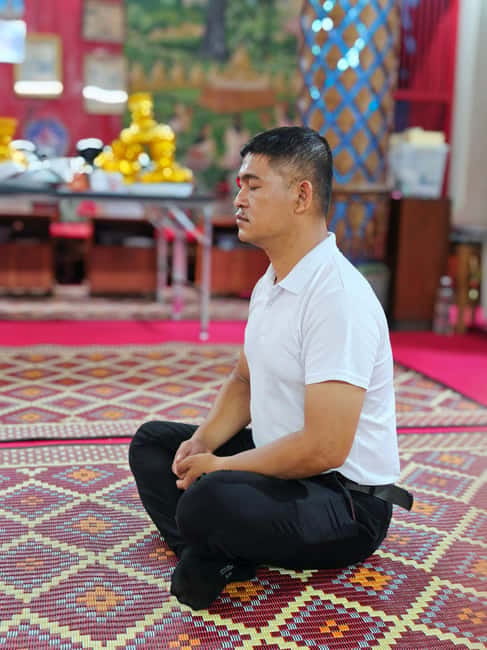
After the chanting, the group moves into a silent meditation lasting about 15 minutes. The guide provides direction, so you are not left wondering what to do with your thoughts or how long to sit.
Fifteen minutes is a sensible length for a mixed group. It is long enough for you to settle, but not so long that beginners feel trapped in an uncomfortable posture. The guide’s role is to help you notice the breath, calm your attention, and let distractions pass without chasing them.
People with an established meditation practice may find the session fairly basic. That is not a flaw. The value here is the setting and the connection to the chanting that comes before it. The meditation gives you a quiet landing place after the sound and ritual.
You should wear comfortable clothing. The activity is not suitable for people with back problems, and wheelchair users may find the setting unsuitable. Children under 10 are not accepted. If you need a chair or another seating arrangement, ask in advance rather than assuming the temple can provide one.
Metta practice, kindness directed beyond yourself
The Metta practice adds a warm, personal element to the evening. You are guided to extend heartfelt wishes of well-being to people you love, those who have died, and all beings.
This makes the practice easy to understand, even if Buddhist meditation is new to you. Rather than focusing only on personal calm, you direct your attention outward. The exercise links private feelings with a wider idea of compassion and shared well-being.
For me, this is one of the most accessible parts of the program. You do not need to accept every Buddhist teaching to understand the simple act of wishing others peace and safety. It can also give the meditation a clear purpose, especially if you are carrying homesickness, grief, or concern for someone far away.
The session remains respectful of Buddhist tradition rather than turning Metta into a motivational talk. Your guide explains the practice and allows you time to experience it quietly. That balance helps the activity feel sincere.
More Yoga & Wellness Retreats:
- 3 day Yoga and Meditation Retreat in Chiang Mai
★ 5.0 · 19 reviews - Krabi: Sunset Yoga Balance Join-in Class
★ 4.7 · 57 reviews - Bangkok: All-Level Morning Yoga Flow in Lumphini Park
★ 4.9 · 42 reviews - Koh Tao: Yoga Class In Paradise – All Levels Welcome!
★ 4.8 · 30 reviews
Time with monks, guides, and lay practitioners
The formal program may be advertised as three hours, but the conversations can continue well beyond the planned meditation. One evening reportedly included around two and a half hours of talking and listening after the main session. You should not count on that exact length, but it shows that the schedule can be generous when the discussion is flowing.
This is where the guide matters most. Son is repeatedly praised for his English, kindness, and ability to explain both Buddhist ideas and everyday life. He is described as a former monk who spent 13 years in the monkhood, giving him personal experience of monastic routines and discipline.
Other guides named in the accounts include Earth and Big. One guide identified as Paponsonkl is also described as a former monk who explained the chants, meditation, the life of monks, and the story of Buddha. The names may vary depending on the date, so do not book solely to meet one particular person. Still, the clear pattern is that the guide’s lived experience is a major part of the value.
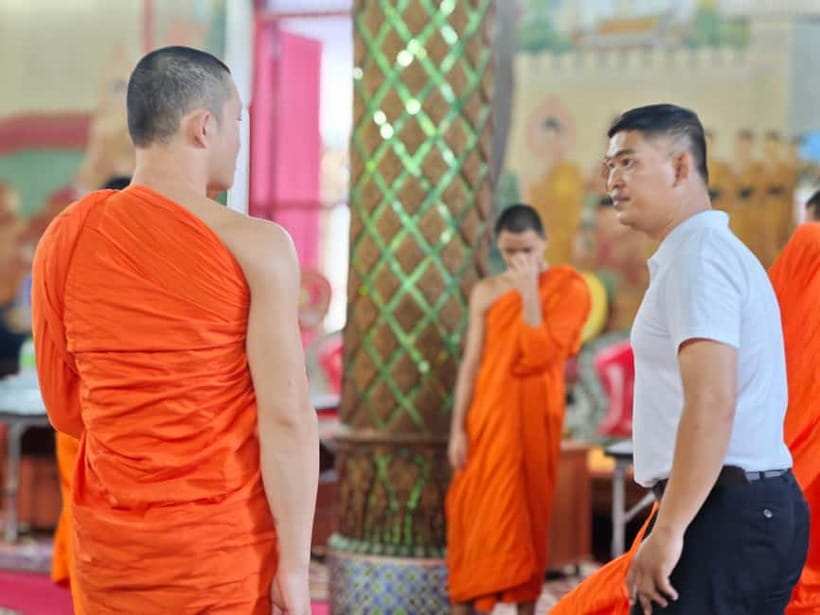
You may hear monks speak with younger monks or lay practitioners, or have the chance to ask questions after the meditation. Topics can include Buddhist philosophy, the daily life of monks, Thai culture, and ways Buddhist practice applies to ordinary life.
This exchange is a rare strength. You can ask the questions that do not fit neatly into a standard temple tour. Why do monks chant? What does meditation try to change? How does Buddhist practice work outside the temple? A former monk can answer from experience rather than reading a prepared script.
In some cases, monks offer a short blessing at the end. This is not guaranteed as a fixed part of every session, but it has been included in the experience described by participants.
The meeting point needs a careful check
The practical details need attention. The activity information names Wat Lok Moli as the meeting point, with the guide waiting in front of the temple. Elsewhere, the program refers to Wat Chai Sri Phoom as the setting, while the itinerary lists A Chef’s Tour Chiang Mai Food Tours as both the starting and ending location.
Those details do not line up neatly. The meeting location may change, so check your booking confirmation and contact the provider, Journey D Travel, before the evening. Do not simply enter one of these names into a taxi app without checking.
Transportation to and from Wat Chai Sri Phoom is not included. You arrange your own way there, and meals and drinks are also excluded. Bring water, arrive at least 15 minutes early, and allow time to settle before the chanting starts.
That early arrival is not wasted time. You need a moment to find the guide, adjust your clothing, silence your phone, and move from street noise into temple quiet. Arriving late would be especially disruptive during a prayer session.
Dress and temple manners
Dress modestly. Your shoulders and knees should be covered, and your clothing should be comfortable enough for sitting quietly. The information does not specify a formal uniform, but a respectful temple outfit is the safe choice.
Keep your phone silent and avoid flash photography. Smoking is not allowed. You should also follow the guide’s instructions about where to sit and how to move around the temple.
These rules are not obstacles. They are part of entering a working religious setting. You are not visiting an empty monument. Monks and lay practitioners are using the space for worship, study, and reflection.
Is $20 good value?
At $20 per person, I consider this a strong value if you want more than a standard temple visit. The price includes the guided meditation, the chanting experience, and explanations of Buddhist philosophy and practice. It does not include transportation, meals, drinks, or personal spending.
The real value comes from access and interpretation. You could visit a Chiang Mai temple for free or a small donation, but you would not necessarily understand the chanting or have a former monk explain how Buddhist practice connects with daily life. You also would not be guaranteed a guided meditation or time for questions.
The price is less attractive if you only want to hear chanting for a few minutes. The program requires three hours, modest dress, quiet behavior, and a willingness to sit still. It is not an evening entertainment show.
The experience has a 4.5 out of 5 rating from 69 ratings, with particularly strong praise for the guides. The repeated names of Son, Earth, and Big point to the importance of the human element. A good guide makes the ritual easier to follow and the question period far more useful.
Who should book this experience?
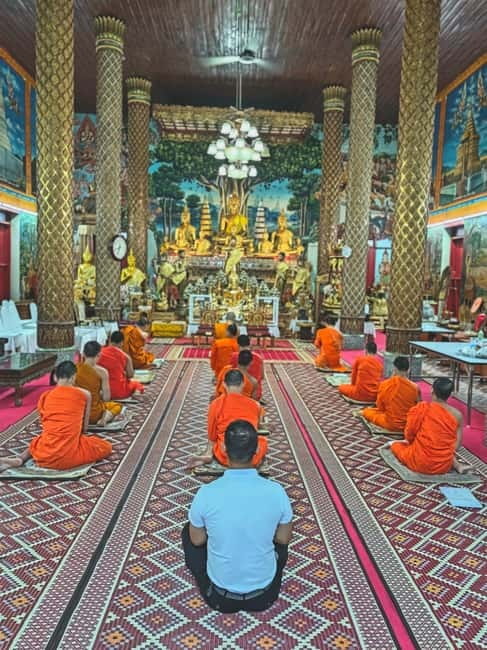
I would recommend it to you if you are curious about Buddhism, meditation, Thai culture, or the daily life of monks. It also suits people who want a reflective break from food tours, markets, and nightlife.
First-time meditators should feel comfortable because the session is guided and only 15 minutes long. People already familiar with meditation may appreciate the temple setting and chanting, even if the instructions themselves are introductory.
This is not the best match for children under 10, people with back problems, or wheelchair users. It also may disappoint you if you need every chant translated into English, want extensive photography, or prefer a tightly timed program with no quiet pauses.
The best attitude is simple: come ready to listen. Ask questions after the ceremony, not during it. Let the quiet do some of the work.
Final verdict: a thoughtful evening for the right visitor
You should book this experience if you want a respectful, personal look at Buddhist practice in Chiang Mai. The chanting, 15-minute meditation, Metta exercise, and open conversation create a fuller evening than a quick temple visit.
I would especially choose it for the chance to speak with a former monk such as Son. His experience, along with the time monks may spend answering questions, gives the program its strongest sense of purpose. Just confirm the meeting point, dress modestly, and understand that this is a quiet spiritual activity rather than a conventional tour.
For $20, it offers a meaningful connection to Chiang Mai’s religious life. If you can slow down for three hours, it is a worthwhile addition to your itinerary.
FAQ
Where does the evening chanting and meditation experience take place?
The experience is associated with Wat Chai Sri Phoom in Chiang Mai Province. The meeting instructions name Wat Lok Moli, while the itinerary also refers to A Chef’s Tour Chiang Mai Food Tours, so confirm the current meeting location before arrival.
How long does the experience last?
The stated duration is three hours. The chanting itself usually lasts about 40 to 50 minutes, followed by a 15-minute guided meditation and time for Buddhist teachings and questions.
What is included in the price?
The $20 price includes a guided meditation session, the chanting experience with monks, and insights into Buddhist philosophy and practices.
Is transportation included?
No. Transportation to and from Wat Chai Sri Phoom is not included. Meals, drinks, and personal expenses are also separate.
What languages are available?
The live tour guide service is available in English and Thai.
What should I bring?
Bring water and wear comfortable clothes. You should also dress modestly to respect the temple’s traditions.
Are there restrictions on photography and phone use?
Flash photography is not allowed, and smoking is prohibited. You should silence your mobile phone before the session begins.
Who cannot join this experience?
The activity is not suitable for children under 10, people with back problems, or wheelchair users.
Just added around Chiang Mai
- Chiang Mai: Chiang Rai White, Blue & Black Temples Day Tour★ 4.2 · 16 reviews
- Chiang Mai Adventure ATV Secret Waterfall and Bamboo Rafting★ 5.0 · 16 reviews
- Inthanon Small-Group with Kew Mae Pan Trail from Chiang Mai include Lunch★ 4.5 · 16 reviews
- 2-Day Best of Chiang Rai from Chiang Mai Private Package★ 4.5 · 16 reviews
- Doi Inthanon Discovery Tour: Waterfalls, Villages & Highest Peak★ 3.5 · 16 reviews
- Private-Tour Doi Suthep Temple and Khun Chang Kien Village Half-Day★ 4.5 · 16 reviews
- Chiang Mai Iconic Temples and City Tour★ 4.5 · 17 reviews
- Fantastic! Famous Doi Inthanon National park tour with 2hr trekking★ 4.5 · 17 reviews
Yoga & Wellness Retreats, compared.
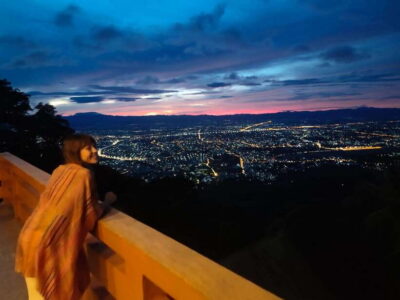
Spiritual Sunrise Wat Doi Suthep, Pha Lat, Alms & Meditation
Read our review →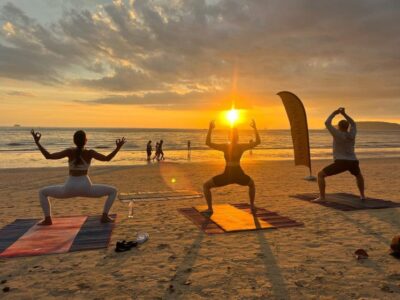
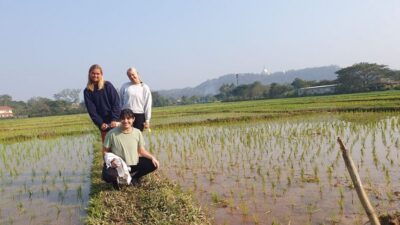
Half-Day Yoga, Meditation, and Thai Cultural Immersion in Chiang Mai
Read our review →
Reiki Session by Reiki Master Teacher in Thailand
Read our review →
Browse the lists this tour appears in