
Reviewed · YOGA & WELLNESS RETREATS
Meditation Retreat and Self-Care in Nature
Quiet can be a Chiang Mai highlight. This three-hour retreat takes you from guided walking and seated meditation into gentle yoga, then finishes with tea or coffee in a garden. I like the small groups of up to six and the way instructor Amori adapts the yoga to different abilities. The main consideration is that some yoga movements may feel demanding for complete beginners, older participants, or anyone with limited mobility.
I also like that this is more than a standard yoga class. You’ll practice mindful walking outdoors, hear clear explanations about meditation, and have time for thoughtful conversation about Buddhist ideas and daily awareness. The setting is peaceful and away from city noise, but you must arrange your own transport to Flow Yoga Chiang Mai, and one person found the English language barrier slightly distracting.
In This Review
- Key points to know before you go
- Leaving Chiang Mai’s noise behind
- What the three-hour schedule feels like
- Mindful walking among nature
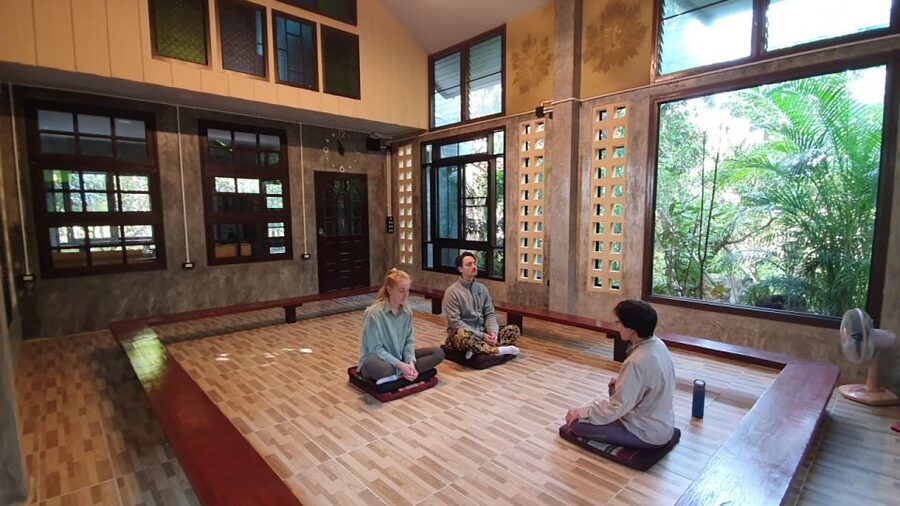
- Guided sitting meditation with real instruction
- Yoga and gentle stretches for mixed abilities
- Tea, coffee, fruit, and a taste of Thailand
- Why the small group matters
- Is $48 a fair price?
- Who will get the most from this retreat?
- Practical tips for a smoother visit
- Should you book it?
- FAQ
- Where does the meditation retreat take place?
- How long does the experience last?
- Is the session suitable for beginners?
- What activities are included?
- Is hotel pickup included?
- What language is the retreat conducted in?
Key points to know before you go
- Three hours with a clear rhythm: The session moves from mindful walking to seated meditation, gentle movement, and refreshments.
- Amori receives the strongest praise: Her calm, patient teaching style suits first-timers and people who want more depth.
- Small groups make a difference: With no more than six participants, the practice can be adjusted to your needs.
- Yoga is adaptable, but not always easy: Beginners are welcome, yet some positions may challenge you.
- Budget-friendly for a personal session: At $48 per person, the price is reasonable if you value direct guidance and a quiet setting.
- Plan your ride: The meeting point is Flow Yoga Chiang Mai, and hotel pickup and drop-off are not included.
Leaving Chiang Mai’s noise behind
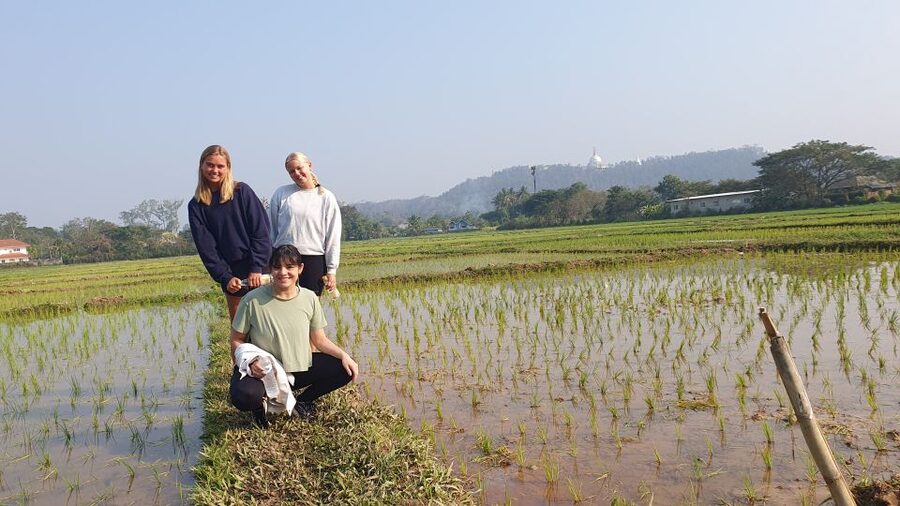
Chiang Mai is easy to enjoy at street level, with temples, cafés, markets, and motorbikes competing for your attention. This retreat gives you a reason to pause. It is held at Flow Yoga Chiang Mai, in a quieter natural setting that several people found clean, secluded, and free from noisy distractions.
That change of pace matters. You do not need a full week at a wellness resort to reset your day. Three hours is enough time to put your phone away, slow your breathing, and give your mind a job other than planning your next meal or temple visit.
You’ll need to get yourself to the meeting point. Hotel pickup and drop-off are not included, though Amori has helped some participants with transport advice and, in at least one case, arranged a taxi for the return to the old city. Grab is a practical option mentioned by people who attended, but you should allow enough time to reach Flow Yoga Chiang Mai without rushing into the first meditation exercise.
More Yoga & Wellness Retreats in Chiang Mai
- Spiritual Sunrise Wat Doi Suthep, Pha Lat, Alms & Meditation
★ 4.9 · 674 reviews - Chiang Mai: Evening Chanting & Meditation
★ 4.5 · 69 reviews - Half-Day Yoga, Meditation, and Thai Cultural Immersion in Chiang Mai
★ 5.0 · 40 reviews
What the three-hour schedule feels like
The experience has four simple parts: mindful walking, sitting meditation, yoga or gentle stretching, and tea or coffee in the garden. The order gives the session a sensible flow. You begin with movement, settle into stillness, wake up the body again, and finish with an easy social pause.
The exact balance may change depending on the group. One private session included about two hours of guided meditation before yoga, while other sessions appear to have given more time to movement. That flexibility is useful, but it also means you should not expect a rigid, minute-by-minute class plan.
The instructor adapts the practice to the people in front of her. A long-time yoga practitioner was given a more challenging routine, while beginners received explanations and modifications. If you are new to yoga, tell Amori early. If you have age-related limits, stiffness, or a concern about kneeling and floor positions, say so before the physical work begins.
Mindful walking among nature
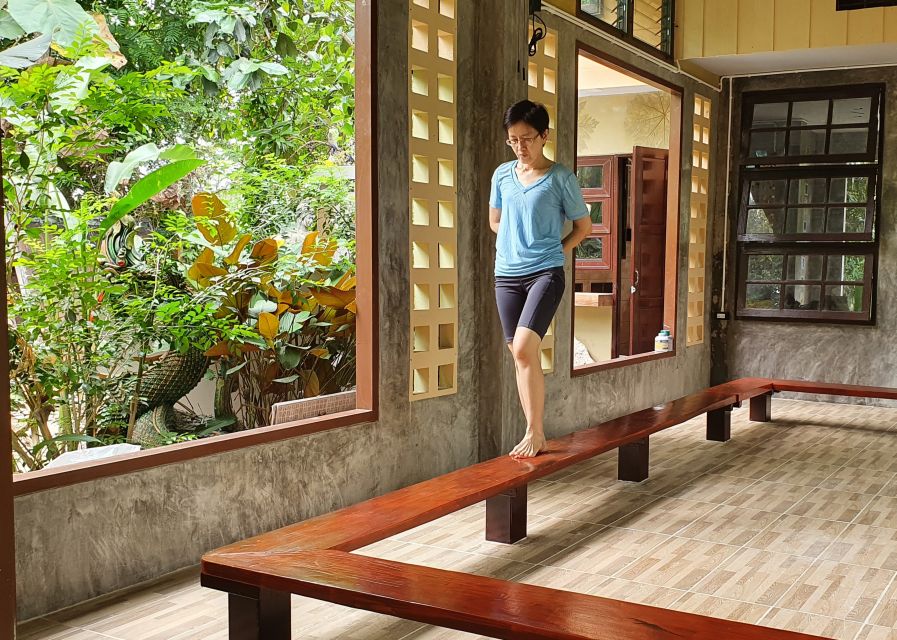
Mindful walking is a good entry point for people who find seated meditation intimidating. Instead of asking you to become perfectly still right away, the guide helps you notice the act of walking, your pace, and your attention.
The nature setting gives this exercise a practical focus. You have sights, sounds, and physical sensations around you, but the aim is not sightseeing. You are learning to notice what is happening without racing ahead mentally.
I like this part because it offers a skill you can use later in Chiang Mai. You might practice it on a quiet hotel path, in a garden, or during a morning walk. The lesson is not tied to a special cushion or retreat center.
The walking practice also helps beginners understand that meditation is not just sitting with crossed legs and trying to empty the mind. Amori explains the steps and offers guidance when attention wanders. That direct instruction is especially useful if your past attempts at meditation have ended with frustration.
Guided sitting meditation with real instruction
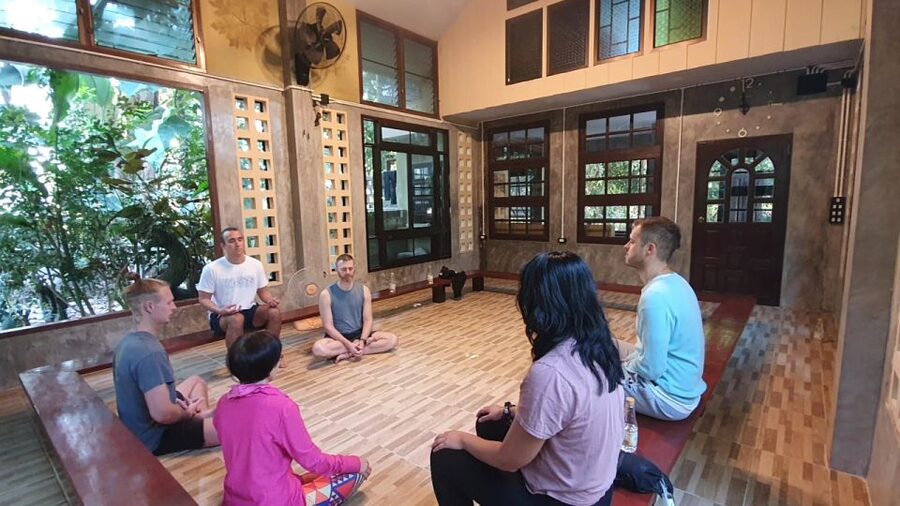
The seated meditation is the heart of the retreat. You’ll receive guidance rather than being left alone in silence, which makes this a better choice for a first formal meditation class than a silent retreat with little explanation.
Amori is repeatedly praised for being patient, calm, and clear. She takes time to understand your previous experience and helps you work with common problems, including distracting thoughts and difficult memories. The goal is not to force your mind into silence. It is to notice what appears and learn how to respond.
This is where the Thai cultural element becomes more meaningful. The session can include discussion of Buddhist philosophy and the purpose behind the practices. It is not simply a physical wellness class with a Thai backdrop. You are given some context for mindfulness and intention, then shown ways to carry those ideas into ordinary life.
Some people describe the meditation as intense or powerful. That does not mean it is physically strenuous, but the practice can bring up thoughts and feelings you normally keep moving past. If you want a light, purely recreational activity, this may feel more serious than expected.
On the other hand, if you have struggled to meditate alone, the teacher’s presence can be the main value. You have a person who can explain what is happening, answer questions, and adjust the approach when you get stuck.
More Yoga & Wellness Retreats:
- 3 day Yoga and Meditation Retreat in Chiang Mai
★ 5.0 · 19 reviews - Krabi: Sunset Yoga Balance Join-in Class
★ 4.7 · 57 reviews - Bangkok: All-Level Morning Yoga Flow in Lumphini Park
★ 4.9 · 42 reviews - Koh Tao: Yoga Class In Paradise – All Levels Welcome!
★ 4.8 · 30 reviews
Yoga and gentle stretches for mixed abilities
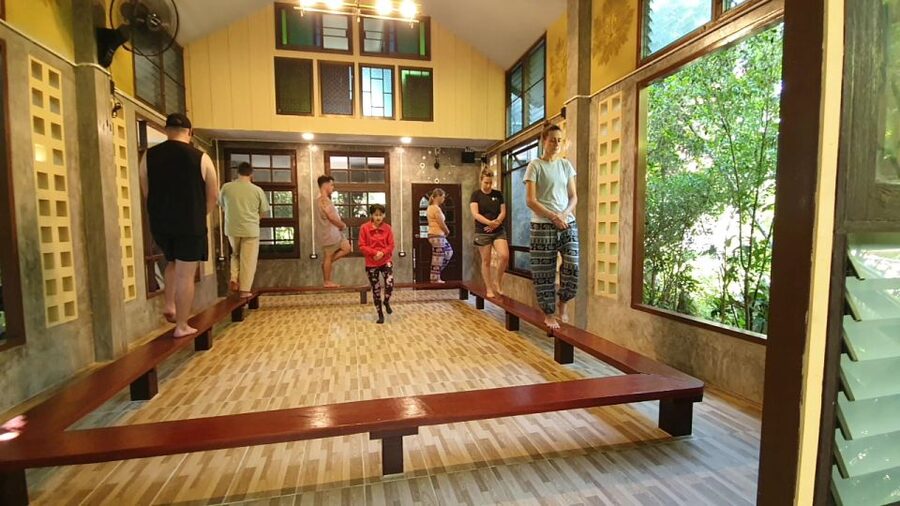
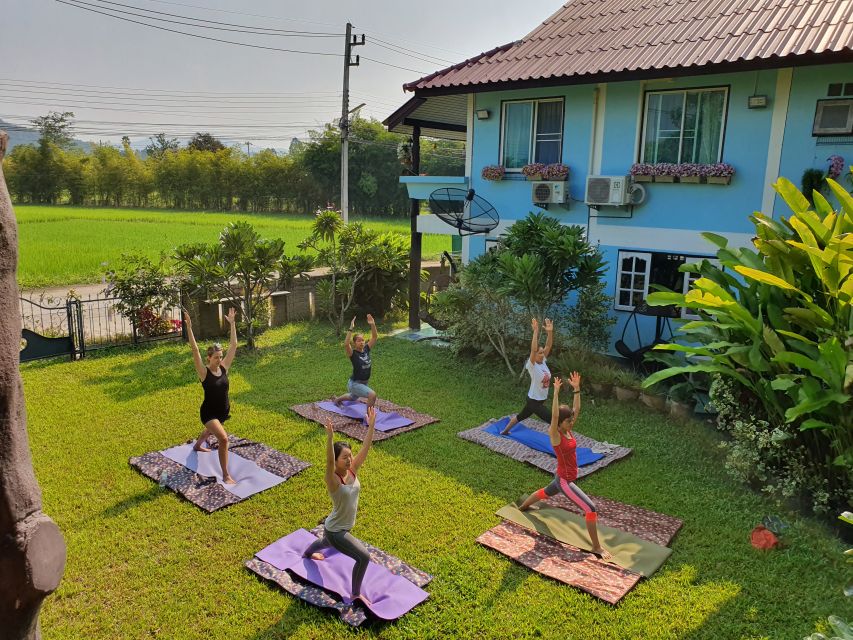
After meditation, the class shifts into yoga or gentle stretching. This change is welcome. Sitting for a long period can make the body feel stiff, and simple movement brings energy back without breaking the calm mood.
The yoga is adapted to the group, but you should not assume every pose will be effortless. One beginner found the practice beyond her comfort zone, while another beginner found the explanations helpful and left inspired to continue. A more experienced practitioner received a routine that was challenging but enjoyable.
That tells you what to expect: the class can meet different levels, but you still need to communicate. Amori has modified sessions for personal needs when the group was very small. If you are completely new, ask for the gentler version. Comfortable clothes are required, and athletic clothing makes sense if you expect a more active routine.
This is not presented as a medical therapy session. You should work within your limits and avoid pushing through pain. The teaching style sounds encouraging rather than competitive, but the class may include positions that feel unfamiliar to a stiff or older body. One older participant could not keep up with every movement, so honest communication is important.
Tea, coffee, fruit, and a taste of Thailand
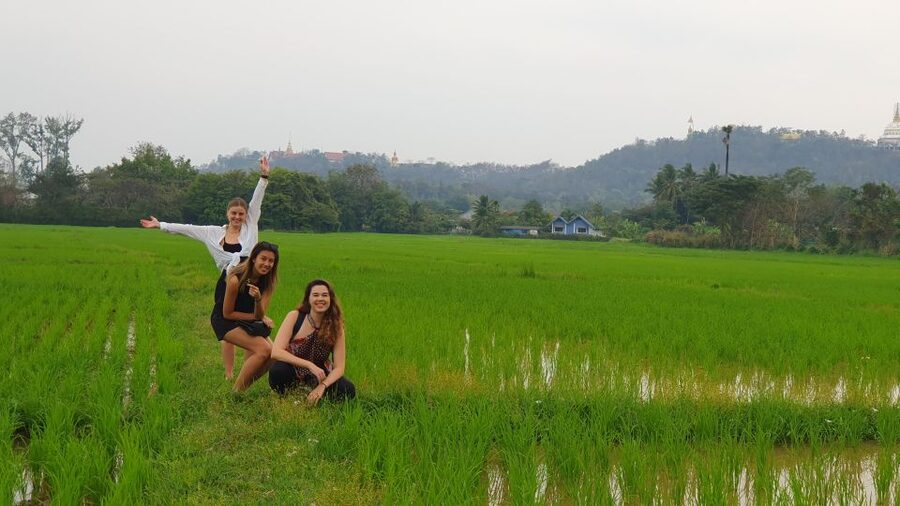
The session ends in a garden with tea or coffee. That final pause helps the retreat feel like a cultural experience rather than a class that ends as soon as the last stretch is complete.
Food is not formally listed as a main inclusion, but several sessions ended with Thai snacks, fresh fruit, sticky rice treats, or small refreshments. These thoughtful touches are not something you should book the activity around, since the exact offering may vary. Still, they add warmth and give you a chance to talk with Amori after the formal practice.
This is also a good moment to ask questions about meditation, yoga, or Thai customs. The experience offers a personal connection to Thai culture through hospitality, food, garden surroundings, and Buddhist ideas. It is not a temple tour or a detailed cultural lecture, so keep your expectations in the right place.
Why the small group matters
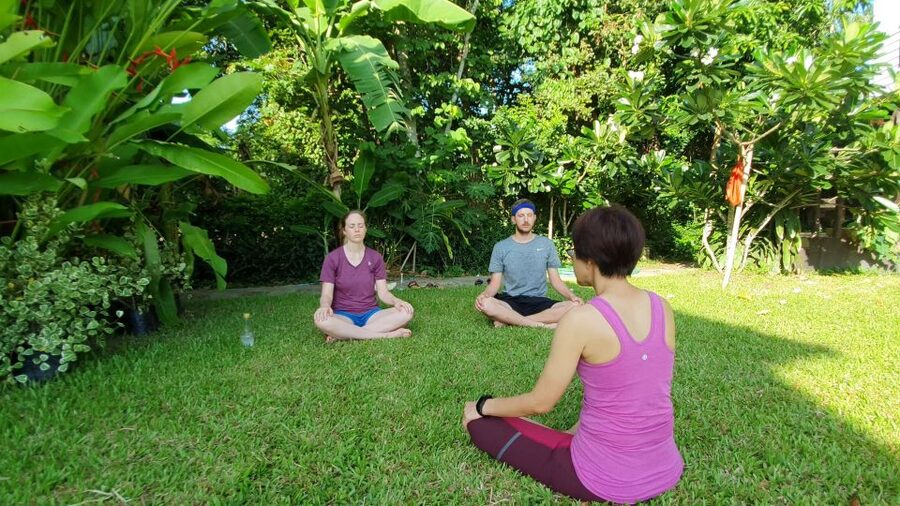
The maximum group size is six. That is small enough for the instructor to notice how you are doing, explain a position again, and adjust the session when needed.
The best experiences may be the ones with only one or two people booked. A solo participant received what felt like a private introduction, with extended meditation, detailed explanations, and a personal conversation. Another pair had yoga adjusted to their particular needs.
You cannot count on having the class alone, of course. But even with six people, the limit is far more manageable than a large studio class. If you want quiet attention and the chance to ask questions, this format is a strong point.
The English instruction is generally clear enough for meditation and yoga, and Amori’s patient manner helps. Still, one participant found the language barrier made it harder to relax fully. If English is not comfortable for you, simple questions and demonstrations may help, but the experience is conducted in English.
Is $48 a fair price?
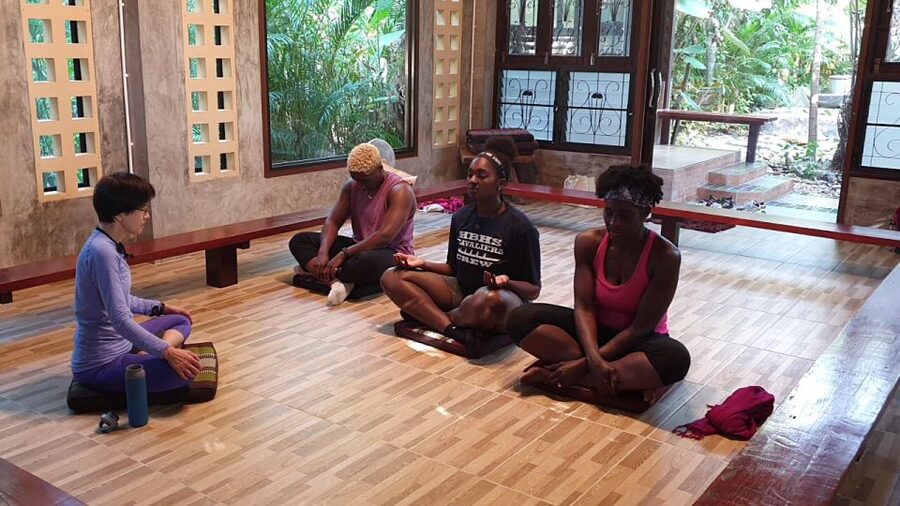
At $48 per person, this is not the cheapest yoga class in Chiang Mai. You are paying for a three-hour guided experience, a nature setting, meditation instruction, adaptable yoga, refreshments, and a group capped at six.
The price looks strongest if you are new to meditation and want personal help rather than a drop-in class. It also makes sense if you have a busy Chiang Mai itinerary and cannot spare a full day or several nights at a retreat.
The value is less clear if you already practice meditation confidently and only want a short stretch. You might find a regular studio class costs less. You are also responsible for getting to and from Flow Yoga Chiang Mai, so add transport to your budget.
I would treat the retreat as a focused introduction, not as a complete wellness holiday. The three hours may leave you wanting more, which is part of the design. The instructor encourages people to stay a few extra nights in the area for further rest, but this activity itself does not include accommodation or a multi-day program.
Who will get the most from this retreat?
I would recommend it most strongly to:
- First-time meditation students who want clear guidance
- Beginners curious about yoga but nervous about joining a regular class
- Experienced yoga practitioners who want a more reflective session
- People needing a quiet break from Chiang Mai’s busy center
- Solo visitors who value conversation and personal attention
- Couples or friends who want a calm shared activity
It may be less suitable if you want a fast-paced workout, a formal Buddhist retreat, or a full-day cultural tour. It may also be uncomfortable if you dislike sitting on the floor, have limited movement, or prefer instruction in a language other than English.
The activity is not presented as a strict religious program. You can approach it as meditation training, gentle exercise, cultural learning, or simply three hours of quiet. Your experience will depend partly on how open you are to slowing down.
Practical tips for a smoother visit
Wear comfortable clothes that allow you to stretch. Athletic clothing is sensible if you are unsure how active the yoga portion will be.
Arrive with enough time to settle in. A rushed arrival from the old city would work against the whole point of the session. Check transport before you leave and remember that pickup and drop-off are not included.
Tell Amori about your yoga and meditation background. Mention injuries, age-related limits, or any position you cannot do comfortably. The class can be adjusted, but the instructor needs that information.
Do not expect meditation to feel instantly peaceful. Your mind may wander, memories may surface, or sitting may feel awkward. The benefit comes from learning how to work with those moments, not from performing calmness for three hours.
You can cancel for a full refund up to 24 hours before the activity, and you can reserve now and pay later. Starting times vary, so check availability when choosing your date.
Should you book it?
Book this retreat if you want personal meditation guidance, a quiet natural setting, and an approachable introduction to yoga. Amori’s calm teaching, the small group limit, and the thoughtful Thai touches make the $48 price reasonable for the right kind of visitor.
I would be especially happy to recommend it to a first-timer who wants more than a quick photo stop in Chiang Mai. Just plan your own transport, wear easy-moving clothes, and speak up if the yoga feels too hard.
Skip it if you want a cheap drop-in workout or a packed cultural sightseeing tour. This experience rewards patience. Give it three unhurried hours, and you may leave with a meditation method you can actually use after Thailand.
FAQ
Where does the meditation retreat take place?
The meeting point is Flow Yoga Chiang Mai in Chiang Mai Province, Thailand.
How long does the experience last?
The retreat lasts three hours. Starting times vary, so you need to check availability for your chosen date.
Is the session suitable for beginners?
Yes. Beginners can join, and the yoga is adapted to the people attending. Some positions may still feel challenging, so tell the instructor about your experience and physical limits.
What activities are included?
The experience includes mindful walking, guided sitting meditation, yoga or gentle stretches, and tea or coffee in a garden.
Is hotel pickup included?
No. Hotel pickup and drop-off are not included. You need to arrange your own transport to and from Flow Yoga Chiang Mai.
What language is the retreat conducted in?
The instructor teaches in English. The group is limited to six participants.
Just added around Chiang Mai
- Chiang Mai: Chiang Rai White, Blue & Black Temples Day Tour★ 4.2 · 16 reviews
- Chiang Mai Adventure ATV Secret Waterfall and Bamboo Rafting★ 5.0 · 16 reviews
- Inthanon Small-Group with Kew Mae Pan Trail from Chiang Mai include Lunch★ 4.5 · 16 reviews
- 2-Day Best of Chiang Rai from Chiang Mai Private Package★ 4.5 · 16 reviews
- Doi Inthanon Discovery Tour: Waterfalls, Villages & Highest Peak★ 3.5 · 16 reviews
- Private-Tour Doi Suthep Temple and Khun Chang Kien Village Half-Day★ 4.5 · 16 reviews
- Chiang Mai Iconic Temples and City Tour★ 4.5 · 17 reviews
- Fantastic! Famous Doi Inthanon National park tour with 2hr trekking★ 4.5 · 17 reviews
Yoga & Wellness Retreats, compared.

Spiritual Sunrise Wat Doi Suthep, Pha Lat, Alms & Meditation
Read our review →
Half-Day Yoga, Meditation, and Thai Cultural Immersion in Chiang Mai
Read our review →

Reiki Session by Reiki Master Teacher in Thailand
Read our review →
Browse the lists this tour appears in