
Reviewed · GOLDEN TRIANGLE TOURS
Chiang Rai: 7 Major Sites, Golden Triangle & Tea Plantation
Art meets borderland history in northern Thailand. This full-day Chiang Rai trip packs the city’s famous White, Blue, and Black sites together with the Golden Triangle, Chui Fong Tea Plantation, the Opium Museum, and an optional Karen hilltribe village. It is a long day, but it gives you a broad look at Chiang Rai beyond its temples.
I especially like the small-group format, limited to 10 people, and the private English-speaking guide assigned to the group. I also like the useful mix of art, countryside, and history. The main drawback is time: seven major stops mean you may want longer at the White Temple, the day’s most memorable sight, than the schedule allows.
The tour also gets strong marks for transport. Guides such as Guitar, Ping, Meo, and Muew have been praised for clear explanations, good humor, and thoughtful help with food needs. Still, prepare for a full day on the road, and check carefully whether you choose the ticket-included or ticket-excluded option.
In This Review
- Key points to know before booking
- Why this Chiang Rai day trip works
- Morning pickup and the road north
- White Temple, Wat Rong Khun: Chiang Rai’s visual shock
- Blue Temple: bold color and modern Buddhist design
- The Black House: art museum, not temple
- Thai buffet lunch and dietary requests
- Golden Triangle: where three countries meet
- Opium Museum: useful context beyond a viewpoint
- Chui Fong Tea Plantation and the countryside
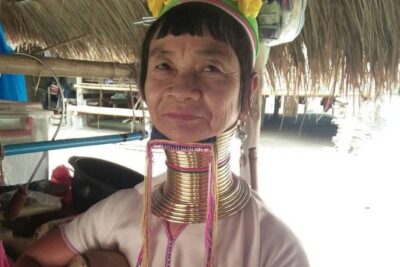
- Optional Karen hilltribe village visit
- Guides who make a packed route manageable
- What the $72 price really buys you
- Who should book this experience?
- FAQ
- What does the Chiang Rai tour include?
- Are entrance tickets included?
- What time is pickup?
- Is lunch suitable for vegetarians?
- Is the Karen hilltribe village included?
- Can I cancel the tour?
- Should you book this Chiang Rai tour?
Key points to know before booking
- Three very different Chiang Rai art sites: The White Temple is ornate and dreamlike, the Blue Temple uses bold color and Buddhist imagery, and the Black House is an unusual museum rather than a working temple.
- A long reach into northern Thailand: The Golden Triangle, tea plantation, and Opium Museum add substantial driving beyond central Chiang Rai.
- Two ticket choices: One option includes standard entrance tickets, while the other excludes all tickets. The White Temple ticket is listed at 200 baht per person.
- Optional Karen hilltribe village visit: This adds a cultural stop, but you should check the exact plan and any extra charges before departure.
- Comfortable small-group transport: An air-conditioned minibus, driver, drinking water, and pickup within 6 kilometers of central Chiang Rai are included.
- Good guide-led value: The strongest praise centers on guides who explain local culture, answer questions, remember names, and help with dietary requests.
Why this Chiang Rai day trip works
Chiang Rai is often treated as a quick side trip from Chiang Mai, but its character is different. The city is closely linked to contemporary Thai art, while the province reaches north toward the borders of Myanmar and Laos. This tour brings those two sides together.
In one day, you move from highly designed temple art to a border region shaped by trade and the opium economy. You also see tea-growing country and have the option of visiting a Karen village. That range gives the day more substance than a simple temple circuit.
The route is best for you if this is your first visit to Chiang Rai and you want an efficient overview. It is less suitable if you prefer lingering at one or two sites, taking slow photographs, or spending an entire afternoon in a museum.
The advertised price is $72 per group up to one person. Because group pricing can be presented in different ways, check the total cost for your party before paying. The value is strongest when you use the included transport, guide, lunch, water, and insurance, and when the ticket-included choice costs only modestly more than paying at each stop.
More Golden Triangle trips:
- Chiang Rai Guide: Popular 7places 3Colors ,Golden Triangle
★ 4.9 · 285 reviews - From Chiang Rai: Famous Temples and Golden Triangle Day Tour
★ 4.7 · 115 reviews - Chiang Rai: Northern Thailand Tour with Golden Triangle
★ 4.9 · 78 reviews
Morning pickup and the road north
Pickup takes place during a 30-minute window from 8:00 to 8:30 a.m. You need to provide your hotel name clearly. Chiang Rai’s streets can be difficult to identify by address, so this small step matters.
Pickup and drop-off are free within 6 kilometers of the city center. If you stay outside that area, contact the provider for a meeting point rather than assuming the minibus will come to your door.
You ride in an air-conditioned minibus with a driver and English-speaking guide. A small group of no more than 10 people is a practical middle ground. You get some personal attention without paying for a fully private vehicle, although the day can feel more structured than an independently planned visit.
The transport has earned particularly strong marks, with 92 percent of ratings giving it a perfect score. Specific praise has focused on smooth driving, a comfortable van, and a cool place to rest between stops. That matters here because the itinerary covers a wide area and includes several stretches between attractions.
White Temple, Wat Rong Khun: Chiang Rai’s visual shock
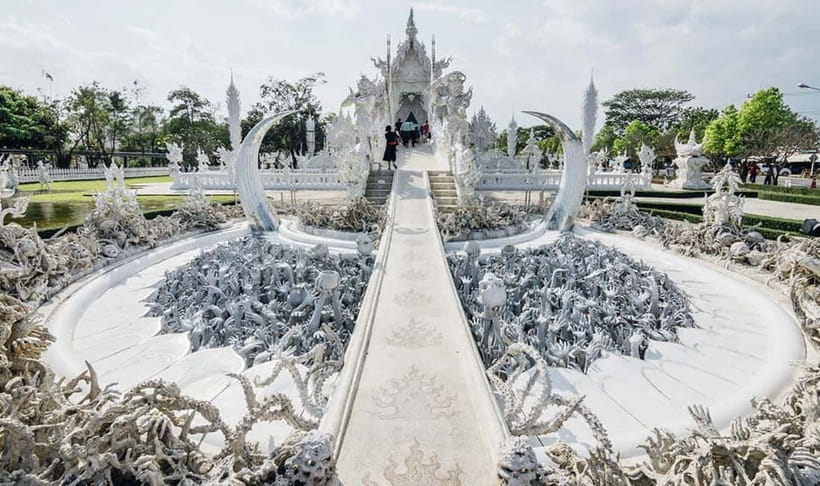
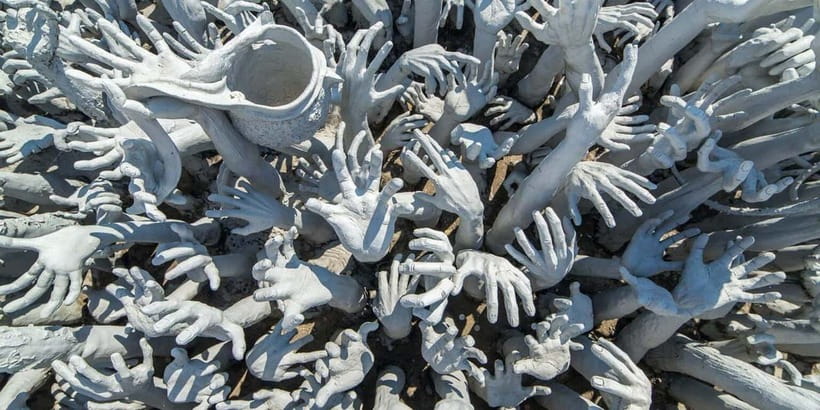
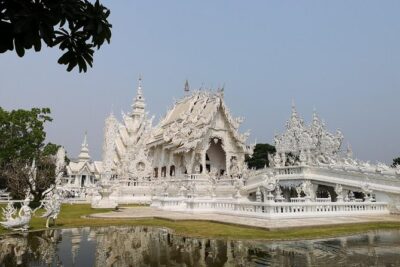
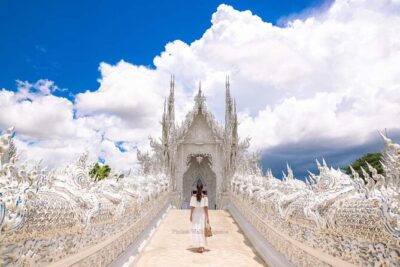
Wat Rong Khun, usually called the White Temple, is the first major art stop and often the highlight. It is not an ancient temple. It is a modern creation by Thai artist Chalermchai Kositpipat, built as a highly personal work of art with Buddhist themes.
The all-white design catches the eye immediately. Mirrored details add sparkle, while the surrounding sculptures turn religious ideas into something strange, playful, and sometimes unsettling. The site asks you to look closely rather than simply walk in, take one photograph, and leave.
Your guide can help explain the symbolism, which is one reason this tour is more useful than arriving without context. The temple makes more sense when you understand that it combines religious ideas with the imagination of a contemporary artist.
Allow yourself enough time here. One guide-led group enjoyed the overall schedule but would have preferred more time at the White Temple. That is a fair warning for anyone who likes photography or wants to examine the details.
The ticket information needs attention. The White Temple ticket is listed at 200 baht per person, and the tour offers one option with standard tickets included and another without tickets. Check the exact option on your booking confirmation so you are not surprised by entrance costs.
Blue Temple: bold color and modern Buddhist design
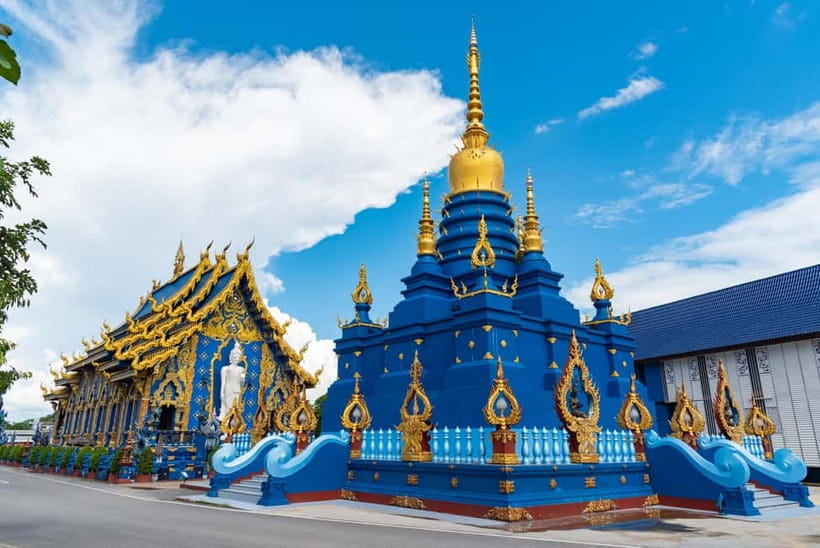
The Blue Temple, or Wat Rong Suea Ten, provides a sharp change from the White Temple. Its deep blue surfaces, gold details, and large Buddhist images create a more dramatic setting. It is a working religious site, but it also reflects Chiang Rai’s modern artistic style.
The contrast between the two temples is part of the appeal. The White Temple feels bright, symbolic, and almost otherworldly. The Blue Temple feels darker and more theatrical, with color doing much of the visual work.
This is a good place to listen to the guide rather than rushing through. The tour is designed to connect modern art with Buddhist tradition, and that explanation helps you see why these sites are important to Chiang Rai’s identity.
Dress and behavior should remain respectful at both temples. The supplied information does not set out a detailed dress code, but these are religious places, not only photo stops. Bring a hat and sunscreen, especially since parts of the day are outdoors.
Something different for another day:
- Chiang Rai: Guided Highlights Guided Tour with Buffet Lunch
★ 4.9 · 1,532 reviews - Chiang Rai: Iconic Temples & 7 Major Sites—River View Buffet
★ 4.9 · 692 reviews - Chiang Rai: White, Blue, Red Temples, Long Neck Tour
★ 4.8 · 652 reviews - Sightseeing Join Tour Chiang Rai / PICK UP ONLY IN CHIANG RAI
★ 4.5 · 398 reviews
The Black House: art museum, not temple
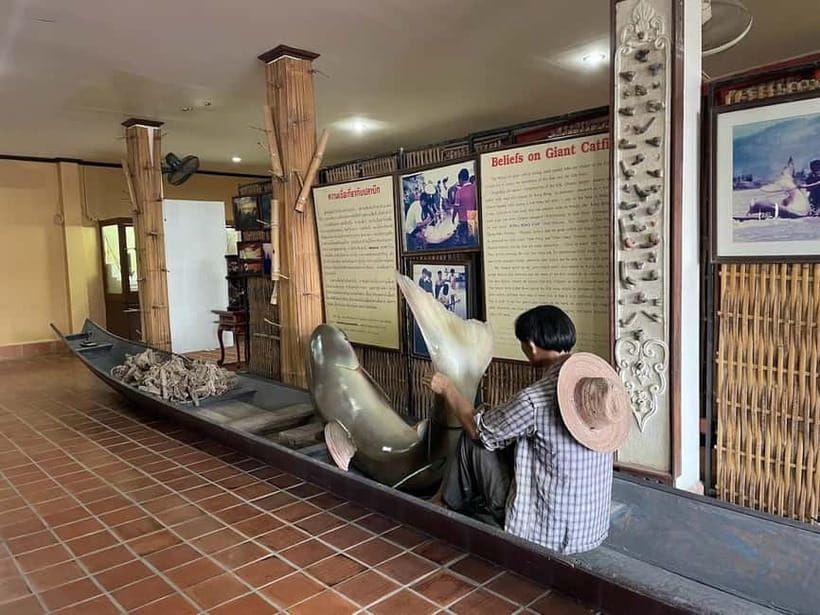
The Black House is commonly known as Baan Dam. Despite the nickname, it is not a temple. It is a museum and art complex associated with the late Thai artist Thawan Duchanee.
The mood changes again. Dark buildings, unusual objects, and bold artistic choices make this a stop for people who enjoy art, symbolism, and stories that do not come with easy explanations. It may not appeal to everyone, and that is worth saying plainly.
If your taste runs toward traditional Buddhist architecture, you may find the Black House more difficult to read than the White or Blue temples. If you enjoy unusual museums, it can be one of the most rewarding stops because it does not look or feel like a standard attraction.
The guide’s role is useful here. Several guides have been praised for adding legends, background, and fun facts rather than simply pointing out buildings. That kind of explanation can turn an odd collection into a more understandable expression of Thai art.
Thai buffet lunch and dietary requests
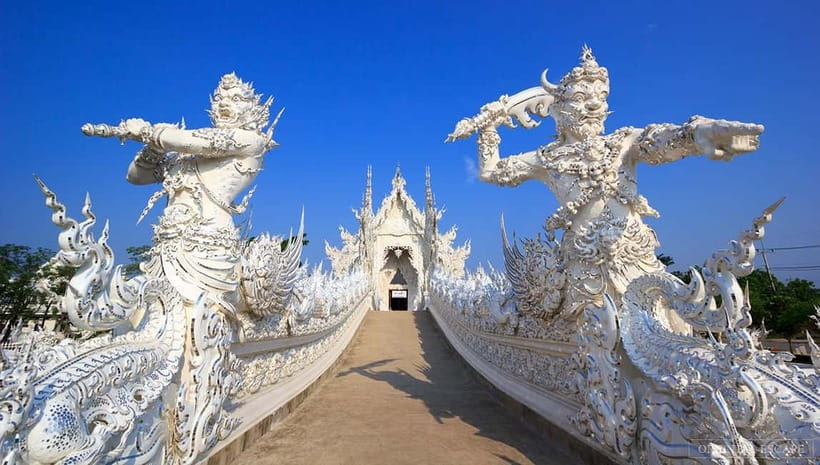
Lunch is a Thai buffet, a sensible choice for a mixed group. It gives you more flexibility than a fixed plate, and one recent guest specifically praised the vegetarian options.
Tell your guide about allergies or dietary restrictions in advance. Vegetarian food can be provided on request. One guide also took special care with a guest who had limited food choices, so it is worth speaking up early rather than hoping the buffet will suit you.
Drinking water is included. The lunch stop also gives you a proper pause in a busy day, although the exact restaurant and length of the meal are not specified. Bring extra water if you need more than the supplied bottle.
Golden Triangle: where three countries meet
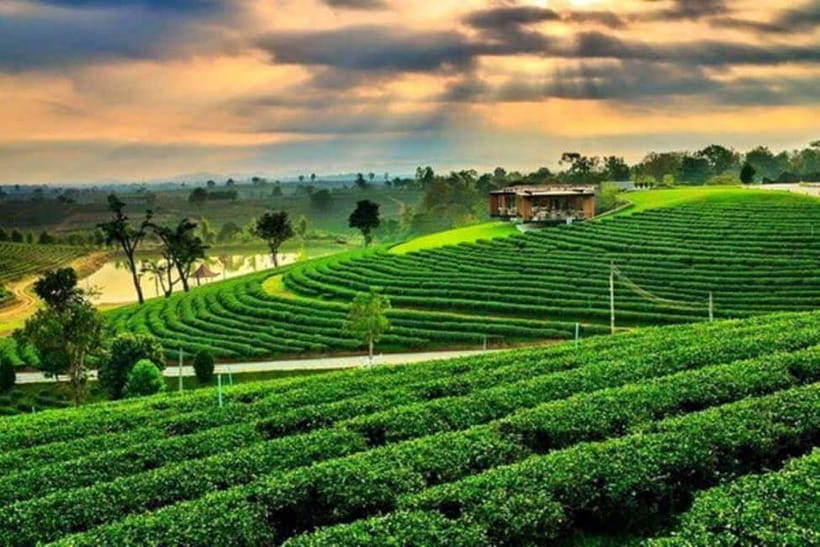
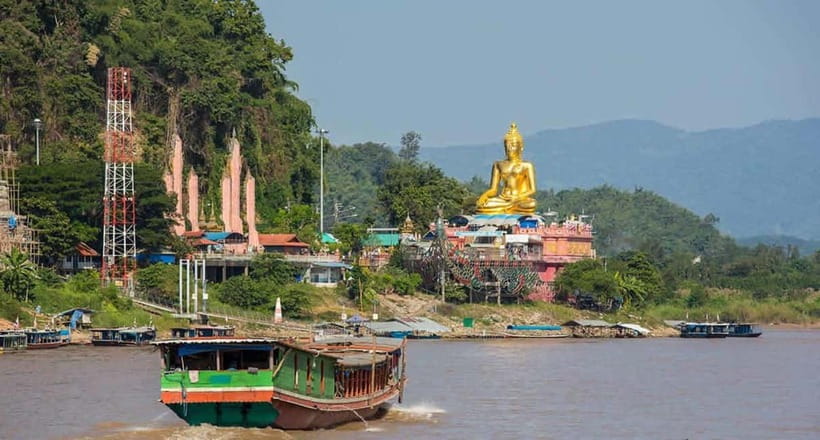
The journey to the Golden Triangle takes you away from the city and toward Thailand’s northern border. The name refers to the meeting area of Thailand, Laos, and Myanmar around the Mekong and Ruak rivers.
This stop adds geographic and political context to the temple-heavy morning. You are not only looking at a scenic point. You are seeing a border region shaped by movement, commerce, and a long association with opium production and trade.
The day’s wide route is both its strength and its cost. You get to see a major northern Thai region without arranging a separate trip, but you spend considerable time in the minibus. Smooth driving and air conditioning matter here, especially in hot weather.
Your guide can help connect the Golden Triangle to the later Opium Museum visit. Without that explanation, the viewpoint can feel brief. With it, the area becomes part of a larger story about geography, economics, drugs, and changing government policy.
Opium Museum: useful context beyond a viewpoint
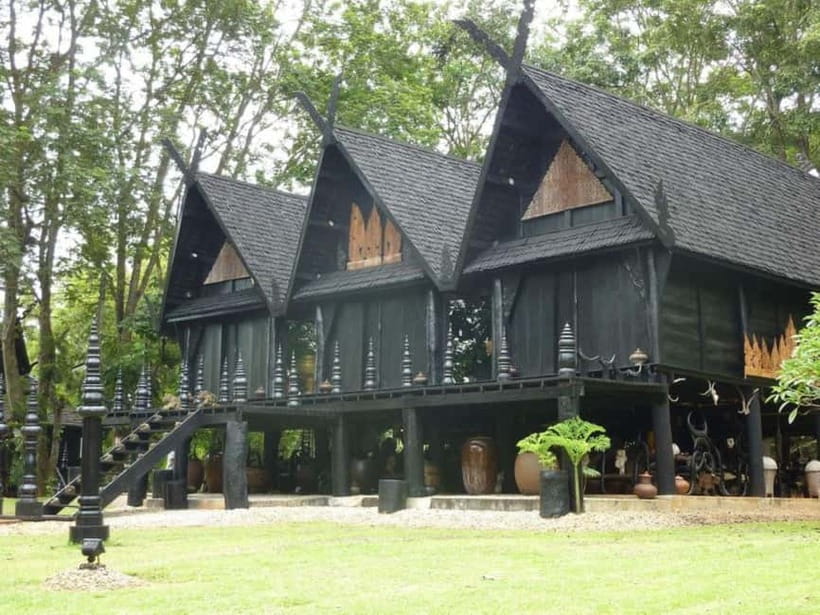
The Opium Museum gives the Golden Triangle stop more depth. Rather than treating the border as a scenic photo opportunity, the museum explains the opium trade and its effect on the region.
This is especially valuable if you want a better understanding of why the Golden Triangle became internationally known. The museum helps place the area in a historical setting, though the experience may feel serious after the lighter visual energy of the temples.
The tour does not promise a long museum session, so you should use your time well. Listen to the guide’s introduction, read the displays that interest you, and ask questions while the subject is fresh.
For me, this pairing is one of the itinerary’s best design choices. The Golden Triangle gives you the setting. The museum supplies the background.
Chui Fong Tea Plantation and the countryside
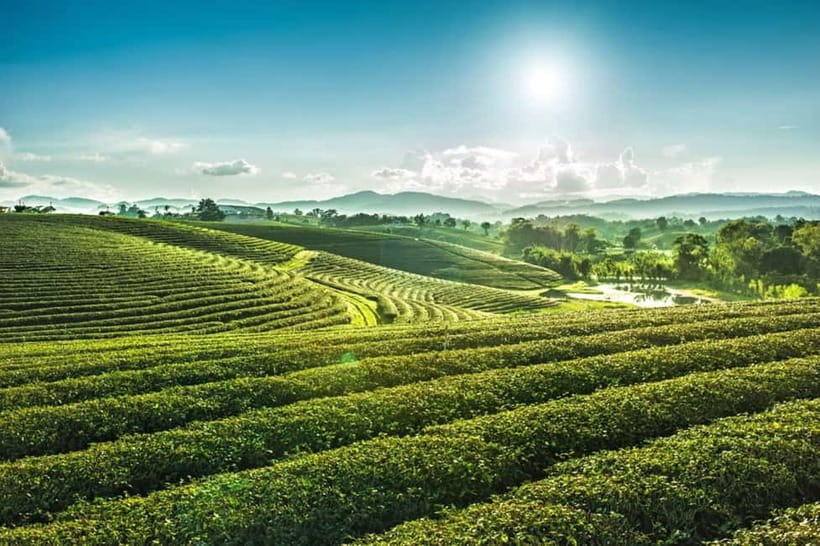
Chui Fong Tea Plantation adds a slower, more scenic section to the day. After temples, roads, and border history, tea fields offer a change of pace and a chance to see one of northern Thailand’s agricultural settings.
The supplied details do not specify a tea-tasting program, so do not book this expecting a full plantation workshop unless the provider confirms it. Think of it as a countryside stop connected to tea production, with time to look around and take photographs.
The plantation also gives the itinerary visual variety. Chiang Rai is not only ornate buildings. The province includes open rural areas and productive farmland, and this stop lets you see that side without giving up the convenience of a guided route.
Bring sunscreen and a hat. The advice is simple but useful, since the plantation and other outdoor sites may expose you to strong midday sun.
Optional Karen hilltribe village visit
The Karen hilltribe village is listed as an option, so confirm how it fits into your selected tour before booking. The available information does not clearly state whether the visit has an extra fee, how long it lasts, or whether every departure includes it.
That uncertainty is not a reason to reject the tour, but it is a reason to ask a direct question. You should know if the village visit replaces another stop or is added to an already full day.
Approach this visit with respect. A village should not be treated only as a backdrop for photographs. Use the guide’s explanations to learn about the community, and ask what kind of interaction is appropriate.
For people interested in northern Thailand’s ethnic communities, the option can add an important human element. For people already worried about a packed schedule, skipping it may leave more breathing room elsewhere.
Guides who make a packed route manageable
The guide can make or break a day like this. The most praised guides have been Guitar, Ping, Meo, Muew, and Yok, though the guide assigned to your departure can differ.
Guitar has been singled out for strong English, humor, site knowledge, and remembering everyone’s names. Ping has been praised for answering questions about Thailand and other countries, recommending food and massage, and taking care with a guest’s meal. Meo was described as kind, helpful, entertaining, and clear in English.
Those details matter because the itinerary includes places that benefit from interpretation. You can see the White Temple without a guide, but you may miss the ideas behind it. You can look at the Black House without help, but the collection may seem random.
The best guides also help with the ordinary parts of the day. They keep people together, explain what is coming next, and make a long drive feel less like dead time. The tour’s high overall rating of 4.9 from 141 ratings reflects that the human service is a major part of the value.
What the $72 price really buys you
At $72 per group up to one, the price should be judged against what is included, not only the number of stops. You receive pickup and drop-off within the central area, air-conditioned transport, a driver, a private English-speaking guide, Thai buffet lunch, drinking water, travel accident insurance, and tickets if you select the included-ticket option.
That is a useful bundle for a route covering central Chiang Rai, the Golden Triangle, and the tea plantation. Booking separate taxis, arranging a border-area visit, and hiring a guide could cost more, while also requiring more planning.
The ticket choice is the main comparison point. Option 1 includes standard tickets. Option 2 excludes all tickets. Since the White Temple alone is listed at 200 baht per person, calculate the entrance total for your planned stops before deciding.
Souvenirs, personal purchases, tips, and excluded tickets are not covered. Tipping is not compulsory according to the supplied terms, but you may choose to thank a guide or driver for especially good service.
Who should book this experience?
I would choose this tour if you have one day in Chiang Rai and want the major sights handled efficiently. It suits first-time visitors, small groups, solo bookers who value organized transport, and anyone who wants both art and northern border history.
It is also a good match for you if you appreciate commentary. The guides have been praised for stories, cultural explanations, food advice, and friendly interaction rather than just basic directions.
I would hesitate if you use a wheelchair, are over 70, or need a slow, low-effort schedule. The tour is specifically marked as unsuitable for wheelchair users and people over 70, and the long day may be tiring even for fit participants.
You should also think twice if your main goal is a relaxed temple visit. The route covers seven major sites, and the White Temple may leave you wishing for extra time.
Cancellation is free up to 24 hours before departure, and you can reserve now and pay later. That flexibility is useful while arranging a Chiang Rai stay, but it does not remove the need to confirm pickup details and ticket selection.
FAQ
What does the Chiang Rai tour include?
It includes pickup and drop-off within 6 kilometers of Chiang Rai city center, air-conditioned minibus transport, a driver, a private English-speaking guide, Thai buffet lunch, drinking water, travel accident insurance, and standard tickets if you select the ticket-included option.
Are entrance tickets included?
There are two options. One includes all standard tickets, while the other excludes all tickets. The White Temple ticket is listed as 200 baht per person, so check your selected option before booking.
What time is pickup?
Pickup takes place during a 30-minute period from 8:00 to 8:30 a.m. You need to provide your hotel name. If you stay outside Chiang Rai city, contact the provider for a meeting point.
Is lunch suitable for vegetarians?
Vegetarian food can be provided on request. You should tell the guide about dietary restrictions or allergies in advance.
Is the Karen hilltribe village included?
The Karen hilltribe village is listed as an option. Confirm the exact arrangement, including how it fits into the day and whether any additional charge applies.
Can I cancel the tour?
You can cancel up to 24 hours in advance for a full refund. The tour also offers reserve-now, pay-later booking.
Should you book this Chiang Rai tour?
Book it if you want a well-organized one-day introduction to Chiang Rai, especially if the White Temple, Blue Temple, Black House, Golden Triangle, tea plantation, and Opium Museum all appeal to you. The strongest reasons are the broad itinerary, comfortable transport, small group, lunch, and guides who add real explanation to the stops.
Skip it if you prefer to set your own pace or want a quiet day focused on one temple. Before paying, confirm the pickup location, ticket option, and Karen village details. If those pieces suit your plans, this is a good-value way to see Chiang Rai’s art, countryside, and border history in one demanding but rewarding day.
Just added around Chiang Rai
- Private Chiang Rai Day Trip with Golden Triangle from Chiang Mai★ 5.0 · 16 reviews
- Chiang Rai:Guided Highlights Full-Day Tour-FREE LUNCH BUFFET★ 5.0 · 17 reviews
- From Chiang Mai : 3 Temples & Golden Triangle with Lunch★ 4.5 · 17 reviews
- Explore the Chiang Rai and the Golden Triangle★ 4.6 · 18 reviews
- 1 Day trekking : Chiang Rai popular activity,Fun in Nature.★ 4.8 · 18 reviews
- One Day Group Tour Experience in Chiangrai★ 5.0 · 22 reviews
- Chiang Mai to Chiang Rai: 3 Temples & Hot Springs & Pickup★ 4.0 · 22 reviews
- Chiang Rai: Discover 7 Must-See Spots & Lunch Included★ 4.7 · 26 reviews
Golden Triangle Tours, compared.
Chiang Rai Day Trip from Chiang Mai City with Golden Triangle
Read our review →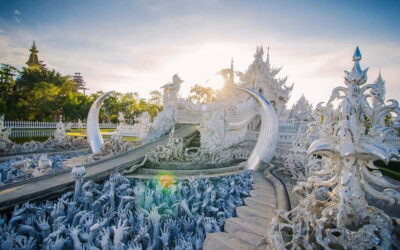
Chiang Rai Temples, Golden Triangle & Boat Tour
Read our review →
Chiang Rai Guide: Popular 7places 3Colors ,Golden Triangle
Read our review →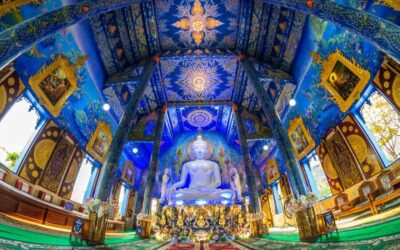
Chiang Rai:White-Black-Blue Temple-Golden Triangle-Keren-Boat Trip
Read our review →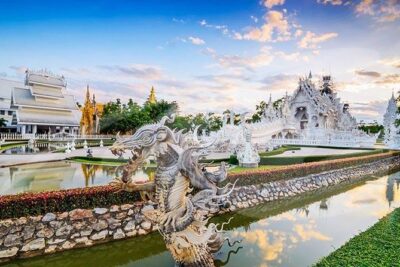
Chiang Rai and Golden Triangle Day Tour from Chiang Mai
Read our review →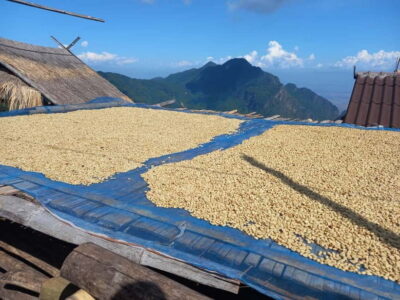
Chiang Rai Private Tour With Golden Triangle Option
Read our review →Browse the lists this tour appears in