
Reviewed · ELEPHANT TOURS
From Chiang Mai: Elephant Care Program and Nursery Tour
The mud bath is only the beginning. This half-day visit to Elephant Retirement Park Chiang Mai gives you close contact with rescued elephants without forcing them into tricks or rides. I like the hands-on care, especially preparing food and feeding the animals, and I like that the program lets the elephants choose whether to join an activity. The main drawback is simple: you will get wet and muddy, and anyone who forgets spare clothes may miss the best part.
The tour costs about $53 per person and lasts five to six hours, including transport from central Chiang Mai. Guides such as Francesco, Tin, Disney, Tim, K’Neung, and K’Ann have been praised for explaining elephant behavior clearly and helping with photos. The ride to Mae Tang takes about an hour each way, so this is a substantial half-day rather than a quick animal encounter.
The program has a strong reputation, with a 4.8 rating from 1,899 reviews. Still, conditions can vary by day. The group may feel intimate, but one report describes 20 to 25 people at the park. You should book this for close animal contact and practical care, not for a quiet wildlife observation from a distance.
In This Review
- Key points at a glance
- The one-hour ride from Chiang Mai to Mae Tang
- Changing into local clothes before meeting the elephants
- Learning elephant behavior before feeding time
- Preparing food, medicine balls, and banana treats
- Walking with six elephants through the grounds
- The mud spa and sand spa
- Bathing the elephants and getting properly soaked
- Thai buffet lunch after the animal activities
- Photos, souvenirs, and the real cost of the day
- Who will enjoy this Chiang Mai elephant tour?
- Practical packing advice for a smoother visit
- Should you book the Elephant Care Program?
- FAQ
- How long does the Elephant Care Program take?
- Is hotel pickup included?
- What language is the tour conducted in?
- Can I bathe the elephants?
- What should I bring?
- Is lunch included?
- Are the photos included in the tour price?
Key points at a glance
- Follow the elephants, not the other way around: The animals are not forced to join the mud, bathing, or photo activities.
- Prepare medicine balls and healthy treats: You help make food before feeding the elephants, which adds a useful care lesson to the usual banana-feeding routine.
- Meet a baby elephant: The nursery area may include a very young elephant, with reports of a six-month-old baby joining the group.
- Expect a full mud-and-water session: You can take part in the mud spa, sand spa, and bathing, then shower before lunch.
- Thai food is included: A vegetarian buffet, drinking water, coffee, and tea are part of the price.
- Bring a complete change of clothes: Swimwear, flip-flops, insect repellent, and a bag for wet clothing will make the day much easier.
The one-hour ride from Chiang Mai to Mae Tang
Your day begins with pickup from your Chiang Mai accommodation, provided it is within five kilometers of the Old Town. The exact pickup time is confirmed again after booking, and the operator asks you to contact staff if your hotel falls outside the normal service area.
Mae Tang is about an hour from central Chiang Mai. That journey takes time, but it also moves you away from the city and into a more rural setting. The ride is included in the price, so you do not have to arrange a separate taxi or negotiate transport at the end of an animal-focused day.
Transport quality may not be identical every time. One review praised punctual pickup and a comfortable van, while another found the driving less reassuring and noted missing seatbelts. I would treat the ride as practical included transport rather than a luxury transfer. If seatbelts matter to you, check the vehicle when pickup arrives and speak up.
The total outing runs five to six hours, with roughly two hours spent on the road. That makes the schedule reasonable for a morning or afternoon plan, but it is not ideal if you want to combine it with several other Chiang Mai sights on the same day.
More Elephant Tours in Chiang Mai
- Chiang Mai: Elephant Sanctuary, Waterfall & Bamboo Rafting
★ 4.9 · 9,160 reviews - Chiang Mai: Elephant Sanctuary & Waterfall Group Tour
★ 4.9 · 5,780 reviews - Chiang Mai: Elephant Sanctuary Feeding Program Half-Day Tour
★ 4.8 · 4,527 reviews
Changing into local clothes before meeting the elephants
At the park, you change into local-style clothing supplied or arranged for the activities. The clothing is loose and practical, but it should not replace swimwear underneath. You will be close to mud, water, elephant trunks, and enthusiastic splashing.
The changing area and shower facilities have received positive comments for cleanliness. Towels and soap may be available, but the safest plan is to bring your own essentials and a plastic or waterproof bag for wet clothing. Flip-flops are more useful here than your best walking shoes.
This preparation matters because the activities are genuinely hands-on. You are not simply watching a keeper feed an elephant. You may be making medicine balls, handling food, standing near the animals, and joining the mud and bathing sessions.
Learning elephant behavior before feeding time
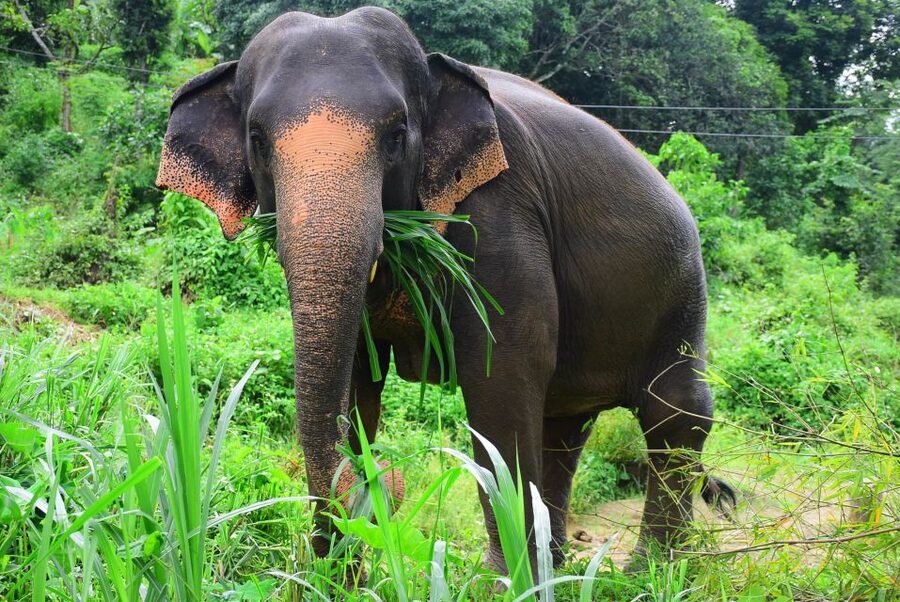
The guide begins with information about Asian elephants, their behavior, and the basics of proper care. This introduction gives the activities some purpose. You learn why food preparation matters and how to behave around a large animal that may be curious, playful, or ready to wander off.
The quality of the guide can shape the day. Francesco has been praised for his enthusiasm and his detailed explanations of individual elephants. Tin, Disney, Tim, K’Neung, and K’Ann have also been singled out for being helpful, warm, and attentive. One experience with Maria was described as less structured, so the guiding style may vary.
The best feature of the program is that the animals set the pace. The stated policy is that elephants are not forced to do anything they do not want to do. If an elephant walks away, you follow only if the staff directs you to, or you simply let the animal have space.
That approach is important. It changes the encounter from a performance into a care visit. You may not get every photo or every planned interaction, but the uncertainty is part of respecting the animal.
Preparing food, medicine balls, and banana treats
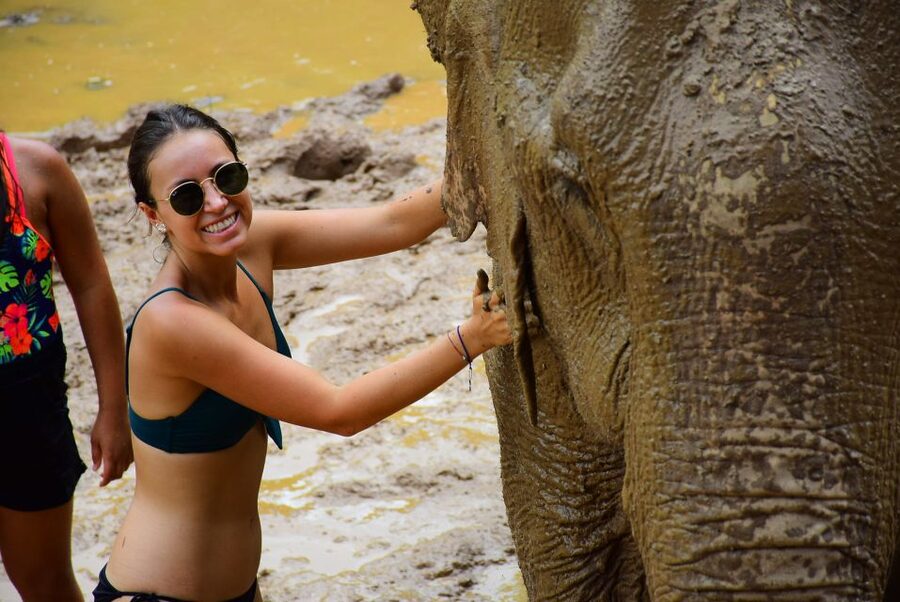
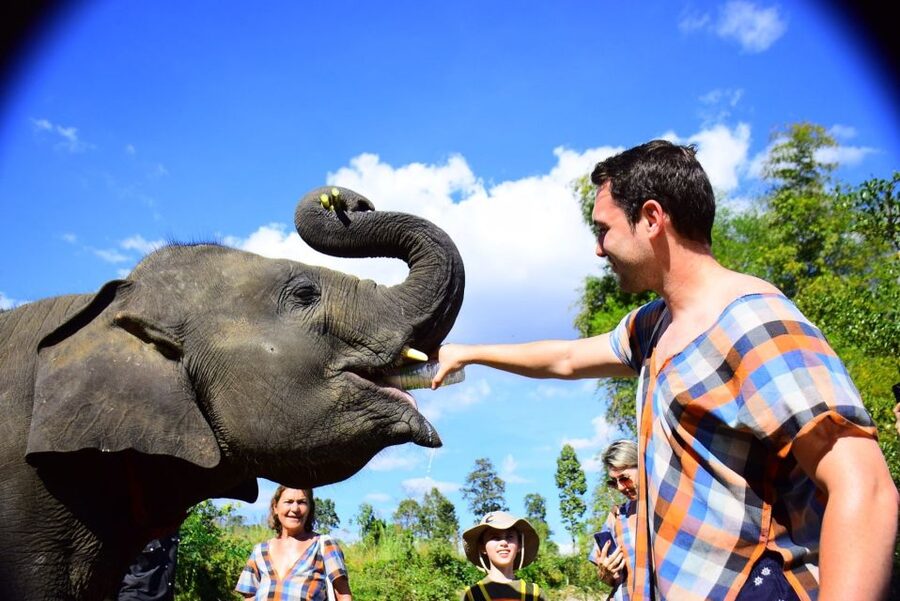
Food preparation is one of the most useful parts of the program. You help prepare food and healthy treats, including medicine balls, before offering them to the elephants. This gives you a clearer idea of the daily care work behind a rescue park.
Feeding elephants is exciting, but it requires attention. Their trunks move quickly, and their size can make even a gentle animal feel overwhelming. Your guide and the carers explain how to offer food safely, so listen rather than rushing to get the perfect picture.
Bananas are specifically mentioned in several descriptions of the day. You may feed them more than once, before and after other activities. The repetition is helpful because it lets you see differences in personality. Some elephants are more eager, some more relaxed, and some may decide they would rather do something else.
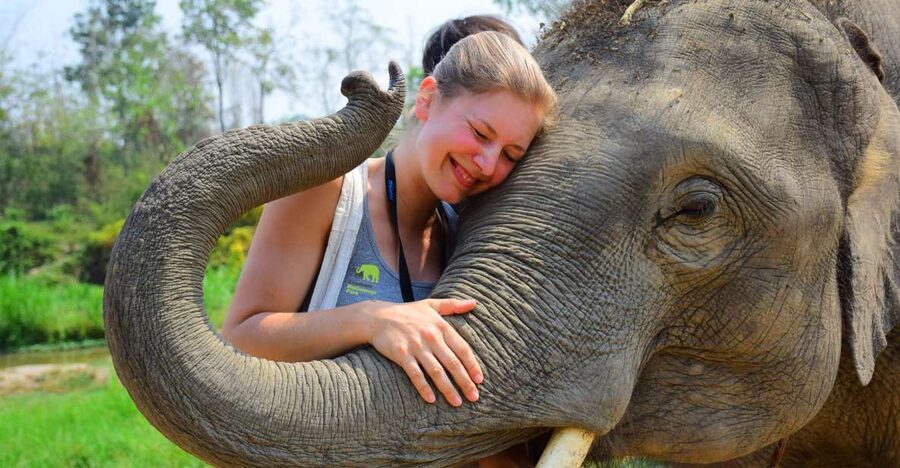
The close contact is the main reason to choose this program. It is far more physical than an observation-only sanctuary visit. If you prefer to keep a large distance from animals, this may feel too intense.
Something different for another day:
- Half-Day Thai Cooking Class at Organic Farm in Chiang Mai
★ 5.0 · 19,087 reviews - Chiang Mai: Doi Inthanon National Park Eco-Friendly Tour
★ 4.6 · 6,667 reviews - Chiang Mai: Chiang Rai Temples, Karen Tribe and Hot Springs
★ 4.7 · 5,401 reviews - Chiang Mai: Cooking Class, Market & Thai Herbs Garden Tour
★ 4.9 · 4,824 reviews
Walking with six elephants through the grounds
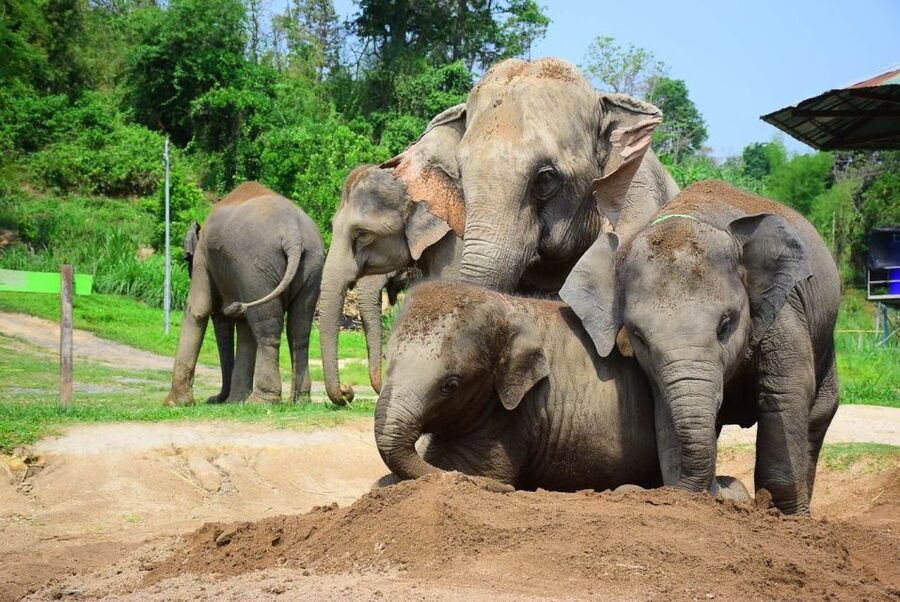
After feeding, you walk with the elephants through the park and its natural surroundings. The walk may include a jungle section, although the exact route is not specified and can depend on the animals and the conditions.
The key point is that you follow the elephants. They are not led through a fixed performance route to complete a show for the group. This creates a more natural rhythm, with pauses for feeding, watching, and moving between care areas.
The park has been described as having a good ratio of people to elephants, though group size can vary. On a quieter booking, you might find yourself in a small group with more room around the animals. At busier times, the experience can feel more crowded, especially during feeding or bathing.
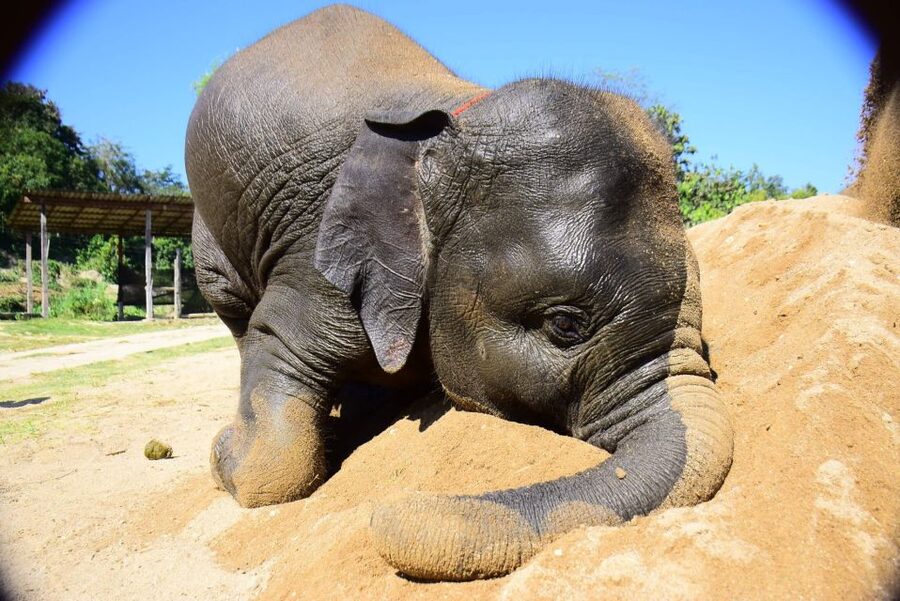
You will likely spend time with around six elephants of different ages, including a baby elephant. The younger animal is a big draw for families and anyone interested in observing elephant behavior at different stages of life. Keep in mind that a baby is still an animal, not a prop for unlimited cuddles or photos.
The mud spa and sand spa
The mud session is the day’s messiest and most memorable activity. You and the elephants walk to a mud and sand spa, where you may help apply mud or watch the elephants play in it.
Mud helps create a natural barrier against heat and insects, and the activity also gives the elephants a chance to roll, splash, and socialize. The point is not to scrub an animal into submission. You take part only while the elephants remain willing.
Expect mud on your legs, clothes, and possibly your face. Wear swimwear under the provided clothing and do not bring anything you cannot afford to dirty. Insect repellent is also on the suggested packing list, which is sensible for a rural outdoor setting.
One practical warning is worth repeating: several people arrived without spare clothes and could not join the mud spa or bath. Bring a full dry outfit, including underwear, and keep it separate from your wet things. This small bit of planning can decide whether you enjoy the centerpiece of the tour.
Bathing the elephants and getting properly soaked
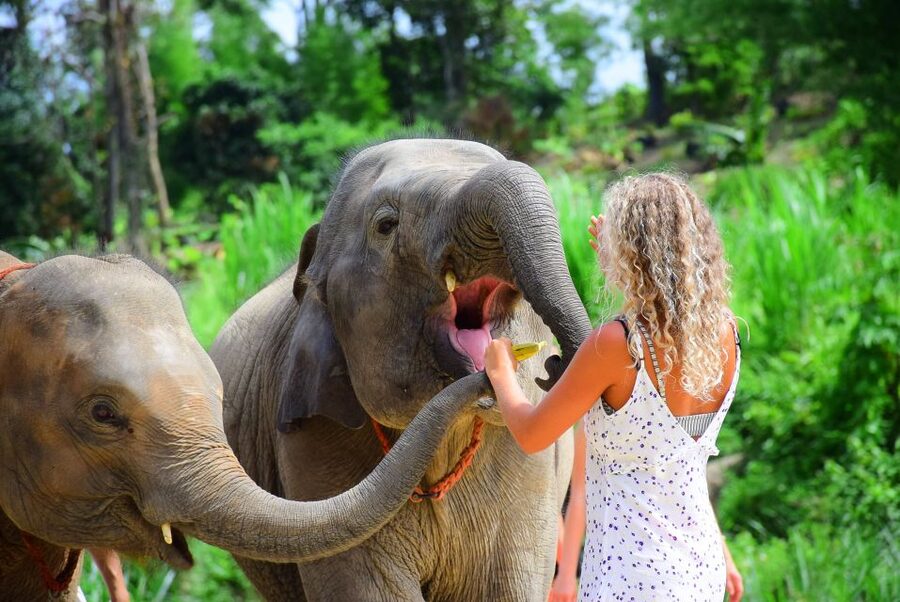
After the mud, you may help wash the elephants in the bathing area. This is not a dry, polite activity. The animals can splash you, spray water, and turn a careful rinse into a very wet few minutes.
The bathing session is especially appealing if you want an active encounter. You can stand close, use water as directed, and watch how the elephants respond. Some may enjoy the attention, while others may move away when they have had enough.
The staff provides guidance and keeps an eye on the interaction. You should follow their instructions, avoid crowding an elephant, and never assume that a calm animal wants to be touched. The program’s welfare promise works only when visitors respect the animals’ boundaries too.
Once bathing ends, you can shower and change before lunch. Soap is provided, and the facilities have been described as clean and practical. They are designed for a quick rinse, not a spa treatment, so bring your own toiletries if you need anything beyond soap.
Thai buffet lunch after the animal activities
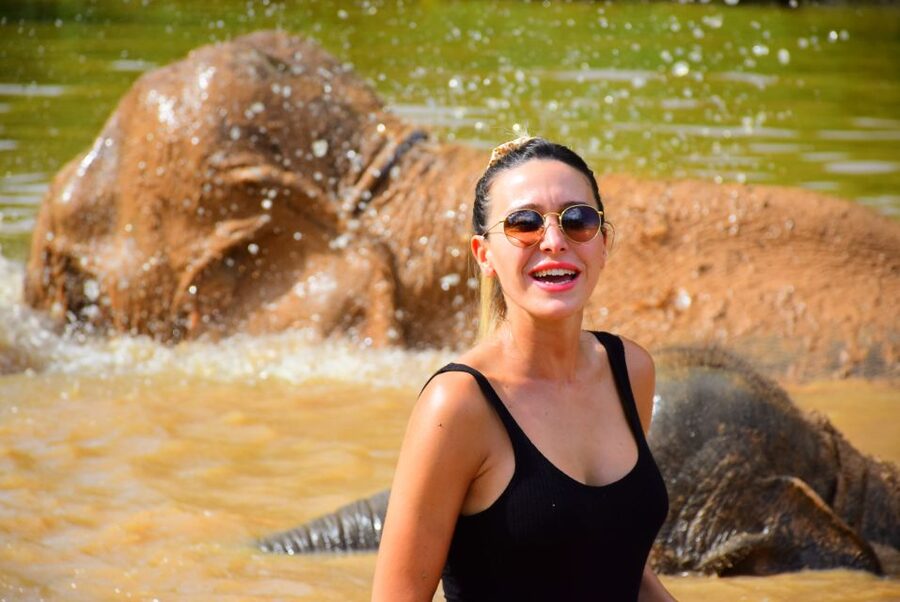
Lunch follows the elephant care work, which is good planning. You can clean up, sit down, and eat without worrying about carrying mud into the dining area.
The meal is a traditional Thai buffet suitable for vegetarians. Pad Thai and fried rice with vegetables have both been specifically praised as simple but tasty. Coffee, tea, and drinking water are included, which is welcome after time outdoors.
This is not a destination for elaborate dining. The food is best understood as a satisfying included meal that keeps the tour moving. Vegetarian visitors should find the arrangement convenient, while anyone with other dietary needs should confirm details before booking because no broader dietary information is provided.
Lunch also gives you a pause from the busy part of the day. After close contact with elephants, mud, and water, a straightforward Thai meal can feel exactly right.
Photos, souvenirs, and the real cost of the day
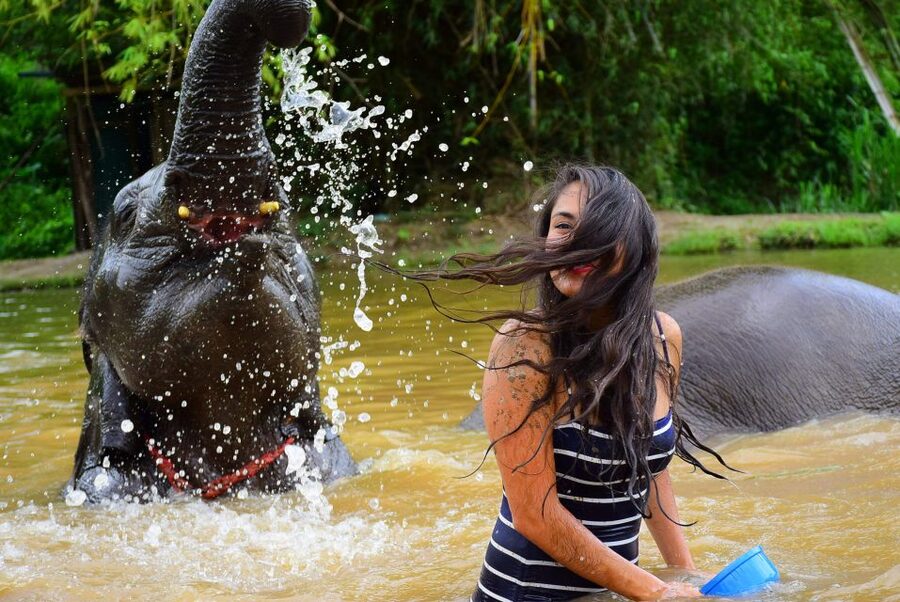
At $53, the tour offers solid value. The price includes round-trip pickup within the service zone, an English-speaking live guide, elephant food, water, coffee, tea, clothing arrangements, the activities, and a vegetarian lunch.
The main extra cost is photography. A photographer may take high-definition images throughout the day, and photo packages have been offered at different prices, including about 500 to 800 Thai baht depending on the package and date. Photos are not included in the tour price.
You may also be able to use your own phone or camera, and staff may help take pictures. The advantage of the park photographer is that you can focus on the elephants instead of handing your phone back and forth. Before paying, ask to see the full set and confirm the current price.
Souvenirs such as elephant pants or shorts may also be available. Purchases are described as helping fund elephant food, medical care, and future rescues. Buy only what you want, but it is useful to know that these sales can support the park’s work.
The photo option changes the final cost, but it can be worthwhile for this particular activity. Mud baths and bathing produce moments that are hard to capture while you are busy participating.
Who will enjoy this Chiang Mai elephant tour?
I would recommend this program to you if you want active contact, clear welfare rules, and a half-day outside the city. Families can enjoy the baby elephant and the food preparation, though adults should supervise children closely around such powerful animals.
It also suits couples, solo visitors, and small groups who want memorable photos and a full schedule without spending an entire day at a distant park. The activities are varied enough that you are not feeding elephants for five straight hours.
You should think twice if you dislike mud, getting splashed, changing outdoors, or being close to large animals. This is not a quiet photography hide. It is a physical care session with unpredictable animal behavior.
The program may also disappoint if you expect a completely private visit. Group size varies, and popular dates can bring more people into the same spaces. Booking during a less busy period may give you a calmer experience, but no specific low-season guarantee is provided.
Practical packing advice for a smoother visit
Bring swimwear, a full change of clothes, flip-flops, insect repellent, and any personal medication. Add a waterproof bag for muddy or wet clothing, even though it is not formally listed.
Wear clothing that can handle dirt and water. Leave valuables behind or keep them secure, since your attention will be on the elephants and not on your phone or wallet.
The park provides drinking water, coffee, tea, elephant food, and a vegetarian lunch. Pickup is included from hotels within five kilometers of Chiang Mai’s Old Town, but you should confirm the location if your accommodation is farther away.
Free cancellation is available up to 24 hours before the activity for a full refund, and you can reserve now and pay later. Those terms help if your Chiang Mai schedule is still changing.
Should you book the Elephant Care Program?
Yes, if your priority is close, active contact with rescued elephants and a program that says the animals are free to refuse activities. Feeding, medicine-ball preparation, walking, mud play, and bathing give you more substance than a quick photo stop.
I especially like the balance between fun and care. You get the memorable parts, including a baby elephant and a soaking bath, but you also learn about food, behavior, and daily support. The strong praise for the guides, clean facilities, Thai lunch, and small-group feel adds to the value.
Book with realistic expectations. The drive takes about an hour each way, the vehicle may be basic, group size can change, and the photos cost extra. Pack properly, listen to the carers, and accept that the elephants make the final decisions.
FAQ
How long does the Elephant Care Program take?
The activity lasts approximately five to six hours, including transportation from Chiang Mai city center to Mae Tang and back.
Is hotel pickup included?
Yes. Round-trip pickup and drop-off are included for accommodations within five kilometers of Chiang Mai’s Old Town. If your hotel is outside the pickup area, contact the operator after booking.
What language is the tour conducted in?
The tour includes a live English-speaking guide.
Can I bathe the elephants?
You may join the mud spa and bathing activities, provided the elephants choose to participate. The program states that the animals are not forced to do activities they do not want to do.
What should I bring?
Bring swimwear, a change of clothes, flip-flops, insect repellent, and personal medication. A bag for wet clothing is also a useful addition.
Is lunch included?
Yes. A vegetarian Thai buffet lunch is included, along with drinking water, coffee, and tea.
Are the photos included in the tour price?
No. A photographer may take high-definition photos, but photo packages cost extra. Reported prices have ranged from about 500 to 800 Thai baht, so confirm the current price before buying.
Just added around Chiang Mai
- Chiang Mai: Chiang Rai White, Blue & Black Temples Day Tour★ 4.2 · 16 reviews
- Chiang Mai Adventure ATV Secret Waterfall and Bamboo Rafting★ 5.0 · 16 reviews
- Inthanon Small-Group with Kew Mae Pan Trail from Chiang Mai include Lunch★ 4.5 · 16 reviews
- 2-Day Best of Chiang Rai from Chiang Mai Private Package★ 4.5 · 16 reviews
- Doi Inthanon Discovery Tour: Waterfalls, Villages & Highest Peak★ 3.5 · 16 reviews
- Private-Tour Doi Suthep Temple and Khun Chang Kien Village Half-Day★ 4.5 · 16 reviews
- Chiang Mai Iconic Temples and City Tour★ 4.5 · 17 reviews
- Fantastic! Famous Doi Inthanon National park tour with 2hr trekking★ 4.5 · 17 reviews
Elephant Tours, compared.
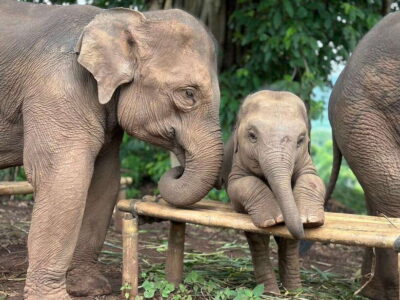
Elephant Sanctuary, Waterfall & Bamboo Rafting
Read our review →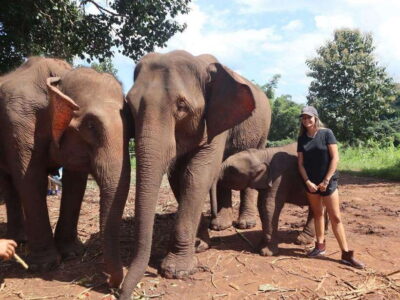
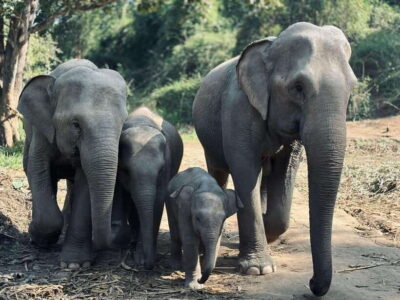
Elephant Sanctuary Feeding Program Half-Day Tour
Read our review →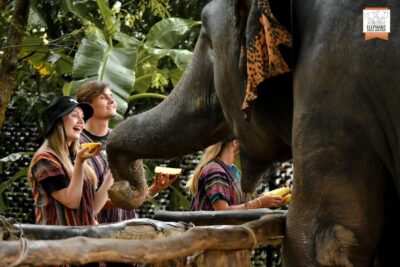
Elephant Jungle Sanctuary Ethical Feeding Experience
Read our review →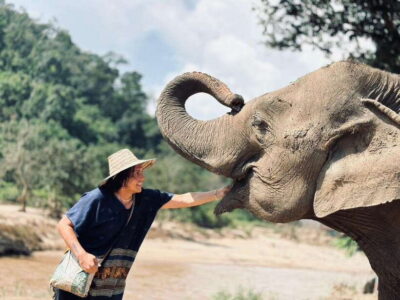
Elephant Sanctuary, Long Neck & Sticky Waterfall
Read our review →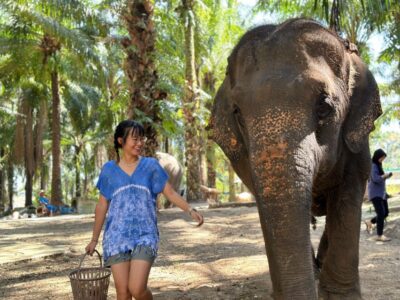
Elephant Bathing Session at Krabi Elephant Shelter
Read our review →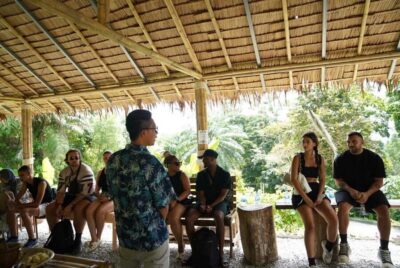
Elephant Sanctuary Guided Tour with Hotel Transfers
Read our review →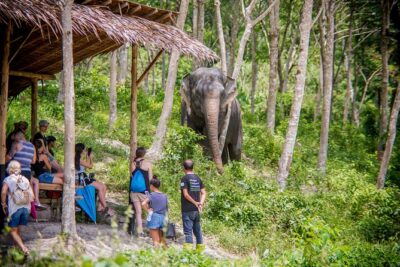
A Morning with the Elephants at Phuket Elephant Sanctuary
Read our review →Browse the lists this tour appears in