
Reviewed · MUSEUMS
Samut Prakan: The Erawan Museum Admission Ticket (NON THAI)
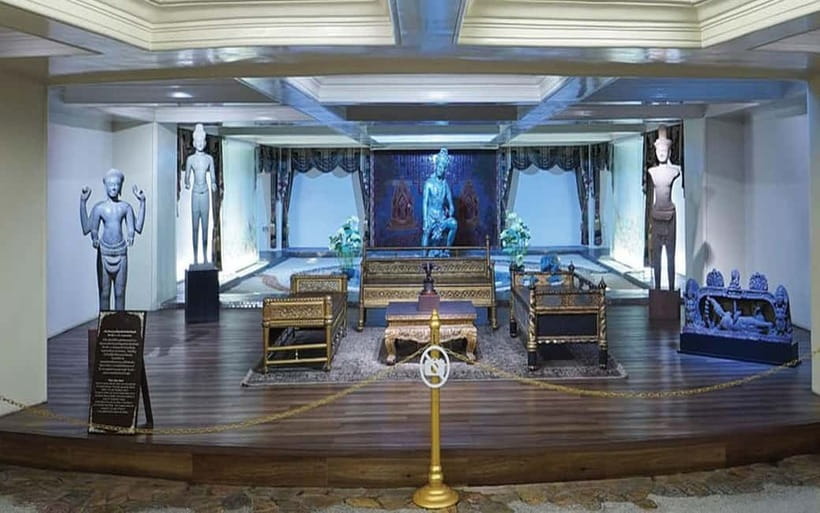
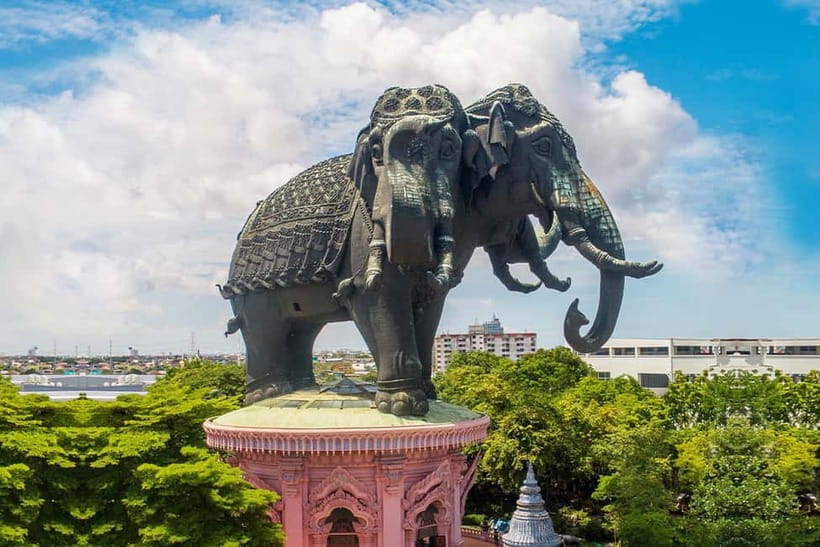
Look up, and the museum is already telling its story. The Erawan Museum in Samut Prakan is built beneath a huge three-headed bronze elephant, a striking symbol inspired by Airavata, the mythological vehicle of the Hindu god Indra. I like the way the building works as both museum and sacred monument, and I also like that your admission includes flowers, incense, and a lotus flower for a respectful visit.
The main drawback is the dress code. Shorts, short skirts, sleeveless shirts, food, and drinks are not permitted, so you need to plan your clothing before setting out. The ticket costs about $12 per person, which is a fair price if you want an unusual cultural stop near Bangkok, but the museum may feel brief if you are seeking a large collection with extensive written displays.
In This Review
- Key Points to Know Before You Go
- Why the Erawan Museum Feels Different
- Arriving From Bangkok on the Green Line
- Looking Up at the Three-Headed Elephant
- Underworld: Beginning Below the Main Museum
- Earth: The Museum’s Cultural Center
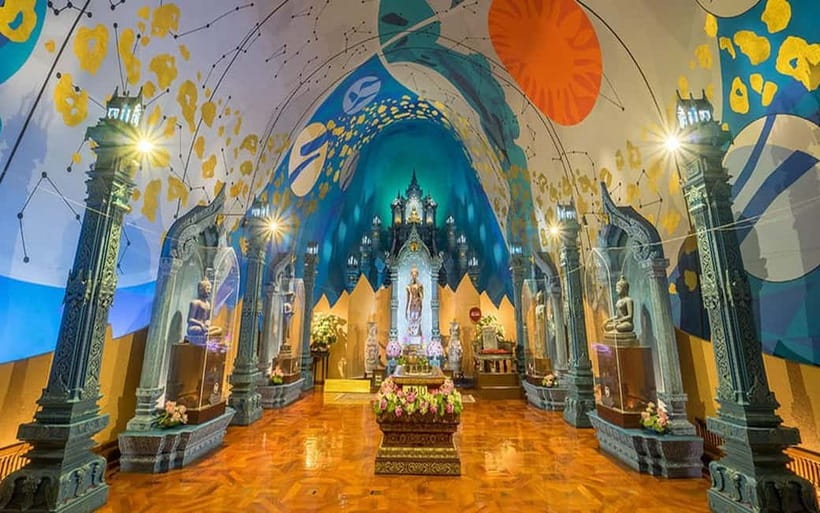
- Heaven: Finishing Beneath the Elephant
- Flowers, Incense, and a Lotus Flower
- Is the $12 Ticket Good Value?
- Who Should Visit the Erawan Museum?
- Practical Tips for a Smoother Visit
- Should You Book This Museum Visit?
- FAQ
- Where is the Erawan Museum located?
- How can I reach the museum by public transportation?
- How much does admission cost?
- How long is the ticket valid?
- What does the admission ticket include?
- Is transportation included with the ticket?
- What clothing is required?
- Can I take photographs inside the museum?
- Can I cancel the booking?
Key Points to Know Before You Go
- The three-headed elephant is the centerpiece: It is built on a globe-like sphere, symbolizing protection of the Earth and the sacred objects inside.
- The museum has three symbolic sections: Underworld, Earth, and Heaven give your visit a clear visual and spiritual structure.
- Admission includes worship items: Flowers, incense, and a lotus flower are provided as part of the ticket.
- Chang Erawan Station is the easiest arrival point: Take the BTS Skytrain Green Line to E17, Exit 2, then use the free shuttle tuk-tuk.
- The ticket is date and time specific: It is valid for eight hours, but you can only enter on the booked date and time.
- Photography is welcome for personal use: Commercial photo or video use is not allowed inside.
Why the Erawan Museum Feels Different
The Erawan Museum is not simply a room filled with old objects. Its entire design carries a message. The enormous elephant represents Thailand, Hindu mythology, protection, and the preservation of sacred treasures. The building is meant to make you look upward, then inward, as you move through its three symbolic levels.
The museum was created by Lek Viriyapant, a well-known antique collector who wanted to preserve his collection for future generations. He believed that many of the sacred objects in his care had once been seen as sources of blessing and prosperity. Rather than hide them in a plain gallery, he created a monumental home for them.
Lek gave the design to his son, Pagpean Viriyapant, who oversaw construction. Neither father nor son lived to see the building fully completed, but their family continued the project. That gives the site a personal purpose beyond its grand appearance: it is a memorial to Lek’s life and a place intended to celebrate Thai culture for the future.
Even before construction was finished, people came to worship the elephant, the sacred objects, and the idea behind the museum. You should keep that in mind while visiting. This is not only a photo stop. It is also a religious and cultural space, so quiet behavior and modest clothing matter.
More Museums in Bangkok:
- Skip the Line: Patpong Museum Guided Tour
★ 5.0 · 80 reviews - Bangkok: Samut Prakan Ancient City and Erawan Museum Ticket
★ 4.4 · 73 reviews - Private Guided Day Tour to Erawan Museum & Ancient City
★ 4.5 · 25 reviews
Arriving From Bangkok on the Green Line
The simplest way to reach the museum is by BTS Skytrain. Take the Green Line to Chang Erawan Station, listed as E17, and leave through Exit 2. From there, a free shuttle tuk-tuk operates every day to the museum.
That transfer is useful because the museum ticket does not include transportation. You will need to arrange your own way to the BTS station and allow time for the shuttle connection. The directions are clear, but it is still sensible to check the train route and the museum’s available entry time before leaving.
The large elephant makes the destination easy to recognize once you are close. Since the ticket is tied to a specific date and time, do not treat the visit as an entirely flexible stop that you can squeeze in at any hour. The ticket remains valid for eight hours, but entry is limited to the booked date and time.
The experience is sold as an eight-hour admission period rather than a guided tour with a fixed walking schedule. That gives you control over your pace. You can spend more time taking photographs outside, move slowly through the interior, or make a shorter visit if you have other plans in Samut Prakan.
Looking Up at the Three-Headed Elephant
The exterior is the first major event. The massive bronze elephant rises above the museum on a spherical base that acts like a globe. The design suggests that the elephant is protecting the Earth and the valuable sacred objects placed inside.
This is the part of the experience that gives the museum its instant visual appeal. You do not need a long introduction to understand why people stop to photograph it. The scale is dramatic, and the unusual shape makes the building easy to remember.
The elephant is based on Airavata, a figure from Hindu mythology. It also connects to Thailand’s own cultural identity, which is why the monument feels larger than a decorative statue. The exterior tells you that the museum is about national symbolism, religious belief, and the care of old objects.
Take your time outside before going in. The ticket includes access to the areas surrounding the museum, and the exterior provides plenty of photo opportunities. If you rush directly indoors, you miss an important part of how the place communicates its purpose.
Underworld: Beginning Below the Main Museum
The museum is divided into Underworld, Earth, and Heaven. These names are more than labels. They give you a simple way to understand the building’s vertical arrangement and the ideas behind the collection.
The Underworld section forms the lower part of the visit. It creates a symbolic starting point before you move upward toward Earth and Heaven. The exact displays and visual details are best appreciated in person, but the main value of this section is the way it places the collection inside a larger spiritual story.
I like this structure because it gives the museum a clear shape. You are not wandering through unrelated rooms without a sense of direction. Instead, the building encourages you to think about the relationship between the world below, human life, and the heavenly realm above.
Keep your voice low and treat the objects with care. The site asks you to be quiet and respectful, and the presence of incense and lotus flowers reinforces that this is not a standard entertainment venue.
A few more tours and experiences worth a look
- Bangkok: Muay Thai Boxing Tickets at Rajadamnern Stadium
★ 4.9 · 4,740 reviews - Bangkok: Mahanakhon SkyWalk Entry Ticket with Options
★ 4.6 · 4,094 reviews - Bangkok: Chao Phraya Princess Dinner Cruise Ticket
★ 4.2 · 793 reviews - Bangkok: Grand Palace Skip-the-Line Entry Ticket
★ 4.2 · 720 reviews
Earth: The Museum’s Cultural Center
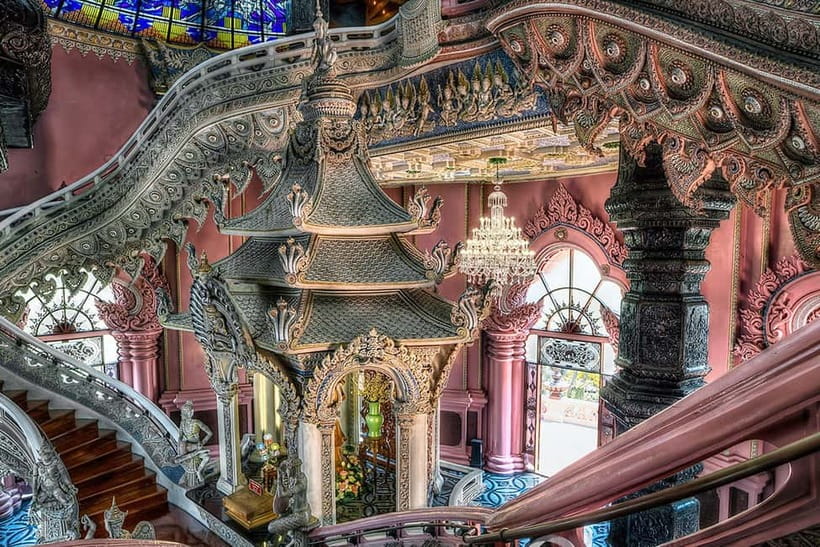
The Earth section represents the human world and serves as the central part of the museum’s story. Here, you encounter the collection within the setting created by Lek Viriyapant’s vision.
The value of this section is not only the age or appearance of individual objects. It is the reason they were brought together. Lek wanted to keep important antiques and sacred items safe, rather than allow them to disappear from public memory. His museum gives those objects a setting that encourages you to consider their role in Thai culture.
You may find this section especially rewarding if you enjoy architecture and collecting as much as traditional museum displays. The building itself is part of the collection’s presentation. The elephant above you, the globe-like base, and the objects inside all work together.
Photography is allowed for personal purposes, giving you time to record details that catch your eye. Commercial photography and video are not permitted inside, so keep your camera use personal and respectful.
Heaven: Finishing Beneath the Elephant
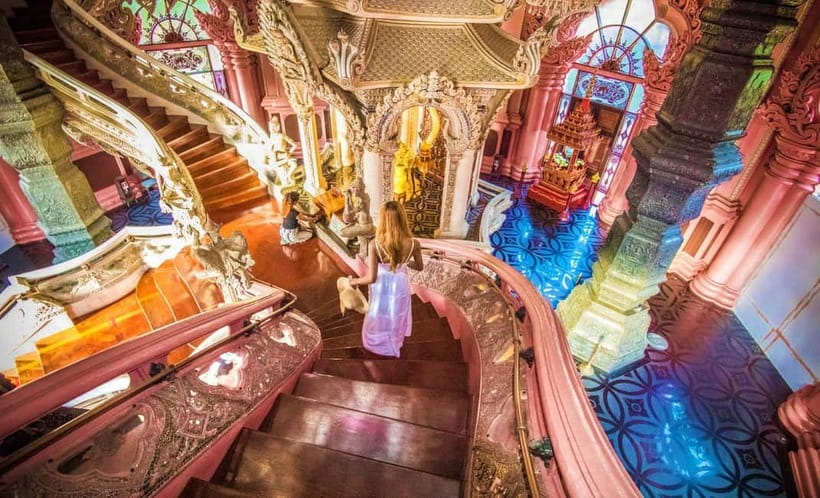
The Heaven section completes the upward movement through the museum. It is the final part of the three-level idea and connects the interior to the elephant above.
This is where the building’s design makes the most sense as a whole. You begin with the symbolic lower realm, move through the human world, and finish in the heavenly section. The museum is therefore not just a container for antiques. It is a visual journey built around Buddhist and Hindu ideas, Thai identity, and the protection of sacred heritage.
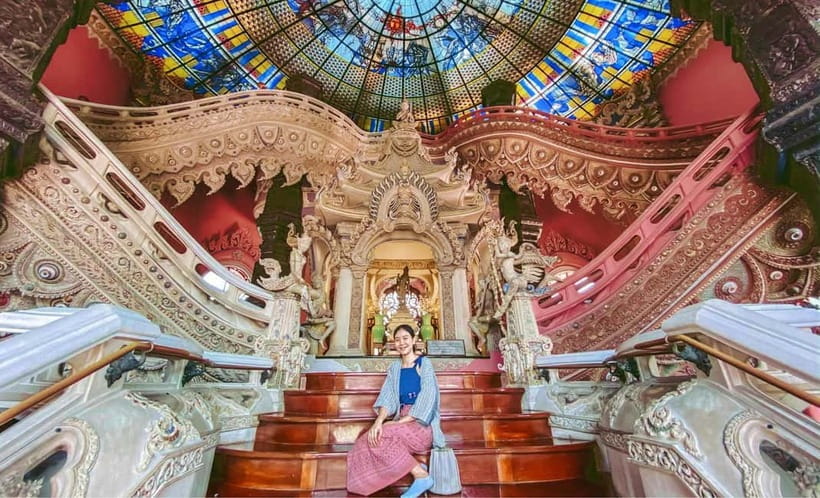
The upper area also adds to the photo appeal. You can look closely at the interior design, then connect it with the giant elephant outside. The contrast between the detailed interior and the huge exterior form is one of the museum’s strongest features.
The experience is likely to suit you if you enjoy places where architecture carries as much meaning as the exhibits. If you prefer a conventional museum with long explanations beside every object, you may find the symbolic design more memorable than the amount of information on display.
Flowers, Incense, and a Lotus Flower
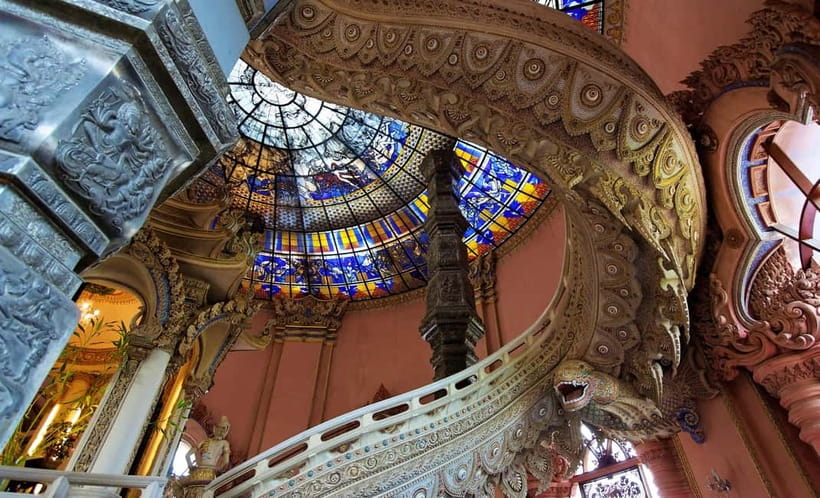
Your admission includes flowers, incense, and a lotus flower. These items give you a direct way to take part in the respectful atmosphere of the museum rather than simply walking through with a camera.
You do not need to approach the visit as a formal religious ceremony, but you should follow the site’s quiet tone. The museum specifically asks for respectful behavior. Food, drinks, alcohol, and drugs are prohibited, and pets are not permitted.
Modest clothing is essential. Sleeveless shirts, short skirts, and shorts are not allowed. If your outfit is borderline, change before arriving rather than risk an awkward problem at the entrance.
These rules may feel stricter than those at a typical attraction, but they fit the museum’s purpose. The building contains sacred objects and is also a place where people come to worship. A little preparation helps you enjoy the visit without distraction.
Is the $12 Ticket Good Value?
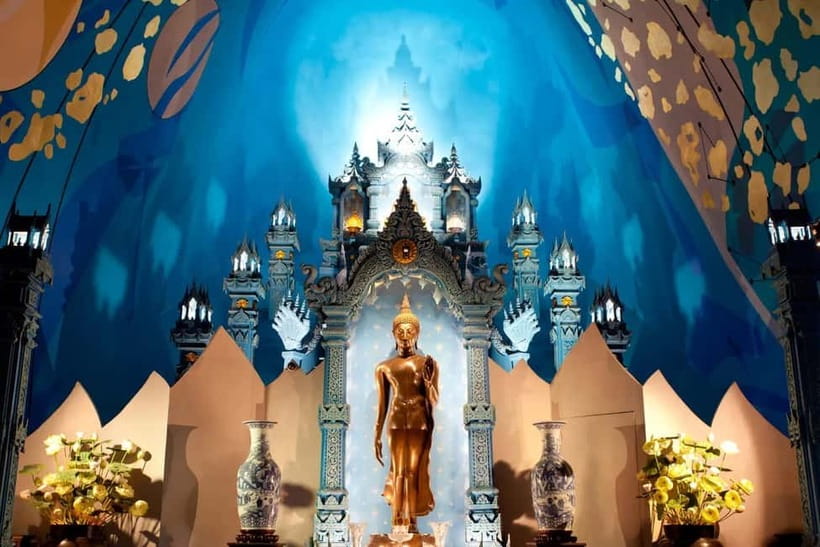
At around $12 per person, the admission is reasonably priced for a distinctive cultural attraction with access to the museum and surrounding grounds. You are paying for more than a single statue. The ticket covers the full three-part museum, the exterior grounds, the worship items, and the chance to spend up to the eight-hour validity period at the site.
The value depends on your interests. If you want a compact, visually unusual stop with strong architectural character, the price is easy to justify. The huge elephant alone makes this unlike most city museum visits, while the Underworld, Earth, and Heaven arrangement gives you a clear experience rather than a simple outdoor photo opportunity.
The value is less certain if you expect transportation, a guide, meals, or a full-day itinerary. Transfers are not included, and personal expenses are your responsibility. There is no stated guided commentary or organized group schedule, so you should arrive ready to explore independently.
The strong overall rating of 4.8 from 89 recorded ratings suggests that the experience has worked well for many people. A recent verified booking from January 2026 described it as a highly recommendable experience. That praise fits the attraction’s main strength: it is easy to remember and offers plenty to photograph without requiring a complicated tour plan.
Who Should Visit the Erawan Museum?
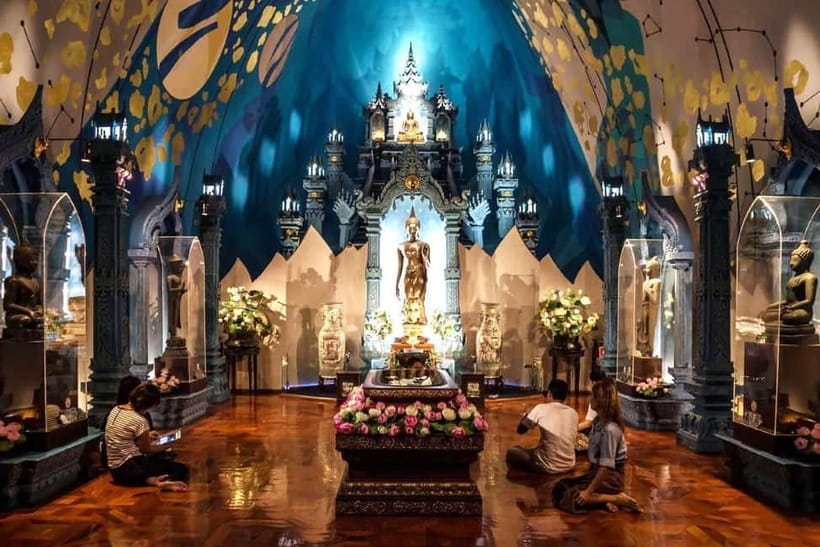
I would recommend this museum to anyone staying in Bangkok who wants a cultural stop with a strong visual hook. It suits people interested in Thai art, Hindu and Buddhist symbolism, architecture, antique collecting, and religious spaces.
It also works well for photographers, provided you are taking pictures for personal use. The elephant, globe-like base, interior decoration, and surrounding grounds provide several different settings in one visit.
Families may appreciate the simple three-part layout, though everyone in the group must follow the dress and behavior rules. The museum is also a good choice if you prefer to set your own pace instead of joining a scheduled guided tour.
I would be more cautious about recommending it as your only major cultural visit in Thailand. The attraction has a focused purpose and a specific style. It does not replace a broad museum collection or a full historical tour of Bangkok and Samut Prakan.
Practical Tips for a Smoother Visit
Book the correct date and time, then plan your BTS route around it. Since the ticket is date and time specific, you should not assume you can arrive whenever convenient.
Wear modest clothing from the start. Shorts, short skirts, and sleeveless shirts are not accepted, and changing after arrival may not be easy.
Use the free shuttle tuk-tuk from Chang Erawan Station, Exit 2. The museum is designed to be reached this way from the Green Line, and the shuttle saves you from arranging a separate transfer from the station.
Leave room in your schedule for the exterior. The elephant is the main visual symbol, and the surrounding area is included with admission. A rushed indoor-only visit would miss part of the museum’s message.
Bring a camera for personal photographs, but do not plan commercial shoots or commercial video inside. Food and drinks should remain outside the museum, and pets cannot accompany you.
The experience offers free cancellation up to 24 hours in advance and allows you to reserve now while paying later. That is useful if your Bangkok plans are still changing, but you still need to check availability for the time you want.
Should You Book This Museum Visit?
Book it if you want an unusual and affordable cultural stop that combines a giant mythological sculpture, symbolic architecture, sacred objects, and an easy BTS connection. The $12 price is sensible for the visual impact and the chance to explore at your own pace.
Skip it if you want a guided tour, included transportation, a meal, or a wide-ranging survey of Thai history. The Erawan Museum is focused, quiet, and highly designed. Its appeal comes from the building and the story it tells, not from a long list of conventional museum galleries.
For most visitors who enjoy striking architecture and meaningful cultural spaces, I would make the trip, dress appropriately, take the Green Line to Chang Erawan Station, and give the elephant and all three sections the time they deserve.
FAQ
Where is the Erawan Museum located?
The Erawan Museum is in Samut Prakan, in Central Thailand.
How can I reach the museum by public transportation?
Take the BTS Skytrain Green Line to Chang Erawan Station, E17, and exit at Exit 2. A free shuttle tuk-tuk operates from there every day.
How much does admission cost?
The admission price is listed as $12 per person.
How long is the ticket valid?
The ticket is valid for eight hours. You can only visit on the specific date and time selected when booking.
What does the admission ticket include?
It includes admission to the Erawan Museum, flowers, incense, a lotus flower, access to the surrounding museum areas, and all taxes and fees.
Is transportation included with the ticket?
No. Transfers are not included, although a free shuttle tuk-tuk operates from Chang Erawan Station Exit 2.
What clothing is required?
You should dress modestly. Shorts, short skirts, and sleeveless shirts are not permitted.
Can I take photographs inside the museum?
Personal photography and video are allowed, but commercial photography and commercial video are not permitted inside.
Can I cancel the booking?
Yes. You can cancel up to 24 hours in advance for a full refund.
Just added around Bangkok
- Kanchanaburi World War 2 Private Charter Pathway of the Past Tour★ 4.5 · 16 reviews
- 2-hour Bangkok Old City Night CHOB TUK TUK + Talat Noi Street Art★ 5.0 · 16 reviews
- Khao Yai National Park Hiking Day Tour: Haew Narok and Haew Suwat★ 5.0 · 16 reviews
- Floating Market with Great Pagoda Temple and Wat Sam Phran★ 5.0 · 16 reviews
- Shangri-La Hotel’s Salathip Thai Restaurant Experience★ 4.5 · 16 reviews
- Private Transfer Bangkok – Koh Kood Island★ 4.0 · 16 reviews
- Private Half-Day Bangkok Tour Explore Grand Palace and Wat Pho★ 4.5 · 16 reviews
- The Best Bangkok Temples★ 4.0 · 16 reviews
Museums, compared.
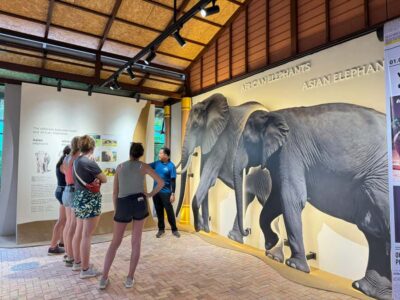
Samui:Elephant Jungle experience & The First Elephant Museum
Read our review →

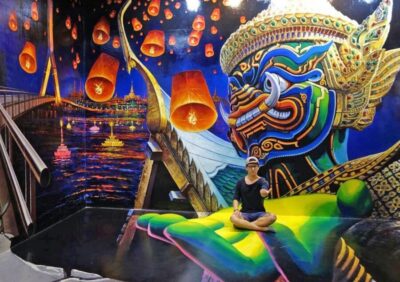
Samut Prakan Ancient City and Erawan Museum Ticket
Read our review →
Koh Samui Elephant Home Sanctuary and the first Elephant Museum
Read our review →
Chiang Mai to White & Blue Temple, Black Museum & Golden Triangle
Read our review →
Buddha, Floating Market, Gems Museum Tour & Lunch
Read our review →Browse the lists this tour appears in