
Reviewed · ELEPHANT TOURS
Koh Samui Elephant Home Sanctuary and the first Elephant Museum
A museum visit leads into the jungle. This Koh Samui experience combines Thailand’s first elephant museum with a quiet walk beside rescued elephants and a hands-on habitat project. I like the clear focus on ethical elephant care and the chance to see natural behavior rather than staged tricks. I also like that the visit explains Thai culture, elephant history, and conservation in one compact outing.
The main consideration is pacing. The full experience lasts about two and a half hours, but one review found the museum portion too long and the drive lengthy. If you want nonstop elephant contact, this may feel slower than a standard feeding stop. If you prefer an educational visit with a real purpose, the slower rhythm works well.
In This Review
- Key points to know before booking
- Why this Koh Samui elephant visit feels different
- Stop one: seed bombs, sanctuary briefing, and a useful introduction
- Stop two: Koh Samui’s first elephant museum
- Stop three: walking with elephants in the jungle
- The conservation activity is more than a photo opportunity
- Guides, facilities, and the size of the group
- Is the $65.18 price good value?
- Who should book this experience?
- Booking details and cancellation
- Should you book the Koh Samui Elephant Home experience?
- FAQ
- Where is Koh Samui Elephant Home located?
- How long does the experience last?
- Is pickup available?
- What is included in the visit?
- How many people can join the activity?
- Can children take part?
- Are the elephants rescued?
- What is the cancellation policy?
Key points to know before booking
- Thailand’s first elephant museum on Koh Samui: Learn how elephants have shaped Thai work, culture, and modern conservation.
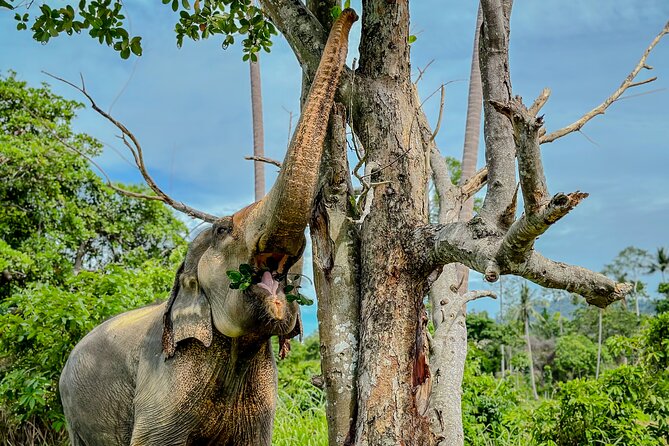
- Nine rescued elephants: The sanctuary cares for elephants rescued from circus performances, logging, and riding.
- A jungle walk focused on behavior: Watch elephants play with mud, cool themselves, and move through their natural setting.
- Seed bombs with a purpose: Make clay balls with native seeds, then launch them into the forest with a slingshot.
- Small maximum group of 20: The group cap helps keep the visit more manageable and personal.
- Good practical facilities: Cold drinking water and very clean toilets are available on site.
Why this Koh Samui elephant visit feels different
Many elephant activities in Thailand are built around a quick photo, a feeding platform, or a ride. This one takes a broader view. You begin with the story of elephants, continue with observation, and finish by helping grow future food in the forest.
That structure matters. You are not simply watching a large animal for a few minutes. You are given some context about how elephants have been used, rescued, and cared for. Then you see them in a setting where the goal is not a performance.
The sanctuary is home to nine elephants rescued from difficult working lives. Their backgrounds include circus performance, logging, and riding. The visit does not erase that past, but it helps explain why a retirement sanctuary exists and why responsible care costs money.
I especially like the way the conservation activity gives you a small job to do. Making a seed bomb from clay and pumpkin or native seeds may sound simple, but it connects your visit to the forest beyond the fence. You then use a slingshot to send the seed bombs into the habitat. It is part lesson, part playful activity, and part practical contribution.
The activity is also family-friendly. Children get something tactile to do, while adults have time to think about the larger question of how elephant tourism should work.
More Elephant Tours in Koh Samui
- Koh Samui: Elephant Sanctuary Entry and Feeding Experience
★ 4.7 · 1,446 reviews - Koh Samui: Elephant Sanctuary and Jungle Tour with Lunch
★ 4.7 · 1,328 reviews - Samui: Elephant Nutrition and Care Education Experience
★ 4.9 · 1,223 reviews
Stop one: seed bombs, sanctuary briefing, and a useful introduction
The visit begins at Samui Elephant Home, at 11 8, Tambon Na Mueang, Amphoe Ko Samui, Surat Thani 84140. The first half hour is used for an introduction to the sanctuary and its care practices, followed by the seed-bomb activity.
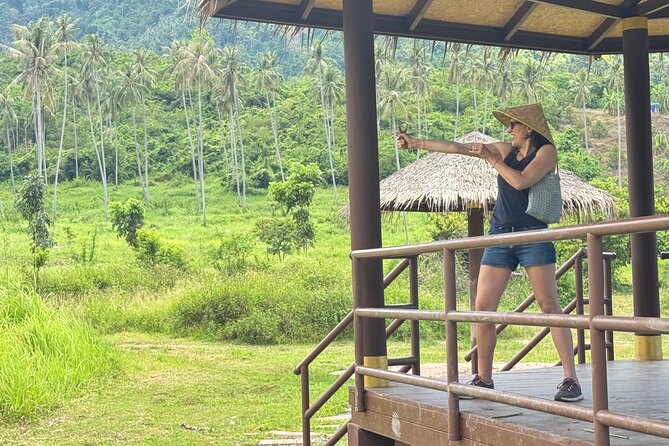
Expect basic materials such as clay and seeds. You shape the mixture into small balls that can later break down and allow plants to grow. The final step uses a slingshot to send them into the forest, helping plant future food sources for the elephants.
This opening works best if you arrive ready to participate. It is not a passive welcome talk. You will handle the materials, listen to instructions, and take part in an activity that may feel a little unusual at first.
One review described initial doubt about sitting at a table and putting pumpkin seeds into clay. That reaction is understandable. The task sounds modest compared with meeting an elephant. Yet the activity gains meaning once you understand that the sanctuary is trying to support the animals’ habitat rather than only provide an entertaining encounter.
The introduction is also where you can ask questions. Katie and Angie are both praised by name for being friendly, clear, and willing to explain things. Since the tour depends on interpretation, a good guide makes a real difference. The strongest part of the experience may be the conversation around what you are seeing, not just the act of seeing it.
Stop two: Koh Samui’s first elephant museum
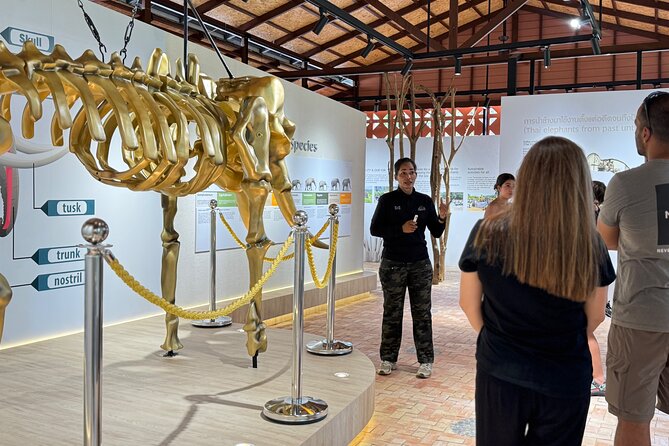
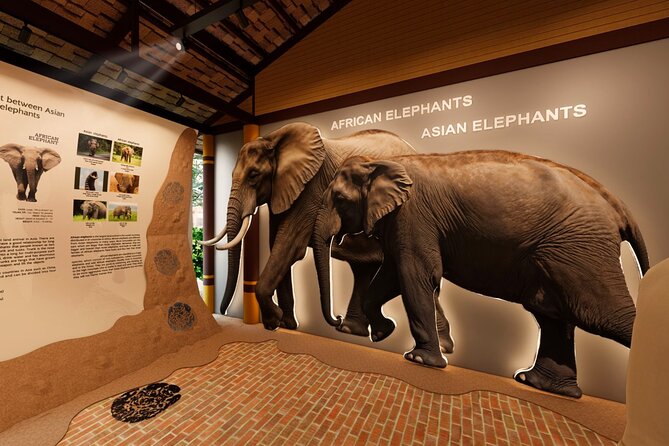
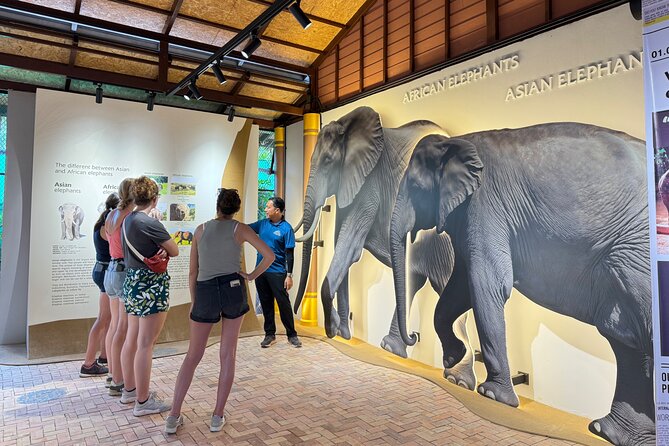
The next half hour takes place in the island’s first and only elephant museum. Its theme is The Elephant’s Legacy: Traces of Time, Steps of Change. That title points to the museum’s purpose: showing how the place of elephants in Thailand has changed over time.
The displays cover the connection between elephants and Thai culture, along with historical material about their work and treatment. The goal is not just to present an animal as cute or impressive. You are asked to consider the long relationship between people and elephants, including the hard shift from working animals toward rescue and retirement care.
I like having the museum before the jungle walk. Without that background, you might see an elephant cooling itself in mud and simply take a photograph. With the museum’s context, you can better understand why the sanctuary does not ask the animals to perform and why natural behavior matters.
The museum may be the least active section of the experience. One person felt that this part lasted too long, especially alongside the long drive to the sanctuary. That is a fair warning for anyone with a short attention span or a tight schedule.
You should allow yourself to slow down here. The museum is not a quick display beside a gift shop. It is an educational stop, and its value depends on whether you want to learn about elephants as part of Thai history and conservation.
For families, the museum gives children a framework for the rest of the visit. For adults, it adds substance to what could otherwise be a standard animal encounter. If your only aim is to feed an elephant and leave, you may find the museum excessive. If you want to understand the sanctuary’s work, it earns its place.
Stop three: walking with elephants in the jungle
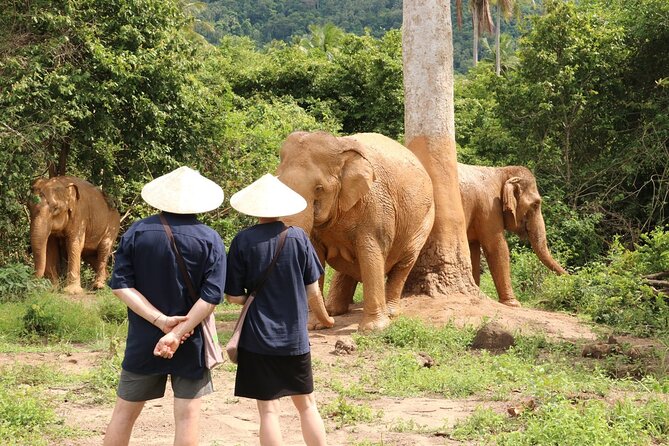
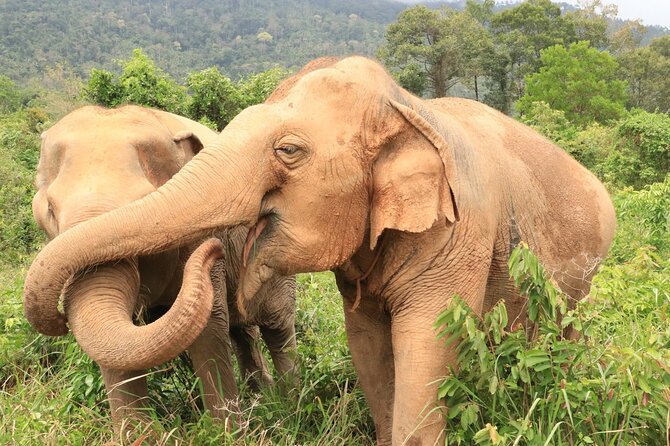
The final section lasts about an hour and takes you into the jungle with the elephants. The focus is observation. You watch the animals move, play in mud, and cool themselves without being asked to perform for you.
That distinction is important. Elephants naturally use mud to help cool their bodies, and seeing this behavior in context is more valuable than watching an artificial trick. The walk gives you a chance to notice how the animals occupy their surroundings and interact with the forest.
The phrase alongside elephants should not be interpreted as a promise of constant close contact. The point is to observe them in their habitat. Conditions may affect how active they are, and the experience is built around respect for the animals rather than control over them.
Feeding is also part of the visit according to the feedback about the experience. This can be a memorable moment, but it should not overshadow the walk. The best reason to book is the combination of feeding, observation, and education, not a guarantee of a particular pose or photo.
You may be surprised by how much quieter this feels than a show. There is no mention of circus acts, riding, or tricks. Instead, you see retired elephants being cared for and allowed to behave like elephants. That makes the encounter more meaningful for anyone trying to avoid harmful animal tourism.
Bring patience. A jungle walk is not a race, and the animals set the pace. The guide’s job is to explain what is happening and help you notice behavior you might otherwise miss. Katie and Angie receive especially strong praise for making the information easy to follow and for answering questions in a warm way.
Something different for another day:
- Koh Samui: Pig Island & Koh Tan Snorkeling by Speed boat
★ 4.5 · 4,149 reviews - Koh Tao: Islands Snorkeling Highlights Day Tour & Lunch
★ 4.7 · 3,742 reviews - Koh Samui: Mu Ko Ang Thong Park Cruise with Kayaking Option
★ 4.3 · 3,728 reviews - Koh Samui: Half-Day Island Highlights Tour with Hotel Pickup
★ 4.6 · 3,556 reviews
The conservation activity is more than a photo opportunity
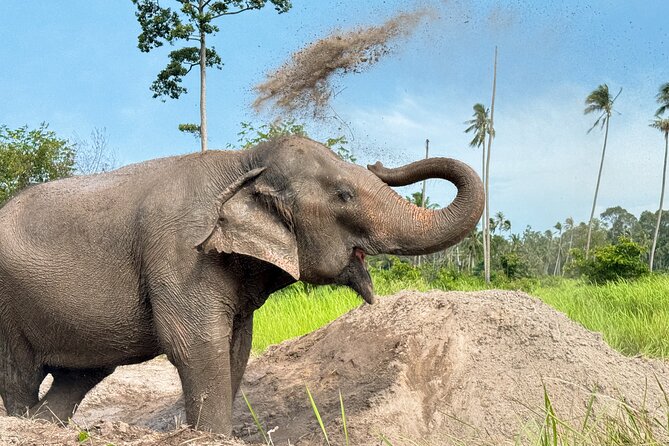
The seed-bomb project deserves special attention because it gives the tour a clear finish. You make balls from clay and seeds, then use a slingshot to distribute them through the forest.
This is a modest action, not a claim that a single visit will restore an entire habitat. Still, it shows you how elephant care depends on more than shelter and food at a feeding station. Forest plants matter. So does the long-term supply of suitable food.
The activity also helps children understand conservation in a direct way. Rather than only hearing that habitat loss is a problem, they take part in planting. Adults may enjoy the novelty of the slingshot, too. It is a lighthearted ending to a serious subject.
I would treat the activity as symbolic but worthwhile. Its strongest value is educational: you leave with a better sense of the connection between animal welfare and the wider forest. The project also supports the sanctuary’s message that responsible tourism should give something back.
Guides, facilities, and the size of the group
A guide can make or break an experience like this. Katie is praised for her humor, kindness, and ability to answer questions. Angie is also singled out for explaining elephant history and the sanctuary’s work clearly. You should expect interpretation throughout the visit rather than a simple escort from one stop to the next.
The maximum group size is 20 people. That is not a private tour, but it is still more controlled than a huge coach group. A smaller group should make it easier to hear the guide and take part in the seed-bomb activity.
The practical side is well handled. Cold water is available without limit, and the toilets are described as exceptionally clean. Those details matter in Koh Samui’s warm conditions, particularly when the visit includes time outdoors.
Pickup is offered, though the available information does not specify every pickup zone or schedule. The meeting point is the sanctuary itself, and the experience ends there. One person found the drive long, so ask about transport time when booking if your accommodation is far from Na Mueang.
The activity is near public transportation, and most people can take part. No special fitness requirement is stated, but you should be comfortable walking outdoors for about an hour and joining a hands-on activity.
Is the $65.18 price good value?
At $65.18 per person, this is not the cheapest elephant stop on Koh Samui. The value depends on what you want included.
You are paying for about two and a half hours that combine a guided introduction, the island’s first elephant museum, a jungle walk, an encounter with rescued elephants, drinking water, clean facilities, and the seed-bomb conservation project. That is a fuller experience than a short feeding session.
The strongest value comes from the ethical and educational focus. You are supporting a sanctuary that cares for elephants rescued from circus work, logging, and riding. You also get an explanation of why natural behavior and habitat restoration matter.
The price may feel less worthwhile if you want extended one-on-one contact or a full-day outing. The museum takes time, and the outdoor portion is only about one hour. You are buying a thoughtful half-day activity, not an all-day adventure.
With a 96 percent recommendation rate and a 4.9 rating from 56 reviews, the experience has performed well. Those figures do not remove the need to match the tour to your interests, but they support the idea that the mix of education, animal care, and hospitality works for most people.
Who should book this experience?
I would recommend it to families, first-time elephant visitors, nature lovers, and anyone who wants to spend money with a sanctuary that avoids rides and performances.
It is especially suitable if you want to understand the background behind elephant rescue. The museum and guide commentary give the encounter more meaning, while the jungle walk lets you watch real behavior.
You should think twice if you dislike structured activities, have very little time on Koh Samui, or want a long trek. The drive may be lengthy depending on your pickup point, and the museum can feel slow if you are focused only on outdoor action.
The tour also suits people who care about comfort without expecting luxury. Cold water and clean toilets are welcome, but this is still a jungle-based sanctuary visit rather than a polished resort attraction.
Booking details and cancellation
The experience costs $65.18 per person, lasts approximately two hours and 30 minutes, and accepts mobile tickets. Confirmation is received at booking, and the maximum group size is 20.
Pickup is offered, while the listed meeting point is Samui Elephant Home. The activity ends back at that meeting point. Most people can participate, and the site is near public transportation.
Free cancellation is available if you cancel at least 24 hours before the starting time. Cancellations made less than 24 hours before the start are not refunded, and changes inside that period are not accepted. The cutoff follows local time.
Should you book the Koh Samui Elephant Home experience?
Book it if you want a responsible elephant encounter with real explanation behind it. The museum, rescued animals, jungle observation, and seed-bomb project create a clear story from past use to future care.
I would not choose it for a quick photo stop or a high-energy attraction. The museum may feel long, and the drive can take patience. But if you value ethical treatment, friendly guides such as Katie and Angie, clean facilities, and a chance to support habitat work, the $65.18 price is reasonable.
This is a good choice for spending a meaningful morning or afternoon on Koh Samui, especially when you want your elephant visit to involve learning and giving back.
FAQ
Where is Koh Samui Elephant Home located?
It is at 11 8, Tambon Na Mueang, Amphoe Ko Samui, Chang Wat Surat Thani 84140, Thailand.
How long does the experience last?
The experience lasts approximately two hours and 30 minutes.
Is pickup available?
Yes, pickup is offered. The listed meeting point is Samui Elephant Home, and the activity ends back at that meeting point.
What is included in the visit?
The visit includes an introduction to the sanctuary, a seed-bomb activity, entry to Koh Samui’s first elephant museum, and a guided jungle walk with elephants.
How many people can join the activity?
The maximum group size is 20 people.
Can children take part?
The experience is described as educational and family-friendly, and most people can participate.
Are the elephants rescued?
The sanctuary’s nine elephants have been rescued from circus performance, logging, and riding.
What is the cancellation policy?
You can cancel for a full refund up to 24 hours before the experience begins. Cancellations or changes made less than 24 hours before the start are not accepted for a refund.
More Museums
- Samui:Elephant Jungle experience & The First Elephant Museum
★ 4.9 · 226 reviews - Samut Prakan: The Erawan Museum Admission Ticket (NON THAI)
★ 4.8 · 89 reviews - Chiang Mai: Art in Paradise Illusion Museum Entry Ticket
★ 4.4 · 82 reviews - Skip the Line: Patpong Museum Guided Tour
★ 5.0 · 80 reviews
Just added around Koh Samui
- MuayThai Advanced class★ 5.0 · 17 reviews
- X Quad Beginner Waterfall ATV Tour (1 Driver)★ 5.0 · 17 reviews
- Koh Tao & Koh Nangyuan Snorkeling Trip By Speedboat From Koh Phangan★ 3.5 · 18 reviews
- Ko Tao: Morning Trip to Ko Nangyuan’s Serene Oasis by Oxygen★ 4.9 · 18 reviews
- 2 Hour ATV Jungle Tour In Koh Samui★ 4.5 · 19 reviews
- X Quad Beginner Waterfall ATV Tour (Driver+Passenger)★ 5.0 · 19 reviews
- From Koh Samui: Koh Tao & Koh Nang Yuan Snorkeling (by Speedboat)★ 4.0 · 20 reviews
- Zipline in Koh Samui Adventure activity tour★ 5.0 · 20 reviews
Elephant Tours, compared.

Elephant Sanctuary, Waterfall & Bamboo Rafting
Read our review →

Elephant Sanctuary Feeding Program Half-Day Tour
Read our review →
Elephant Jungle Sanctuary Ethical Feeding Experience
Read our review →
Elephant Sanctuary, Long Neck & Sticky Waterfall
Read our review →
Elephant Bathing Session at Krabi Elephant Shelter
Read our review →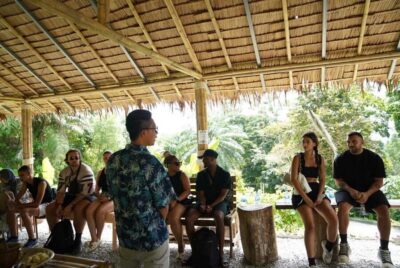
Elephant Sanctuary Guided Tour with Hotel Transfers
Read our review →
Browse the lists this tour appears in