
Reviewed · ELEPHANT TOURS
Samui:Elephant Jungle experience & The First Elephant Museum
Elephants deserve more than a photo prop. Samui Elephant Home combines a thoughtful museum visit with time watching rescued elephants roam in the jungle, and I like its hands-off approach and the practical seed-bomb conservation activity. The main drawback is time: at three hours, the museum and briefing can feel long if you mainly want to watch elephants outdoors.
This is a $64 experience with hotel pickup around Koh Samui, an English-speaking guide, insurance, and a welcome drink included. Guides such as Angie, Katy, Kathy, Noot, and Katie have earned warm praise for their care and clear explanations. I also like that the program explains why it avoids mud bathing, an activity that can put elephants and people in unsafe situations.
In This Review
- Key points at a glance
- Why this Samui elephant experience feels different
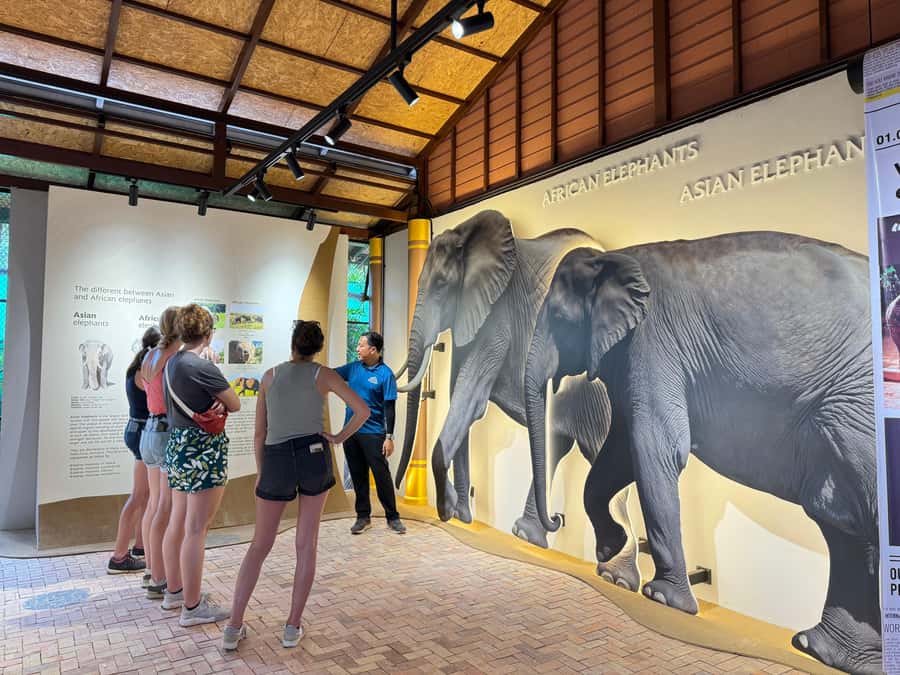
- The Elephant Museum puts Thai culture first
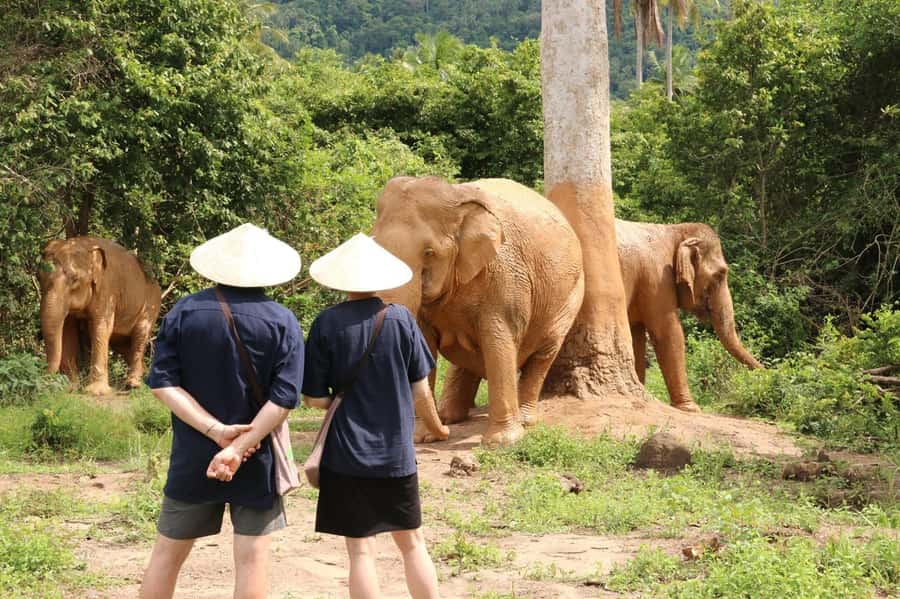
- Watching elephants roam in the jungle
- Food demonstrations explain everyday elephant care
- Cooling down without forcing the elephants
- Making seed bombs for the forest
- What the $64 price includes
- Pickup, timing, and comfort tips
- Who should book this experience?
- Should you book Samui Elephant Jungle?
- FAQ
- How long does the Samui Elephant Jungle experience last?
- What is included in the price?
- Is hotel pickup included?
- What language is the tour conducted in?
- Can I feed or touch the elephants?
- Does the experience include mud bathing with elephants?
- What should I bring?
- Can I cancel or pay later?
Key points at a glance
- The first Elephant Museum on Samui: Learn about Thai elephant heritage, spirituality, work, and daily life through displays and storytelling.
- Nine rescued elephants: The group includes eight adult females and one young male, with time to observe their different personalities and social bonds.
- Natural cooling, not forced bathing: See how shade, water, and calm routines help elephants manage Koh Samui’s heat.
- Seed bombs for future food: Make clay balls packed with native plant seeds, then launch them into the forest with a traditional slingshot.
- Small-group feel: One group had only four people, making it easier to ask questions and follow the guide’s explanations.
- Responsible contact: Feeding may be included, but touching is limited and the elephants’ choices come first.
Why this Samui elephant experience feels different
Koh Samui has no shortage of animal attractions, so the ethical details matter. Samui Elephant Home presents itself as a place where rescued elephants can live under care without performances, rides, or forced bathing. The program focuses on watching, learning, and supporting the animals’ needs.
You are not simply brought to a pen, handed bananas, and sent home. The visit begins with the story of elephants in Thailand, then moves into food, health, conservation, and natural behavior. That order is useful because it gives context before you meet the animals.
The center cares for nine rescued elephants, including eight adult females and one baby male. The young elephant is often the lively character of the group, but the older elephants carry the emotional weight of the visit. Their past lives are discussed as part of the rescue story, without turning the animals’ suffering into a show.
I appreciate the mostly hands-off policy. Some people may hope to pet an elephant for a long time, but limited contact is a positive sign. Elephants are large, powerful animals, not oversized domestic pets. Keeping a respectful distance lets you see more natural behavior and reduces pressure on the animals.
More Elephant Tours in Koh Samui
- Koh Samui: Elephant Sanctuary Entry and Feeding Experience
★ 4.7 · 1,446 reviews - Koh Samui: Elephant Sanctuary and Jungle Tour with Lunch
★ 4.7 · 1,328 reviews - Samui: Elephant Nutrition and Care Education Experience
★ 4.9 · 1,223 reviews
The Elephant Museum puts Thai culture first
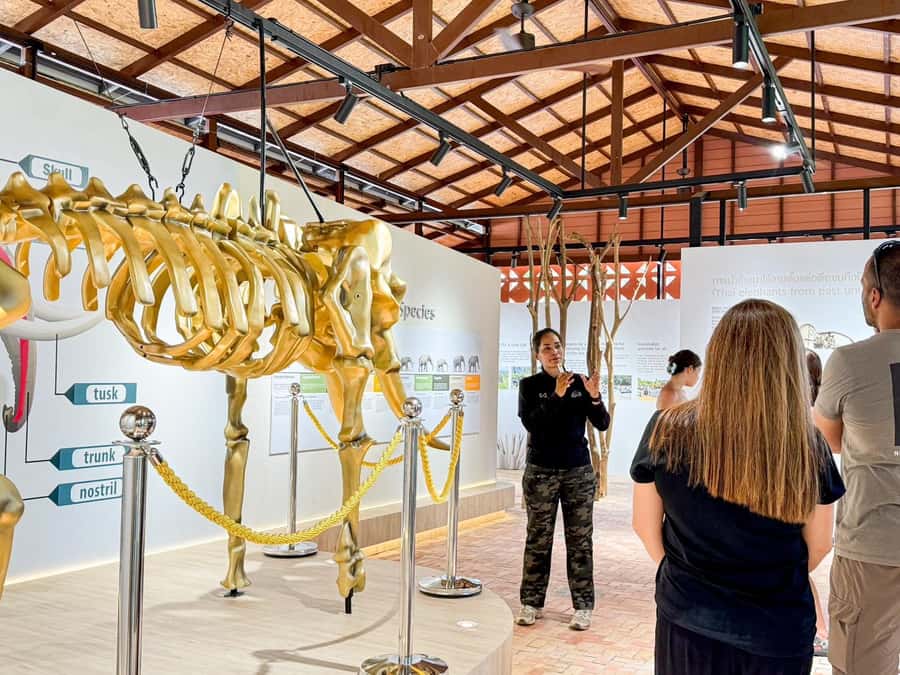
The museum and introductory session take about an hour. You will receive a safety briefing, meet your guide, and learn how elephants have shaped Thai culture and daily life.
Displays cover the bond between Thai people and elephants, including their role in heritage and spirituality. The museum also helps explain the difficult shift from elephants being used in traditional work to the modern need for rescue and long-term care.
This part is more than a waiting room before the jungle. It gives you a better way to read what you see later. When an elephant pauses, forages, rests, or moves away, you will have a basic understanding of why natural choice matters.
Guides are a major part of the experience. Angie is praised for her passion, clear English, and kindness. She even helped when one visitor felt unwell in the heat, providing fans and extra water without being asked. Kathy has been singled out for her detailed museum explanations, while Noot and Katie also receive warm praise for their friendly guidance.
The museum is well maintained, clean, and green, with a home-like feel according to the available feedback. That setting matters in the heat of Koh Samui. You get a shaded place to begin, rather than being thrown straight into a hot outdoor walk.
Still, this section will not suit everyone equally. One person felt the program should spend less time in the classroom and museum and more time outside observing the elephants. If your priority is jungle viewing, keep that tradeoff in mind.
Watching elephants roam in the jungle
After the museum, the program shifts outdoors for about an hour and a half. You walk through the forest and watch the elephants forage, explore, and move around at their own pace.
The key phrase is observe at a respectful distance. This is not a staged performance. You might see an elephant feeding, resting, following another animal, or simply choosing where to stand. The exact viewing experience can change because the elephants are not expected to perform on schedule.
That unpredictability is part of the value. A controlled show guarantees a particular photo, but it tells you little about elephant behavior. Here, the guide can explain personalities, social connections, and signs of comfort or stress while you watch.
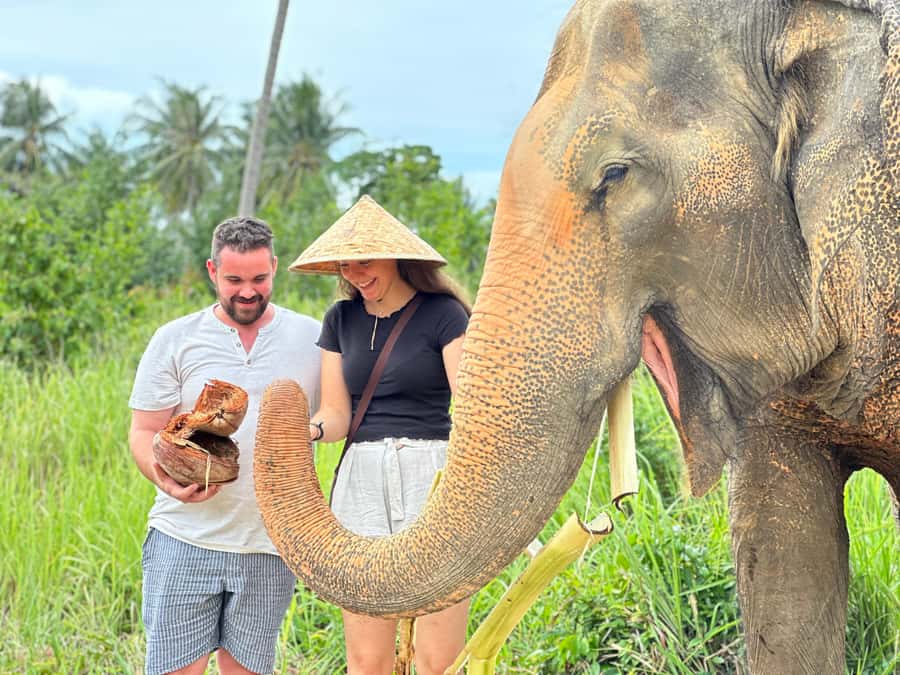
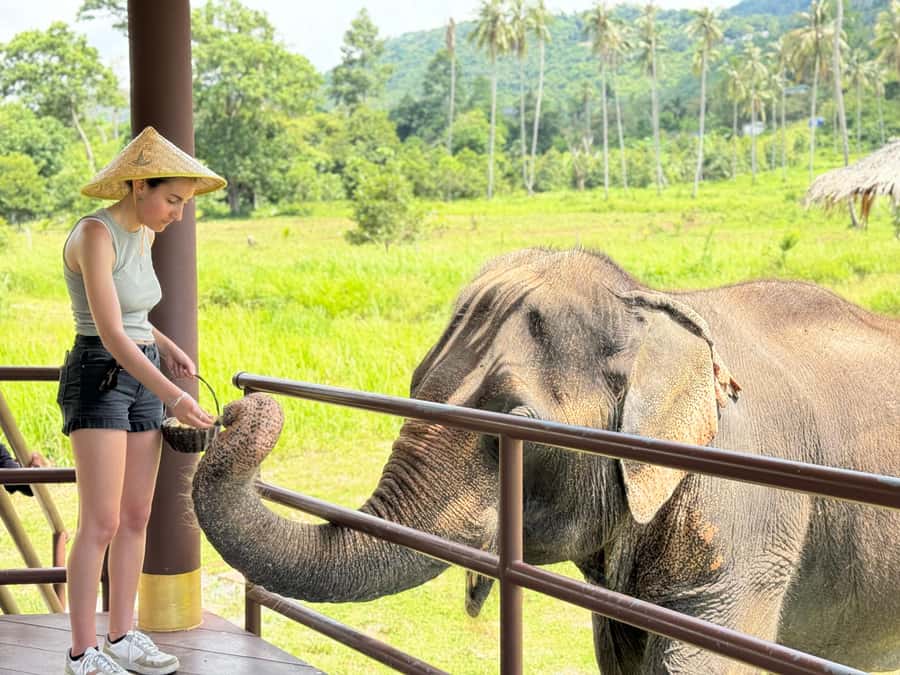
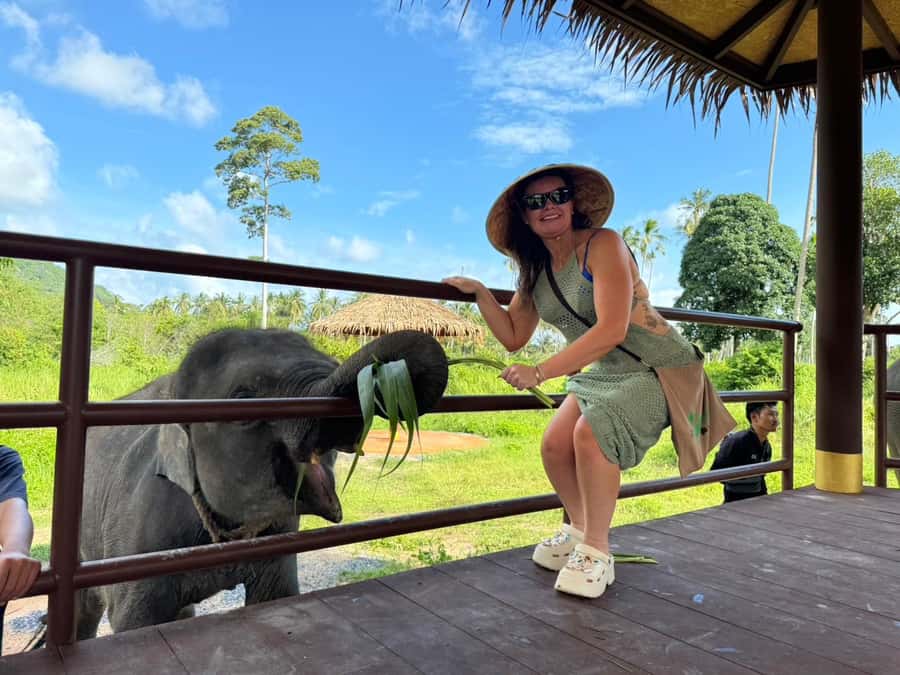
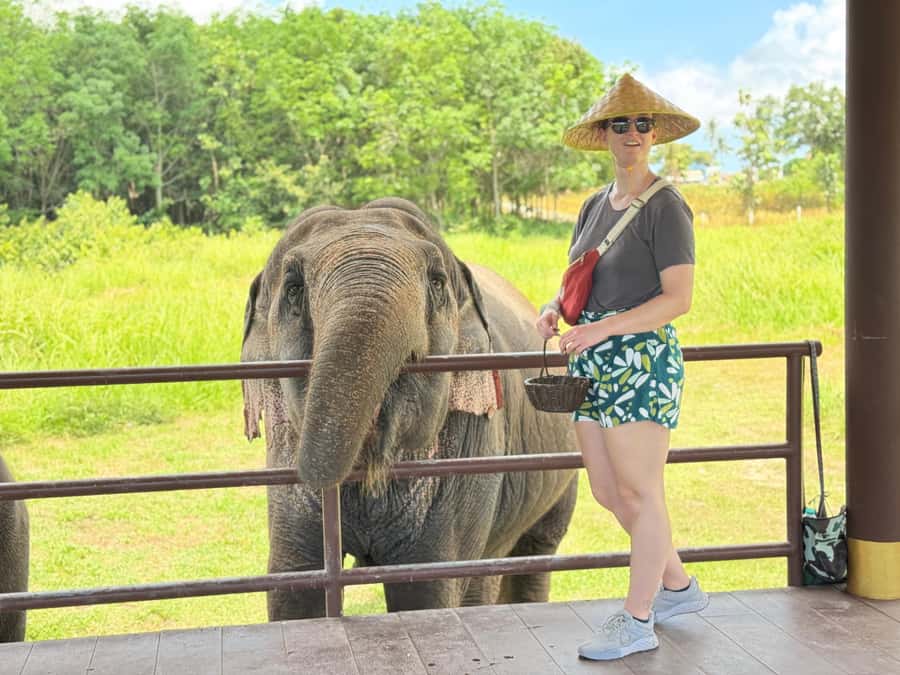
Some activities allow you to offer food such as bananas, sugarcane, or other prepared treats. The contact is brief, and touching is limited. One person specifically appreciated being able to feed the elephants without a lot of handling. That balance is worth noting if you want a close encounter without supporting constant physical contact.
The grounds around the museum and camp are described as clean and carefully maintained. From there, the route leads into an open area where the elephants can safely roam. You should wear shoes suitable for walking and forest paths, rather than sandals you would not want exposed to mud, dust, or uneven ground.
The tropical heat is a real part of the outing. Bring a hat, sunscreen, and insect repellent. Water and shade are important, so pace yourself and tell your guide if you feel tired. This is one reason the program’s calmer rhythm works better than a packed schedule of animal activities.
Food demonstrations explain everyday elephant care
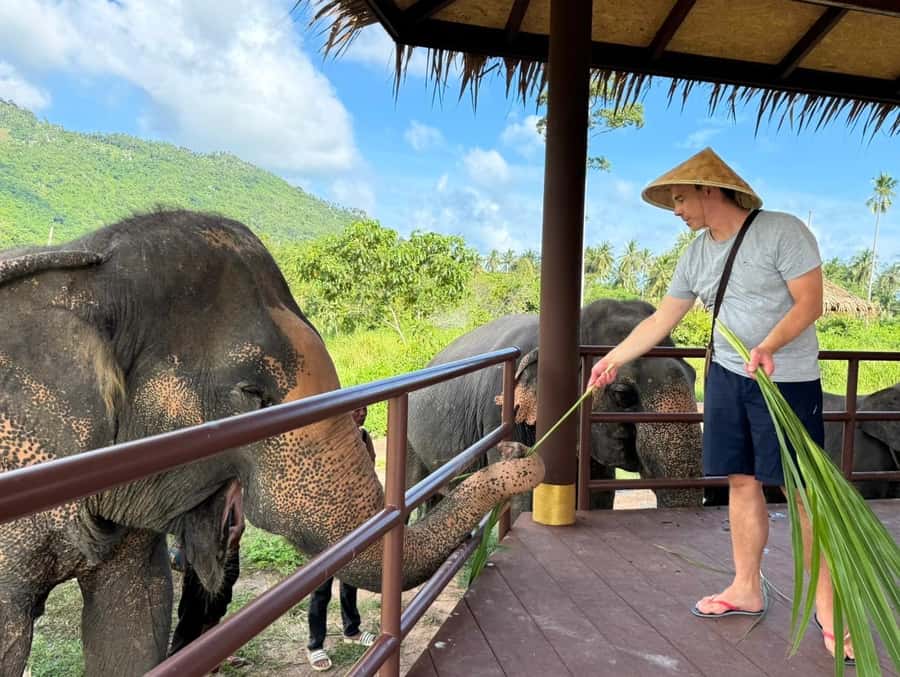
The nutrition section gives you a practical look at what happens behind the scenes. Mahouts demonstrate how organic food is prepared, while the guide explains dietary needs, health concerns, and how food supports elephants at different stages of life.
This is a useful part of the visit because feeding an elephant is easy to enjoy but harder to understand. A large animal needs more than a basket of fruit from tourists. The demonstration connects each treat to a wider routine of care.
You may be able to feed the elephants, but the program puts welfare before photo opportunities. Staff decide how food is offered and how close you should stand. Follow those instructions carefully, especially around a young elephant that may be curious and playful.
The stories about individual elephants help turn a short visit into something more personal. Som Boon, in particular, made a strong impression through her rescue story. You learn that the animals are not interchangeable attractions, each has a past, a temperament, and different needs.
The program also explains why it does not offer mud bathing. That may disappoint anyone searching for the classic elephant sanctuary picture, but it is a reassuring choice. Mud bathing can be dangerous when elephants are encouraged to interact closely with people, and skipping it supports the center’s stated priority of safety.
More Jungle Tours in Koh Samui
- Koh Samui: Mr.Ung’s 4WD Wild Jungle Safari Tour with Lunch
★ 4.7 · 2,956 reviews - Samui Zipline FLY & Fun Tree Bridge Jungle Cafe & Waterfall
★ 4.8 · 686 reviews - Koh Samui Jungle Safari By JEEP With MR.UNG (Including Lunch)
★ 4.5 · 497 reviews - 6 Hours Elephant Care and Jungle Tour by 4WD in Koh Samui
★ 5.0 · 400 reviews
Cooling down without forcing the elephants
Near the end of the visit, you observe how the mahouts help the elephants cool down after their jungle walk. The method is quiet and simple: shade, water, and a calm routine.
This is one of the more revealing moments because it shows care without turning care into entertainment. You are not watching an elephant splash on command. Instead, you see how staff support comfort while allowing the animal to decide how to respond.
Koh Samui’s tropical conditions make heat management important. A good sanctuary must plan around the climate, not merely take visitors outside and hope for the best. The guide explains how elephants cool themselves naturally and why a relaxed setting matters.
You should not expect every elephant to walk directly toward you or pose for a picture. That is a feature, not a fault. The best photographs may come from watching quietly, keeping space, and accepting that the elephant controls the moment.
Making seed bombs for the forest
The seed-bomb activity is the tour’s most unusual hands-on feature. You use clay and native plant seeds to make small balls, then launch them into the forest with a traditional slingshot.
The goal is practical. New plants can help restore forest areas and create future food sources for the elephants. It is a modest activity, but it links your visit to the sanctuary’s longer-term needs instead of ending when the final photograph is taken.
It is also fun. The slingshot adds a playful touch without asking you to handle the elephants. Families and older children may especially enjoy this part, though the activity remains meaningful for adults who want a clear conservation connection.
You may see the activity described with pumpkin or other food seeds. The exact selection can vary, but the idea stays the same: help grow plants that support the elephants’ home. Do not expect to see an instant result. This is about contributing to future habitat, not producing a dramatic moment on the spot.
What the $64 price includes
At $64 per person, the experience is not the cheapest way to see elephants on Koh Samui. But the price covers roughly three hours, roundtrip hotel transfer around Samui, full insurance, a welcome drink, the museum tour, guided jungle viewing, and the seed-bomb activity.
That package saves you from arranging transport and gives the visit a clear educational structure. You are paying not only for time near elephants, but also for staff, animal care, interpretation, safety, and conservation work.
Value depends on what you want. If you only want a quick elephant photograph, this may feel expensive and too slow. If you want a responsible sanctuary visit with cultural background and a guide who can answer questions, the cost is easier to justify.
The small-group feel can improve the value. One group had only four people, which allowed a more personal experience. Group size may vary, so do not assume every departure will be that small, but the format appears suited to conversation rather than a loud mass outing.
Pickup, timing, and comfort tips
The total program lasts three hours, with pickup and return around Koh Samui. You are asked to wait in your hotel lobby about 15 minutes around the pickup time, while the company confirms the details by email.
Wear comfortable shoes made for walking. A hat, sunscreen, camera, and insect repellent are useful, and alcohol and drugs are not allowed. Keep your camera ready, but never move closer or use it in a way that disturbs the elephants.
The program is listed as wheelchair accessible. Since the visit includes walking and hiking in a jungle setting, anyone with mobility concerns should confirm the practical route with the provider before booking.
The activity is conducted in English. That matters because much of its value comes from explanation: Thai elephant heritage, nutrition, rescue stories, and behavior. If you understand English well, you will get far more from the museum and outdoor walk.
Free cancellation is available up to 24 hours before the activity for a full refund. You can also reserve now and pay later, which is handy when your island plans are still shifting.
Who should book this experience?
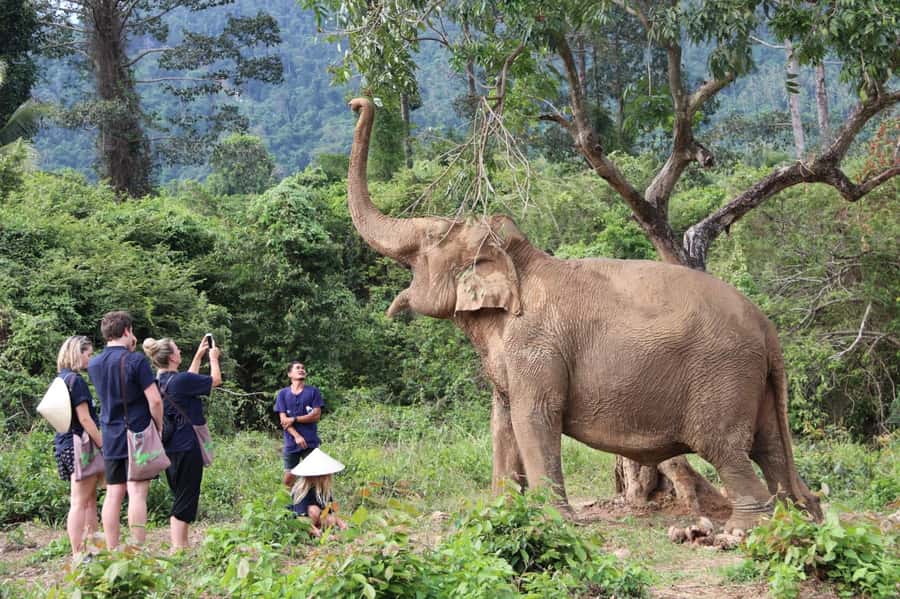
I would recommend it to you if you want an ethical elephant encounter built around observation and learning. It suits couples, families with older children, solo visitors, and anyone who wants to support conservation without rides or forced bathing.
It is also a good choice if you care about Thai culture as well as wildlife. The museum gives the visit a local setting, rather than treating elephants as a generic tourist attraction.
You may want another option if your main goal is extended time in the field. The program includes a museum and classroom component, and one person wanted less indoor time and more elephant observation. You should also reconsider if you expect unlimited feeding or petting. The animals’ welfare comes first, so contact is controlled.
The 4.9 rating from 226 reviews reflects the strongest parts of the visit: caring staff, clear explanations, clean grounds, and elephants that appear calm and well supported. The frequent praise for Angie, Kathy, Noot, Katy, and Katie also shows how much the guide shapes the day.
Should you book Samui Elephant Jungle?
Yes, if you want a responsible, educational visit rather than a quick animal photo stop. The museum, rescued elephants, nutrition lesson, natural cooling routine, and seed bombs make this a well-rounded three-hour program.
Book it with realistic expectations. You may feed an elephant, but you will not control the encounter. You may get close, but you should keep respectful space. And you will spend meaningful time indoors before heading into the forest.
For $64, I think the experience offers good value for visitors who want their money to support animal care and habitat work. Bring sun protection, comfortable shoes, patience, and curiosity. Let the elephants set the pace.
FAQ
How long does the Samui Elephant Jungle experience last?
The experience lasts three hours, including the museum visit, guided outdoor program, and return transfer arrangements around Koh Samui.
What is included in the price?
The price includes roundtrip hotel transfer around Samui, full insurance, a welcome drink, a guided Elephant Museum tour, a walk with elephants in their natural habitat, and the seed-bomb activity.
Is hotel pickup included?
Yes. Pickup is included from hotels around Koh Samui. You are asked to wait in the hotel lobby for about 15 minutes around the stated pickup time.
What language is the tour conducted in?
The live guided tour is conducted in English.
Can I feed or touch the elephants?
You may have the opportunity to feed the elephants, including treats such as bananas or sugarcane. Touching is limited, and the program asks you to respect the elephants’ space and choices.
Does the experience include mud bathing with elephants?
No. The program does not include mud bathing. The experience explains elephant care and cooling through shade, water, and calm routines instead.
What should I bring?
Bring comfortable walking shoes, a hat, sunscreen, insect repellent, and a camera for personal use.
Can I cancel or pay later?
You can cancel up to 24 hours in advance for a full refund. Reserve now and pay later is also available.
More Museums
- Koh Samui Elephant Home Sanctuary and the first Elephant Museum
★ 5.0 · 56 reviews - Samut Prakan: The Erawan Museum Admission Ticket (NON THAI)
★ 4.8 · 89 reviews - Chiang Mai: Art in Paradise Illusion Museum Entry Ticket
★ 4.4 · 82 reviews - Skip the Line: Patpong Museum Guided Tour
★ 5.0 · 80 reviews
Just added around Koh Samui
- MuayThai Advanced class★ 5.0 · 17 reviews
- X Quad Beginner Waterfall ATV Tour (1 Driver)★ 5.0 · 17 reviews
- Koh Tao & Koh Nangyuan Snorkeling Trip By Speedboat From Koh Phangan★ 3.5 · 18 reviews
- Ko Tao: Morning Trip to Ko Nangyuan’s Serene Oasis by Oxygen★ 4.9 · 18 reviews
- 2 Hour ATV Jungle Tour In Koh Samui★ 4.5 · 19 reviews
- X Quad Beginner Waterfall ATV Tour (Driver+Passenger)★ 5.0 · 19 reviews
- From Koh Samui: Koh Tao & Koh Nang Yuan Snorkeling (by Speedboat)★ 4.0 · 20 reviews
- Zipline in Koh Samui Adventure activity tour★ 5.0 · 20 reviews
Elephant Tours, compared.

Elephant Sanctuary, Waterfall & Bamboo Rafting
Read our review →

Elephant Sanctuary Feeding Program Half-Day Tour
Read our review →
Elephant Jungle Sanctuary Ethical Feeding Experience
Read our review →
Elephant Sanctuary, Long Neck & Sticky Waterfall
Read our review →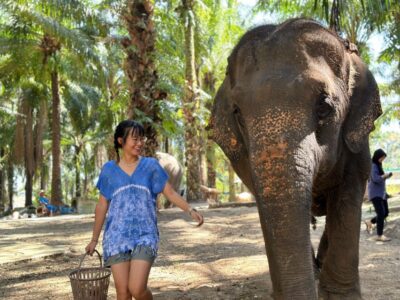
Elephant Bathing Session at Krabi Elephant Shelter
Read our review →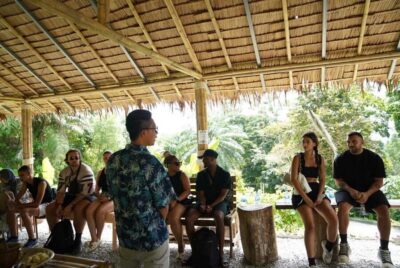
Elephant Sanctuary Guided Tour with Hotel Transfers
Read our review →
Browse the lists this tour appears in