
Reviewed · MUSEUMS
Chiang Mai: Museum of Broken Relationships Entry Ticket
Love leaves strange souvenirs. Chiang Mai’s Museum of Broken Relationships turns those souvenirs into a thoughtful visit, with objects donated from around the world and paired with anonymous personal stories. I like the honest human focus and the freedom to visit at your own pace. The main consideration is emotional: some stories may feel sad or personal rather than lighthearted.
I also like the low $6 price and the late closing time, which make this an easy stop after sightseeing in Chiang Mai. Captions appear in Thai and English, but the museum is not suitable for wheelchair users, and food, drinks, and flashlights are not allowed inside.
In This Review
- Key points to know before you go
- Entering Chiang Mai’s Museum of Broken Relationships
- From Zagreb to a Chiang Mai address
- What the visit feels like inside
- The collection, one object and story at a time
- Thai and English captions make the stories accessible
- How long to allow, and when to visit
- Is the $6 ticket good value?
- Practical limits and small rules
- Who will enjoy this museum most?
- Should you book the Museum of Broken Relationships?
- FAQ
- Where is the Museum of Broken Relationships in Chiang Mai?
- How much does entry cost?
- How long is the ticket valid?
- What are the museum’s opening hours?
- Are captions available in English?
- Is a guided tour included?
- Is transportation included?
- Can I bring food or drinks inside?
- Can wheelchair users visit the museum?
- Can I cancel my booking for a refund?
Key points to know before you go
- Objects carry the stories: Each donated item represents the end of a relationship, with its former owner’s story providing the only text.
- The museum began in Zagreb: Two artists started the project in 2006 as a way to honor a relationship after it ended.
- The Chiang Mai branch is in Yong Chiang Building: You’ll find it at 2-4 Wichayanon Road in the Chang Moi area.
- English and Thai captions help: You can read the museum’s stories in both languages.
- Late hours suit flexible plans: The museum opens daily from 10:00 am to 10:00 pm, with last entry at 9:30 pm.
- The ticket costs $6: That is a reasonable price for an unusual cultural stop, especially if you want something beyond temples and markets.
Entering Chiang Mai’s Museum of Broken Relationships
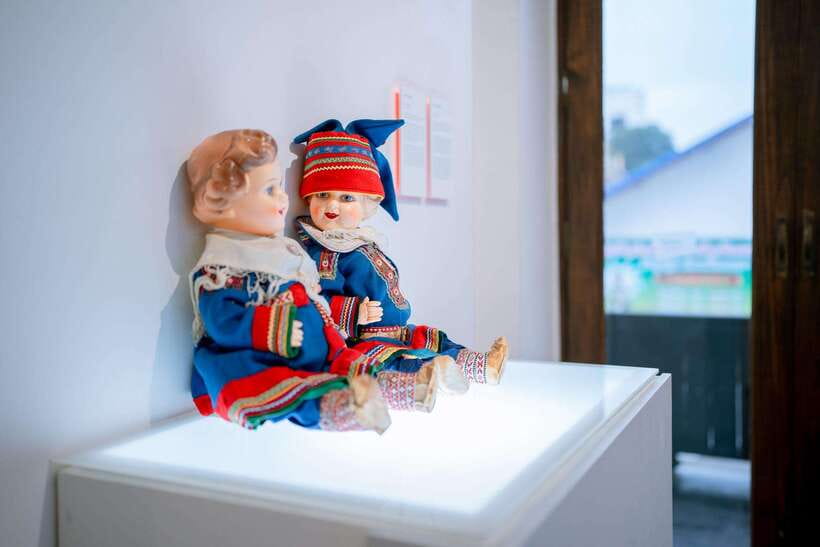
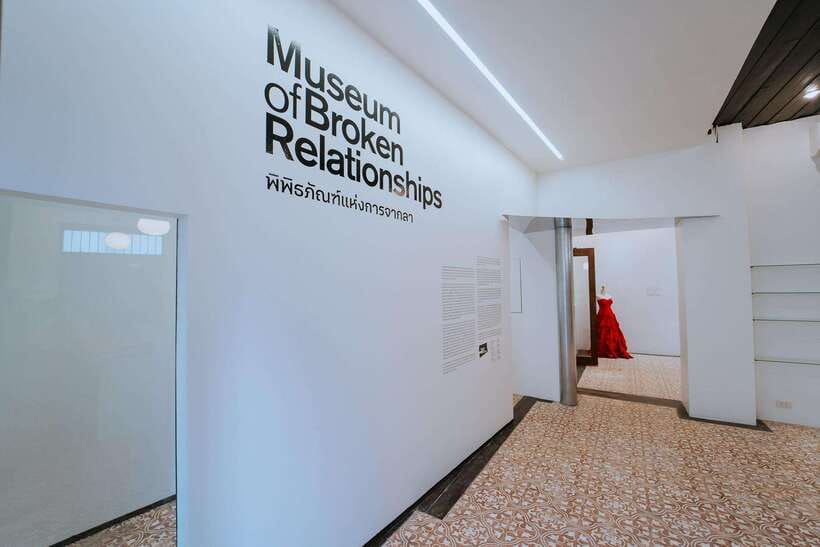
The Museum of Broken Relationships is not a conventional museum of paintings, royal objects, or archaeological finds. Its collection is made up of personal belongings donated by people from many parts of the world. Each object marks the end of a relationship.
That simple idea gives the visit its force. A familiar object can become surprising when you learn what it meant to someone else. The museum does not identify the donors. Instead, the object and its short personal account carry the visit.
I like this anonymous format because it keeps the focus on shared human feelings rather than famous names. You are not looking at the belongings of celebrities or historical figures. You are looking at ordinary things that became important because of love, separation, memory, or loss.
The museum’s tone is personal, but it is not limited to romantic breakups. The supplied description refers to relationships broadly, so the collection can speak to different forms of attachment and separation. You may find that one story feels funny, another uncomfortable, and another unexpectedly familiar.
This is best approached slowly. You do not need a full day to see the displays, but the ticket is valid for one day, giving you flexibility with your Chiang Mai schedule. Read the captions that catch your attention, pause when a story needs a moment, and do not feel you must rush through every object.
More Museums in Chiang Mai:
- Chiang Mai: Art in Paradise Illusion Museum Entry Ticket
★ 4.4 · 82 reviews - Chiang Mai to White & Blue Temple, Black Museum & Golden Triangle
★ 4.0 · 52 reviews - Art in Paradise: Chiang Mai 3D Art Museum Experience
★ 4.5 · 28 reviews
From Zagreb to a Chiang Mai address
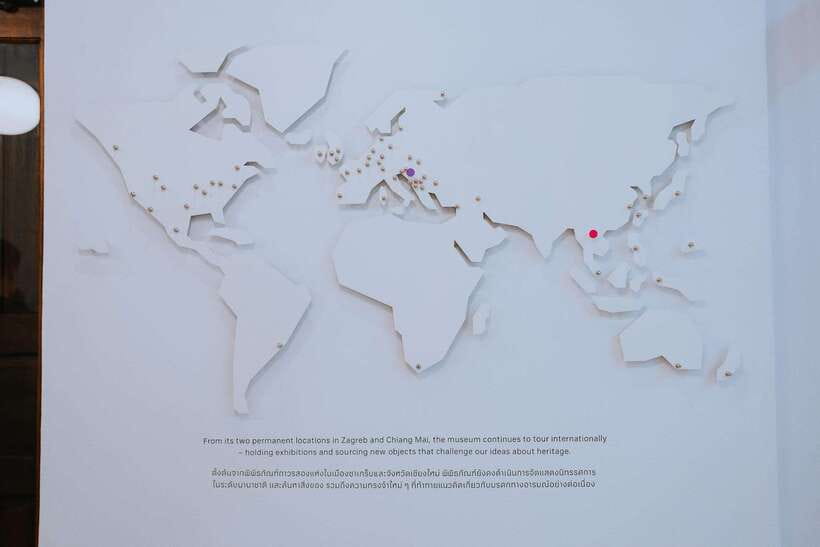
The museum began in Zagreb, Croatia, in 2006. Two artists were looking for a way to commemorate their relationship after it had ended. Their answer was a collection of objects connected to that relationship and, later, to many other relationships.
The idea traveled well. The museum has held more than sixty traveling exhibitions around the world, showing that the emotional meaning of everyday possessions can cross language and cultural borders.
Chiang Mai is home to the museum’s Asian branch. It occupies the historical Yong Chiang Building at 2-4 Wichayanon Road, in Chang Moi Sub-district. The location puts the museum within your wider exploration of Chiang Mai, rather than sending you far outside the city.
That matters for planning. You can treat the museum as a focused cultural stop during a day in town. You do not need to build an elaborate excursion around it, and the late closing time gives you room to visit in the morning, afternoon, or evening.
The supplied information calls the building an unavoidable sight during exploration of Chiang Mai. I would still check your route and allow time to find the exact entrance, since the ticket does not include transportation.
What the visit feels like inside
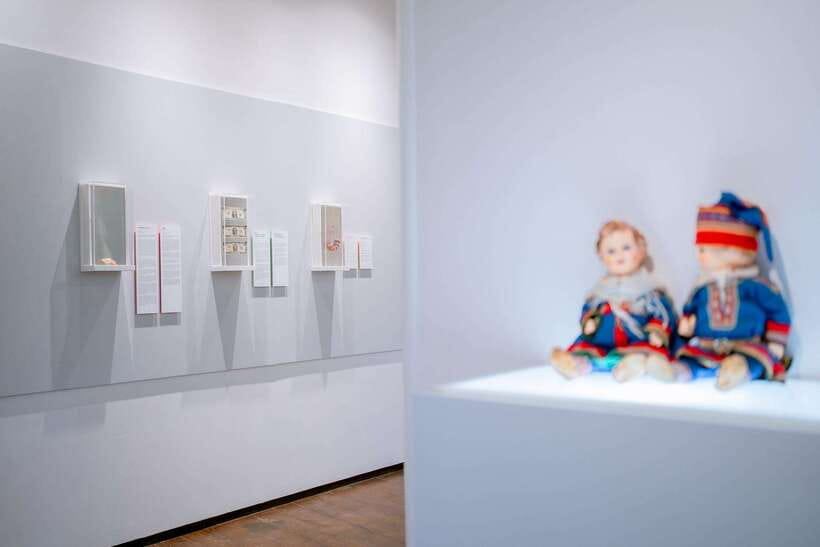
There is no guided tour included. You enter with your ticket and make your own way through the collection. For many people, that independence will be a strength.
A guide can add context, but this museum’s central material is already intimate. You can read each caption privately and decide how much attention to give it. You also avoid being hurried from one display to the next by a fixed group schedule.
The displays use the donated objects as their starting point. The written captions are not long historical panels. They are personal narratives from the former owners, presented anonymously. That choice keeps the visit direct and uncluttered.
I would not plan this as a noisy group activity. If you are visiting with friends, make room for different reactions. One person may want to read everything, while another may prefer a quicker look. Both approaches are reasonable.
The museum’s subject also means that the experience can change with your mood. If you have recently gone through a breakup or another major separation, you may find the collection moving, difficult, or both. If you are in the mood for something playful, some objects and stories may offer that, but the museum is not simply an entertainment venue.
The collection, one object and story at a time
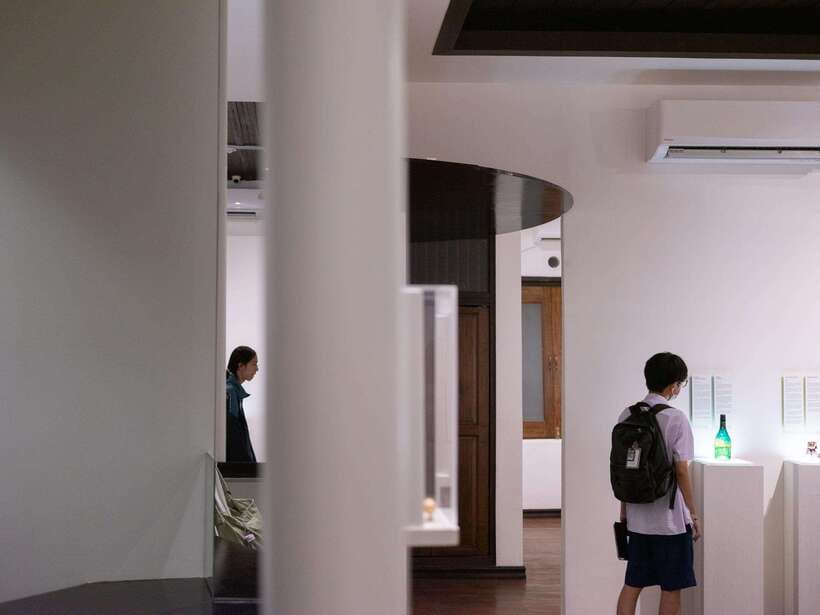
The most important feature is the link between object and narrative. Without the caption, a donated item might look ordinary. With its story, it becomes a record of a relationship and the moment it ended.
This is where the museum offers more than a display of curiosities. It asks you to consider why people keep certain objects, why they give them away, and how physical things can hold memories long after the relationship itself has changed.
The collection is described as ever-evolving. New donations can change the balance of stories over time, so the visit is not meant to present a fixed historical exhibit. That gives the museum a living quality, though it also means you should not expect a permanent checklist of famous objects.
The stories are anonymous, which protects the former owners while making the experience more universal. You are not expected to know who donated something or what happened afterward. The ending is often the point.
I find that approach useful for visitors who want a cultural experience with emotional substance. It is also a good reminder that museums do not need ancient artifacts to tell meaningful stories. Here, the evidence is personal rather than archaeological.
A few more tours and experiences worth a look
- Chiangmai: Chiangmai Boxing Stadiums Ticket
★ 4.7 · 1,365 reviews - Chiang Mai: Thapae Boxing Stadium Muay Thai Match Ticket
★ 4.5 · 457 reviews - Chiang Mai Night Safari Ticket & Tram Rides Optional Pickup
★ 3.9 · 99 reviews - Chiang Mai: Grand Canyon Water Park Ticket & Optional Pickup
★ 4.8 · 56 reviews
Thai and English captions make the stories accessible
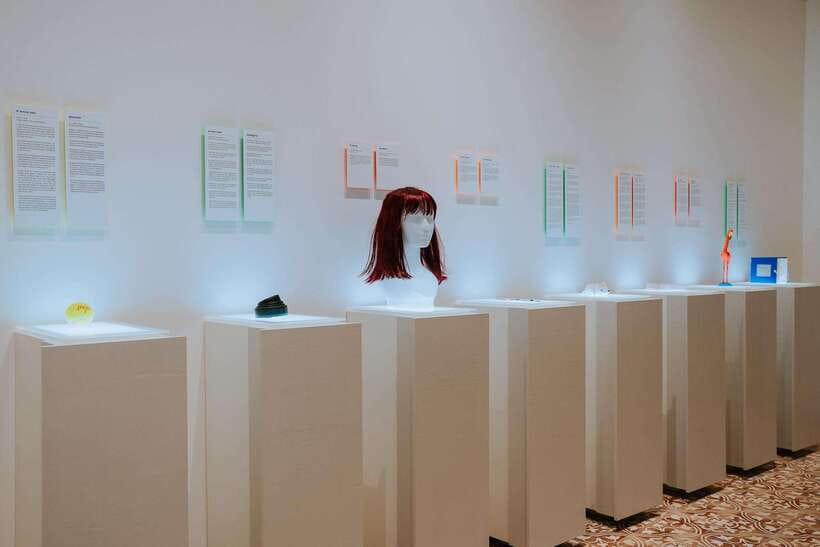
Museum captions are available in Thai and English. That makes a major difference because the written accounts are central to the visit. The object alone cannot explain its emotional weight.
If you read English, you should be able to follow the stories without needing a guide. Thai readers have the same advantage. The bilingual presentation also fits the museum’s international subject, linking local visitors and overseas visitors through the same basic material.
Do not assume that the language options turn the museum into a guided bilingual experience. The included ticket covers entry only. Guided tours are not included, so you will read the captions independently.
The absence of a guide is worth keeping in mind if you prefer detailed explanations about the museum’s creation or the wider cultural meaning of each display. On the other hand, visitors who like quiet, self-directed museums may find the format just right.
How long to allow, and when to visit
The activity is listed as lasting one day because the ticket is valid for one day, not because you must spend an entire day inside. You can check available starting times when booking, then visit during the museum’s opening hours.
The museum is open every day from 10:00 am to 10:00 pm. Last entry is at 9:30 pm. This is one of the ticket’s practical strengths.
A morning visit may suit you if you prefer to read in a calmer part of your sightseeing day. An afternoon stop can break up temple or market visits. The late hours make it possible to go after dinner plans begin, although food and drinks are not allowed inside the museum itself.
Allow enough time to read rather than simply glance at the objects. The exact visit length is not specified, so I would avoid squeezing it into a few spare minutes. The experience depends on the stories, and reading takes longer than walking through a typical photo display.
The museum is closed on New Year’s Day, during the Songkran Festival, and on the substitution day for Songkran. Check the date carefully if you are visiting around those holidays.
Is the $6 ticket good value?
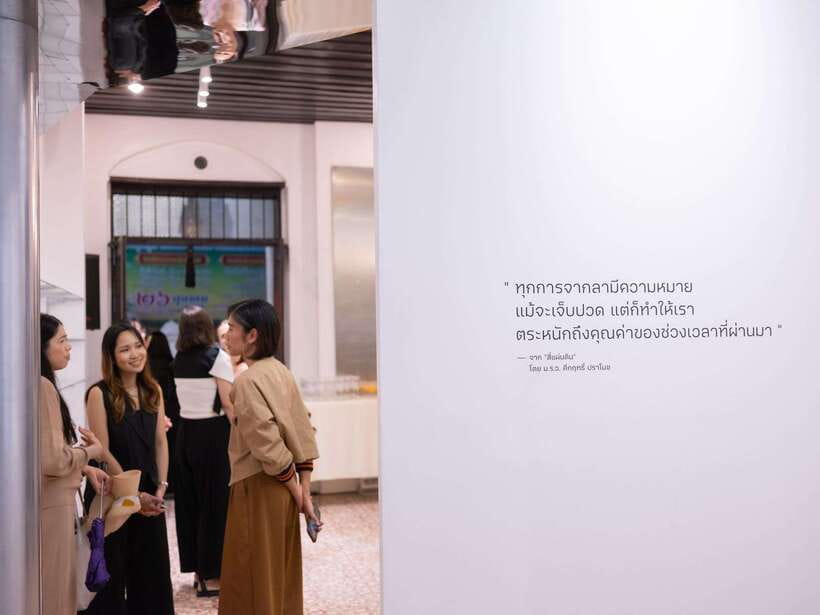
At $6 per person, this is an inexpensive cultural stop by Chiang Mai standards. The value depends less on the number of objects than on how much time you give the stories.
If you want a large attraction with entertainment, activities, and a packed schedule, this ticket may feel modest. The museum offers entry to a focused collection, not transportation, food, a guide, or a full-day program.
For someone interested in art, personal history, emotional storytelling, or unusual museums, the price is easier to justify. You are paying for access to an idea that began with two artists in Zagreb and grew into an international project with more than sixty exhibitions.
The late opening hours add practical value. You can fit the museum around other plans instead of losing a large block of daylight. The ticket also permits flexible planning because reservations can be made with payment later, and cancellation is available up to 24 hours in advance for a full refund.
At this price, I would consider it a good add-on rather than the main reason for a Chiang Mai visit. It works especially well when you want a change from the city’s more familiar cultural attractions.
Practical limits and small rules
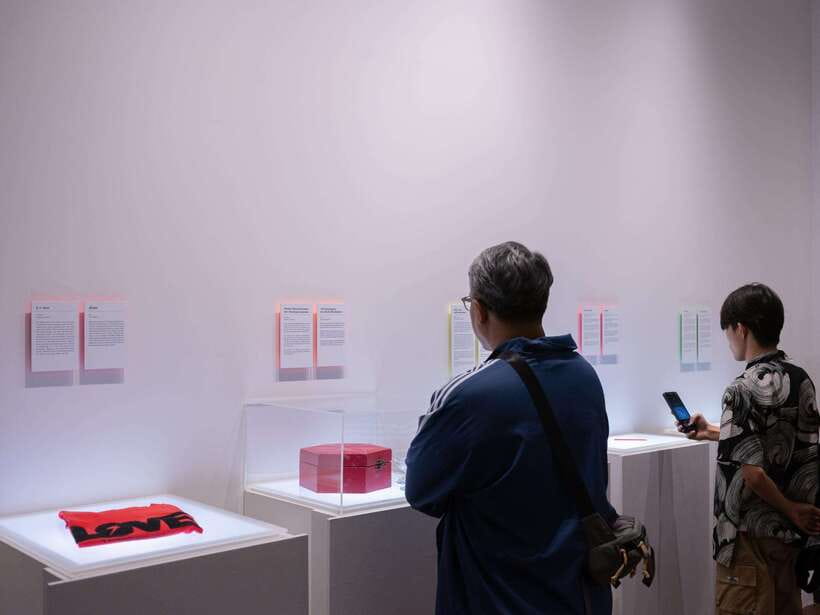
The museum does not include transportation, so you must make your own way to 2-4 Wichayanon Road. The meeting point is in Chang Moi Sub-district, Mueang Chiang Mai District, Chiang Mai Province 50300.
Food and drinks are not allowed inside. Plan to finish snacks and beverages before entering rather than expecting to carry them through the displays.
Flashlights are also not allowed. This may seem like an unusual rule, but it is easy to follow: rely on the museum lighting and leave a flashlight packed away.
The experience is not suitable for wheelchair users. This is the most important access point to consider before booking. If mobility access is essential for your group, contact the provider before paying, since the stated information does not offer an alternative arrangement.
The ticket includes skip-the-ticket-line entry. That can save a little time, particularly if you are fitting the museum between other stops. It does not mean you receive a guided introduction or private access.
Who will enjoy this museum most?
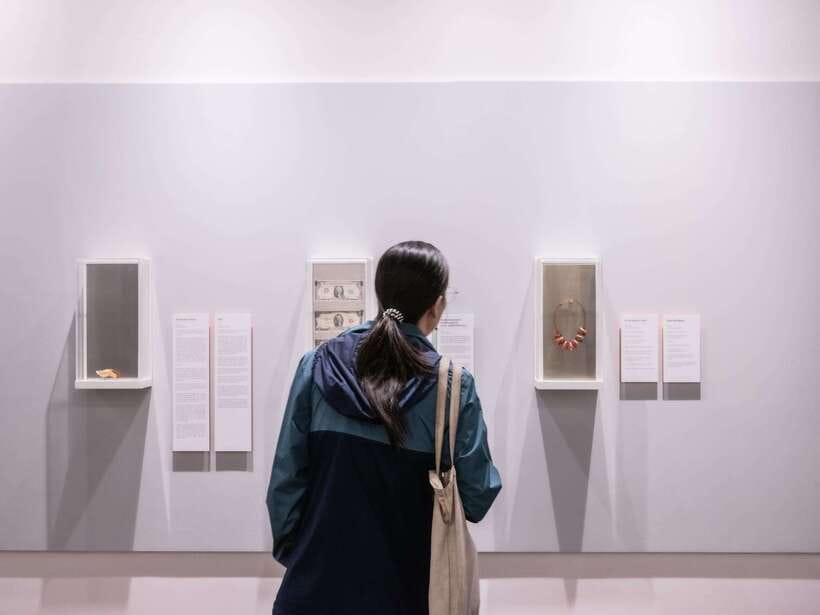
I would recommend the museum to you if you like unusual cultural attractions, short personal accounts, and displays that ask for reflection. It is a good choice for solo visitors who want to set their own pace, couples who are comfortable discussing serious subjects, and friends looking for something different from the standard Chiang Mai route.
It can also suit older children or teenagers, but the subject matter is emotional and the supplied information does not give an age recommendation. Use your judgment based on the young person’s comfort with stories about relationship endings.
You may want to skip it if you are looking only for cheerful entertainment, interactive activities, or a guide-led tour. The museum’s appeal comes from quiet attention, not from a busy program.
I would also think carefully about timing if you are processing a recent loss. The museum may help you feel less alone, but it may also bring difficult feelings closer to the surface. There is no right reaction. That uncertainty is part of the experience.
Should you book the Museum of Broken Relationships?
Book it if you want a low-cost, unusual stop that connects Chiang Mai with a wider international art project. The $6 ticket, English and Thai captions, self-guided format, and late hours make it easy to fit into a city visit.
Skip it if you need wheelchair access, want a guided tour, or prefer attractions with a lighter mood. For everyone else, this is a thoughtful choice for an hour or more of looking, reading, and considering how ordinary objects can carry extraordinary emotional weight.
FAQ
Where is the Museum of Broken Relationships in Chiang Mai?
It is located at 2-4 Wichayanon Road, Chang Moi Sub-district, Mueang Chiang Mai District, Chiang Mai Province 50300.
How much does entry cost?
The entry ticket costs $6 per person.
How long is the ticket valid?
The ticket is valid for one day.
What are the museum’s opening hours?
The museum is open every day from 10:00 am to 10:00 pm. Last entry is at 9:30 pm.
Are captions available in English?
Yes. Museum captions are available in Thai and English.
Is a guided tour included?
No. The ticket includes entry only. Guided tours are not included.
Is transportation included?
No. Transportation to and from the museum is not included.
Can I bring food or drinks inside?
No. Food and drinks are not allowed inside the museum. Flashlights are also not allowed.
Can wheelchair users visit the museum?
The experience is not suitable for wheelchair users.
Can I cancel my booking for a refund?
Yes. You can cancel up to 24 hours in advance for a full refund. You can also reserve now and pay later.
Just added around Chiang Mai
- Chiang Mai: Chiang Rai White, Blue & Black Temples Day Tour★ 4.2 · 16 reviews
- Chiang Mai Adventure ATV Secret Waterfall and Bamboo Rafting★ 5.0 · 16 reviews
- Inthanon Small-Group with Kew Mae Pan Trail from Chiang Mai include Lunch★ 4.5 · 16 reviews
- 2-Day Best of Chiang Rai from Chiang Mai Private Package★ 4.5 · 16 reviews
- Doi Inthanon Discovery Tour: Waterfalls, Villages & Highest Peak★ 3.5 · 16 reviews
- Private-Tour Doi Suthep Temple and Khun Chang Kien Village Half-Day★ 4.5 · 16 reviews
- Chiang Mai Iconic Temples and City Tour★ 4.5 · 17 reviews
- Fantastic! Famous Doi Inthanon National park tour with 2hr trekking★ 4.5 · 17 reviews
Museums, compared.
Samui:Elephant Jungle experience & The First Elephant Museum
Read our review →
Samut Prakan: The Erawan Museum Admission Ticket (NON THAI)
Read our review →

Samut Prakan Ancient City and Erawan Museum Ticket
Read our review →
Koh Samui Elephant Home Sanctuary and the first Elephant Museum
Read our review →
Chiang Mai to White & Blue Temple, Black Museum & Golden Triangle
Read our review →Browse the lists this tour appears in