
Reviewed · ELEPHANT TOURS
From Chiang Mai: Kerchor Eco Elephant Park Tour
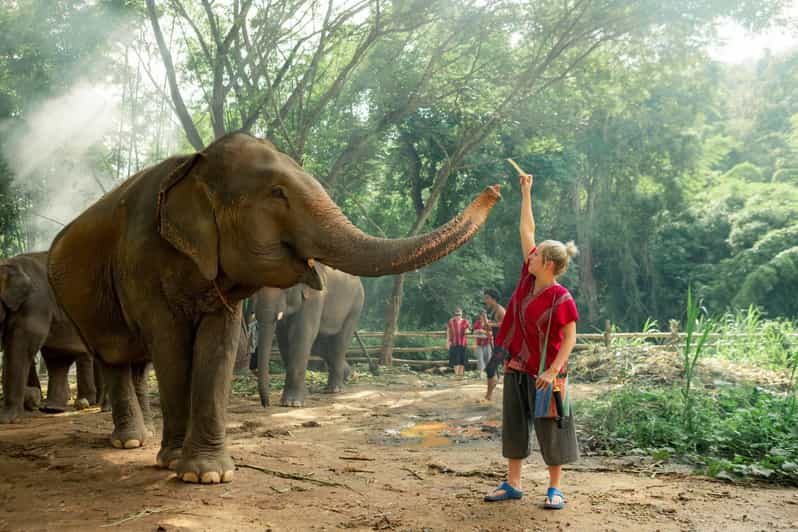
Elephants set the pace here. The Kerchor Eco Elephant Park tour gives you a close look at daily elephant care, with time to feed the animals, walk beside them, watch them play in mud, and bathe one in a flowing stream. I especially like the small-group feel described by many visitors and the chance to learn from guides such as F, Fa, Fai, and NamNam. The main drawback is the long road journey, plus a lunch that can feel plain for the $48 price.
You get about two and a half hours at the park and roughly three hours in the van, making this a full half-day outing rather than a quick animal encounter. Pack clothes that can get wet and dirty, and leave room in your schedule after the tour because pickup or the return drive may run late.
In This Review
- Key points to know before booking
- The road from Chiang Mai to Kerchor
- Starting with the park’s elephant-care talk
- Feeding baby elephants and preparing snacks
- Walking with elephants through the park
- Mud, water, and the elephant bath
- Thai lunch in a quiet park setting
- What the $48 price really covers
- Guides, photos, and the human side of the visit
- What to pack and what to leave behind
- Who will enjoy this half-day experience
- Should you book Kerchor Eco Elephant Park?
- FAQ
- How long does the Kerchor Eco Elephant Park tour last?
- What activities are included with the elephants?
- Is lunch included?
- What should I bring?
- Are activity shirts provided?
- Is hotel pickup included?
- Is the tour wheelchair accessible?
- What languages are available?
- Can I cancel the booking?
- Can I reserve now and pay later?
Key points to know before booking
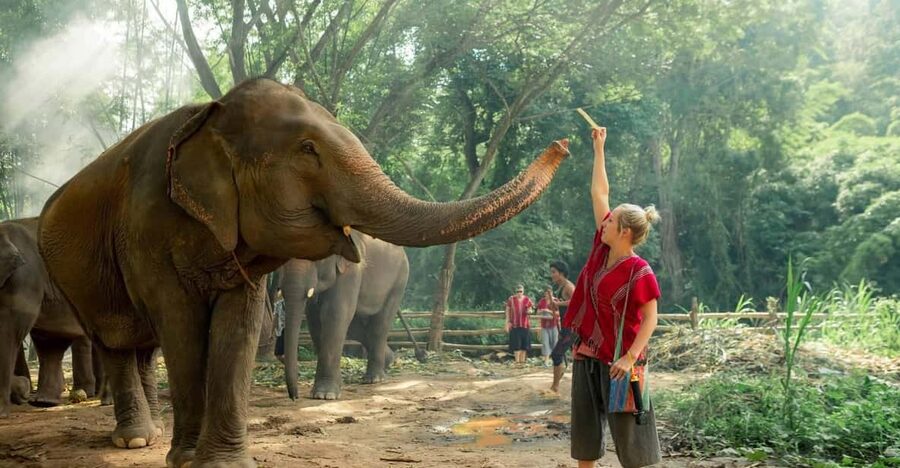
- Baby elephants and close contact: You can feed young elephants, take photos, and walk near the animals under staff direction.
- Mud and river bathing: The active part of the visit includes watching elephants play in muddy water and bathing one in a stream.
- Karen cultural setting: Guides explain the elephants’ connection with local Karen communities and share information about park life.
- Two and a half hours at the park: This shorter format suits you if you want meaningful contact without committing to a full-day program.
- $48 includes the essentials: Round-trip transport, food for the elephants, activity shirts, lunch, and drinks are covered.
- Bring a change of clothes: A towel, sandals, sunscreen, biodegradable insect repellent, and quick-dry clothing will make the day easier.
The road from Chiang Mai to Kerchor
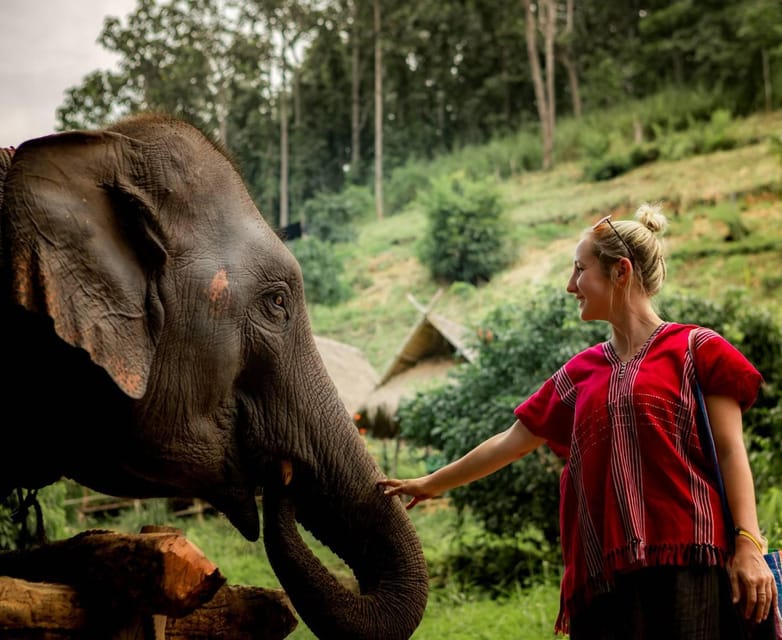
Your day begins with pickup in Chiang Mai, followed by a van ride of about one and a half hours each way. That is a sizeable part of the six-hour schedule, but it takes you away from the city and into a quieter setting where the park activities can happen around the elephants’ own routine.
The drive is not described as smooth by everyone. Some people found it bumpy, and a few felt the driver went too fast or drove aggressively. Pickup can also be about 30 minutes late, so I would not schedule a flight, train, cooking class, or important dinner immediately after returning to Chiang Mai.
Hotel pickup is included only within the stated service area. If your hotel is outside it, you need to reach the meeting point at the Tha Phae branch of McDonald’s yourself. Confirm that detail before paying, especially if you are staying far from the Old City.
The ride is a practical trade-off. You spend three hours on transport, but the price includes both directions and saves you from arranging a private car to a rural park. If you are prone to motion sickness, sit where the ride feels calmest and bring water. The park provides drinks later, including water, coffee, tea, and soft drinks.
More Elephant Tours in Chiang Mai
- Chiang Mai: Elephant Sanctuary, Waterfall & Bamboo Rafting
★ 4.9 · 9,160 reviews - Chiang Mai: Elephant Sanctuary & Waterfall Group Tour
★ 4.9 · 5,780 reviews - Chiang Mai: Elephant Sanctuary Feeding Program Half-Day Tour
★ 4.8 · 4,527 reviews
Starting with the park’s elephant-care talk
On arrival, the visit begins with an explanation of how Kerchor cares for its elephants and works to keep the park eco-friendly. This briefing matters because it gives the animal contact some context. You learn how to approach the elephants, what not to do, and why the staff manage interaction instead of treating the animals like photo props.
The information can be especially useful if you have never been around elephants. Guides explain elephant health and behavior, and a veterinarian has been available to answer questions about the animals’ condition. NamNam has also explained Karen culture and local traditions, adding a human side to the visit beyond feeding and bathing.
I would pay close attention here. The talk helps you understand the difference between standing near an elephant and taking part in a controlled care routine. The rules are simple: do not make loud noise, do not make a fire, and do not bring pets.
The park is described as an open setting where elephants can roam without barriers in some areas. That can make the encounter feel more natural, but it also means you need to follow staff instructions carefully. The animals are large, powerful, and unpredictable even when they appear gentle.
Feeding baby elephants and preparing snacks
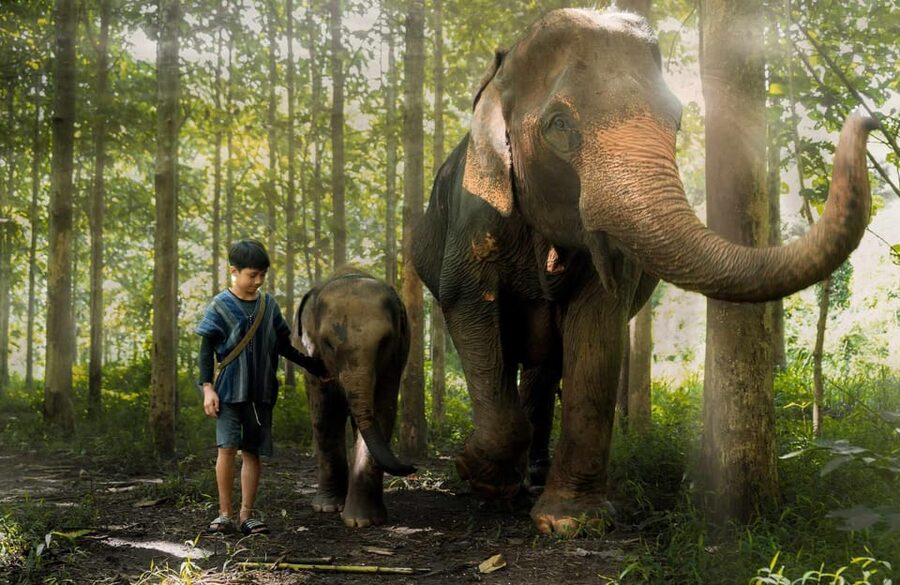
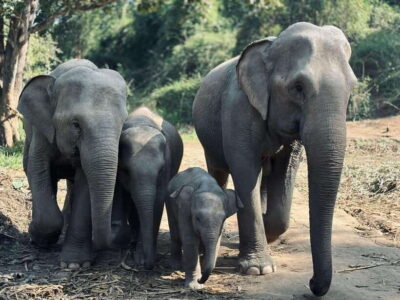
After the introduction, you meet the elephants and receive food to give them. This is one of the most popular parts of the outing because feeding creates an easy first contact. You can watch how the elephants use their trunks, see the younger animals compete for snacks, and get photos while the guides help manage the moment.
Some of the elephants are babies, which adds plenty of charm. They may come close and investigate you, but the guides remain important here. Let the staff show you where to stand and how to offer the food rather than reaching toward an elephant without instruction.
The experience is not just a quick photo stop. You also prepare food for the elephants and learn about their daily activities. That extra step makes the visit feel more connected to care, even if the schedule still has a clear tourist structure.
Photography is part of the experience. Guides often help take pictures, which is useful if you are traveling alone. F has been praised for taking photos, giving reassurance, and keeping solo participants involved. Fai has also helped solo visitors feel included, while guides called F and Fa are known for humor and clear explanations.
There is one small compromise: organized photo lines can make this part feel less spontaneous. That is understandable when several people want close-up pictures, but you should not expect every moment to be completely unplanned.
Walking with elephants through the park
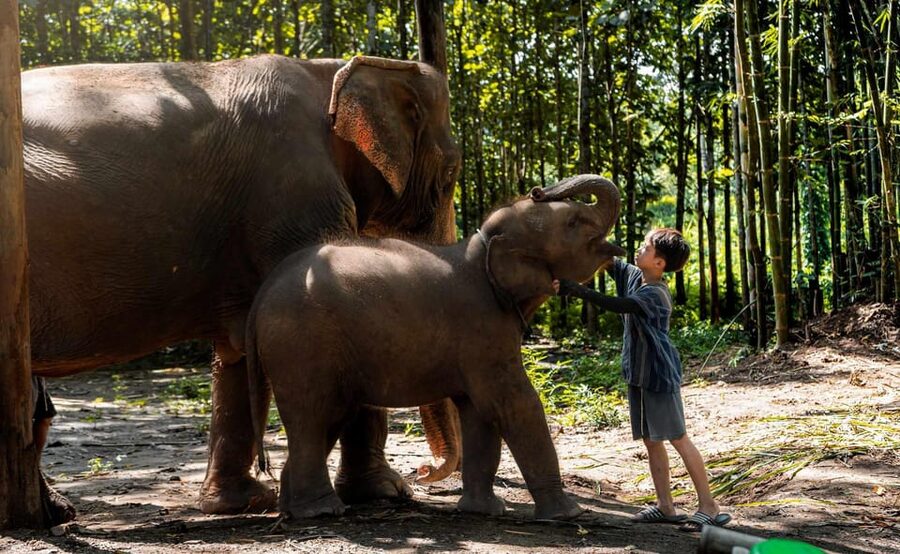
The next stage is a walk with the elephants. You follow them as they explore, bathe, and move through the park’s forested surroundings. This is where the experience feels less like a staged show. There are no elephant performances listed, and the focus stays on walking, feeding, observing, and bathing.
You may spend time simply watching the animals interact. Elephants can be surprisingly social, and seeing them play together in muddy water gives you more than a standard one-animal photo session. You also get a chance to notice different personalities, especially when the babies are nearby.
The guides make a difference. They explain how to interact with the elephants and step in when visitors need help. The best approach is to treat the walk as observation first and contact second. Your aim should not be to force a hug, pose, or touch. Let the elephant choose how close to come.
The activity is described as suitable for a wide range of ages, and the tour is wheelchair accessible. Still, hiking and river activities can involve uneven or wet surfaces, so ask the operator for current access details if you use a wheelchair or have limited mobility. The stated accessibility is encouraging, but the exact route conditions are not provided.
Something different for another day:
- Half-Day Thai Cooking Class at Organic Farm in Chiang Mai
★ 5.0 · 19,087 reviews - Chiang Mai: Doi Inthanon National Park Eco-Friendly Tour
★ 4.6 · 6,667 reviews - Chiang Mai: Chiang Rai Temples, Karen Tribe and Hot Springs
★ 4.7 · 5,401 reviews - Chiang Mai: Cooking Class, Market & Thai Herbs Garden Tour
★ 4.9 · 4,824 reviews
Mud, water, and the elephant bath
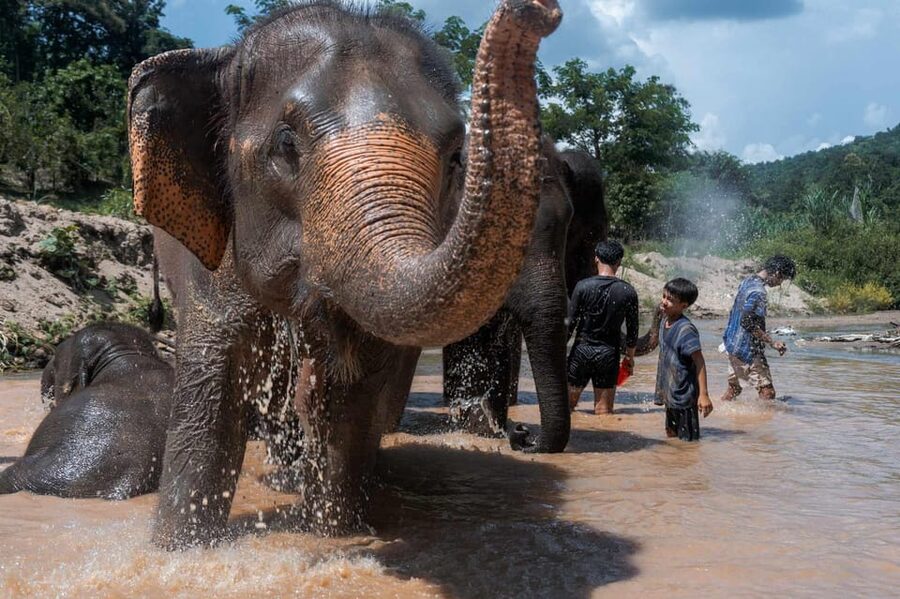
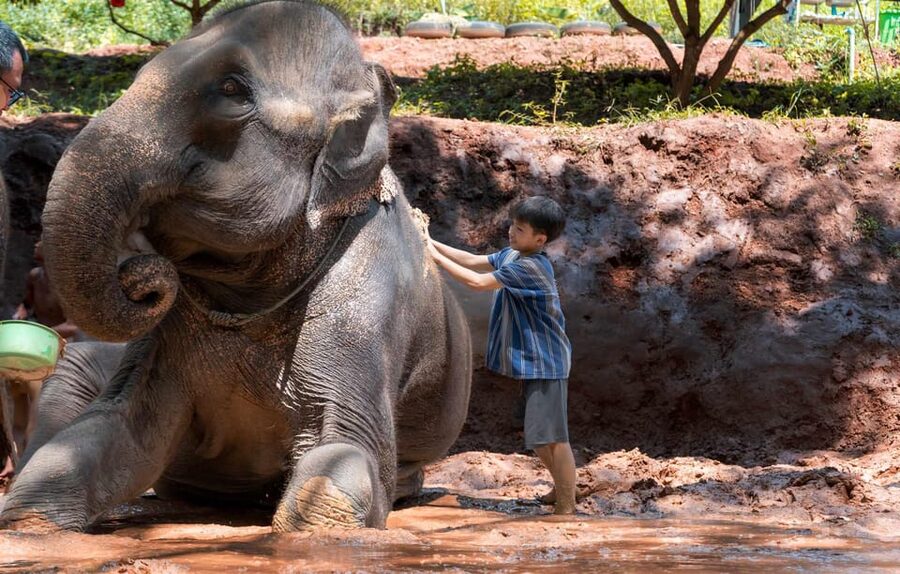
The most playful part of the outing comes when the elephants enter muddy water and later bathe in a flowing stream. You can watch them splash, roll, and interact with one another before joining the bathing activity with staff guidance.
Bathing an elephant is hands-on and messy. You should expect wet feet, muddy clothing, and plenty of water on your arms. Sandals are more practical than delicate shoes, and quick-dry clothing is a wise choice. Bring a towel and a complete change of clothes, not just an extra shirt.
The river portion has received some of the strongest praise because it feels active without turning the elephants into performers. You are helping with a basic care activity while the animals move and behave in a familiar setting. The important point is to follow the guides rather than chase an elephant into deeper water or crowd it.
Rain does not necessarily ruin the outing. One person had wet weather during the activity and still enjoyed the day. That said, a rainy day can make the ground slick and the ride more uncomfortable, so pack with conditions in mind.
Thai lunch in a quiet park setting
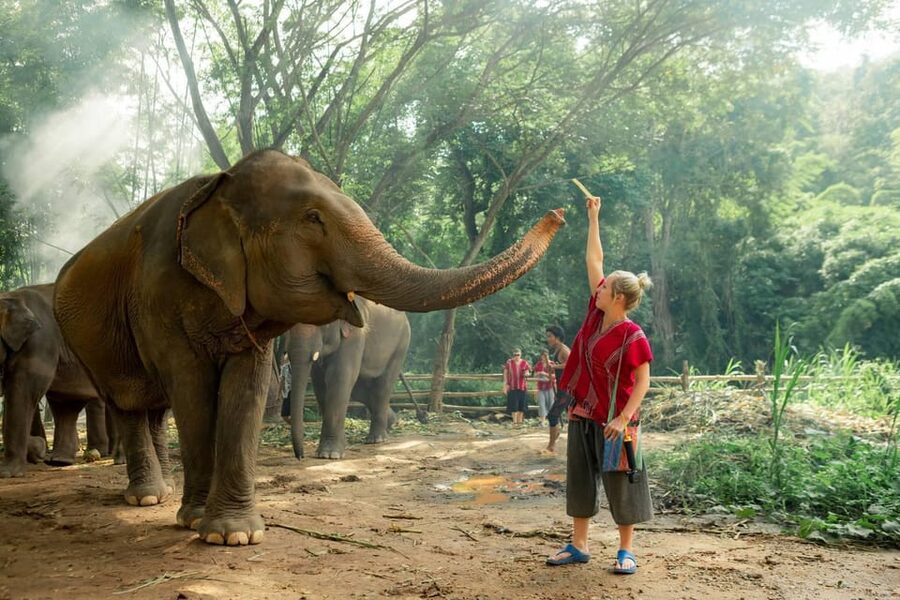
After the elephant activities, you sit down for a Thai meal with water, coffee, tea, and soft drinks. It is a welcome pause after the heat, walking, and water. The quiet setting gives you time to dry off, look back at your photos, and enjoy a slower part of the visit.
The food is the least consistent part of the experience. Some people liked the meal, including egg fried rice and soup, while others found the buffet average or too basic. One vegan meal was described as white rice with spring rolls, so if you have particular dietary expectations, you should keep them modest and ask what will be served.
For me, lunch works best as a useful inclusion rather than a major reason to book. At $48, having a cooked meal and drinks included improves the overall value, but the food is unlikely to be the culinary highlight of your Chiang Mai visit.
The meal also helps the half-day schedule feel complete. Without it, the tour would be mostly transport and elephant activities. With it, you have a proper break before the return drive.
What the $48 price really covers
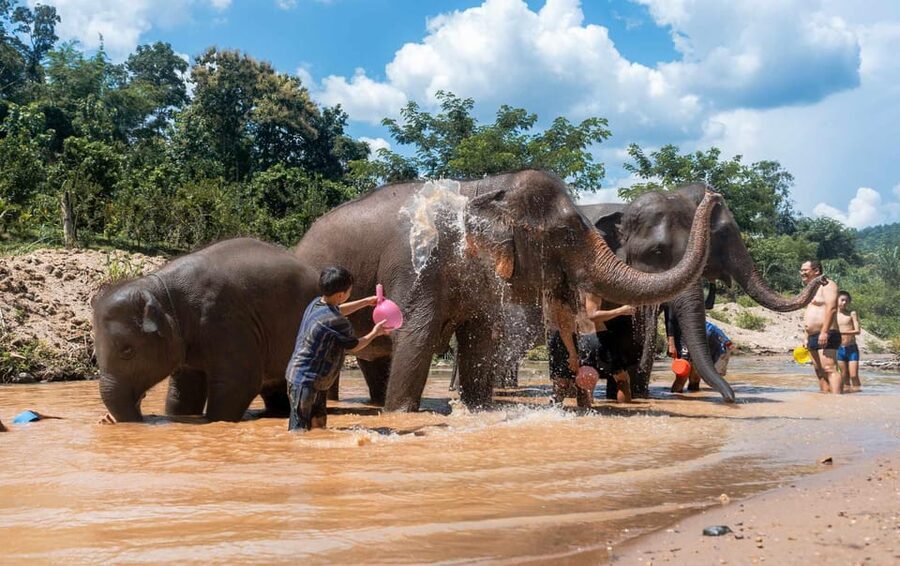
The $48 fee is fair for what is included. You receive round-trip transport from Chiang Mai, entry to the park, elephant food, an activity shirt, the guided program, lunch, and drinks. Hiring separate transport to a rural elephant park could easily make a self-arranged visit less convenient and possibly more expensive.
The strongest value comes from the amount of contact packed into a short format. You feed elephants, walk with them, watch them play, and bathe one in the stream. You also receive an introduction to elephant care rather than being dropped into a photo session with no explanation.
The limitation is the time ratio. About three of your 5.5 hours are spent in the van, leaving roughly 2.5 hours at the park. If you want an entire day with elephants, this is not the right format. If you want a focused half-day visit that leaves space for evening plans, it makes more sense.
Group size can affect the value. One person found the experience pleasantly uncrowded, while another suggested a group of around 10 can work well. The exact group size is not stated, so ask if having more personal space with the elephants matters to you.
Guides, photos, and the human side of the visit
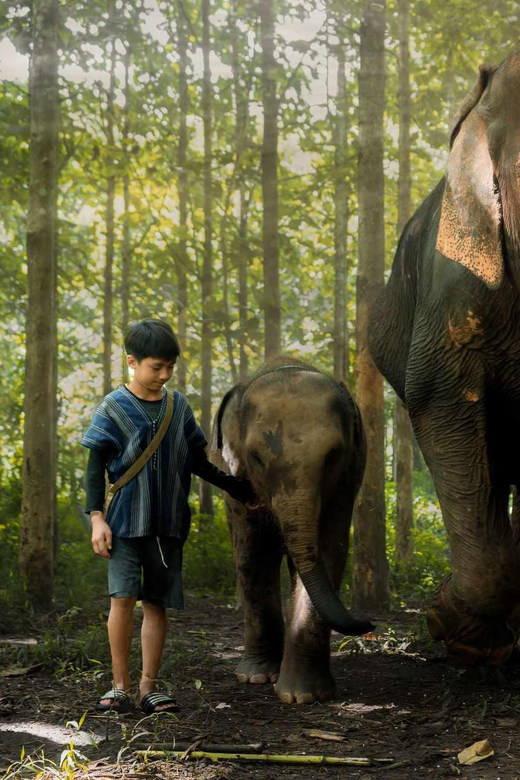
Good guiding is one of the tour’s clearest strengths. F is repeatedly praised for being funny, friendly, informative, and helpful with photos. Fa has also been singled out for warmth and energy, while Fai helped a solo visitor take part fully. These details matter because elephant activities can feel awkward if nobody explains where to stand or what to do.
You are not only meeting the animals. You are also seeing the work of the people who care for them. The park’s presentation, the veterinarian’s answers, and the explanations about Karen communities give the visit more substance than a simple wildlife photo stop.
The staff also appear to pay attention to nervous participants. Several accounts describe guides as reassuring and kind. That can be important when an elephant moves close, especially around the head, trunk, or feet.
The drivers are a weaker point. Most transport was described as organized, but a few people disliked the driving style. This is not a reason to reject the tour outright, but it is worth knowing before you go.
What to pack and what to leave behind
Keep your packing list short but practical:
- Towel
- Sandals with a secure fit
- Sunscreen
- Biodegradable insect repellent
- Quick-dry clothing
- A full change of clothes
Wear clothing that can handle mud and river water. The tribal shirt supplied for activities is a nice touch and helps mark the activity portion of the day, but you still need suitable clothes underneath.
Do not bring pets. Do not make loud noise or start fires. These are sensible rules around animals and a rural eco-park, not annoying fine print.
I would also keep your phone in a waterproof pouch or protected bag during the bathing portion. The tour information does not promise dry storage, so protect anything you cannot afford to soak.
Who will enjoy this half-day experience
I think this tour suits you best if you want meaningful elephant contact but do not want a full-day program. It works well for solo visitors because guides can help with photos and make sure you are not left on the sidelines.
Families and first-time elephant visitors should also find the structure approachable. The briefing comes before the contact, and the guides explain what to do. The young elephants are a major draw, but adults should still remind children to stay calm and listen closely.
This is also a good choice if you care about animal treatment but want to see the operation for yourself. The park explains its care practices, the elephants are described as free to roam in their setting, and there are no performance activities included in the schedule.
I would look elsewhere if your priority is gourmet food, a very polished vehicle ride, or several hours of uninterrupted time with elephants. The lunch is simple, the road can be bumpy, and the park visit is limited to about 2.5 hours.
Should you book Kerchor Eco Elephant Park?
Book it if you want a well-organized half-day from Chiang Mai with feeding, walking, mud play, and river bathing all in one visit. The guides are a major asset, the elephant activities feel active rather than passive, and the $48 package covers transport, food, lunch, drinks, and the basic activity gear.
Go in with realistic expectations. The journey is long, the driver may not be perfect, and the meal can be plain. Reserve this tour for the elephant experience, the park setting, and the chance to learn how the animals are cared for, not for luxury transport or a standout lunch.
With free cancellation up to 24 hours before departure and a reserve-now, pay-later option, it also gives you some planning flexibility. Leave a two-hour buffer after the scheduled return, pack dry clothes, and book this one if a focused, hands-on elephant visit sounds more appealing than a long full-day program.
FAQ
How long does the Kerchor Eco Elephant Park tour last?
The stated duration is 330 minutes, or about five and a half hours. The schedule includes roughly 1.5 hours by van each way and about 2.5 hours at the park.
What activities are included with the elephants?
You can feed the elephants, walk with them, watch them bathe and play, and bathe one in a flowing stream. The visit also includes time with baby elephants.
Is lunch included?
Yes. A Thai lunch is included, along with water, coffee, tea, and soft drinks.
What should I bring?
Bring a towel, sandals, sunscreen, biodegradable insect repellent, and quick-dry clothing. A full change of clothes is also sensible because the bathing activity can leave you wet and muddy.
Are activity shirts provided?
Yes. Tribal shirts are included for the activities.
Is hotel pickup included?
Pickup is included within the tour’s service area in Chiang Mai. If your hotel is outside that area, you must travel to the meeting point at the Tha Phae branch of McDonald’s yourself.
Is the tour wheelchair accessible?
The activity is listed as wheelchair accessible. Since the park program includes hiking and water activities, ask the operator about current route conditions if you need detailed mobility support.
What languages are available?
Live guiding is available in English, Chinese, and Thai.
Can I cancel the booking?
You can cancel up to 24 hours in advance for a full refund.
Can I reserve now and pay later?
Yes. The reserve-now, pay-later option lets you hold a place without paying at the time of booking.
Just added around Chiang Mai
- Chiang Mai: Chiang Rai White, Blue & Black Temples Day Tour★ 4.2 · 16 reviews
- Chiang Mai Adventure ATV Secret Waterfall and Bamboo Rafting★ 5.0 · 16 reviews
- Inthanon Small-Group with Kew Mae Pan Trail from Chiang Mai include Lunch★ 4.5 · 16 reviews
- 2-Day Best of Chiang Rai from Chiang Mai Private Package★ 4.5 · 16 reviews
- Doi Inthanon Discovery Tour: Waterfalls, Villages & Highest Peak★ 3.5 · 16 reviews
- Private-Tour Doi Suthep Temple and Khun Chang Kien Village Half-Day★ 4.5 · 16 reviews
- Chiang Mai Iconic Temples and City Tour★ 4.5 · 17 reviews
- Fantastic! Famous Doi Inthanon National park tour with 2hr trekking★ 4.5 · 17 reviews
Elephant Tours, compared.
Elephant Sanctuary, Waterfall & Bamboo Rafting
Read our review →
Elephant Sanctuary Feeding Program Half-Day Tour
Read our review →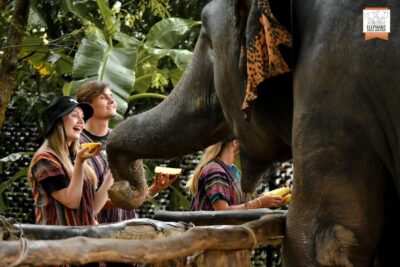
Elephant Jungle Sanctuary Ethical Feeding Experience
Read our review →
Elephant Sanctuary, Long Neck & Sticky Waterfall
Read our review →
Elephant Bathing Session at Krabi Elephant Shelter
Read our review →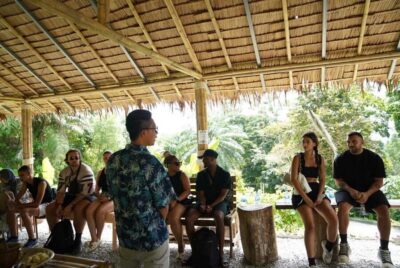
Elephant Sanctuary Guided Tour with Hotel Transfers
Read our review →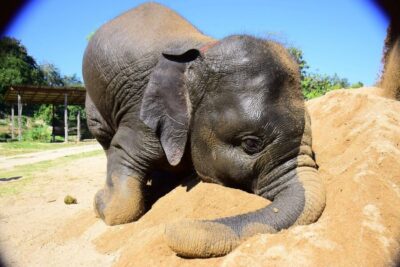
Browse the lists this tour appears in