
Reviewed · ELEPHANT TOURS
Half-Day Elephant Experience at Rantong
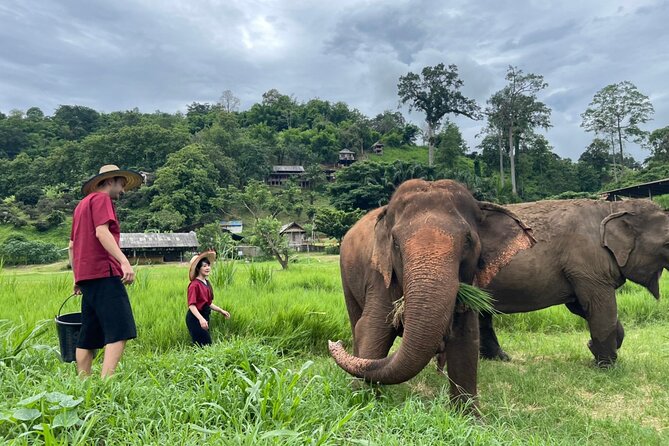
Elephant days should begin with respect. At Ran-Tong, you learn about rescued elephants, make vitamins for them, feed them, walk beside them, and help with bath time. I like the small groups of up to 15 and the chance to see the elephants at their own pace. I also like that the experience includes hotel pickup, a meal, and a change of clothes.
The main drawback is the road time. The center is about an hour from Chiang Mai, and the shared van can feel cramped or uncomfortable. Pickup may also take time as the driver collects people around the city. Still, at $58.70 per person, this is a strong value if your priority is calm, hands-on time with rescued elephants rather than a quick photo stop.
In This Review
- Key points to know before booking
- A five-hour elephant day outside Chiang Mai
- The van ride to Mae Taeng
- Changing into Karen-style clothing
- Starting with elephant school
- Making vitamins for pregnant, injured, and older elephants
- Meeting, feeding, and walking with the elephants
- Bathing time in the water
- Food, showers, and a welcome finish
- Is $58.70 a fair price?
- Who will enjoy this experience most?
- What to pack for a smoother day
- Cancellation and booking basics
- Should you book the Ran-Tong elephant experience?
- FAQ
- How long does the elephant experience last?
- Is hotel pickup included?
- How far is the center from Chiang Mai?
- Can I choose a morning or afternoon start?
- What activities are included with the elephants?
- Is food included?
- What should I bring?
Key points to know before booking
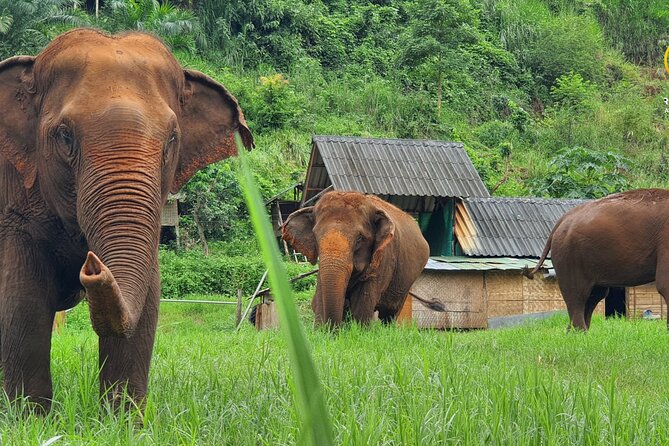
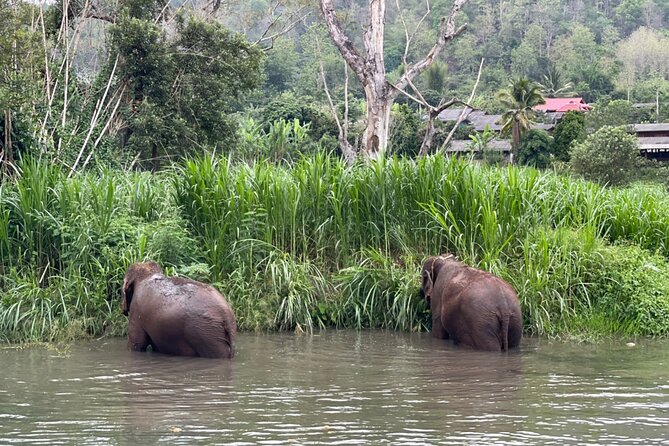
- Bathing is part of the experience: You can feed, walk with, and help bathe the elephants, with water and mud very much part of the day.
- A small group helps: The maximum group size is 15, giving you more time to ask questions and spend time near the elephants.
- You learn before you interact: The elephant school explains the center, elephant behavior, and daily care before the hands-on activities begin.
- The center cares for vulnerable animals: You help prepare vitamins for pregnant, injured, and older elephants.
- Bring clothes for getting wet: Spare clothes, sandals, comfortable shoes, soap, shampoo, and insect repellent will make the day easier.
- The meal is part of the value: Thai food, seasonal fruit, and drinking water are served after your time with the elephants.
A five-hour elephant day outside Chiang Mai
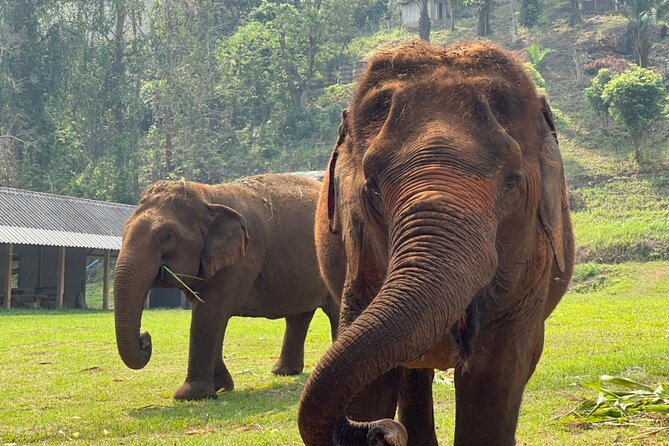
This is not a quick stop beside a main road. Ran-Tong Save & Rescue Elephant Centre is in Mae Taeng District, roughly one hour from Chiang Mai by van. The full outing takes about five hours, including transport, teaching, elephant care, changing, food, and the return trip.
You can choose a morning or afternoon departure. That flexibility helps if you have a packed Chiang Mai schedule, though you will want to protect most of the half-day for this outing. Hotel pickup and drop-off are included from accommodations in Chiang Mai city, so you do not need to find a meeting point.
The center cares for rescued elephants, including older, injured, and pregnant animals. That gives the day a more meaningful focus than simply feeding an elephant for a few minutes and moving on. You are shown how the animals are cared for and what their daily routine involves.
The experience is hands-on, but it is also structured. You are not simply turned loose around large animals. Staff explain what to do, how to approach the elephants, and how to behave around them.
More Elephant Tours in Chiang Mai
- Chiang Mai: Elephant Sanctuary, Waterfall & Bamboo Rafting
★ 4.9 · 9,160 reviews - Chiang Mai: Elephant Sanctuary & Waterfall Group Tour
★ 4.9 · 5,780 reviews - Chiang Mai: Elephant Sanctuary Feeding Program Half-Day Tour
★ 4.8 · 4,527 reviews
The van ride to Mae Taeng
Transportation is practical rather than luxurious. The drive takes about an hour each way, and the van collects other people around Chiang Mai before heading north. One-way times may feel closer to 45 minutes in lighter conditions, but you should plan for the longer estimate.
This is the part of the day most likely to test your patience. Some people have found the van crowded, with limited legroom and uncomfortable seats. One tall passenger reported having trouble with the roof clearance, while another raised concerns about seatbelts and unsafe driving. Those are not small matters, especially on a winding or busy road.
Pickup can also run late because of traffic and multiple hotel stops. Allow some patience at the beginning and end of the outing. If your schedule includes a flight, train, or fixed reservation later that day, leave a generous buffer.
The drive is worth considering before you book. If you dislike shared transportation, the road time may reduce your enjoyment. If you see the van as the necessary link to a longer period with the elephants, the trade-off is easier to accept.
Changing into Karen-style clothing
At the center, you change into Mahout-style Karen clothing before beginning the activities. This is useful for two reasons: it gives the experience a local visual character, and it protects your own clothes from water, mud, and elephant food.
The center also provides boots or other footwear for the activities, according to the experience details and visitor accounts. Even so, bring sandals or shoes you do not mind getting dirty. You should also pack a complete spare outfit, since bathing an elephant can leave you wet even when you try to stay dry.
The clothing change marks a useful shift in the day. You are no longer dressed for a city tour. You are preparing to work around animals, water, mud, fruit, and sugar cane.
Starting with elephant school
Before you get close to the elephants, you attend an elephant school. Staff explain the center and introduce you to the animals and their care. This preparation matters because elephants are powerful, social creatures, and your actions affect how comfortable they feel.
The teaching also gives the rest of the day more meaning. You learn that care is not only about feeding an elephant or taking a photograph. The center looks after animals with different needs, including pregnant, injured, and old elephants.
Guides have been a major strength of the experience. Seven is praised for being engaging and clear, while Rambo, Nikon, Oh-Oh, and Dang are also singled out for friendly instruction and care. Guide assignments can change, but the pattern is clear: a good guide makes the encounter safer, calmer, and more interesting.
Pay attention during this first session. The instructions help you judge when to approach, when to pause, and when to let an elephant decide what happens next.
Something different for another day:
- Half-Day Thai Cooking Class at Organic Farm in Chiang Mai
★ 5.0 · 19,087 reviews - Chiang Mai: Doi Inthanon National Park Eco-Friendly Tour
★ 4.6 · 6,667 reviews - Chiang Mai: Chiang Rai Temples, Karen Tribe and Hot Springs
★ 4.7 · 5,401 reviews - Chiang Mai: Cooking Class, Market & Thai Herbs Garden Tour
★ 4.9 · 4,824 reviews
Making vitamins for pregnant, injured, and older elephants
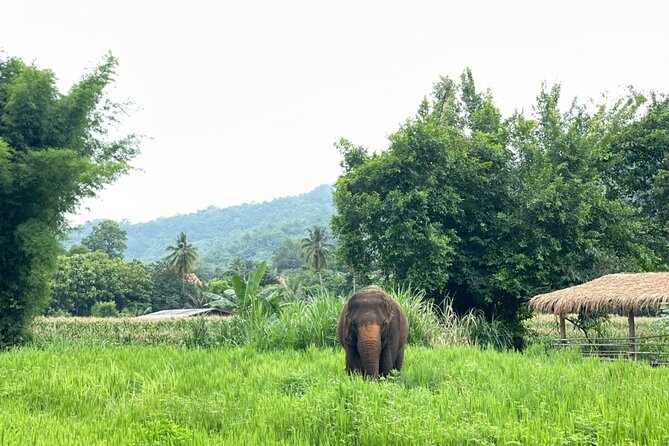
One of the more distinctive activities is preparing vitamins for the elephants. You are not only handed a basket of food. You take part in a simple care task connected to the animals’ health.
The activity is especially useful for families and anyone who wants to understand the work behind a rescue center. A healthy elephant still needs daily food and attention, while older or injured animals may need extra support. Preparing vitamins gives you a small view of that routine.
You may also process sugar cane before feeding it. This adds a bit of work to the meal, and it helps you see feeding as part of the elephants’ care rather than a theatrical trick. The animals eat directly from your hands, but staff guide you on how to do so.
Meeting, feeding, and walking with the elephants
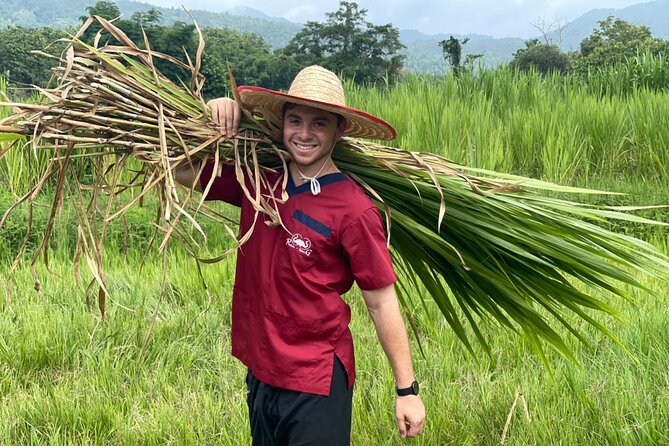
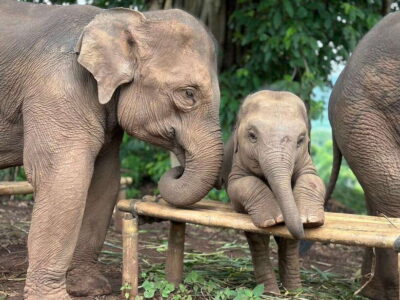
The central part of the day is time spent near the elephants. You meet them, feed them, and walk with them through the center. The pace is generally unhurried, giving you time to notice individual personalities instead of rushing from one activity to another.
The elephants are described as friendly, and you have the chance to touch them and, in some activities, be hugged by their trunks. That closeness is thrilling, but it deserves a sensible attitude. An elephant is not a large domestic pet. Follow the guide’s directions and let the animal set the pace.
A positive sign is the clear instruction that elephants should be free to do their own thing. If one walks away, you are not meant to force it back for a photograph. That approach makes the interaction feel more respectful and gives you a better chance to see normal behavior.
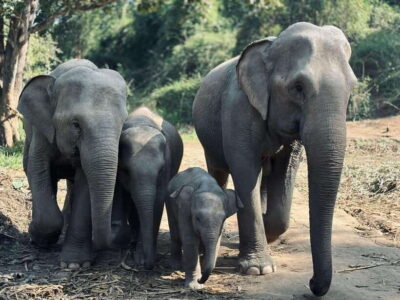
The center has been described as a fairly large facility, with around 20 elephants in one account and 13 in another. Numbers may change, but you should expect more than one elephant and opportunities to meet several animals during the visit.
The group limit of 15 is helpful here. A smaller group means less crowding around each elephant and more room for the guide to answer questions. It does not guarantee private time, but it is a better setup than a large bus group.
Bathing time in the water
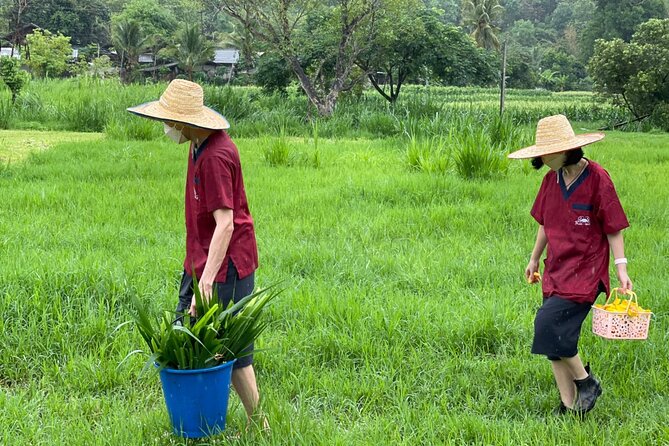
Bathing is the part many people remember most. You help wash the elephants in water, close to conditions where they can act naturally. It is messy, wet, and far more physical than simply standing beside an elephant for a photograph.
Bring sandals that can get wet and dirty. You may also want insect repellent, since the center is outside the city and you are spending time around water and vegetation. Soap and shampoo are listed among the items to bring, but shower facilities are available afterward, with towels and shower gel provided according to the experience details.
You should not expect every elephant to behave in exactly the same way. Some may enjoy the water, while others may move away or lose interest. That is part of the value. The aim is not to make the animal perform on command, but to observe and assist within the staff’s rules.
If you are nervous around elephants, the activity is introduced gradually. You can gain confidence through feeding and walking before getting into the water. Staff are there to provide instructions and help you judge where to stand.
Food, showers, and a welcome finish
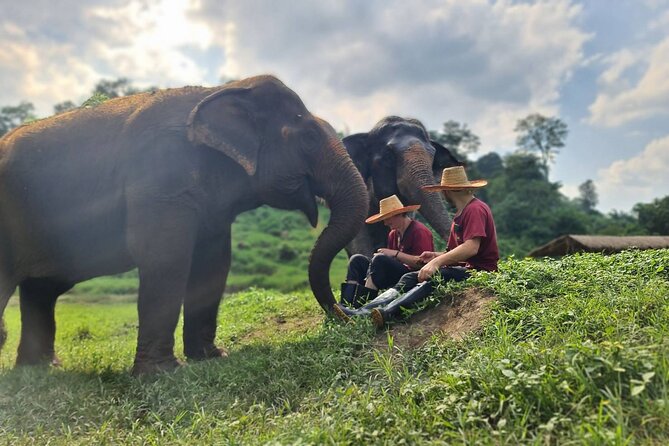
After the elephant activities, you change and can shower before eating. This is a small but important part of the day. Bathing an elephant is not a tidy activity, and clean facilities make the trip much more comfortable.
The included meal features Thai food, seasonal fruit, and drinking water. Pad Thai and tropical fruit are specifically enjoyed by many people, and portions have been described as plentiful. The food adds real value to the price, particularly after a wet morning or afternoon outside.
Do not treat lunch as a rushed box meal. It gives you time to cool down, talk with your group, and let the experience settle before the return drive. For families, it also provides a useful break after several active activities.
Friendly stray dogs may also be around the center. They have been described as approachable and fond of attention, though the elephants remain the main reason for the visit.
Is $58.70 a fair price?
At $58.70, this is not the cheapest elephant outing around Chiang Mai, but it includes more than an entry ticket. The price covers city pickup and drop-off, the center visit, instruction, clothing, elephant activities, shower access, a Thai meal, fruit, and water.
The hands-on program also lasts much of the five-hour schedule. You are paying for transport, staff time, animal care, food, and an organized encounter rather than only for a short viewing session.
Value depends on what you want. If you want a quiet day watching elephants from a distance, some parts may feel more active than necessary. If you want to feed, walk with, and bathe elephants, the price is reasonable.
The ethical question matters more than the bargain. The experience does not include riding, and the center’s instructions emphasize allowing elephants to move away. Staff also care for animals with particular needs. Those details do not let you judge every aspect of an operation from one visit, but they are meaningful signs for anyone trying to avoid forced performances.
Who will enjoy this experience most?
This outing suits you if you want direct contact with elephants and are comfortable getting wet and dirty. Families can do well here, since the activities are organized and the staff provide clear instructions. The experience details say most people can participate, and one account specifically describes it as safe for children.
It also works well for solo visitors. One solo participant appreciated that the guide took photos and videos, which can be useful when you have no companion to capture the moment. You should still ask the guide if you want a particular photograph, since assistance depends on the group and the activity.
The tour may not suit you if you have limited time in Chiang Mai, dislike shared vans, or want a completely dry and quiet outing. The ride can be rough, and the return pickup may take longer than expected if the vehicle is collecting people from several hotels.
Choose the morning if you prefer to finish early and keep the rest of your day open. Choose the afternoon if your morning is busy. The exact rhythm will depend on pickup times, traffic, and the group.
What to pack for a smoother day
Bring spare clothes, comfortable shoes, wet-friendly sandals, shampoo, soap, a camera, and insect repellent. A waterproof bag for your phone and dry clothes would also be sensible, though it is not specifically listed among the required items.
Wear something easy to change out of. Even with provided clothing and boots, feeding, walking, and bathing can leave you muddy or wet.
Keep your camera ready, but do not let photographs distract you from staff instructions. Guides are often willing to help take pictures, especially for solo visitors, but the elephants’ comfort comes first.
Allow extra time for pickup and return. The posted duration is about five hours, but traffic and city hotel stops can affect the timetable.
Cancellation and booking basics
Confirmation is provided when you book. You can cancel up to 24 hours before the start time for a full refund. Changes or cancellations made less than 24 hours before the local start time are not accepted for a refund.
The experience requires a minimum number of participants. If that minimum is not reached and the outing is canceled, you are offered another date or experience, or a full refund.
The maximum group size is 15. Hotel pickup and drop-off apply to accommodations in Chiang Mai city, so check that your accommodation fits the stated pickup area.
Should you book the Ran-Tong elephant experience?
I would book this if you want an active, close-up elephant day with clear instruction, food, changing facilities, and no riding. The strongest parts are the staff guidance, the chance to prepare vitamins, and the freedom given to elephants to move at their own pace.
I would think twice if the van ride is a serious concern or if you need a precise end time. Ask yourself whether five hours, including roughly an hour each way on the road, is a fair exchange for feeding, walking with, and bathing rescued elephants.
For most people seeking a respectful, hands-on experience near Chiang Mai, the answer is yes. Bring dry clothes, accept that transport may be rough, and let the elephants lead the pace. That is the best way to get the value this half-day experience offers.
FAQ
How long does the elephant experience last?
The experience lasts approximately five hours, including pickup, the drive to Mae Taeng District, activities at the center, food, and the return trip to Chiang Mai city.
Is hotel pickup included?
Yes. Pickup and drop-off are offered from hotels or accommodations in Chiang Mai city.
How far is the center from Chiang Mai?
The drive to Ran-Tong Save & Rescue Elephant Centre takes approximately one hour.
Can I choose a morning or afternoon start?
Yes. You can choose a morning or afternoon start time when booking.
What activities are included with the elephants?
You learn about elephant care, make vitamins, feed the elephants, walk with them, and help bathe them while observing their behavior.
Is food included?
Yes. The meal includes Thai food, seasonal fruit, and drinking water. Pad Thai is specifically served as part of the meal.
What should I bring?
Bring spare clothes, comfortable shoes, sandals that can get wet and dirty, shampoo, soap, a camera, and mosquito spray or insect repellent.
Just added around Chiang Mai
- Chiang Mai: Chiang Rai White, Blue & Black Temples Day Tour★ 4.2 · 16 reviews
- Chiang Mai Adventure ATV Secret Waterfall and Bamboo Rafting★ 5.0 · 16 reviews
- Inthanon Small-Group with Kew Mae Pan Trail from Chiang Mai include Lunch★ 4.5 · 16 reviews
- 2-Day Best of Chiang Rai from Chiang Mai Private Package★ 4.5 · 16 reviews
- Doi Inthanon Discovery Tour: Waterfalls, Villages & Highest Peak★ 3.5 · 16 reviews
- Private-Tour Doi Suthep Temple and Khun Chang Kien Village Half-Day★ 4.5 · 16 reviews
- Chiang Mai Iconic Temples and City Tour★ 4.5 · 17 reviews
- Fantastic! Famous Doi Inthanon National park tour with 2hr trekking★ 4.5 · 17 reviews
Elephant Tours, compared.
Elephant Sanctuary, Waterfall & Bamboo Rafting
Read our review →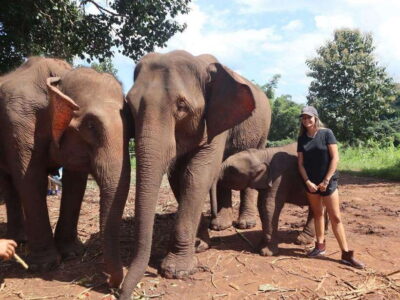
Elephant Sanctuary Feeding Program Half-Day Tour
Read our review →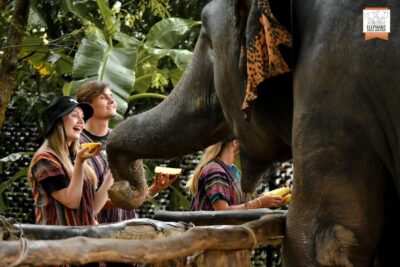
Elephant Jungle Sanctuary Ethical Feeding Experience
Read our review →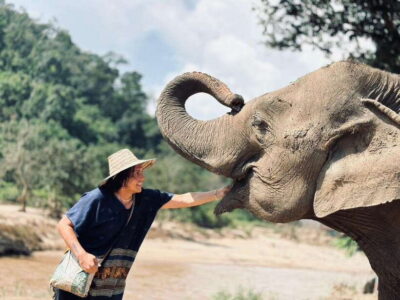
Elephant Sanctuary, Long Neck & Sticky Waterfall
Read our review →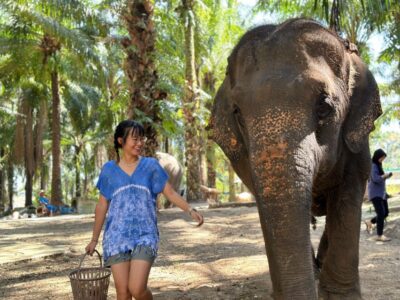
Elephant Bathing Session at Krabi Elephant Shelter
Read our review →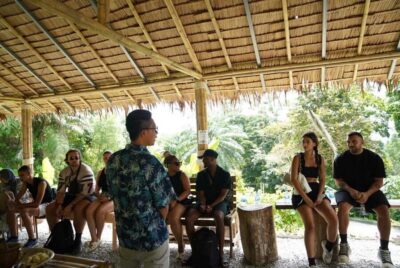
Elephant Sanctuary Guided Tour with Hotel Transfers
Read our review →
Browse the lists this tour appears in