
Reviewed · ELEPHANT TOURS
Phuket: Freedom Elephant Reserve – Ethereal Nature Walk
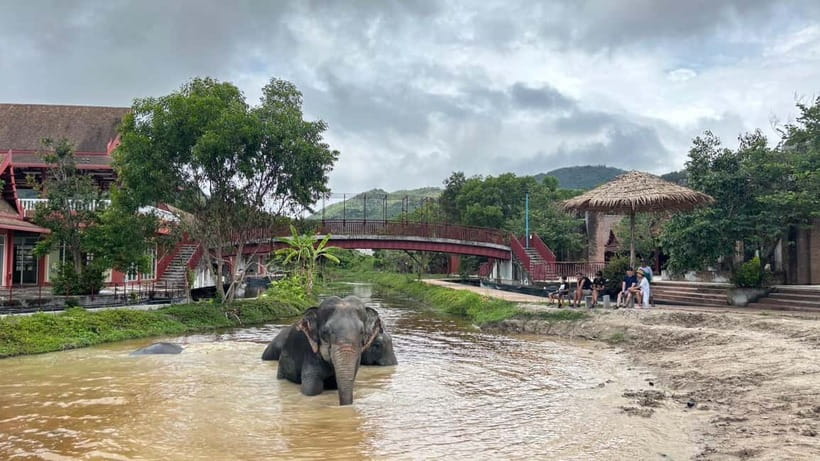
Elephants set the pace here. At Freedom Elephant Reserve Phuket, you walk into the animals’ world rather than watch a staged performance from a platform. I like the chance to see elephants forage, cover themselves in mud, cool off in deep water, and eat at their own rhythm. I also like the small-group feel described by visitors, with one tour including only six people and another praising the careful work of the keepers. The main consideration is that this is not pure, hands-off observation. The elephants are guided through parts of the visit, and the schedule can feel structured.
The experience costs $51 per person and lasts 90 minutes at the reserve, but you should allow about three hours in total if using the shared van from Phuket. I would choose it for the chance to learn each elephant’s story and see normal behaviors up close, while remembering that transport charges, limited access for solo bookings, and the heat can affect the value.
In This Review
- What makes this elephant visit different
- Walking into the reserve from Phuket
- Meeting the herd among the trees
- Watching the mud spa in action
- Sand, skin care, and elephant comfort
- Seeing elephants disappear underwater
- Feeding time, with bananas and sugar cane
- Final photographs and the ride back
- Is $51 a fair price?
- Who will enjoy this experience most?
- Should you book Freedom Elephant Reserve Phuket?
- FAQ
- How long does the experience take?
- Is hotel pickup included?
- Can I touch and feed the elephants?
- What will I see the elephants doing?
- What should I bring?
- Can I cancel or pay later?
What makes this elephant visit different
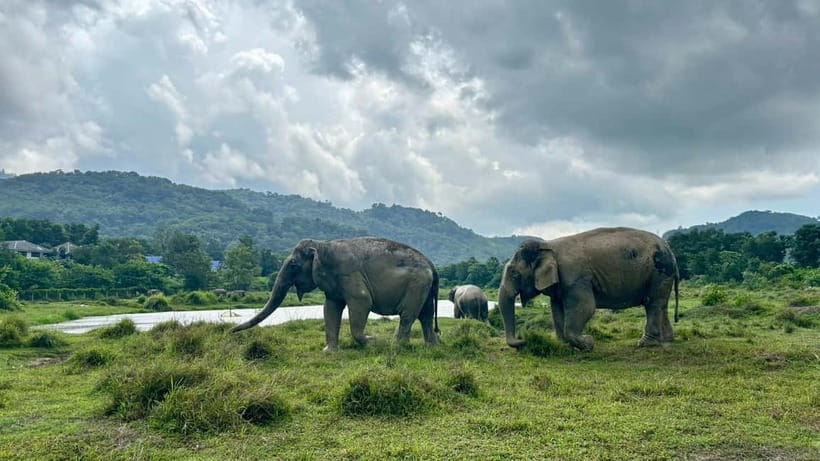
- Mud, sand, water, and food follow the elephants’ own routine, giving you several ways to watch their behavior.
- The reserve introduces individual elephants by story and personality, not just by species or size.
- The interaction is supervised, with feeding and any permitted contact handled according to the guide’s instructions.
- The elephants can roam a sizable wooded area, described in the visitor feedback as roughly 20 to 25 acres.
- The tour uses a short, focused format, with 90 minutes at the reserve and an approximate 45-minute van ride each way.
- Matthew and his team have earned praise for friendly, well-organized care, although the operation is still relatively new.
Walking into the reserve from Phuket
Your day begins with pickup in Phuket if you are traveling with at least two people and staying within the included pickup area. The ride to Freedom Elephant Reserve takes about 45 minutes by van, so this is not a quick stop squeezed between beach time and lunch. It is a half-day outing once the driving is counted.
Pickup details matter. Round-trip transport from Kamala costs 150 baht per adult and 100 baht per child. From Surin, Bang Tao, and Layan, the charge is 250 baht per adult and 150 baht per child. From Mai Khao, Nai Yang, and Nai Thon, it rises to 300 baht per adult and 150 baht per child.
Ao Por Pier pickup is much more expensive at 1,400 baht for a private van. The operator does not collect from private villas or houses, and a solo person must arrange transport independently. After booking, provide the hotel name, address, and room number, then wait in the lobby five minutes before the stated pickup time.
One person reported a pickup nearly an hour late. The reserve allowed extra time to make up for the missed portion, which was a kind response, but it also shows why you should keep your schedule loose afterward. If your driver is late, call the office rather than standing outside indefinitely.
More Elephant Tours in Thailand:
- Chiang Mai: Elephant Sanctuary, Waterfall & Bamboo Rafting
★ 4.9 · 9,160 reviews - Chiang Mai: Elephant Sanctuary & Waterfall Group Tour
★ 4.9 · 5,780 reviews - Chiang Mai: Elephant Sanctuary Feeding Program Half-Day Tour
★ 4.8 · 4,527 reviews
Meeting the herd among the trees
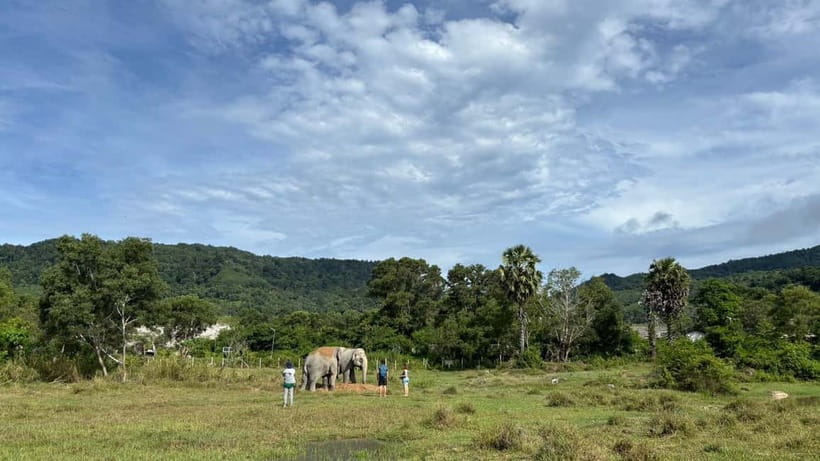
The first activity is a walk into the reserve to locate the elephants. They may be foraging for grass and young leaves, and the guide calls them over when needed. That approach gives the meeting a little suspense. You might see an elephant stride out of the trees, or you may wait while it finishes eating.
The guide then introduces the herd and explains the background of each elephant. This personal detail is one of the strongest parts of the visit because it gives you a way to understand the animals as individuals. You also learn to read their behavior, including what their body position and movements may mean.
This is not a free-for-all photo session. The elephants have keepers nearby, but the keepers are meant to supervise rather than crowd the animals. You are told not to hug trunks or legs, and you should never touch or feed an elephant without direct guidance.
Some feedback describes visitors touching trunks and feeding the elephants under supervision. That is different from unrestricted handling. The safest approach is to let the guide decide when contact is appropriate and to keep your hands to yourself at other times. That restraint is part of what makes the encounter more respectful.
Watching the mud spa in action
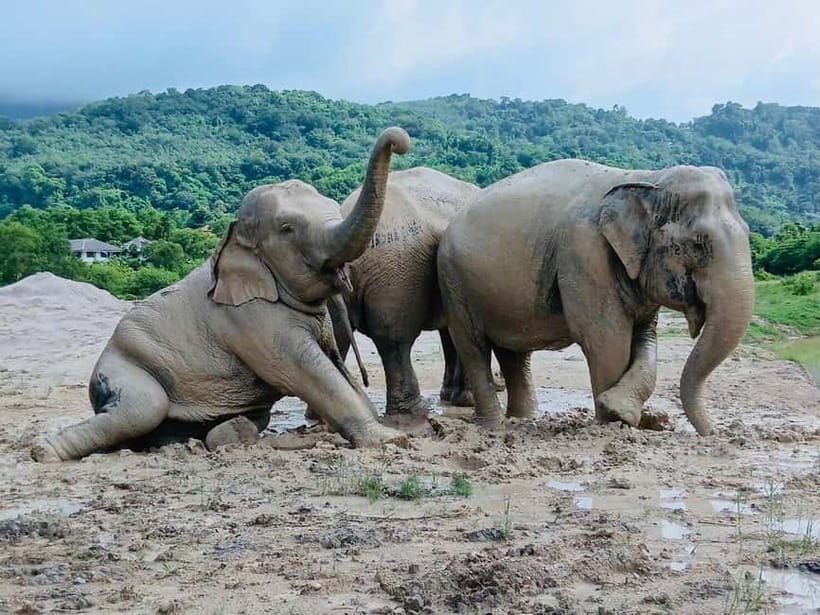
The reserve’s mud area is often the first major stop. An elephant uses its feet to stir mud and water into a thick mixture, then draws it up through the trunk and sprays it over the body. You get to watch a practical part of elephant care rather than a trick designed for applause.
The mud helps protect and cool the skin. It is also a wonderfully messy spectacle, especially when an elephant gives itself a full coating. You should expect splashes and stained ground, but not necessarily a hands-on mud activity for people. The point is to observe the elephants using the mud themselves.
The guide explains what is happening as the animals work. That commentary helps you see the difference between a relaxed animal enjoying mud and an animal responding to a command. One criticism of the visit was that the program felt strict, with elephants being directed from one activity to the next. Keep that in mind if you want only completely unprompted behavior.
The reserve’s strongest case is that the elephants still carry out recognizable daily habits: eating, cooling off, rubbing, resting, and playing. The balance between a planned visitor schedule and animal-led moments will depend on the day.
Sand, skin care, and elephant comfort
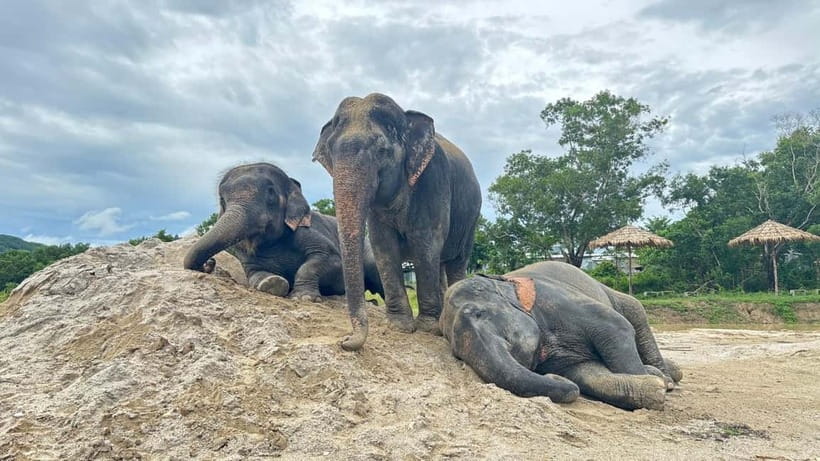
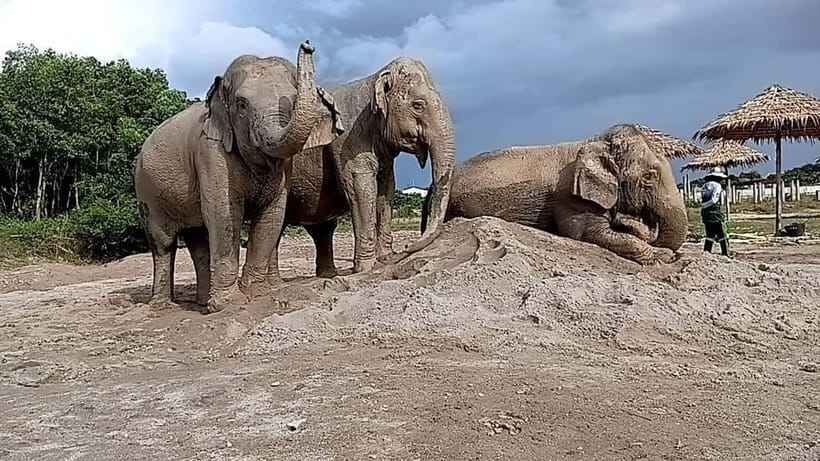
After the mud, the herd may move toward a sand pile. Elephants like sand because it shifts beneath their weight, making a comfortable place to lie down. It also helps rub and exfoliate their skin.
This is a quieter part of the experience. You may see elephants lean into the sand or rub against one another. It gives the guide another chance to explain how much of elephant care is tied to comfort and temperature, not just feeding.
The sand area also changes the pace. After the excitement of the mud, you can watch the animals settle into a more relaxed routine. Bring your camera, but keep enough distance to avoid turning every movement into a photo opportunity. The animals need space to shift, lie down, and move away.
The tour is designed around observation, so the reserve may be a better fit for you if you enjoy noticing small behaviors. If you expect constant touching, bathing, or theatrical commands, you may find the limits frustrating.
More Walking Tours in Thailand:
- Bangkok: City Highlights Temple and Market Walking Tour
★ 4.5 · 3,990 reviews - Bangkok: Grand Palace and Wat Phra Kaew Guided Walking Tour
★ 4.4 · 2,417 reviews - Bangkok: Wat Pho and Wat Arun Guided Walking Tour
★ 4.6 · 1,720 reviews - Chiang Mai: 3 Hour Old City and Temples Guided Walking Tour
★ 4.6 · 1,568 reviews
Seeing elephants disappear underwater
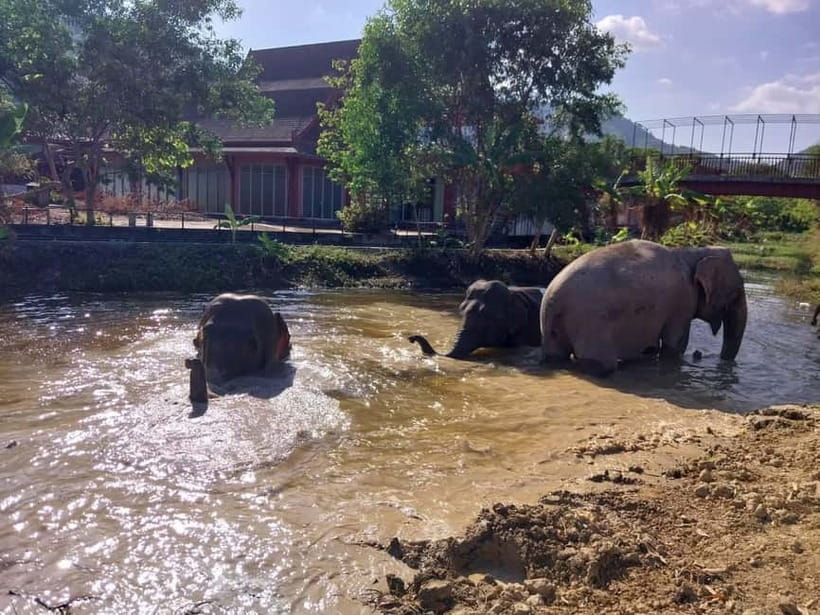
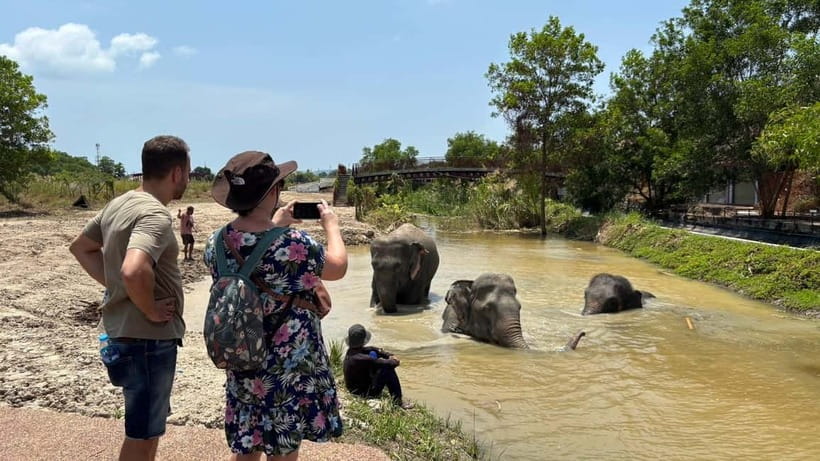
The large pool is one of the memorable features. It is deep enough for the elephants to submerge completely, sometimes vanishing from sight before rising again. Water helps them cool down after the heat they carry through the day, and the pool also gives them room to relax and play.
You should not expect a human-elephant swim. The information provided stresses observation, and the animals decide how long to remain in the water. Watch for the trunk appearing first, or for an elephant climbing out and heading toward the next part of its routine.
This section is especially useful for understanding how large animals manage heat. Phuket’s sun can be intense, so the pool is not just entertainment. It is part of the elephants’ comfort and welfare.
The term river or pool observation appears in the activity details, while the fuller description refers to a large pool at the reserve. Conditions may shape exactly what you see on the day. Either way, your role is to observe from the appropriate area and allow the elephants to bathe without interference.
Feeding time, with bananas and sugar cane
Once the elephants have cooled off, they head to the feeding area. Bananas and sugar cane are placed there, and you can help feed them as directed by the guide.
This is the closest interaction offered during the visit, and it can be striking to see how precisely an elephant uses its trunk. It is also a good moment to connect the earlier behavior lesson with a practical fact: elephants need to consume roughly 5 to 10 percent of their body weight each day. They eat constantly because their bodies demand a great deal of plant food.
A fruit basket is included, along with bottled water. Fizzy drinks, meals, and extra purchases are not included, so eat before or after the outing if you need more than a small snack. Feeding is not a free-for-all. Wait for instructions, hold food as shown, and do not offer anything on your own.
The food portion received especially strong praise, with one small group enjoying the chance to feed the elephants after learning about their individual personalities. I would treat this as a supervised privilege, not a promise of unlimited contact.
Final photographs and the ride back
At the end, you get time for final photos before leaving the herd. This sounds simple, but it is useful to have a planned closing moment. You can take pictures after watching the animals mud-bathe, swim, and eat, rather than spending the whole visit with a camera raised.
Photography is allowed, but respect the elephants’ space. Avoid blocking their path, crowding them for a close portrait, or using a flash if the guide says otherwise. A hat, sunscreen, insect repellent, comfortable clothing, and walking shoes will make the visit easier. Bottled water is provided, but staying hydrated remains your responsibility.
The van ride back to Phuket takes about 45 minutes. Since the reserve portion is only 90 minutes, the driving time is a large part of the outing. I would schedule it on a day when you do not have a tight dinner reservation, ferry departure, or flight connection.
Is $51 a fair price?
At $51, the price is reasonable if you value guided interpretation, pickup, food for the elephants, bottled water, and a structured visit that includes mud, sand, water, and feeding. The 90-minute reserve session is short, but the experience packs several distinct activities into that window.
The value drops if you are paying a large transfer supplement or arranging private transport alone. Kamala, the northern beach areas, and Ao Por can add a noticeable amount. Solo visitors face another practical issue because transport is offered only for two or more people.
I also would not compare this price only with a quick photo stop. The cost covers staff supervision and an attempt to let the elephants follow familiar routines. That said, the reserve is new, having been open for only a few months when some visits took place. If you prefer an operation with many years of established history, this may give you pause.
The most important value question is ethical. The reserve presents itself as a place where elephants can roam and choose their activities, and the care team remains nearby. The structure of the program means the animals may still be called over or directed between areas. You are paying for a managed observation experience, not a completely untouched jungle encounter.
Who will enjoy this experience most?
I would recommend it for people who want a close look at elephant behavior without elephant rides or forced tricks. Families with older children may appreciate the clear rules, feeding session, and easy-to-follow sequence, though the provider does not give a specific minimum age in the supplied details.
It suits photographers who want mud, water, and feeding scenes, but you need to accept that good pictures depend on the animals’ position and mood. It also suits anyone who values a guide who can explain why an elephant is rubbing, spraying, eating, or submerging itself.
You may want to choose another activity if you have limited mobility. The visit includes a nature walk and is specifically not suitable for people with mobility impairments. It is also not suitable for pregnant women or people with animal allergies.
The heat and insects are ordinary parts of an outdoor reserve visit. Wear light, comfortable clothes, use sunscreen, carry a hat, and apply insect repellent. Do not litter, and keep water close.
Should you book Freedom Elephant Reserve Phuket?
Book it if you want a compact, well-supervised introduction to elephants, with real opportunities to watch mud-bathing, sand rubbing, swimming, eating, and social behavior. The individual stories, small groups, and praised guides make the experience feel more thoughtful than a basic animal photo stop.
Go in with clear expectations. The elephants may be free to move around the reserve, but parts of the visit are organized for people, and a guide may call or direct them. Check your hotel’s pickup fee before paying, leave extra time for the van, and book with at least one other person if you need transport included.
For me, the strongest reason to choose this outing is the mix of close observation and firm boundaries. You get near the elephants, but the rules remind you that these are powerful animals, not oversized pets.
FAQ
How long does the experience take?
The guided visit at Freedom Elephant Reserve lasts 90 minutes. The van ride from Phuket takes about 45 minutes each way, so the full outing takes roughly three hours, not counting pickup delays.
Is hotel pickup included?
Hotel pickup and drop-off are included for two or more people in the covered areas, but extra charges apply from Kamala, Surin, Bang Tao, Layan, Mai Khao, Nai Yang, and Nai Thon. Ao Por Pier pickup costs 1,400 baht for a private van. Pickup is not available from private villas or houses.
Can I touch and feed the elephants?
Feeding and any contact must happen only with guidance from the staff. Trunk or leg hugging is not allowed, and you should not touch or feed the animals independently.
What will I see the elephants doing?
You may see them forage, cover themselves in mud, rub in sand, cool off or submerge in the pool, eat bananas and sugar cane, and move through their normal routine.
What should I bring?
Bring a hat, camera, sunscreen, insect repellent, comfortable clothes, and comfortable walking shoes. Bottled water is provided, but you should still make hydration a priority.
Can I cancel or pay later?
You can cancel up to 24 hours in advance for a full refund. A reserve-now, pay-later option is also available, so you do not have to pay at the time of booking.
Just added around Thailand
- Kanchanaburi World War 2 Private Charter Pathway of the Past Tour★ 4.5 · 16 reviews
- 2-hour Bangkok Old City Night CHOB TUK TUK + Talat Noi Street Art★ 5.0 · 16 reviews
- Chiang Mai: Chiang Rai White, Blue & Black Temples Day Tour★ 4.2 · 16 reviews
- Phuket: Private Surfing Lessons at Beautiful Kata Beach★ 4.7 · 16 reviews
- Private Chiang Rai Day Trip with Golden Triangle from Chiang Mai★ 5.0 · 16 reviews
- Private Bangkok Airport Transfer to/from Hua Hin Hotels★ 4.0 · 16 reviews
- Private Airport Transfer Suvanbhumi BKK To Pattaya★ 4.5 · 16 reviews
- Ko Lanta: Ko Aung, Ko Phee Ghost Cave Island, Talabeng Kayak★ 4.4 · 16 reviews
Elephant Tours, compared.
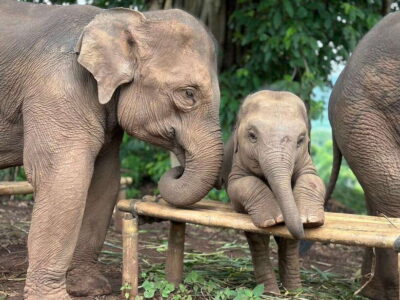
Elephant Sanctuary, Waterfall & Bamboo Rafting
Read our review →
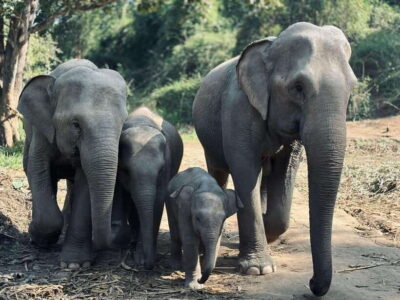
Elephant Sanctuary Feeding Program Half-Day Tour
Read our review →
Elephant Jungle Sanctuary Ethical Feeding Experience
Read our review →
Elephant Sanctuary, Long Neck & Sticky Waterfall
Read our review →
Elephant Bathing Session at Krabi Elephant Shelter
Read our review →
Elephant Sanctuary Guided Tour with Hotel Transfers
Read our review →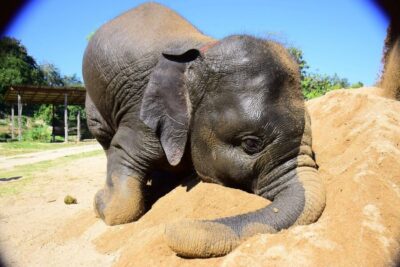
Browse the lists this tour appears in