
Reviewed · COOKING CLASSES
Authentic Thai Cooking with the Largest market visit &TukTuk ride
Start with a market, finish with a feast. This 3.5-hour Bangkok experience combines a visit to Khlong Toei Market, a tuk-tuk ride, and a hands-on Thai cooking lesson at Sabieng Thai Cooking School. The strongest parts are the fresh market setting and the clear, friendly instruction from chefs such as Pim and Alex. A possible drawback is the meeting point, which some people found unclear, so you should confirm exactly where to wait before setting out.
I like that the class teaches food you can make at home, not just dishes that look good in a school kitchen. I also like the small group size, capped at 12 people, which gives you a better chance to ask questions and get help with chopping, curry paste, seasoning, and substitutions.
In This Review
- Key points at a glance
- Why this Bangkok cooking class works so well
- Meeting at Khlong Toei Market
- The tuk-tuk ride to the school
- Inside the clean, modern cooking school
- What you may cook during the four-course lesson
- Tom yum soup
- Pad Thai
- Red or green curry
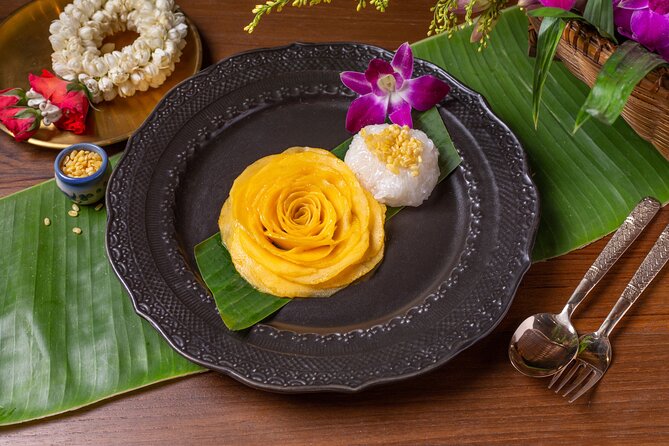
- Mango sticky rice
- The cook, eat, repeat format
- What you take home besides a full stomach
- The instructors make the difference
- The main weaknesses to consider
- Who should book this experience?
- Should you book the $44 class?
- FAQ
- How long does the Thai cooking experience last?
- Where does the experience take place?
- Is the tuk-tuk ride included?
- How many people can join the class?
- What dishes might be included?
- Are recipes provided after the class?
- Can vegetarian substitutions be arranged?
- Can I cancel or change my booking?
Key points at a glance
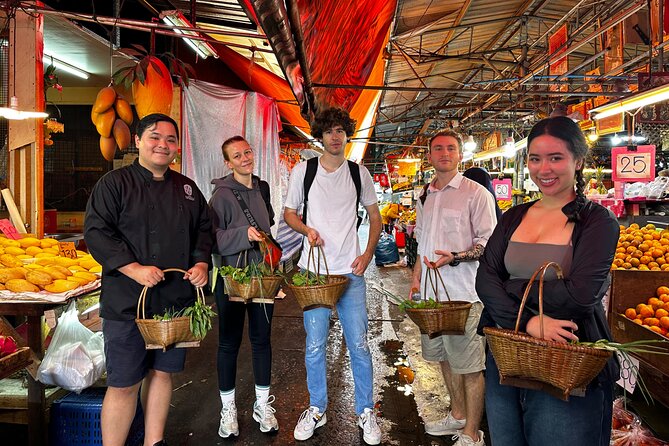
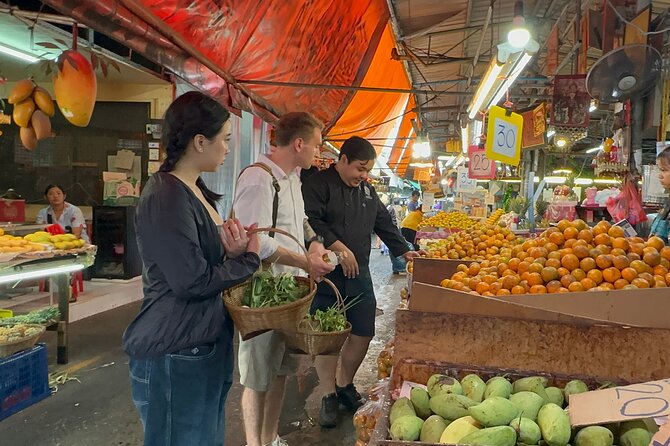
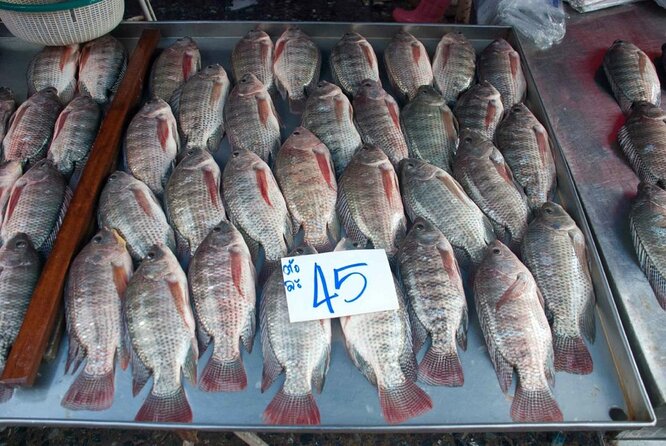
- Khlong Toei Market visit: See the fruit, vegetables, seafood, herbs, and other ingredients used in everyday Thai cooking.
- Tuk-tuk transfer: Ride from the market to the cooking school, adding a classic Bangkok touch to the morning.
- Four-course meal: Classes have included dishes such as tom yum soup, pad Thai, red or green curry, and mango sticky rice.
- Fresh preparation: You prepare and cook the dishes in stages, then eat each one while it is hot.
- Skilled instructors: Pim, Alex, Bo, and Ping have been praised for patient teaching, clear explanations, and practical tips.
- Recipes for home: Digital recipes are provided so you can try the dishes again after returning home.
Why this Bangkok cooking class works so well
Thai cooking is easy to enjoy at a restaurant and harder to understand at home. The flavors may seem simple, but the balance of sweet, sour, salty, spicy, and fragrant ingredients takes practice. This class helps connect those flavors to the actual produce and herbs you see in the market.
That connection is the heart of the experience. You do not simply arrive at a school, receive bowls of premeasured ingredients, and follow a recipe by numbers. The outing begins at Khlong Toei Market, where the food starts in its everyday setting. You get a look at the ingredients before they reach the cutting board.
The class also keeps the pace practical. You prepare a dish, cook it, and eat it before moving to the next one. That format works better than cooking four courses at once and ending with a crowded table of food that has gone cold.
At $44, the price is fair for Bangkok. You are paying for a market visit, a tuk-tuk ride, instruction, ingredients, use of a clean cooking facility, and a substantial meal. The value is strongest if you care about learning rather than simply eating. You leave with recipes and techniques that can be used again.
More Cooking Classes in Bangkok
- Bangkok: Hands-on Thai Cooking Class and Market Tour
★ 4.9 · 1,614 reviews - Bangkok: Tingly Thai Cooking School Half-Day Cooking Class
★ 4.9 · 1,191 reviews - Bangkok: Maliwan Thai Cooking Class with Market Tour
★ 4.9 · 1,133 reviews
Meeting at Khlong Toei Market
The experience begins near public transportation at the meeting location listed as PHC5+JVH in Bangkok. The market stop is Khlong Toei Market, described as Bangkok’s largest local market. The exact meeting instructions deserve attention, however.
One person had trouble finding the correct waiting point after exiting the MRT. The issue was not the market itself, but confusion about where the guide would meet the group. To avoid wasting time, check the exact exit and pickup position before you leave your hotel. If the directions provide a map pin, do not rely on the walking time alone.
Once you are with the guide, the market visit gives the cooking class a useful local frame. You can expect to see fresh produce, seafood, herbs, spices, and other staples of Thai food. The guide explains local products and helps you recognize ingredients that may be unfamiliar if you usually shop in Western supermarkets.
The market tour is not presented as a long food-history lecture. It is a short, practical introduction to what Thai cooks buy and how those ingredients look before preparation. Some people found it a little brief, but that may suit you if your main goal is the cooking lesson.
Come ready for a real market. Khlong Toei is a working food market, not a polished attraction designed only for sightseeing. That makes it useful and authentic, but it also means you should expect an active setting rather than a quiet, staged tour.
The tuk-tuk ride to the school
After the market, you ride a tuk-tuk to Sabieng Thai Cooking School. The ride is short, but it gives the morning a distinctly Bangkok feel. It is also a smart transition between the market and the kitchen, instead of asking you to arrange your own taxi or walk through unfamiliar streets.
The tuk-tuk is part of the appeal, but it is not the main reason to book. Think of it as a pleasant local transfer and a bit of transport fun. The cooking class carries most of the educational value.
The ride is included in the experience. That matters because one person who missed the market due to meeting-point confusion had to pay separately for a tuk-tuk to the school. The lesson is simple: arrive early, confirm the meeting spot, and keep the supplier’s contact details available.
Inside the clean, modern cooking school
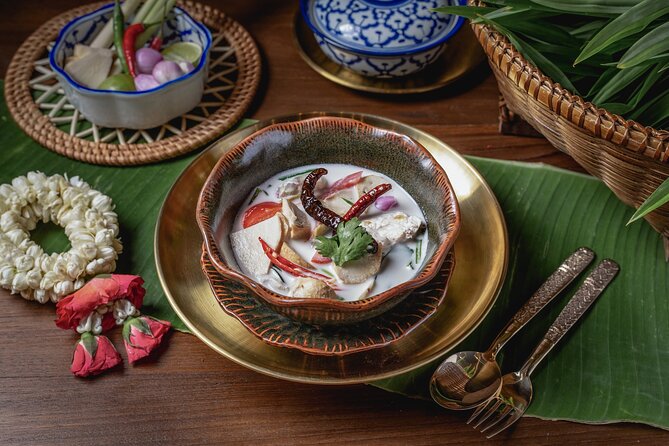
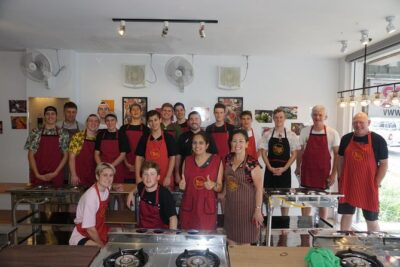
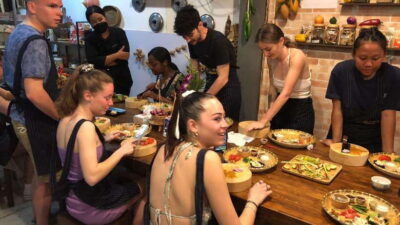
The cooking facility receives strong praise for being clean, attractive, and well organized. Several people specifically appreciated the new kitchen and good air conditioning. After the heat and activity of the market, that cool indoor space is welcome.
You wash your hands, put on an apron, and move into the preparation stage. The instructor explains the ingredients and shows you how to cut and prepare them. The tone appears professional without becoming stiff or formal.
The school’s teaching style is suited to beginners, but experienced home cooks can still pick up useful ideas. The instructors have family backgrounds in culinary arts and food preparation, and the teaching team has experience with professional culinary settings. The practical focus is more important than the credentials, though: you need clear instructions, sensible pacing, and someone willing to answer questions.
Pim is especially praised for being patient, approachable, and easy to understand. Alex is also described as precise and helpful, with clear explanations of ingredients and cooking steps. Bo has been praised for keeping dishes on track, including when younger participants were unsure about unfamiliar foods.
The instructors may vary, so you should not book solely on the assumption that one particular chef will lead your session. Still, the teaching standards appear consistent across the different names associated with the class.
More Market Tours in Bangkok
- Bangkok: Damnoen Saduak Market and Maeklong Railway Market
★ 4.5 · 26,723 reviews - The Old Siam: Damnoen Saduak and Maeklong Railway Market
★ 4.5 · 10,992 reviews - Bangkok: Train Market & Floating Market with Boat Ride
★ 4.7 · 9,547 reviews - Bangkok: City Highlights Temple and Market Walking Tour
★ 4.5 · 3,990 reviews
What you may cook during the four-course lesson
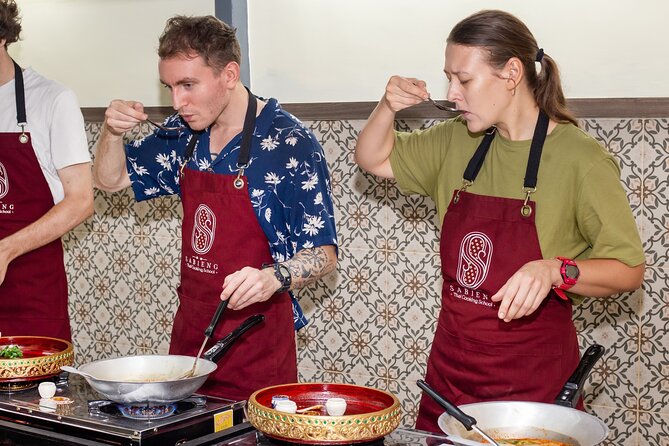
The exact menu can vary, but the dishes described in the experience include tom yum soup, chicken pad Thai, red curry, green curry, curry paste made from scratch, and mango sticky rice. That is a generous amount of food for a three-and-a-half-hour activity.
The class does not simply demonstrate these dishes while you watch. You take part in preparing them, then cook them with guidance. That hands-on structure lets you see how the same ingredients behave at different stages.
Tom yum soup
Tom yum gives you a direct lesson in Thai flavor balance. The sour, salty, spicy, and aromatic elements need to work together, and the instructor can explain how to adjust the taste. This is the sort of advice that helps at home, where bottled sauces and different brands of ingredients can change the final result.
Pad Thai
Pad Thai is familiar to many visitors, but restaurant versions can hide the steps that create its flavor. In class, you get to see the preparation more closely and learn how the ingredients come together in the pan.
One useful feature is that each participant can adjust some dishes to personal taste. That can help if you prefer less spice or need to avoid a particular ingredient.
Red or green curry
The curry portion may be the most valuable lesson for keen cooks. Some sessions include making green curry paste from scratch, while other menus feature red curry. Either way, you get a closer look at the fragrant base behind the dish.
This is also where an instructor’s practical tips matter. The class explains the ingredients and preparation instead of treating curry paste as a mysterious supermarket shortcut. You can then decide how much work you want to repeat in your own kitchen.
Mango sticky rice
The dessert is mango sticky rice, a simple dish that depends on good texture and careful handling. It is also a pleasant way to finish the meal after several savory courses.
Because you eat as you go, the dessert arrives at the end rather than sitting around while the rest of the cooking takes place. Several people found the full meal surprisingly filling, so a heavy breakfast is not necessary.
The cook, eat, repeat format
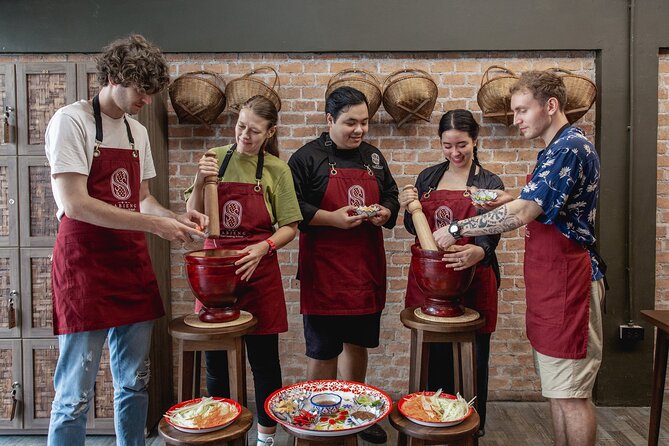
The class follows a sensible rhythm: prepare a dish, cook it, sit down and eat, then continue. This avoids the common cooking-school problem of preparing too many dishes at once.
It also gives you a chance to ask questions while the lesson is fresh. If the soup needs more sourness or the curry needs more heat, you can discuss the adjustment before moving on.
The food is made in individual portions or in a way that allows personal changes, according to the details provided by participants. That is helpful for vegetarians and for anyone with food preferences. Substitutions have been accommodated, but you should tell the school about dietary needs in advance rather than assuming every ingredient can be changed at the last moment.
You should also arrive hungry. With several courses, the meal can replace lunch, and some people found they did not need dinner afterward. This is not a token tasting. The combination of soup, noodles, curry, and dessert adds up quickly.
What you take home besides a full stomach
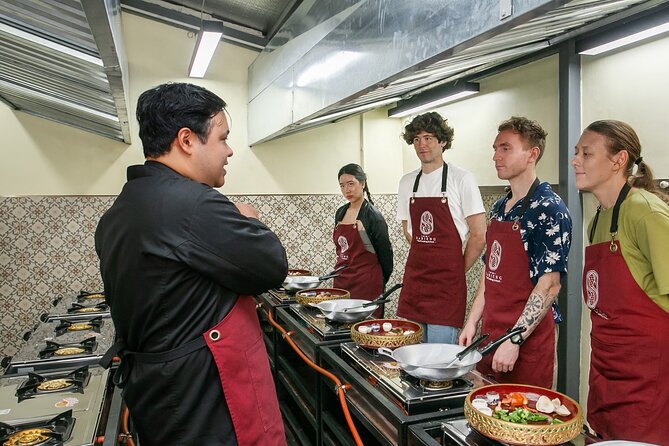
The recipes are provided online after the class. This is a major part of the value because a cooking lesson can fade quickly once you leave Bangkok.
The recipes let you repeat the dishes at home and review the steps later. The instruction also covers useful basics such as ingredient preparation, flavor balance, and how to handle Thai produce. You may not find every ingredient at your local market, but the method gives you a starting point.
The class is especially useful for people who normally rely on restaurants for Thai food. You do not need to be a keen cook. One participant who did not enjoy cooking still found the experience enjoyable, largely because the instructor kept the steps manageable and the results were good.
Families and teenagers can also benefit. The setting is active, the food is prepared in stages, and the market adds something to look at before the kitchen work begins. Picky eaters may be more willing to taste food they helped prepare.
The instructors make the difference
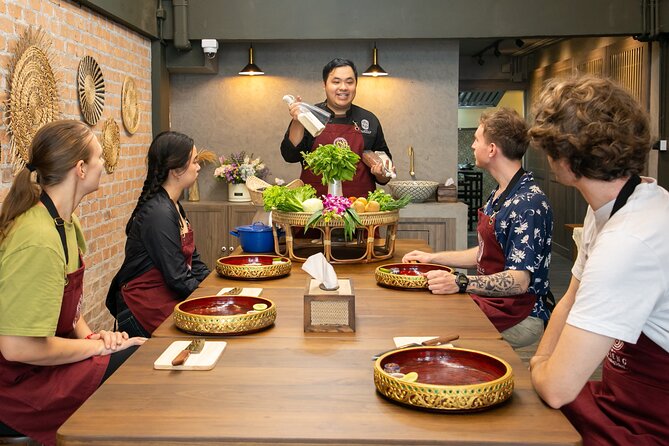
A cooking class succeeds or fails on the teacher. Here, the most praised quality is not showmanship. It is patience.
Pim is described as clear, friendly, helpful, and willing to answer questions. Alex receives praise for his market explanations and careful instruction in the kitchen. Other sessions led by Bo or Ping have also been described as pleasant and well organized.
That matters if you are new to Thai ingredients. Galangal, curry paste, herbs, seafood, and unfamiliar vegetables can be confusing when you see them only in a recipe. A good instructor explains what the ingredient does, how to prepare it, and what to do if you cannot find the exact item later.
The school also appears to maintain a professional atmosphere. The clean facility, attractive presentation, and organized sequence help the experience feel like a proper lesson rather than a casual demonstration.
The main weaknesses to consider
The meeting instructions are the clearest concern. The start point is listed with a map code, but some people wanted more precise directions, especially regarding the MRT exit and the exact pickup position. This is easy to manage if you confirm the location before leaving.
The market visit may feel short if you want a long market exploration. Its purpose is to introduce ingredients for the class, not to give you a full morning of independent shopping and street-food tasting.
The menu is not fully fixed in the available details. You may cook tom yum, pad Thai, red curry, green curry, and mango sticky rice, but you should confirm the dishes for your date if one particular recipe matters to you.
Finally, the experience is non-refundable and cannot be changed after booking. That makes careful planning important. Check your schedule, meeting point, and dietary requirements before you pay.
Who should book this experience?
I would choose this class if you want a compact introduction to Thai food that combines culture, transport, cooking, and a proper meal.
It suits:
- First-time visitors who want more than a restaurant meal
- Couples looking for a shared activity
- Families with older children or teenagers
- Beginner cooks who want clear instruction
- Experienced home cooks seeking Thai techniques
- Vegetarians who arrange substitutions ahead of time
- Food-focused visitors who want to see ingredients in a working market
You may want a different activity if your priority is a long market tour, an advanced professional cooking course, or a highly customized menu. The market portion is relatively brief, and the class is designed to be accessible rather than technically demanding.
Should you book the $44 class?
Yes, if you value participation and useful take-home skills. The combination of Khlong Toei Market, a tuk-tuk ride, a clean school, several freshly cooked dishes, and online recipes gives the $44 price solid value.
The strongest reason to book is the teaching. Pim, Alex, Bo, and Ping are praised for making Thai food understandable without making the class feel rushed or intimidating. The biggest practical warning is the meeting point, so confirm it carefully and arrive early.
If you want a relaxed Bangkok morning that ends with your own pad Thai, curry, soup, and mango sticky rice, this is a strong choice. Just do not eat a large breakfast first.
FAQ
How long does the Thai cooking experience last?
The activity lasts approximately 3 hours and 30 minutes.
Where does the experience take place?
The experience is in Bangkok, Thailand. It begins at the listed meeting location near Khlong Toei Market and ends back at the meeting point after the cooking activity.
Is the tuk-tuk ride included?
Yes. The experience includes a tuk-tuk ride from the market to the cooking school.
How many people can join the class?
The group is limited to a maximum of 12 participants.
What dishes might be included?
Dishes described for the class include tom yum soup, chicken pad Thai, red curry, green curry, curry paste made from scratch, and mango sticky rice. The exact menu may vary.
Are recipes provided after the class?
Yes. Online recipes for the dishes prepared during the class are provided.
Can vegetarian substitutions be arranged?
Vegetarian substitutions have been provided during the class. You should communicate dietary needs in advance.
Can I cancel or change my booking?
No. The experience is non-refundable and cannot be changed for any reason after booking.
More Shopping Tours
- Half-Day Railway Market and Floating Market Tour in Thailand
★ 4.5 · 3,924 reviews - Bangkok: Damnoen Saduak, Train Market & Mahanakhon Day Trip
★ 4.7 · 2,162 reviews - From Bangkok: Damnoen Saduak Floating Market Guided Tour
★ 4.4 · 2,020 reviews - Damnoen Saduak Floating Market and Maeklong Railway Market Tour
★ 4.5 · 1,588 reviews
More Tuk-Tuks
- Bangkok by Night: Temples, Markets and Food Tuk-Tuk Tour
★ 5.0 · 3,752 reviews - Bangkok Midnight Food Tuk Tuk Tour
★ 5.0 · 2,542 reviews - Bangkok: Michelin Guide Street Food Tour by Tuk Tuk
★ 4.4 · 1,274 reviews - Bangkok: Guided Tour in a Typical Thai Tuk-Tuk
★ 4.7 · 830 reviews
Just added around Bangkok
- 2-hour Bangkok Old City Night CHOB TUK TUK + Talat Noi Street Art★ 5.0 · 16 reviews
- Kanchanaburi World War 2 Private Charter Pathway of the Past Tour★ 4.5 · 16 reviews
- Floating Market with Great Pagoda Temple and Wat Sam Phran★ 5.0 · 16 reviews
- Khao Yai National Park Hiking Day Tour: Haew Narok and Haew Suwat★ 5.0 · 16 reviews
- Shangri-La Hotel’s Salathip Thai Restaurant Experience★ 4.5 · 16 reviews
- Private Transfer Bangkok – Koh Kood Island★ 4.0 · 16 reviews
- Private Half-Day Bangkok Tour Explore Grand Palace and Wat Pho★ 4.5 · 16 reviews
- The Best Bangkok Temples★ 4.0 · 16 reviews
Cooking Classes, compared.
Half-Day Thai Cooking Class at Organic Farm in Chiang Mai
Read our review →
Cooking Class, Market & Thai Herbs Garden Tour
Read our review →
Authentic Cooking Class with Market & Farm Visit
Read our review →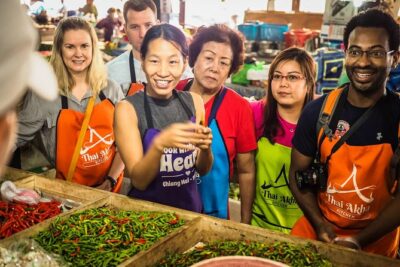
Phuket Thai Cooking Class with Market Tour Option
Read our review →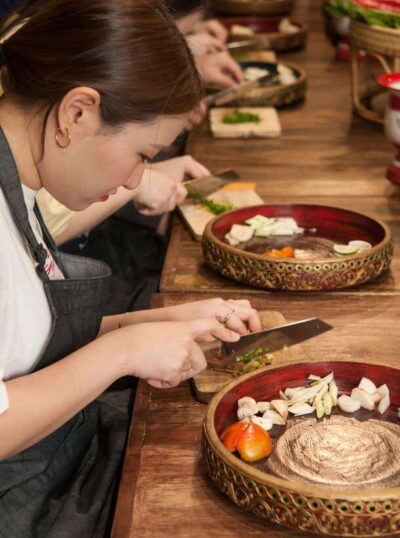
Tingly Thai Cooking School Half-Day Cooking Class
Read our review →Browse the lists this tour appears in