
Reviewed · DOI SUTHEP TEMPLE TOURS
Chiang Mai: Doi Suthep and Hmong Village Half-Day Tour
Sacred stories meet mountain air. I like the chance to visit Wat Phra That Doi Suthep, one of Chiang Mai’s essential sights, then continue to a Hmong village for a more local cultural stop. I also like the practical format: air-conditioned transport, hotel pickup, an English-speaking guide, entrance fees, and a return to town around early afternoon. The main drawback is pace. With only about four hours, both stops receive a brisk look rather than a long, unhurried visit, and the temple can be crowded.
This is a good-value choice if you want Chiang Mai’s famous mountaintop shrine without giving up a look at mountain culture. The reported rating of 4.4 from 74 bookings reflects a broadly positive experience, with praise for the pleasant outing and its efficient schedule. Bring modest clothing for the temple, arrive in your lobby early, and remember that the early pickup window matters.
In This Review
- Five things to know before you book
- Why this four-hour outing works
- The drive up Doi Suthep mountain
- Wat Phra That Doi Suthep and the 306-step choice
- Meeting Hmong culture in a mountain village
- What $28 really buys you
- Timing, transport, and the small details that matter
- The best fit for this Doi Suthep morning
- Should you book the Doi Suthep and Hmong Village tour?
- FAQ
- How long does the Doi Suthep and Hmong Village tour last?
- Where does hotel pickup take place?
- Is transportation included?
- Do I have to climb the 306 steps at Doi Suthep?
- What should I wear to Wat Phra That Doi Suthep?
- Can I cancel the tour for a refund?
Five things to know before you book
- The temple dates to 1383: Wat Phra That Doi Suthep is tied to the story of a white elephant carrying a sacred Buddha relic up the mountain.
- You choose how to reach the shrine: Climb the symbolic 306 steps, or use the tram for a simpler ascent.
- The tour includes two very different stops: Doi Suthep offers religious art, legends, and city views, while the Hmong village focuses on local customs and everyday traditions.
- The morning starts early: Pickup begins between 8:00 and 8:30 a.m. from hotels in Chiang Mai’s Old Town and Nimman areas.
- The price covers the basics: At $28 per person, you get transport, a guide, life insurance, and admission, which makes this a useful introduction to the mountain.
Why this four-hour outing works
Chiang Mai has enough temples, markets, and cafés to fill several days. Yet Doi Suthep is the sight that pulls you away from the city and gives you a sense of the area’s mountain setting. Add a Hmong village, and you get two sides of northern Thai culture in one morning.
I see this tour as an orientation rather than a full cultural study. It gives you the essential setting and stories, then leaves you time for lunch or an afternoon in town. That is its strength. You do not spend the whole day in a van, but you also do not get much free time at either stop.
The air-conditioned vehicle matters in Chiang Mai’s heat, especially on the drive up the mountain. Pickup is included from hotels in the Old Town and Nimman areas, but you need to wait in your hotel lobby at least 10 minutes before the scheduled time. The operator sends the exact time by email, so check your inbox before bed.
The schedule is listed as four hours, with roughly 30 minutes of driving each way. The stop descriptions allow about two hours at Wat Phra That Doi Suthep and two hours at the Hmong village. Since the stated return time is approximately 1:00 to 1:30 p.m., traffic and pickup arrangements can affect the exact length. I would keep the rest of your day flexible.
More ways to visit Doi Suthep:
- Chiang Mai: Doi Suthep and Wat Umong Enchanting Evening Tour
★ 4.6 · 1,811 reviews - Chiang Mai: Doi Suthep, Wat Umong, and Pha Lat Sunrise Tour
★ 4.7 · 1,425 reviews - Chiang Mai: Wat Pha Lat & Wat Phra That Doi Suthep Tour
★ 4.8 · 1,207 reviews
The drive up Doi Suthep mountain
The road from Chiang Mai to Doi Suthep is part of the appeal. As the vehicle climbs, the city gives way to mountain scenery, and you may find the changing views more enjoyable than a direct ride to the temple. The tour includes scenic views along the way, though one booking holder specifically wished for a brief stop at a viewpoint.
That is a useful expectation to set. You should expect views through the journey and from the temple area, but not necessarily a separate, scheduled photo stop. If a wide city panorama is important to you, ask the guide about the best available place to pause.
The vehicle is air-conditioned, and the transport is arranged for a fairly short morning excursion. You will not need to work out your own route up the mountain or arrange a separate admission ticket. That convenience is a major part of the $28 value.
Wat Phra That Doi Suthep and the 306-step choice
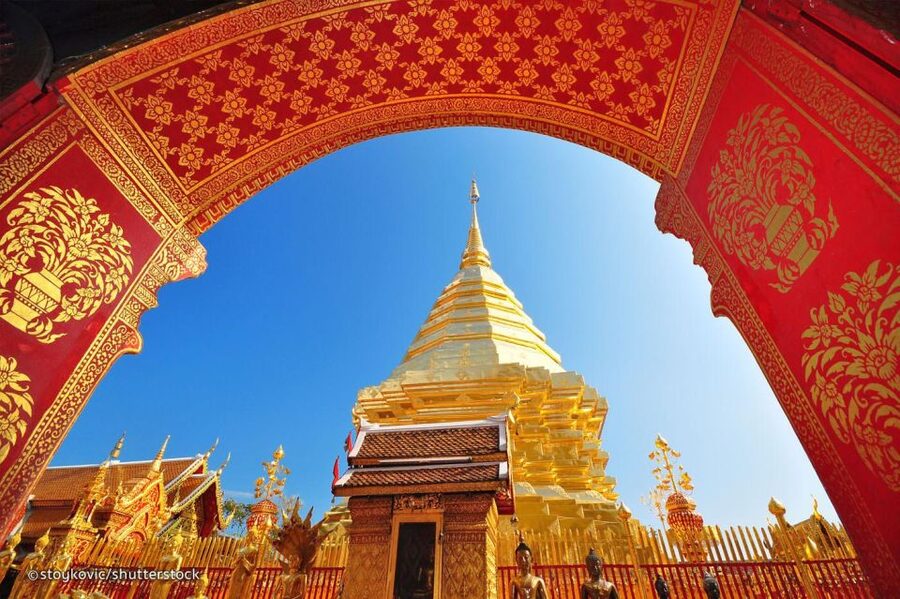
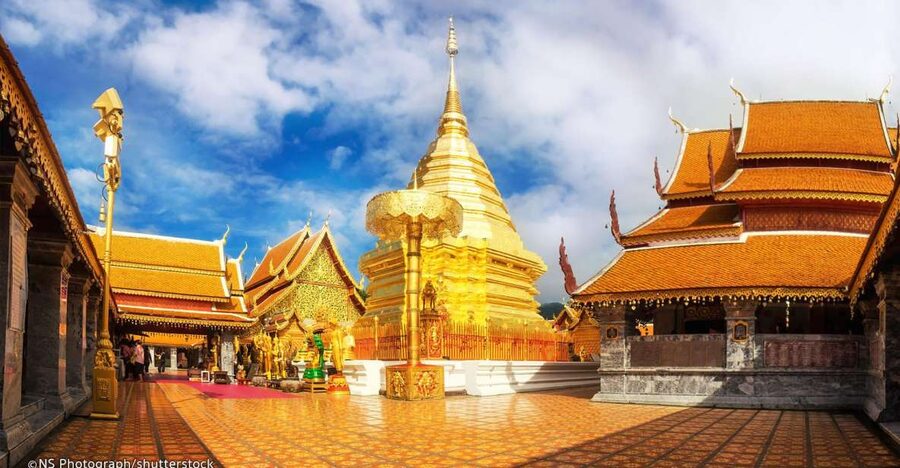
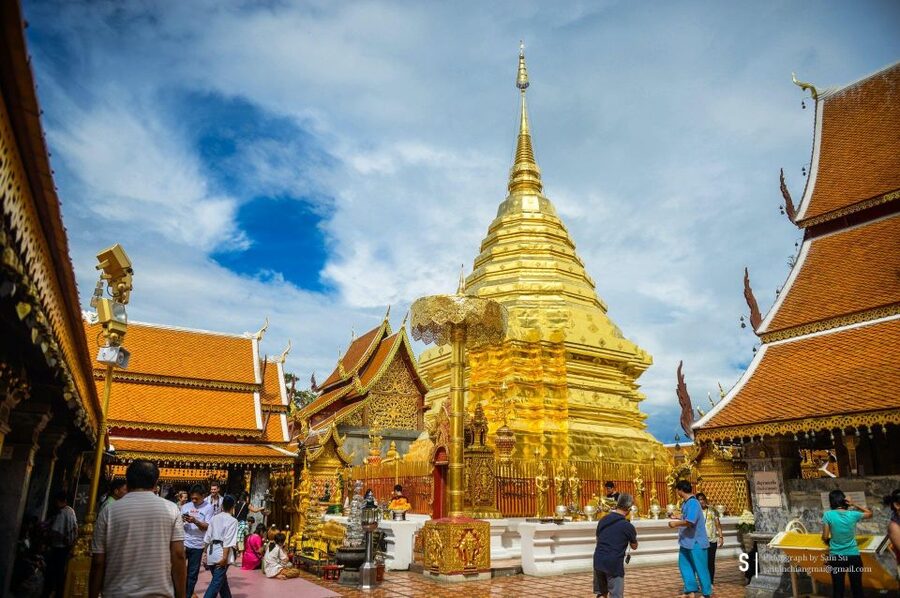
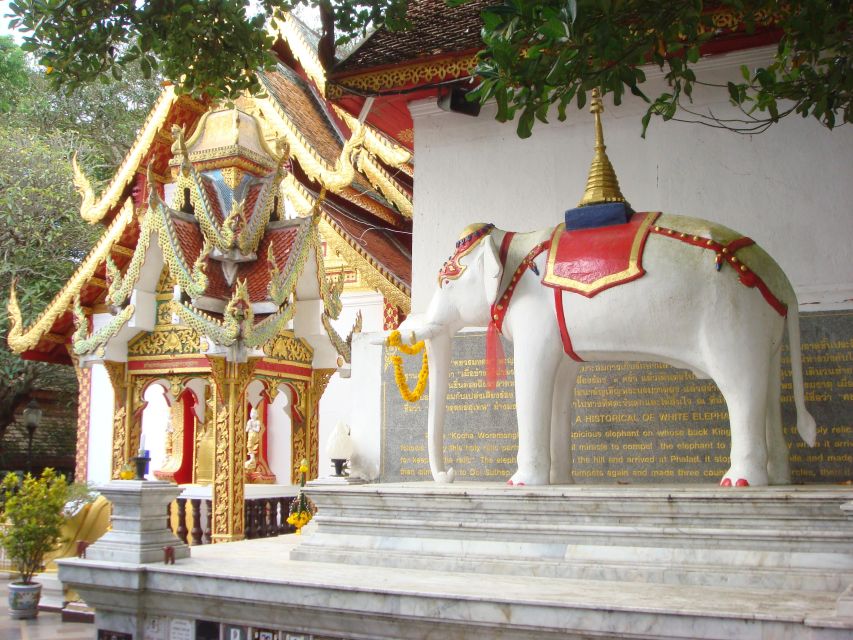
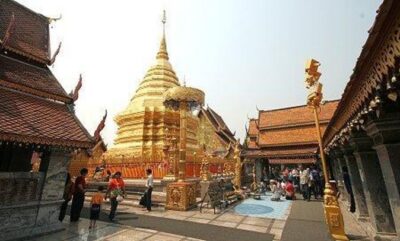
Wat Phra That Doi Suthep is the heart of the outing. The sanctuary dates to 1383 and is linked to one of Thailand’s memorable temple legends: a white elephant carried a sacred Buddha relic up the mountain, then marked the chosen site. The story gives the temple more than a pretty setting. It explains why this particular mountaintop became a place of worship.
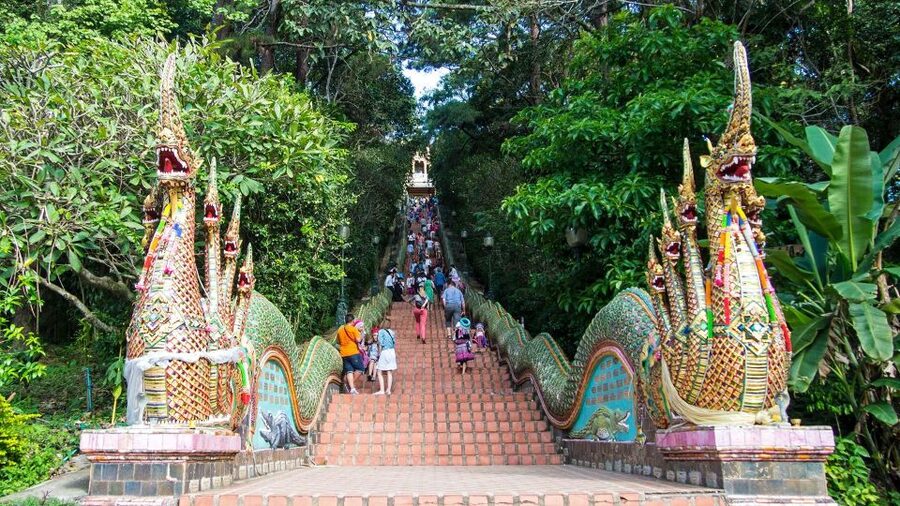
You can reach the top by climbing 306 steps or taking the tram. The staircase is a symbolic part of the visit, but it is also a real physical effort. If you are comfortable with stairs, the climb can make your arrival feel more meaningful. If you would rather save your energy for the temple itself, the tram is the sensible choice.
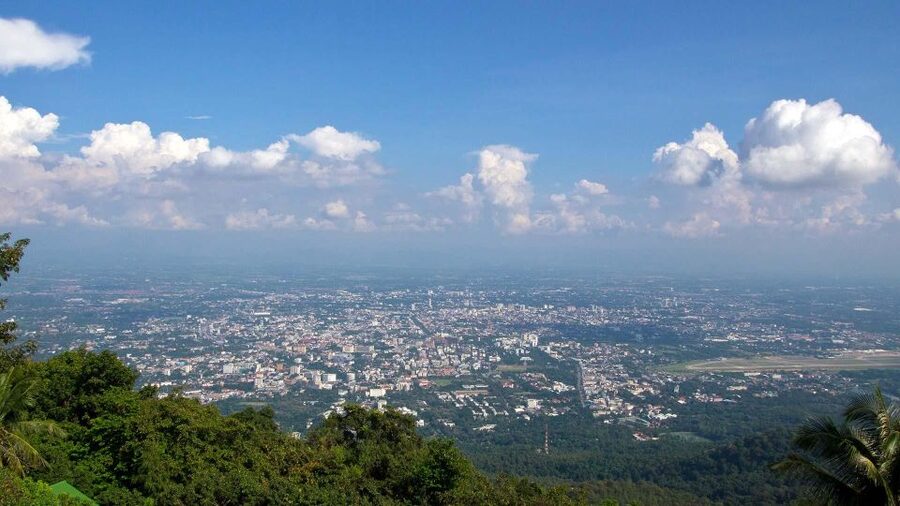
At the summit, expect time for sightseeing, views, and an explanation from the guide. The temple is known for its religious importance and its high position above Chiang Mai. From here, the city spreads below you, giving you a useful sense of how the urban center fits into the surrounding mountains.
I like that the tour gives you a choice rather than treating the stairs as a test of fitness. That makes the stop workable for different energy levels. Still, the information about accessibility is not consistent: one part says pregnant women and people with disabilities can join, while another says the tour is not suitable for pregnant women or people with mobility impairments. If that applies to you, contact Oh-Hoo before paying and ask about the exact transport, stairs, tram, and walking arrangements.
Temple etiquette is simple but important. Wear modest clothing that covers your shoulders and knees, and bring your passport or an accepted copy because identification is listed among the items to carry. You should also follow the guide’s instructions about where to walk and how to behave in the sanctuary.
Two hours sounds generous, but it can pass quickly. The temple may be crowded, particularly at popular morning times. One of the strongest practical points from the available comments is also the most honest: the visit can be lovely even when many people are present, but you should not expect a quiet private shrine.
Meeting Hmong culture in a mountain village
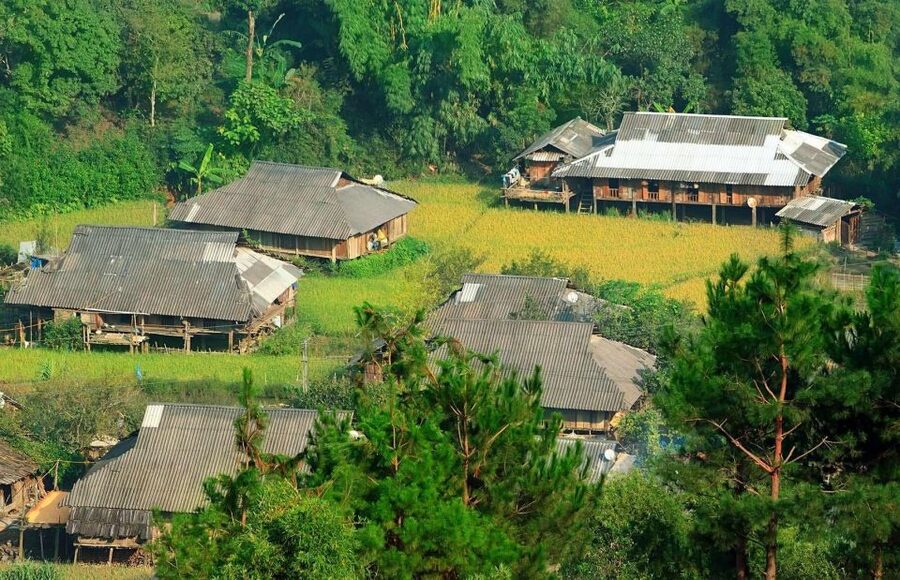
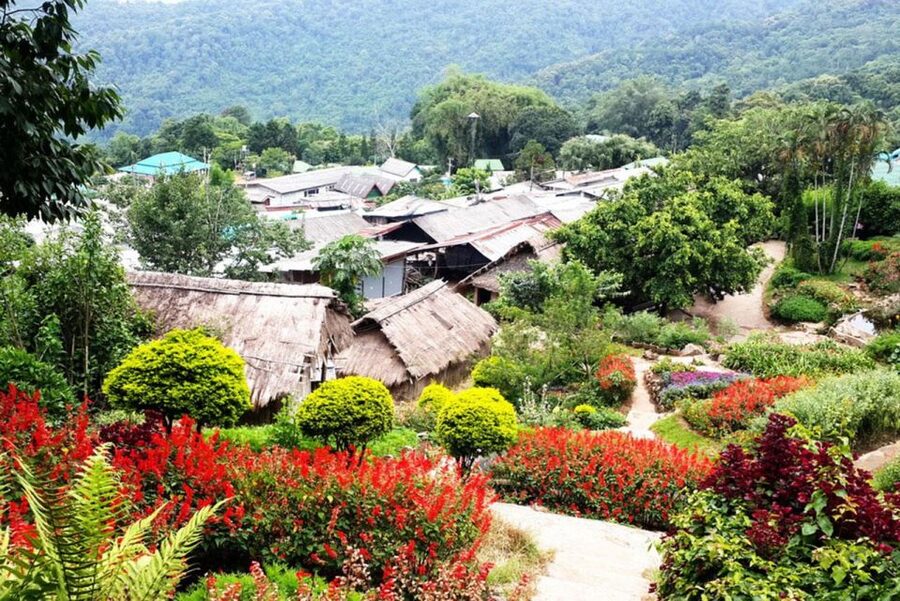
The second stop changes the tone of the morning. At the Hmong village, you walk through a local setting and learn about Hmong traditions, craft, and daily life. The value here comes from contrast. Doi Suthep presents a major religious monument, while the village gives you a closer look at a community and its cultural identity.
The visit is described as a walk and sightseeing stop lasting about two hours. You may have time to look at local artistry, hear about distinctive customs, and understand details of Hmong life that are easy to miss on a standard temple-only outing. The guide’s role is important here because context helps you see the difference between a display for visitors and a living community.
Keep your approach respectful. A village visit is not simply a backdrop for photographs. Listen to the explanations, ask before photographing people or personal spaces, and buy something only if you genuinely want it. The supplied information does not promise a particular shopping program, performance, meal, or craft workshop, so I would not book this expecting any one of those extras.
One especially appealing detail is the chance to pay 20 baht per person to visit a waterfall. That fee is separate from the tour price. Another pleasant possibility is coffee produced by the village, which you can sip while surrounded by the mountain setting. These small additions can make the stop feel more personal, but they are optional and should not be treated as included features.
The village visit will suit you if you want more than a checklist of famous monuments. It may feel less polished than a formal attraction, which is part of its interest. At the same time, the experience depends on the quality of the guide’s explanation and the time available. If you want a long conversation about Hmong history and current life, a dedicated village tour would offer more room.
A few more tours and experiences worth a look
- Half-Day Thai Cooking Class at Organic Farm in Chiang Mai
★ 5.0 · 19,087 reviews - Chiang Mai: Elephant Sanctuary Feeding Program Half-Day Tour
★ 4.8 · 4,527 reviews - Chiang Mai: HALF-DAY COOKING COURSE at a Thai Cooking Farm
★ 4.9 · 705 reviews - Half-Day Elephant Experience at Rantong
★ 5.0 · 625 reviews
What $28 really buys you
At $28 per person, this tour is priced as an easy introduction to two of Chiang Mai’s notable mountain attractions. You are paying for transport from central hotel areas, an English or Thai-speaking guide, life insurance, and admission. For someone who wants to avoid negotiating transport or planning the route, that package has clear value.
The cost is especially reasonable if you would otherwise hire separate transport to Doi Suthep and arrange the village visit yourself. You also save the time needed to coordinate admission and navigation. The tradeoff is that you follow a fixed morning schedule and share the available time between two stops.
I would not choose this tour solely because it is cheap. I would choose it because it puts the temple and village into one compact plan. The outing is most useful on a first Chiang Mai visit, during a short stay, or on a day when you want to be back in town by early afternoon.
The included admission fee removes one small uncertainty, though optional extras such as the 20-baht waterfall access are not part of the listed package. Bring a little Thai cash if you want to take advantage of that option or buy coffee.
Timing, transport, and the small details that matter
Pickup is available from hotels in Chiang Mai’s Old Town and Nimman areas. The stated pickup period begins between 8:00 and 8:30 a.m., but your exact time comes by email. You need to be ready in the lobby at least 10 minutes early. If you arrive more than 10 minutes late, you may be treated as a no-show after the guide has moved on.
That rule is strict but understandable on a short group outing. I would set an alarm, have breakfast before pickup, and keep your phone available for the operator’s message. Do not assume the vehicle will wait while you finish checking out.
The tour returns you to your hotel at approximately 1:00 to 1:30 p.m., depending on your location and traffic. This gives you a useful half-day, but do not schedule an important airport transfer or timed attraction too tightly afterward.
The advertised languages are Thai and English. If you need detailed cultural interpretation in English, it is worth confirming the guide arrangements before departure. No group size is given, so you should expect the experience to vary depending on the number of people booked that day.
Pregnant participants and people with mobility impairments are described inconsistently in the supplied information. Because the temple includes a long staircase, walking, and mountain transport, ask the operator for a clear answer before booking if stairs, balance, or prolonged standing are concerns.
Free cancellation is available up to 24 hours in advance for a full refund, and you can reserve now and pay later. Those terms are helpful if your Chiang Mai plans are still shifting. If the operator has to cancel, you are offered another date, an alternative tour, or a full refund.
The best fit for this Doi Suthep morning
I would recommend this tour to you if:
- You have only a few days in Chiang Mai and want two major cultural stops in one morning.
- You prefer hotel pickup and air-conditioned transport to arranging a driver.
- You want a guide to explain the temple legend and Hmong traditions.
- You like scenic mountain drives and city views.
- You want to return to town around lunchtime.
- You can manage walking and accept a fairly brisk schedule.
I would look elsewhere if you want a private visit, a long temple meditation period, extensive village time, or a dedicated viewpoint stop. A four-hour format cannot provide all of those things. You may also prefer an independent visit if you want to choose the exact time at Doi Suthep and avoid the possibility of crowds.
The strongest praise attached to this outing is its simple combination of convenience and enjoyment. It is described as a quick but worthwhile way to see a temple without spending the entire day on temples. That is exactly the right way to think about it.
Should you book the Doi Suthep and Hmong Village tour?
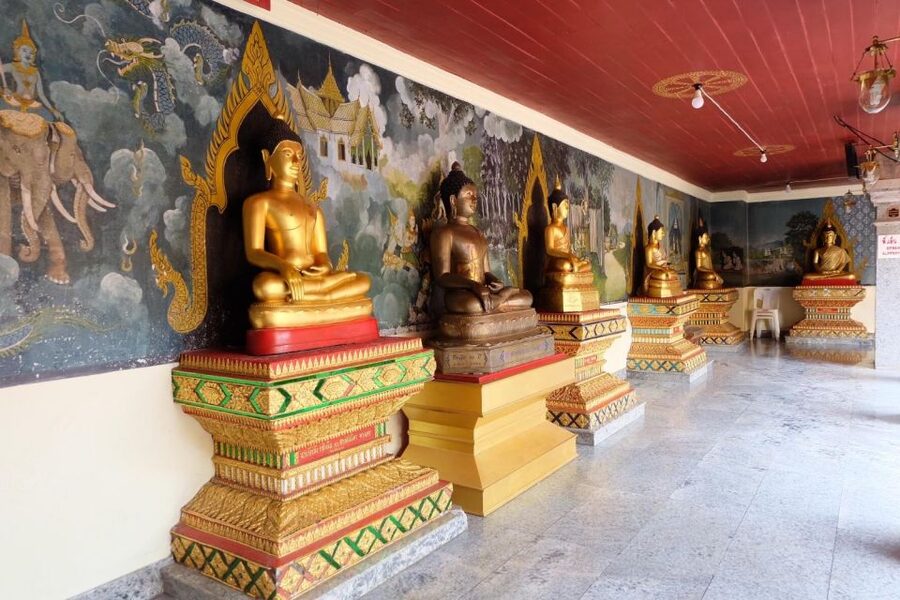
Book it if you want a well-priced morning that covers Chiang Mai’s famous mountain temple plus a cultural village visit, with transport and admission handled for you. The temple legend, 306-step or tram choice, city views, and optional waterfall and village coffee give the outing enough variety to feel like more than a routine temple transfer.
Skip it if you need a slow pace, guaranteed viewpoint photography, or a fully accessible experience without further confirmation. For most first-time visitors staying in the Old Town or Nimman area, though, $28 is a fair price for a compact introduction to Doi Suthep and Hmong culture. Plan for crowds, dress properly, check your pickup email, and treat the village as a place to listen and learn, not just another photo stop.
FAQ
How long does the Doi Suthep and Hmong Village tour last?
The advertised duration is four hours. Pickup begins between 8:00 and 8:30 a.m., and the return to your hotel is expected around 1:00 to 1:30 p.m., depending on traffic and hotel location.
Where does hotel pickup take place?
Pickup is available from hotels in Chiang Mai’s Old Town and Nimman areas. The operator confirms your exact pickup time by email.
Is transportation included?
Yes. Air-conditioned transportation from Chiang Mai’s Old Town and Nimman areas is included.
Do I have to climb the 306 steps at Doi Suthep?
No. You can choose between climbing the 306 steps and taking the tram to the temple’s upper area.
What should I wear to Wat Phra That Doi Suthep?
You should dress modestly when visiting the temple. Bring a passport or identification card, with a copy accepted.
Can I cancel the tour for a refund?
Yes. You can cancel up to 24 hours in advance for a full refund. Reserve-now, pay-later booking is also available.
Just added around Chiang Mai
- Chiang Mai: Chiang Rai White, Blue & Black Temples Day Tour★ 4.2 · 16 reviews
- Chiang Mai Adventure ATV Secret Waterfall and Bamboo Rafting★ 5.0 · 16 reviews
- Inthanon Small-Group with Kew Mae Pan Trail from Chiang Mai include Lunch★ 4.5 · 16 reviews
- 2-Day Best of Chiang Rai from Chiang Mai Private Package★ 4.5 · 16 reviews
- Private-Tour Doi Suthep Temple and Khun Chang Kien Village Half-Day★ 4.5 · 16 reviews
- Doi Inthanon Discovery Tour: Waterfalls, Villages & Highest Peak★ 3.5 · 16 reviews
- Chiang Mai Iconic Temples and City Tour★ 4.5 · 17 reviews
- 1 Hour Hot Oil Relaxing – Free Transportation★ 4.5 · 17 reviews
Doi Suthep Temple Tours, compared.
Doi Suthep and Wat Umong Enchanting Evening Tour
Read our review →
Doi Suthep, Wat Umong, and Pha Lat Sunrise Tour
Read our review →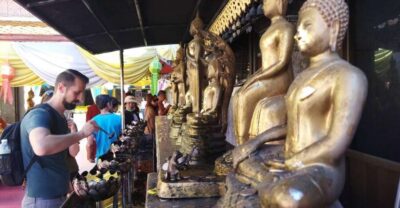
Wat Phra That Doi Suthep spiritual Sunrise Tour with an Ex-monk
Read our review →
4-Hour Doi Suthep & Hmong Hill Tribe Village from Chiang Mai
Read our review →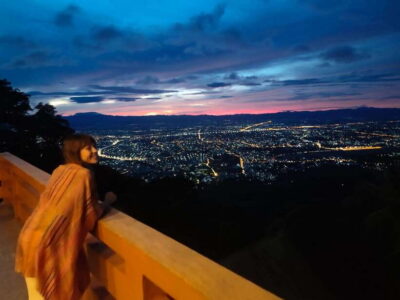
Spiritual Sunrise Wat Doi Suthep, Pha Lat, Alms & Meditation
Read our review →Browse the lists this tour appears in