
Reviewed · COOKING CLASSES
Chiang Mai: Traditional Thai-Akha Cooking Class& Market Tour
Come hungry, leave with recipes. This Chiang Mai cooking class combines a local market visit with hands-on Thai and Akha cooking, giving you much more than a quick lesson in pad Thai. I especially like the chance to learn about Akha food traditions and the freedom to adjust chili levels to suit your taste. The included market tour also gives real meaning to the ingredients you later cook.
The $41 price is strong value if you enjoy food, since it covers hotel pickup in Chiang Mai, organic ingredients, the cooking session, recipes, and a cookbook. The main consideration is time: at five to six hours, this is a substantial half-day or evening commitment, and the menu can be a lot of food for anyone with a small appetite.
In This Review
- Key points to know before booking
- Why Akha food adds something different
- The market visit sets up the cooking
- The menu is unusually generous
- Hands-on cooking, not a quick demonstration
- Desserts make the meal feel complete
- What the $41 price gets you
- Who will enjoy this Chiang Mai class most
- Timing, pickup, and practical planning
- The main strengths and limitations
- Should you book the Thai Akha Kitchen class?
- FAQ
- How much does the Chiang Mai Thai Akha cooking class cost?
- How long does the experience last?
- Does the experience include a market tour?
- Is hotel pickup included?
- Which languages are spoken during the class?
- Which dishes can I cook?
- Can I request less spicy food?
- What should I do if I have a food allergy?
- Can I cancel for a refund?
Key points to know before booking
- Akha cooking with a Thai twist: You learn dishes connected to the Akha community alongside familiar Thai favorites.
- A real market lesson: The tour begins with fresh ingredients and local food culture, not just a quick cooking demonstration.
- A very full menu: Depending on your choices, you may prepare around 11 dishes, including appetizers, soup, curry, stir-fried food, Akha dishes, and dessert.
- Chili levels can be adjusted: You can shape the recipes to your own comfort with spicy food.
- Hotel pickup is included: Pickup from your Chiang Mai hotel makes the five to six hour experience simple to arrange.
- Useful take-home material: You receive recipes, a cookbook, and spices, according to the experience details and participant feedback.
Why Akha food adds something different
Thai cooking classes are common in Chiang Mai. The Akha focus gives this one a clearer cultural purpose.
The Akha people migrated to Thailand in the early 1900s and developed cooking traditions shaped by life in the northern mountains. Their food puts attention on fresh produce, simple preparation, health, and sensible use of available ingredients. You are not just copying a recipe. You are learning why certain vegetables, herbs, pastes, and seasonings matter.
The class takes place at Thai Akha Kitchen, where the chefs connect the food to their own heritage. That personal link matters. A standard class may show you how to make curry paste. This one also gives you a window into the food traditions of a hill tribe community in northern Thailand.
I like that the menu does not force you to choose between Thai food and Akha food. You get both. Sapi Thong, an Akha tomato dipping sauce, sits beside papaya salad, spring rolls, curry, soup, and pad Thai. The result is a broad introduction rather than a narrow lesson in one famous dish.
More Cooking Classes in Chiang Mai
- Half-Day Thai Cooking Class at Organic Farm in Chiang Mai
★ 5.0 · 19,087 reviews - Chiang Mai: Cooking Class, Market & Thai Herbs Garden Tour
★ 4.9 · 4,824 reviews - Chiang Mai: Authentic Cooking Class with Market & Farm Visit
★ 4.9 · 4,546 reviews
The market visit sets up the cooking
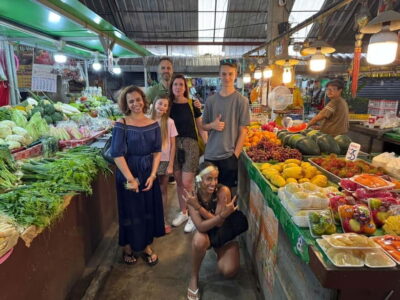
The market tour is an important part of the experience, not a filler before the cooking begins.
You can expect to look at the ingredients used in Thai and Akha recipes, learn how they fit into local cooking, and sample local delicacies and treats. The exact market stops and tasting details are not specified, so you should think of this as a guided introduction to local food shopping rather than a fixed sightseeing route.
This is where the class becomes useful for your future meals. When you see the fresh herbs, vegetables, chilies, sauces, and other ingredients before cooking, the recipes make more sense. You begin to connect the raw ingredients with the flavors on your plate.
The market portion also adds local context that you would miss in a classroom-only lesson. Thai cuisine can look intimidating when you see a long list of unfamiliar ingredients. A guide can help you understand the basics and show how freshness affects the final dish.
One participant described the morning market as a key part of understanding why food in Thailand tastes so good. That is a fair point. The market gives you a practical look at the starting point of the meal, rather than presenting every ingredient in neat bowls with no explanation.
Wear something comfortable and expect to spend time standing and walking. The experience lasts five to six hours overall, so the market tour contributes to a full morning or afternoon rather than a brief stop.
The menu is unusually generous

This is not a class where you make one curry, eat it, and go home.
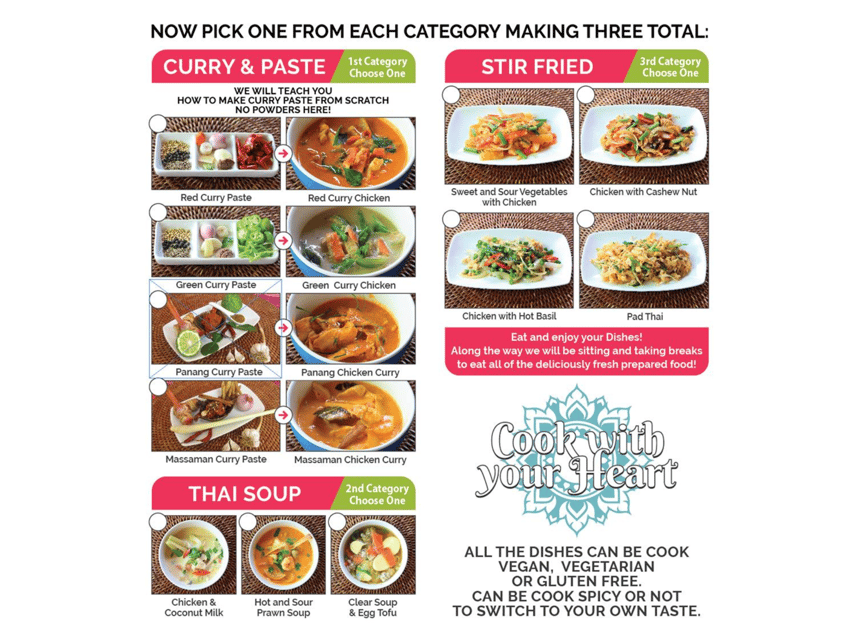
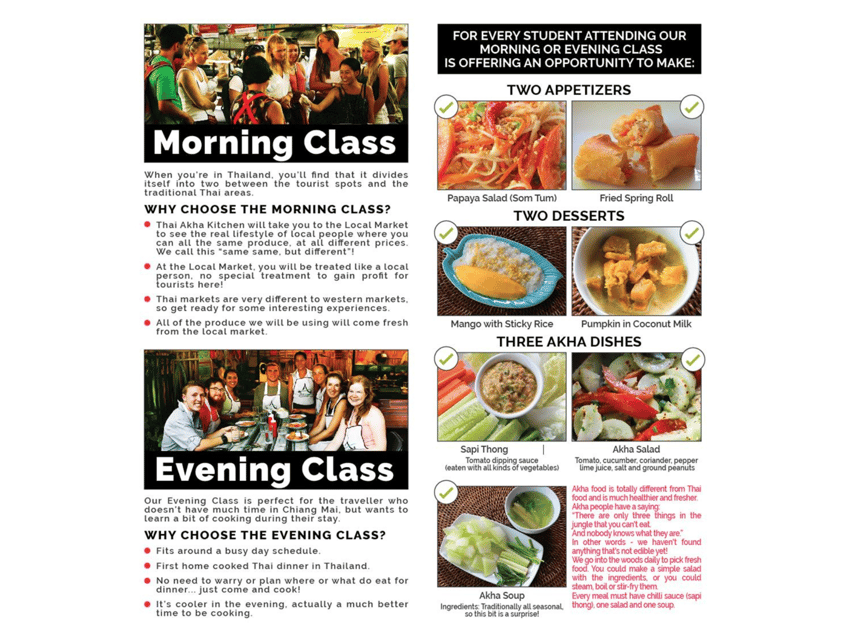
The advertised menu includes two appetizers, two desserts, three Akha dishes, one curry or paste dish, one Thai soup, and one stir-fried dish. In practice, the full session can involve about 11 dishes, depending on the choices made by the group.
Your possible dishes include:
Appetizers
- Papaya salad
- Fried spring rolls
Akha dishes
- Sapi Thong, a tomato dipping sauce
- Akha salad with tomato, cucumber, coriander, pepper, lime juice, salt, and ground peanuts
- Akha soup
Curry choices
- Red curry chicken
- Green curry chicken
- Panang chicken curry
- Massaman chicken curry
Thai soup choices
- Chicken with coconut milk
- Hot and sour prawn soup
- Clear soup with egg tofu
Stir-fried choices
- Sweet and sour vegetables and chicken
- Chicken with hot basil
- Chicken with cashew nuts
- Pad Thai
Desserts
- Mango with sticky rice
- Pumpkin in coconut milk
The menu gives you a useful range of Thai flavors. You move from sour and fresh papaya salad to creamy curry, hot and sour soup, sweet desserts, and a stir-fried dish. The Akha recipes provide the most distinctive part of the meal, while the Thai dishes give you recipes you may already recognize from restaurants at home.
The selection process matters. You choose one curry, one soup, and one stir-fried dish from the available options. The exact way choices are handled can depend on the class, but the menu gives you a good chance to focus on foods you actually want to eat.
If you have your heart set on one particular dish, check the available choices when you book or contact the provider. The class does not promise that every participant will cook every curry, soup, and stir-fry listed.
Hands-on cooking, not a quick demonstration
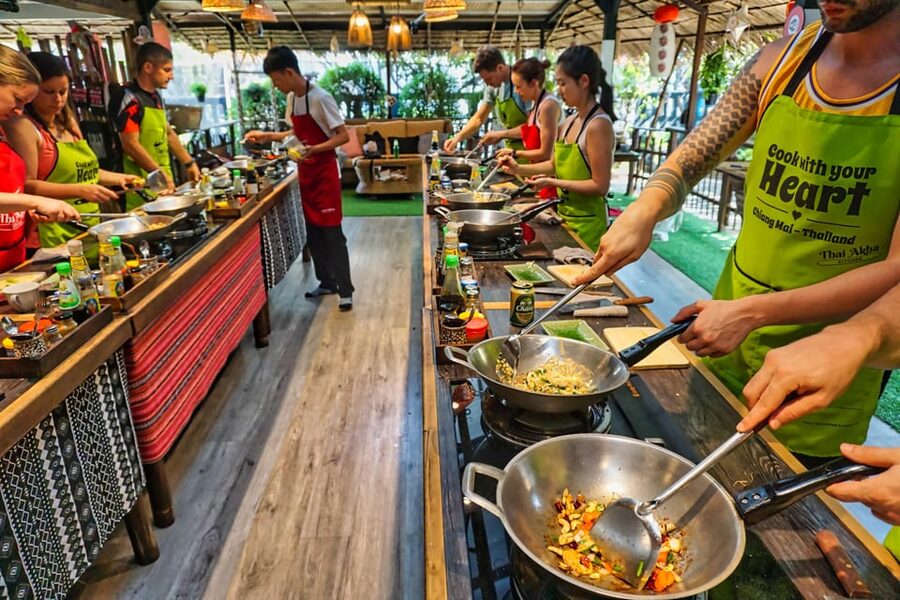
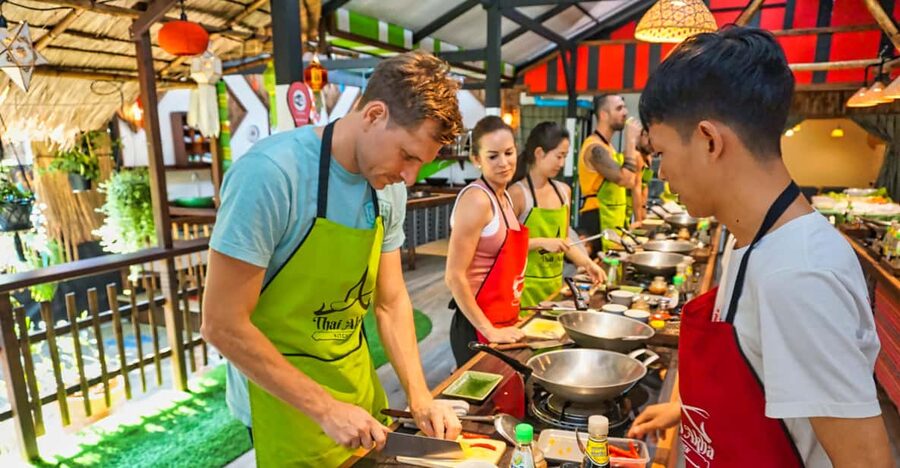
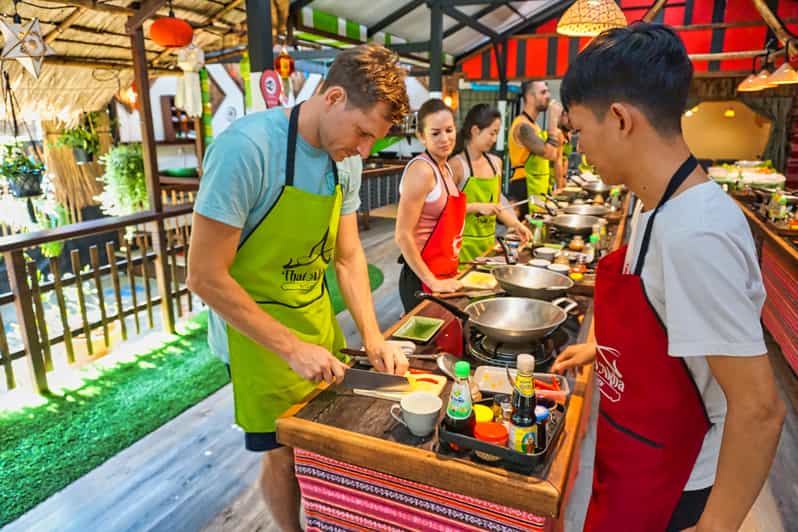
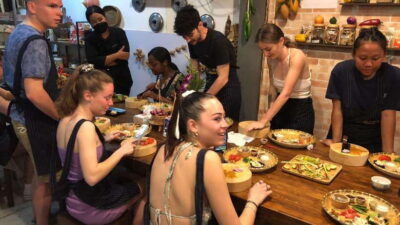
The appeal here is the amount of time spent cooking. The class portion can run for about three hours, giving you room to prepare several dishes rather than rush through one or two.
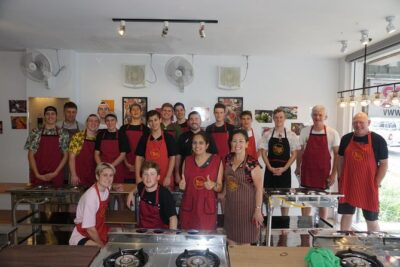
You should expect to follow the instructor step by step, work with fresh ingredients, and then eat what you prepare. The teaching is in English and Thai. An, who led one highly praised class, was singled out for being warm and helpful. Xuan and Evelyn also received strong praise for their friendly teaching and good humor.
Those names are useful if you want a sense of the teaching style. The class appears to rely on personal instruction and an easygoing atmosphere rather than a stiff culinary lecture. You can ask questions, watch techniques closely, and adapt the food to your preferred level of heat.
The ability to control spice is a real advantage. Thai recipes can be much hotter than many visitors expect, but you do not need to punish yourself to learn Thai food. You can adjust the chili level while keeping the main flavor of the dish intact.
The class has also been praised for its pace. With many dishes on the menu, poor organization could make the session tiring. The available feedback describes the cooking as well paced and the staff as funny, helpful, and encouraging. That suggests the class keeps the workload moving without turning it into a race.
Still, you should be realistic about the scale. Eleven dishes is a lot of food and a lot of kitchen activity. If you want a quiet, slow lesson focused on one recipe, this may feel busy. If you want variety and a generous meal, the large menu is a major plus.
More Market Tours in Chiang Mai
- Chiang Mai: Cooking Class with Market and Pickup
★ 4.9 · 1,365 reviews - Chiang Mai: Evening Cooking Class and Local Market Visit
★ 4.9 · 648 reviews - Chiang Mai: Evening Local Street Food Market Tour
★ 4.8 · 604 reviews - Chiang Mai: Kalare Night Bazaar Boxing Stadium Muay Thai
★ 4.7 · 507 reviews
Desserts make the meal feel complete
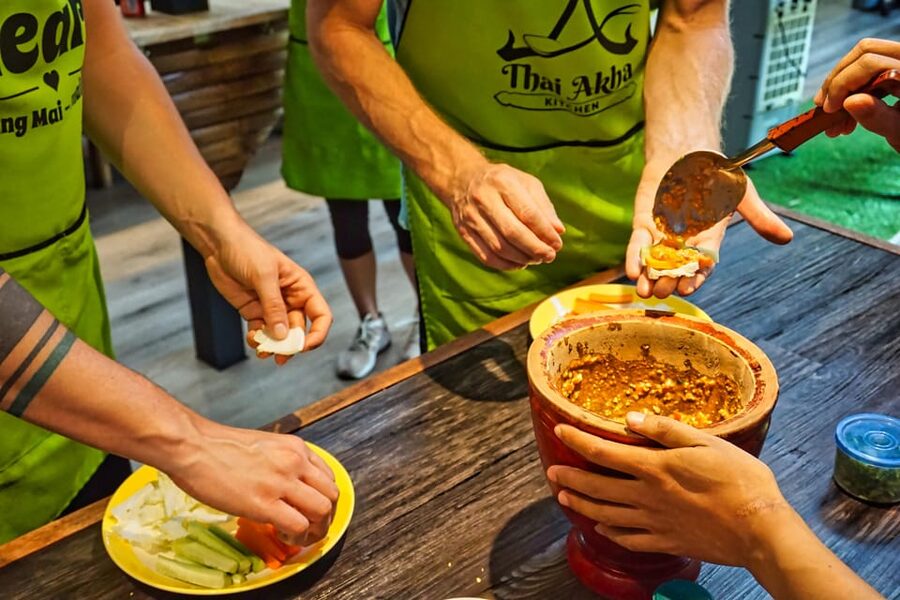
Thai cooking classes often focus so heavily on curry and noodles that dessert becomes an afterthought. This menu gives sweets proper space.
Mango with sticky rice is one of Thailand’s best-known desserts, pairing sweet fruit with coconut-flavored sticky rice. Pumpkin in coconut milk offers a different texture and a gentler, creamy finish.
These dishes also show how Thai cooking uses familiar ingredients in ways that may be new to you. The desserts are simple compared with elaborate Western pastries, but they depend on balance, texture, and good produce.
You may not prepare both desserts in every class arrangement, so check how the menu is divided. The advertised selection includes both, and the overall experience places clear emphasis on making and eating a broad set of dishes.
What the $41 price gets you
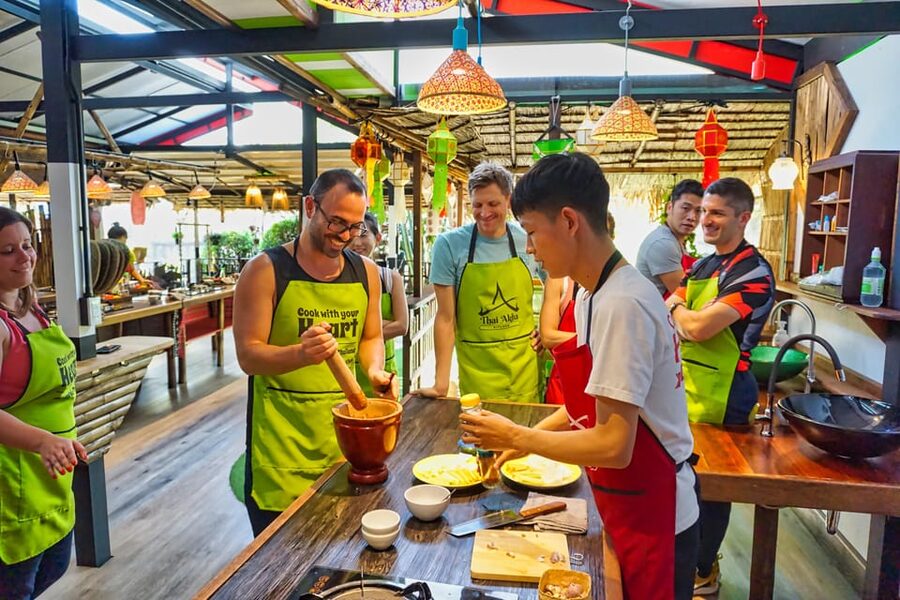
At $41 per person, this is priced as an accessible food experience rather than a luxury cooking school.
The value comes from the combination of services. You receive hotel pickup from Chiang Mai, the market visit, the cooking lesson, organic ingredients, recipes, and a cookbook. You also eat the dishes you prepare, which turns the class into both an activity and a substantial meal.
Hotel pickup is especially useful. Chiang Mai traffic and unfamiliar streets can make a morning or afternoon class harder to arrange on your own. Pickup removes one small travel task and helps the experience fit neatly into your day.
The cookbook and recipes improve the value after you return home. A cooking class is easy to forget if you leave with only a full stomach. Written instructions give you a chance to repeat the Akha salad, curry, soup, or dessert in your own kitchen.
One participant also received spices to take home. Spices are not clearly listed among the official inclusions, so consider them a possible extra rather than a guaranteed part of every booking.
Personal expenses are not included. That wording is broad, so bring money if you want to buy anything at the market or pay for items beyond the class itself. The activity price covers the listed program, not personal shopping.
Who will enjoy this Chiang Mai class most
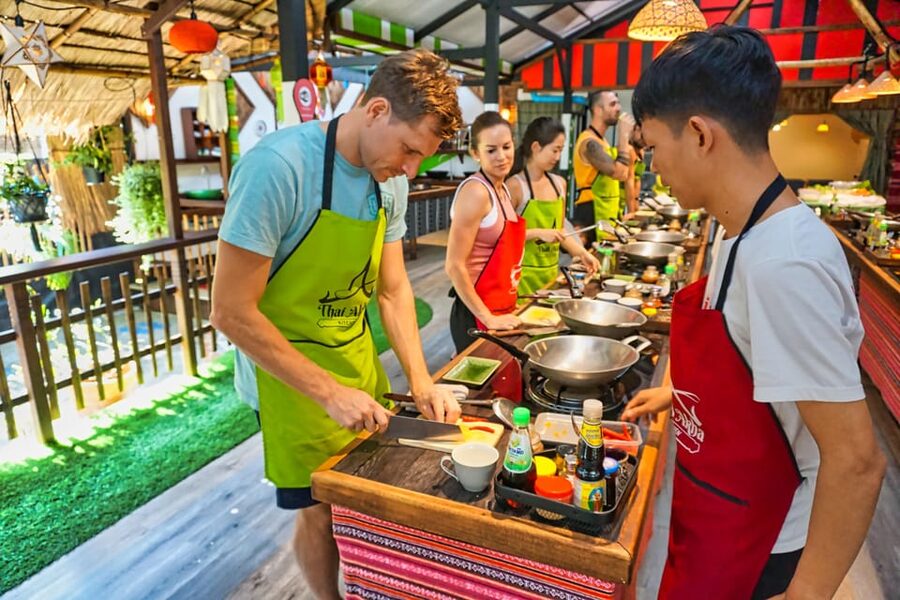
I would recommend this class to several types of visitors.
Food-focused visitors get a large menu and practical instruction. You can taste local ingredients, learn several Thai dishes, and take recipes home.
First-time visitors to Thailand get a useful introduction to the ingredients behind familiar dishes. The market tour helps connect food with daily life in Chiang Mai.
Returning visitors may appreciate the Akha focus. If you have already eaten plenty of green curry and pad Thai, the Akha recipes give you something less routine.
Couples, friends, and families with older children can enjoy the social side of preparing food together. The five to six hour length means you should choose it when everyone in your group is happy to spend a good part of the day around food.
I would be more cautious if you have strict dietary needs. The menu includes chicken, prawns, peanuts, coconut milk, and other possible allergens. You must tell the provider about food allergies in advance by email or WhatsApp. The available details do not promise vegetarian, vegan, gluten-free, or other specialized menus, so ask before booking.
This is also not the best fit if you dislike group activities or want complete control over every dish. You choose from set options, and the group may work from shared selections.
Timing, pickup, and practical planning

The duration is five to six hours, with starting times available according to the date you choose. The experience includes pickup from a Chiang Mai hotel, but the provided details do not specify an exact pickup window or coverage outside Chiang Mai.
Plan your day around the full length. Do not place an important appointment immediately afterward, especially if pickup or traffic adds time. The class can be offered in the morning or evening based on available sessions, and feedback describes both a morning market visit and an evening cooking class.
English and Thai are the listed teaching languages. If you need detailed explanations about ingredients or cultural history, English instruction is available, but the exact depth may depend on the individual instructor and the group.
You can cancel up to 24 hours in advance for a full refund. The reserve-now, pay-later option is also useful if your Chiang Mai plans are still changing. Availability and starting times need to be checked for your chosen date.
The main strengths and limitations
The strongest part is the combination of market, culture, and cooking. Each element supports the next. You see ingredients, hear about Akha food traditions, prepare the dishes, and then eat them.
The teaching staff also gets high marks for warmth. An, Xuan, and Evelyn are associated with a relaxed, friendly approach. That matters in a cooking class, where a patient instructor can make unfamiliar techniques feel manageable.
The range of food is another major strength. You are not limited to a single famous Thai recipe. You get salads, dipping sauce, soup, curry, stir-fried food, noodles, and dessert.
The drawbacks are mostly practical. The class is long, the food quantity is large, and not every dish listed may be prepared by every participant. The experience is also specifically tied to Akha and Thai cooking, so it will not suit someone seeking a broad survey of all northern Thai cuisine.
Should you book the Thai Akha Kitchen class?
I would book this if you want a substantial food experience with cultural context, not just a quick recipe lesson. The $41 price is fair for the market visit, hotel pickup, organic ingredients, cooking session, meal, recipes, and cookbook.
Book it especially if you like trying several dishes, want to control the chili level, and enjoy learning from friendly instructors. Contact the provider first if you have allergies, dietary restrictions, or one specific dish you must cook.
Skip it if you want a short activity, dislike group cooking, or would rather spend your Chiang Mai time visiting temples and markets independently. For everyone else, this is a practical and personable way to turn a meal into a skill you can carry home.
FAQ
How much does the Chiang Mai Thai Akha cooking class cost?
The price is $41 per person.
How long does the experience last?
The activity lasts approximately five to six hours.
Does the experience include a market tour?
Yes. A local market tour is included before the cooking session.
Is hotel pickup included?
Yes. Pickup service from a Chiang Mai hotel is included.
Which languages are spoken during the class?
Instruction is available in English and Thai.
Which dishes can I cook?
The menu includes papaya salad, fried spring rolls, Akha dishes, several curry choices, Thai soups, stir-fried dishes, and desserts. You choose one curry, one Thai soup, and one stir-fried dish from the listed options.
Can I request less spicy food?
Yes. The cooking can be adapted to your preferred level of spiciness.
What should I do if I have a food allergy?
Tell the provider in advance by email or WhatsApp.
Can I cancel for a refund?
Yes. You can cancel up to 24 hours in advance for a full refund.
More Workshops
- Thai and Akha Cooking Class in Chiang Mai
★ 5.0 · 4,358 reviews - Chiang Mai: Cooking Class with Organic Farm at Mama Noi
★ 4.9 · 1,151 reviews - Cooking Class with Organic Farm in Chiang Mai at Mama Noi
★ 5.0 · 502 reviews - Chiang Mai: Elephant Sanctuary & Thai Cooking Workshop
★ 4.9 · 276 reviews
More Shopping Tours
- Evening Cooking Class in Organic Farm with Local Market Tour
★ 5.0 · 394 reviews - Chiang Mai: Elephants, Sticky Waterfalls, Market and Temple
★ 4.9 · 227 reviews - Cooking Morning Class Chiang Mai Visit Organic Garden and Market
★ 5.0 · 211 reviews - Chiang Mai Temples and Market Tuk-Tuk Evening Night Tour
★ 4.5 · 201 reviews
Just added around Chiang Mai
- Chiang Mai: Chiang Rai White, Blue & Black Temples Day Tour★ 4.2 · 16 reviews
- Chiang Mai Adventure ATV Secret Waterfall and Bamboo Rafting★ 5.0 · 16 reviews
- Inthanon Small-Group with Kew Mae Pan Trail from Chiang Mai include Lunch★ 4.5 · 16 reviews
- 2-Day Best of Chiang Rai from Chiang Mai Private Package★ 4.5 · 16 reviews
- Doi Inthanon Discovery Tour: Waterfalls, Villages & Highest Peak★ 3.5 · 16 reviews
- Private-Tour Doi Suthep Temple and Khun Chang Kien Village Half-Day★ 4.5 · 16 reviews
- Chiang Mai Iconic Temples and City Tour★ 4.5 · 17 reviews
- Fantastic! Famous Doi Inthanon National park tour with 2hr trekking★ 4.5 · 17 reviews
Cooking Classes, compared.
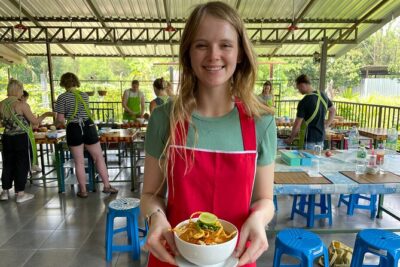
Half-Day Thai Cooking Class at Organic Farm in Chiang Mai
Read our review →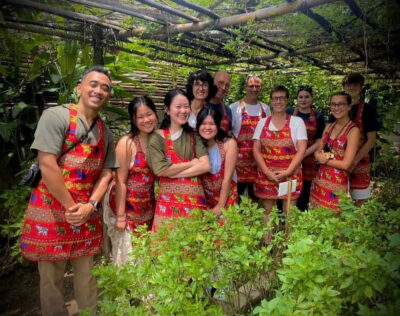
Cooking Class, Market & Thai Herbs Garden Tour
Read our review →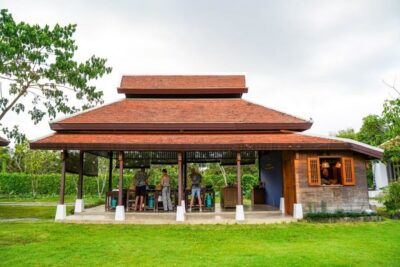
Authentic Cooking Class with Market & Farm Visit
Read our review →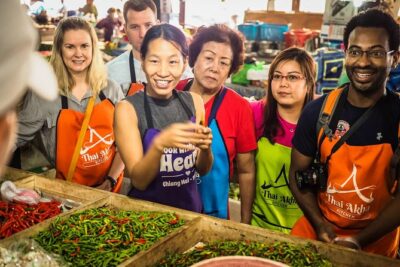
Phuket Thai Cooking Class with Market Tour Option
Read our review →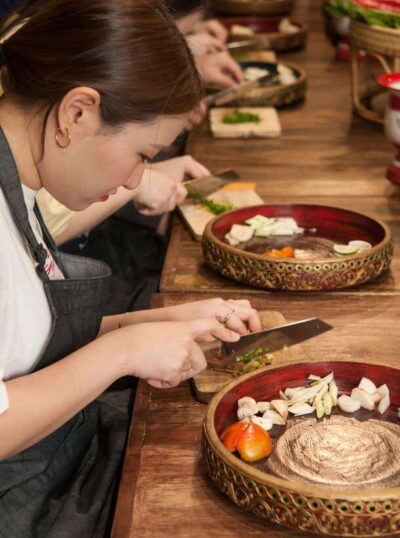
Tingly Thai Cooking School Half-Day Cooking Class
Read our review →Browse the lists this tour appears in