
Reviewed · COOKING CLASSES
Half-Day Cooking Class with Market Tour
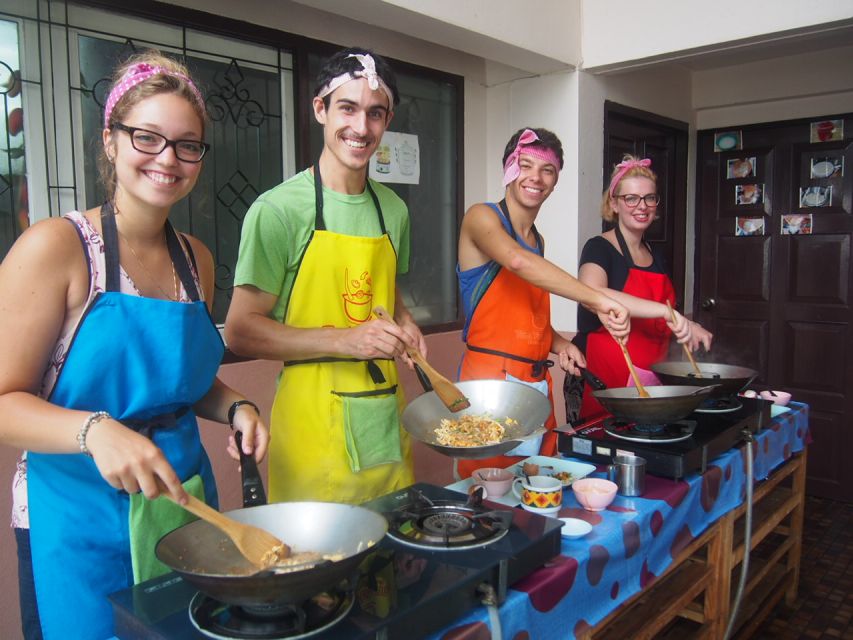
Come hungry, leave with recipes. This five-hour Chiang Mai experience combines a local market visit with hands-on cooking in a family home, giving you a useful look at Thai ingredients and everyday food. I especially like the small groups of up to 10 and the freedom to choose dishes from several Thai menus. The warm husband-and-wife teaching team, including instructors named Oun, Orn, Mind, and Mindy in past sessions, also adds a personal touch.
The main consideration is simple: there is a lot of food. You may cook and eat five dishes plus sticky rice with mango, so eating beforehand is a poor plan. The class takes place in a home rather than a polished commercial kitchen, which is part of its charm, though visitors looking for a formal culinary school may prefer a more structured setting.
In This Review
- Key points at a glance
- Starting with Chiang Mai’s local market
- Cooking inside a Thai home
- Choosing your five dishes
- Learning more than a recipe
- Eating the food as you go
- The recipe book makes the experience useful later
- Morning and afternoon timing
- Is $36 a fair price?
- Who will enjoy this class most?
- Practical tips before you book
- Should you book Tom Yum Thai Cooking School?
- FAQ
- Where does the cooking class take place?
- How long does the experience last?
- Is hotel pickup included?
- What time is pickup?
- How many people are in the class?
- What language is the class taught in?
- How many dishes will I cook?
- Can I request vegetarian or allergy-friendly food?
- What is included in the price?
Key points at a glance
- Local market before the cooking: Learn about Thai vegetables, herbs, curry ingredients, and seasonings while seeing how local residents shop.
- Choose your own menu: Select dishes from stir-fries, soups, appetizers, curry pastes, and curries.
- Home kitchen setting: Cook in the hosts’ house, with a friendly atmosphere and plenty of personal help.
- Five dishes plus dessert: You prepare your selected dishes and sticky rice with mango, then eat each one during the class.
- Good for dietary requests: Vegetarian, gluten-free, pescatarian, allergy, and other food requests can be discussed in advance.
- Strong value at $36: Hotel transport, market visit, instruction, food, drinks, recipes, and dessert are all included.
Starting with Chiang Mai’s local market
The day begins with hotel pickup between about 8:45 and 9:15 in the morning, or around 3:00 to 3:30 for the afternoon class. Pickup is included for hotels and meeting points within 3 kilometers of Chiang Mai’s old city. You should wait in the lobby or at the agreed pickup point 10 minutes early.
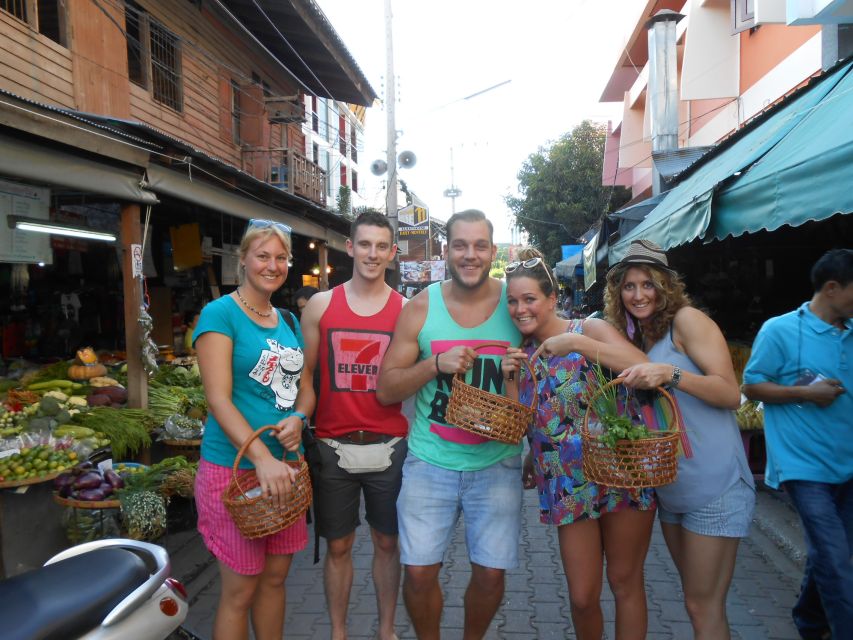
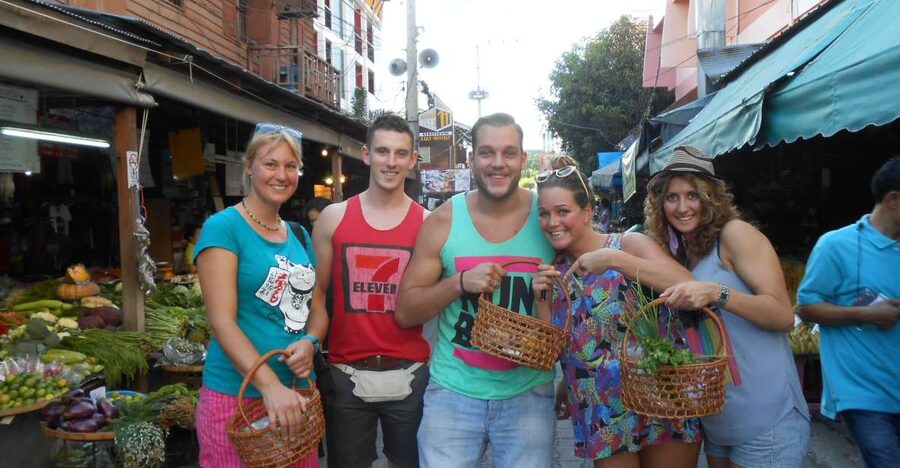
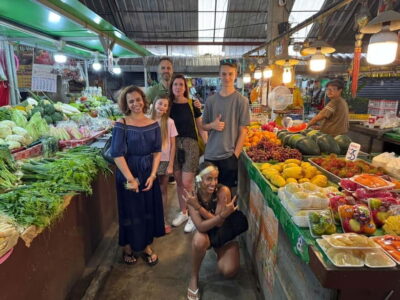
The market stop is more than a quick shopping errand. Your guide introduces the vegetables, herbs, seasonings, and other ingredients used in the class. This helps put familiar Thai dishes into context. Instead of seeing an unfamiliar curry paste or leafy vegetable on a restaurant menu, you start to understand what it looks like and how it fits into Thai cooking.
You also get a short look at local shopping habits. That matters because food markets often explain a place better than a sightseeing stop. You see the ingredients people use at home, not just the dishes prepared for visitors.
The market visit is not designed as a long food tour. Its purpose is practical: learn the ingredients, help gather some items, and prepare yourself for the cooking session. If you want an extended market exploration with many tastings, this may feel brief. For a half-day class, though, the stop gives useful context without taking time away from the kitchen.
Seasonal fruit and snacks are also available during the experience. Drinking water, tea, and coffee are included, which is welcome in Chiang Mai’s heat.
More Cooking Classes in Chiang Mai
- Half-Day Thai Cooking Class at Organic Farm in Chiang Mai
★ 5.0 · 19,087 reviews - Chiang Mai: Cooking Class, Market & Thai Herbs Garden Tour
★ 4.9 · 4,824 reviews - Chiang Mai: Authentic Cooking Class with Market & Farm Visit
★ 4.9 · 4,546 reviews
Cooking inside a Thai home
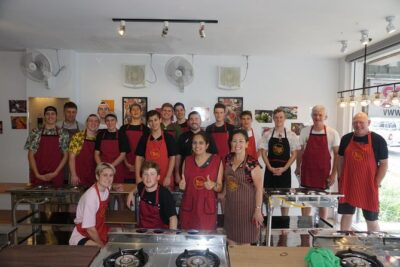
After the market, you continue to the cooking school, located in the instructors’ home. The home setting is one of the clearest reasons this class feels different from a large demonstration kitchen. The hosts welcome you into a personal space, and the tone is friendly rather than formal.
Several past class descriptions point to the husband-and-wife team as a major strength. Oun and Orn are mentioned as entertaining instructors, while Mind and Mindy are praised for clear English and patient explanations. The exact teacher may vary, but the consistent pattern is a relaxed class led by people who enjoy talking about Thai food.
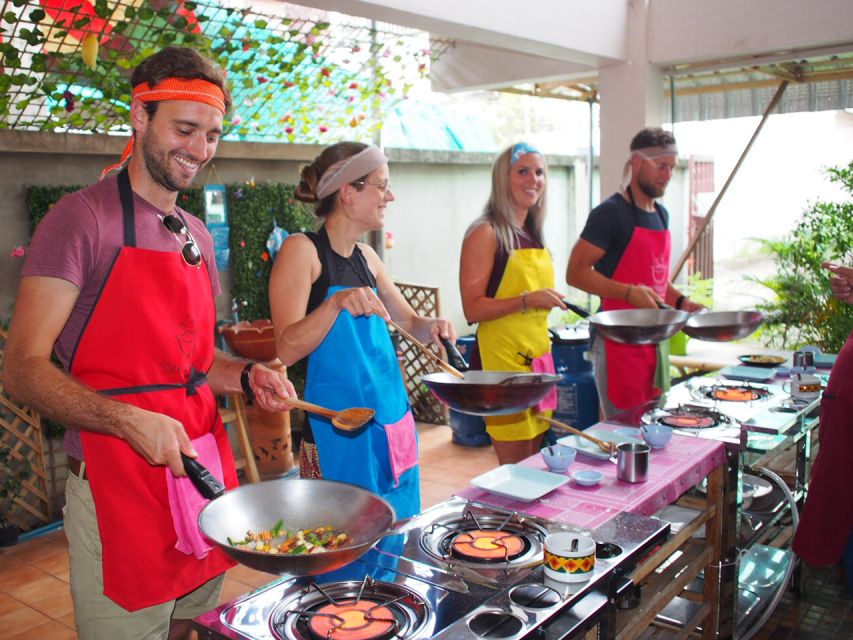
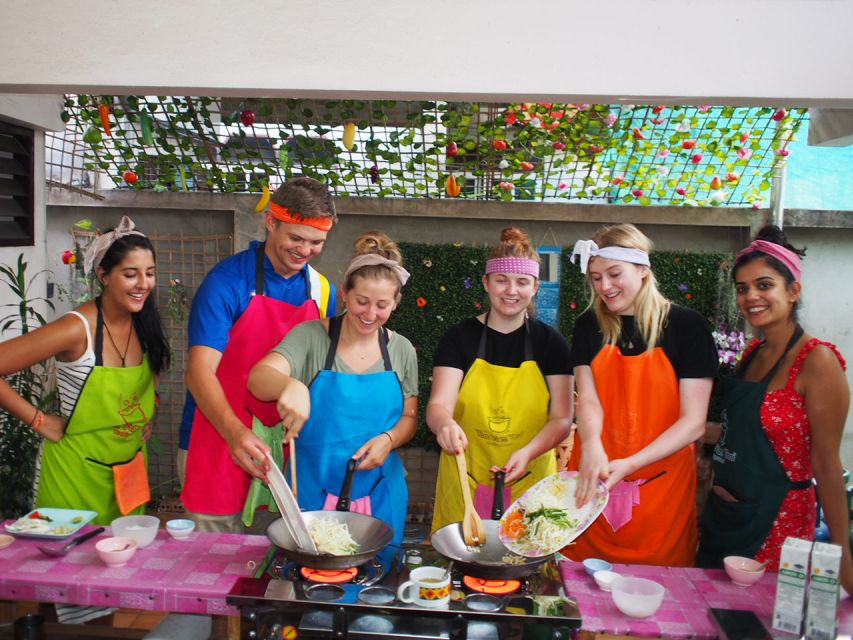
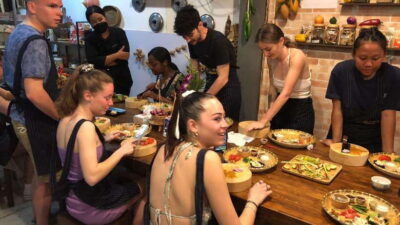
The house has separate areas for preparing, cooking, and eating. One room is used for preparation, another for cooking, and an air-conditioned room is available for eating. Each person has an individual cooking station and skillet, so you are not simply watching someone else make dinner.
That setup is especially useful for beginners. You can cut and prepare your own ingredients, then cook your dish yourself while the instructor helps as needed. The transition from cooking to eating is quick, so each dish can be enjoyed while it is fresh.
The home kitchen is clean and well equipped according to the information provided by past participants. Still, keep expectations realistic. This is a friendly home-based class, not a professional chef-training course. You are there to learn practical Thai cooking, share a meal, and spend time with the hosts.
Choosing your five dishes
The menu is divided into several groups, and each person can choose one dish from the available options. The choices include:
Stir-fries
- Pad Thai
- Cashew nut with chicken
- Pad See Ew
Soups
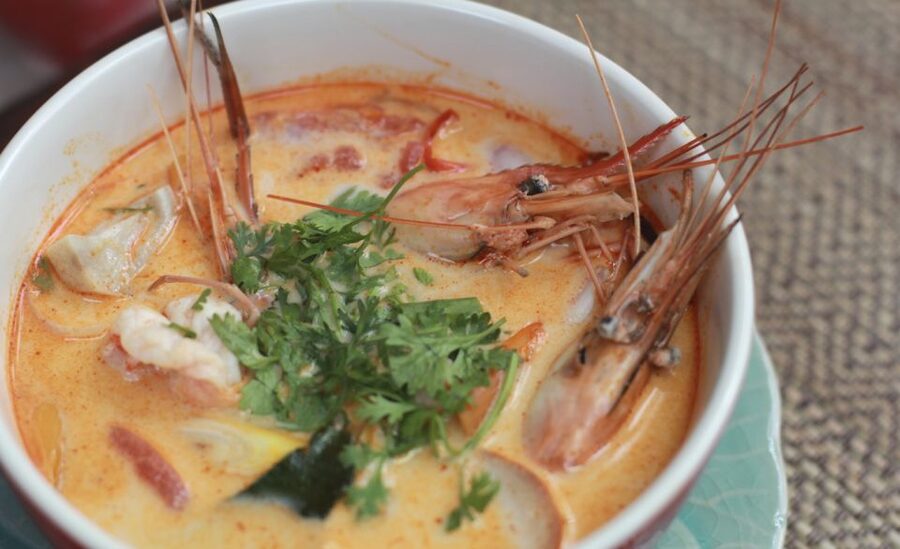
- Hot and sour prawn soup, or Tom Yum
- Chicken in coconut milk soup
- Thai noodle soup
Appetizers
- Spring rolls
- Papaya salad
- Cucumber salad
Curry pastes
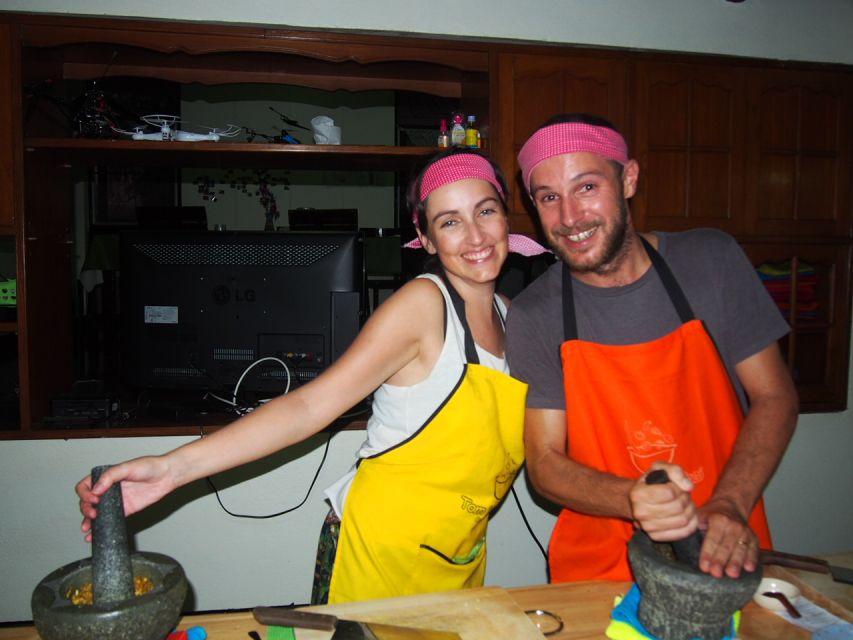
- Green curry paste
- Panang curry paste
- Khao Soi curry paste
Curries
- Green curry
- Panang curry
- Khao Soi curry
Everyone also makes sticky rice with mango for dessert.
This menu gives you a good spread of Thai cooking styles. You can work with noodles, stir-frying, fresh salads, soup, curry paste, and coconut-based dishes in one session. The selection also includes northern Thai flavor through Khao Soi, a useful choice if you want to understand one of Chiang Mai’s best-known foods.
You should choose dishes that contrast with each other. For example, combining Pad Thai, papaya salad, Tom Yum, and green curry gives you different methods and flavors. If you are cooking with a partner, you can choose different items and taste a wider range.
The class description says one person can choose one dish from each food category, and past participants describe cooking five dishes each. The exact combination may depend on the class arrangement and the options selected. Confirm your choices with the operator before the session if a particular dish is important to you.
Learning more than a recipe
The instruction focuses on practical cooking rather than lengthy culinary theory. You learn about the Thai vegetables and seasonings seen at the market, then use them in dishes you prepare yourself. The instructors explain the steps, help when needed, and talk about Thai food and culture along the way.
English is the teaching language. Several class descriptions praise the instructors’ clear English, humor, and ability to keep the group involved. The experience is intended for beginners, and the recipes are described as easy to follow.
That does not mean every dish is mild. Thai food can be spicy, and the class has a playful reputation for encouraging heat. You can ask about spice levels and personal preferences. If you cannot tolerate chili, say so early and repeat the request during preparation.
Dietary requests are an important strength here. Vegetarian, gluten-free, pescatarian, allergy-related, and other eating needs have been accommodated in past sessions. You must tell the operator in advance, especially for serious allergies. The provided information specifically asks participants to report food allergies and special requests.
You should also expect an active kitchen. Cutting, stirring, frying, grinding curry paste, and managing several courses all take part in the class. Wear comfortable clothes and shoes, and avoid arriving with a full stomach.
More Market Tours in Chiang Mai
- Chiang Mai: Cooking Class with Market and Pickup
★ 4.9 · 1,365 reviews - Chiang Mai: Evening Cooking Class and Local Market Visit
★ 4.9 · 648 reviews - Chiang Mai: Evening Local Street Food Market Tour
★ 4.8 · 604 reviews - Chiang Mai: Kalare Night Bazaar Boxing Stadium Muay Thai
★ 4.7 · 507 reviews
Eating the food as you go
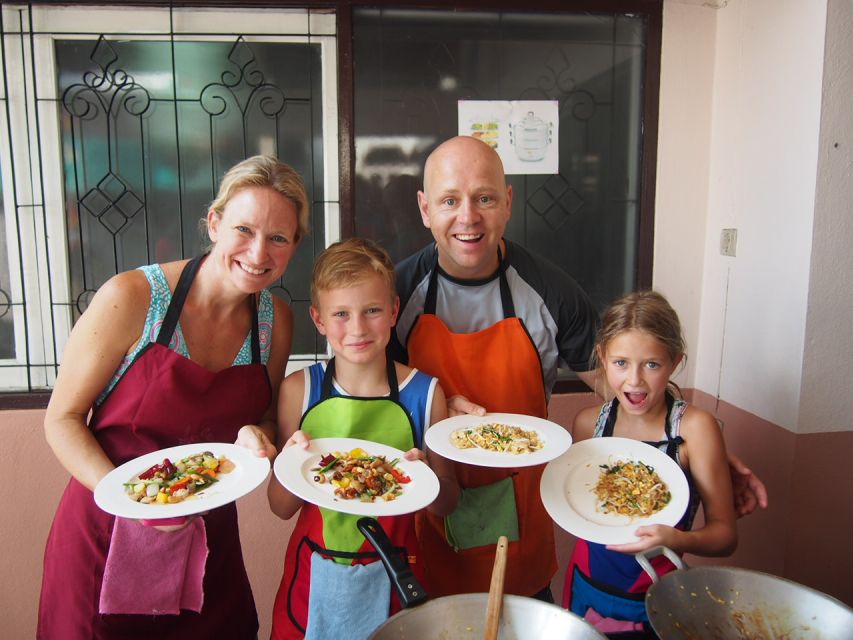
The best feature of the format is that you do not wait until the end to eat everything. You prepare a dish, cook it, and enjoy it before moving on. This keeps the meal fresh and gives you a chance to understand how the finished food tastes.
The food portions are generous. Some people found themselves full halfway through, while others joked that the class supplied enough food for the rest of the day. This is not a light tasting session. It is a full meal built course by course.
The arrangement also makes the class social. You eat what you have made, compare choices with the other participants, and continue learning between dishes. The small group size helps the instructor keep an eye on each station. With a maximum of 10 people, the class should feel more personal than a large cooking demonstration, although larger groups can still require help from both instructors.
Dessert is prepared by everyone: sticky rice with mango. It gives the meal a sweet finish and adds one more useful Thai recipe to take home.
The recipe book makes the experience useful later
A recipe book is included, and this improves the value of the class. Many cooking activities are enjoyable for a morning but fade once you return home. Written recipes give you a chance to repeat the dishes while the market visit and cooking steps are still fresh.
You should take notes about substitutions, spice levels, and the names of unfamiliar ingredients. The recipe book may show the basic process, but your own notes can record how much chili you prefer or which vegetables were used.
The cooking class is particularly useful near the start of a Chiang Mai or Thailand trip. After learning what common ingredients look like, you may feel more confident ordering dishes and recognizing flavors at restaurants and markets during the rest of your stay.
Morning and afternoon timing
The morning class runs approximately from 9:00 a.m. to 1:30 p.m., with pickup around 8:45 to 9:15. The afternoon class runs from about 3:30 p.m. to 8:30 p.m., with pickup around 3:00 to 3:30.
The advertised duration is five hours, though the morning timetable is closer to four and a half hours. Pickup times vary slightly, so allow some flexibility rather than arranging a tight appointment immediately afterward.
The morning option works well if you want to spend the afternoon sightseeing. The evening option can be a good choice after a cooler late afternoon, though it finishes around 8:30 p.m. Either way, do not schedule a demanding activity directly afterward. The class includes a market stop, cooking, eating, and transport, and the food alone takes time.
Is $36 a fair price?
At $36 per person, the class offers solid value. The price covers hotel pickup and drop-off within the old city area, the market visit, ingredients used in class, instruction, drinking water, tea, coffee, a substantial meal, dessert, and a recipe book.
A restaurant meal in Chiang Mai can cost far less, but that is not the right comparison. You are paying for several hours of teaching, market interpretation, equipment, food, transport, and a personal home setting. The ability to choose dishes also gives the class more value than a fixed menu demonstration.
The main limit is location. If your hotel is outside the 3-kilometer pickup zone, transport is not included. You should check the pickup area before booking and allow time to reach the meeting point if needed.
The five-hour format is also better value for people who truly want to cook. If you only want to taste Thai food or watch a chef, you may not get enough from the price. If you want practical recipes and a full meal, the cost is reasonable.
Who will enjoy this class most?
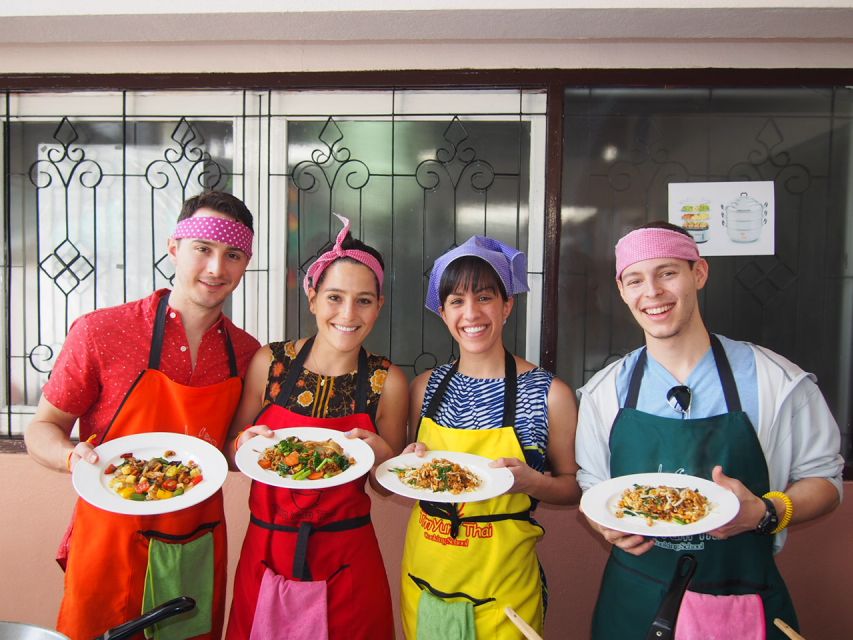
I would recommend it to first-time visitors who want a friendly introduction to Thai food. It also suits couples, families, solo participants, and beginner cooks who prefer to work at their own station.
Food-focused visitors will get the most from the market and menu choices. The class also works well for vegetarians and people with other dietary needs, provided those requests are shared ahead of time.
You may want to choose another activity if you dislike group cooking, cannot spend several hours standing and preparing food, or want advanced professional instruction. The class is social, hands-on, and home-based. It is not a quiet private lesson or a restaurant kitchen internship.
Practical tips before you book
- Do not eat a large meal beforehand. Five dishes plus sticky rice with mango is a serious amount of food.
- Tell the school about allergies, vegetarian needs, gluten-free requirements, or other requests before the class.
- Choose contrasting dishes so you learn several cooking methods.
- Consider taking the class early in your trip, then use the recipes and ingredient knowledge during later meals.
- Wait in your lobby or pickup place 10 minutes before the scheduled time.
- Check that your hotel is within 3 kilometers of Chiang Mai old city for included transport.
- Bring a little patience for pickup timing, since the stated window covers roughly 30 minutes.
- Ask about spice levels before cooking, especially for Tom Yum, curry, and papaya salad.
- Wear clothes suitable for a home kitchen and a hands-on cooking session.
Should you book Tom Yum Thai Cooking School?
Book this class if you want to cook, not just watch. The market visit gives the food a local setting, the home kitchen keeps the mood relaxed, and the choice of dishes lets you shape the meal around your interests.
The strongest reasons to go are the small group, personal instruction, dietary flexibility, generous meal, and recipe book. The main cautions are the heavy amount of food, the home-based setup, and the limited pickup area.
At $36, it is a good choice for anyone who wants a practical and sociable introduction to northern Thai cooking. Come hungry, mention your food needs early, and leave room for dessert.
FAQ
Where does the cooking class take place?
The class takes place in a Thai home that serves as the cooking school in Chiang Mai Province.
How long does the experience last?
The advertised duration is five hours. The morning schedule is approximately 9:00 a.m. to 1:30 p.m., while the afternoon schedule runs about 3:30 p.m. to 8:30 p.m.
Is hotel pickup included?
Yes. Pickup and drop-off are included for hotels or meeting places within 3 kilometers of Chiang Mai old city.
What time is pickup?
Morning pickup is around 8:45 to 9:15 a.m. Afternoon pickup is around 3:00 to 3:30 p.m. You should wait at the pickup point 10 minutes early.
How many people are in the class?
The class is limited to 10 participants.
What language is the class taught in?
The live instruction is in English.
How many dishes will I cook?
The class includes five selected dishes and one special dish. Everyone makes sticky rice with mango for dessert. The available choices include stir-fries, soups, appetizers, curry pastes, and curries.
Can I request vegetarian or allergy-friendly food?
Yes. Vegetarian, gluten-free, pescatarian, allergy-related, and other special requests can be accommodated. You should inform the school in advance.
What is included in the price?
The price includes the local market visit, drinking water, tea, coffee, a recipe book, hotel pickup and drop-off within the stated area, cooking instruction, ingredients, and the food prepared during the class.
More Workshops
- Thai and Akha Cooking Class in Chiang Mai
★ 5.0 · 4,358 reviews - Chiang Mai: Cooking Class with Organic Farm at Mama Noi
★ 4.9 · 1,151 reviews - Cooking Class with Organic Farm in Chiang Mai at Mama Noi
★ 5.0 · 502 reviews - Chiang Mai: Elephant Sanctuary & Thai Cooking Workshop
★ 4.9 · 276 reviews
More Shopping Tours
- Evening Cooking Class in Organic Farm with Local Market Tour
★ 5.0 · 394 reviews - Chiang Mai: Elephants, Sticky Waterfalls, Market and Temple
★ 4.9 · 227 reviews - Cooking Morning Class Chiang Mai Visit Organic Garden and Market
★ 5.0 · 211 reviews - Chiang Mai Temples and Market Tuk-Tuk Evening Night Tour
★ 4.5 · 201 reviews
Just added around Chiang Mai
- Chiang Mai: Chiang Rai White, Blue & Black Temples Day Tour★ 4.2 · 16 reviews
- Chiang Mai Adventure ATV Secret Waterfall and Bamboo Rafting★ 5.0 · 16 reviews
- Inthanon Small-Group with Kew Mae Pan Trail from Chiang Mai include Lunch★ 4.5 · 16 reviews
- 2-Day Best of Chiang Rai from Chiang Mai Private Package★ 4.5 · 16 reviews
- Private-Tour Doi Suthep Temple and Khun Chang Kien Village Half-Day★ 4.5 · 16 reviews
- Doi Inthanon Discovery Tour: Waterfalls, Villages & Highest Peak★ 3.5 · 16 reviews
- Chiang Mai Iconic Temples and City Tour★ 4.5 · 17 reviews
- Fantastic! Famous Doi Inthanon National park tour with 2hr trekking★ 4.5 · 17 reviews
Cooking Classes, compared.
Half-Day Thai Cooking Class at Organic Farm in Chiang Mai
Read our review →
Cooking Class, Market & Thai Herbs Garden Tour
Read our review →
Authentic Cooking Class with Market & Farm Visit
Read our review →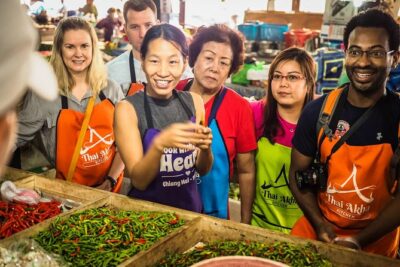
Phuket Thai Cooking Class with Market Tour Option
Read our review →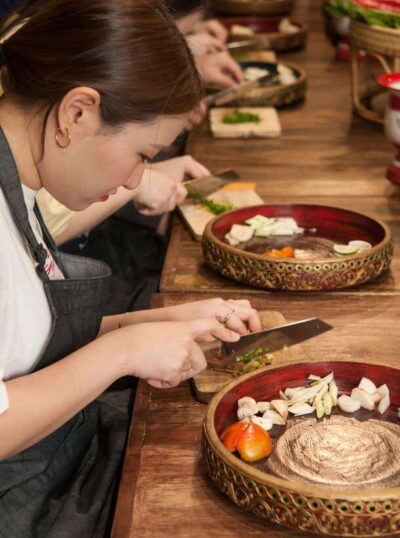
Tingly Thai Cooking School Half-Day Cooking Class
Read our review →Browse the lists this tour appears in